Introduction
Bilbao-Concordia Station, also known as Estación de Bilbao-Concordia or Bilbao-La Concordia, stands as a historic and architectural landmark in the heart of Bilbao. Since its inauguration in 1902, the station has not only served as a critical railway hub—connecting Bilbao to northern Spain via narrow-gauge FEVE lines—but also as a symbol of the city's evolution from an industrial powerhouse to a vibrant, culturally rich metropolis. This detailed guide provides everything you need to plan your visit, from practical information on visiting hours and ticketing to the station’s architectural significance, its role in Bilbao’s urban landscape, and tips for exploring nearby attractions (xixerone.com, Moovit, Show Me The Journey).
Photo Gallery
Explore Bilbao-Concordia in Pictures
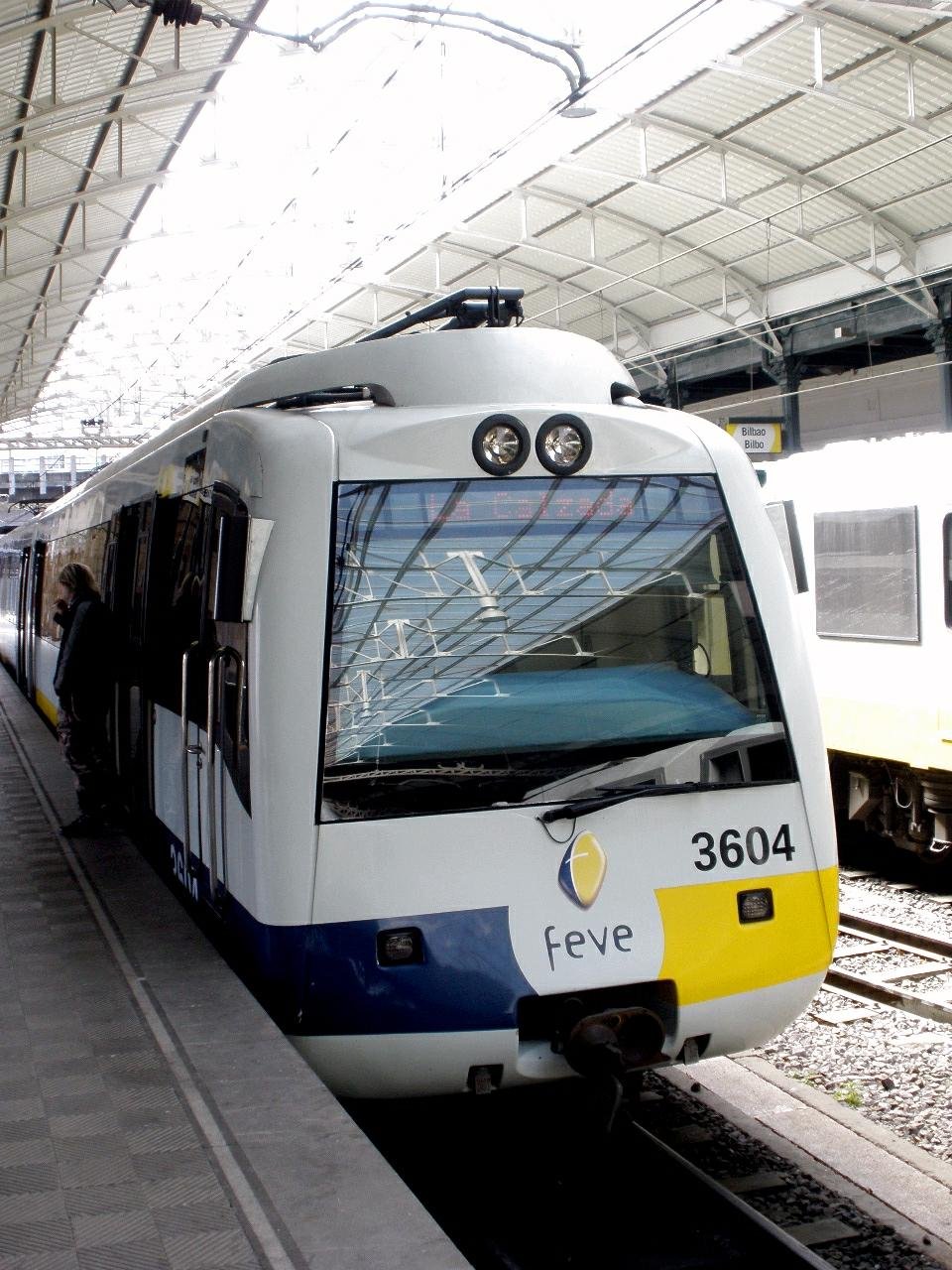
FEVE train unit stationed at Bilbao-Concordia Station in Bilbao, Spain, showcasing a regional rail transport scene.
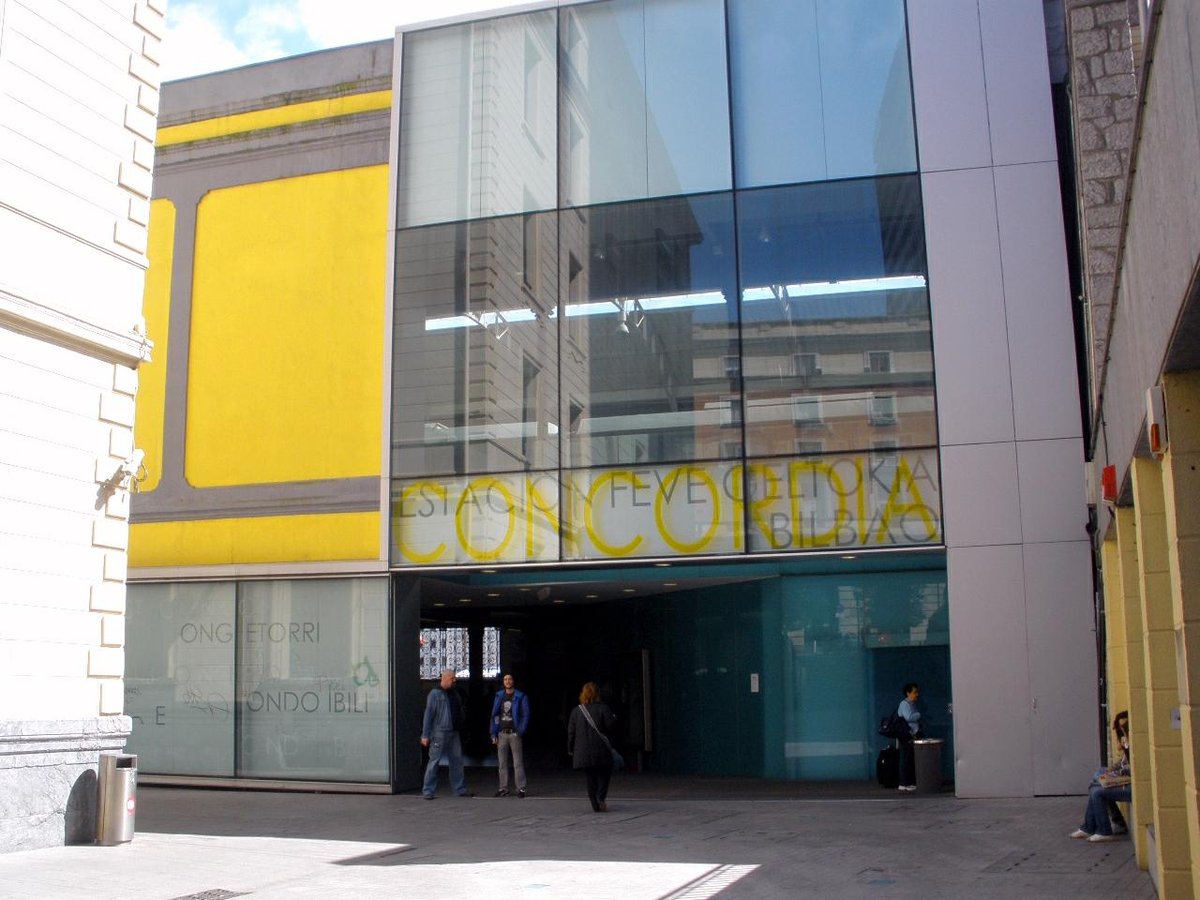
Exterior view of FEVE Bilbao-Concordia train station showing trains and platforms, a transportation hub in Bilbao, Spain
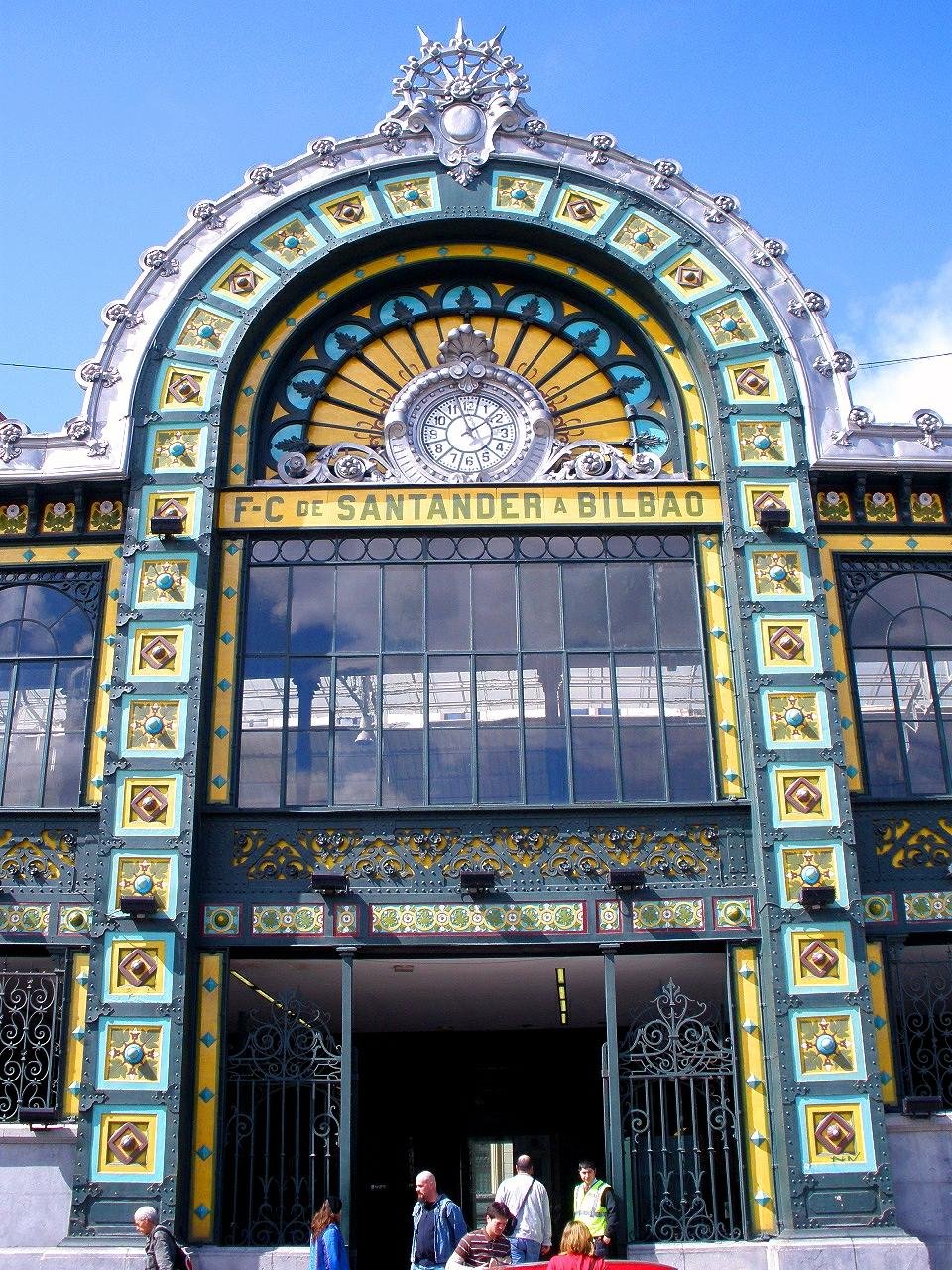
Exterior view of the FEVE Bilbao-Concordia railway station showing tracks and platform in Bilbao, Spain
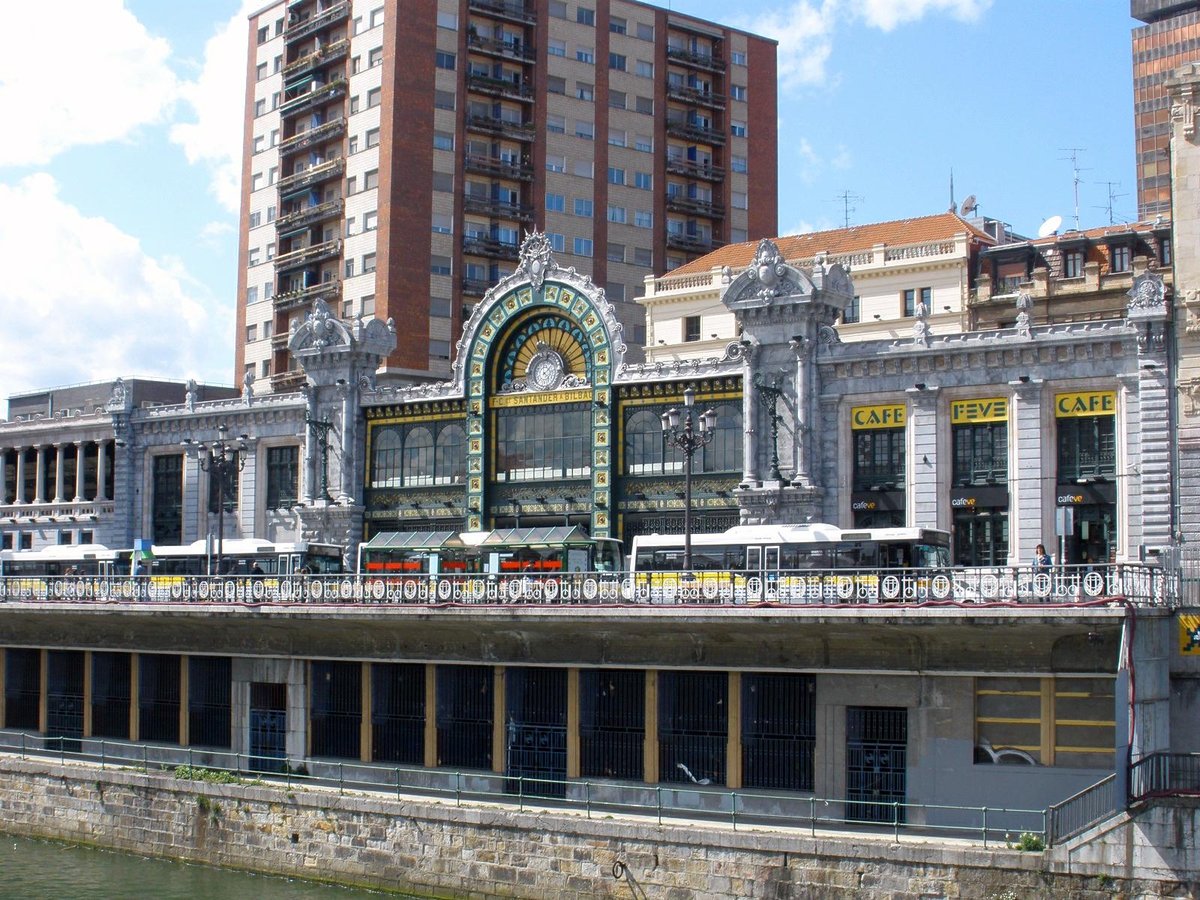
Exterior view of FEVE Bilbao-Concordia train station showing railway tracks and surrounding urban buildings
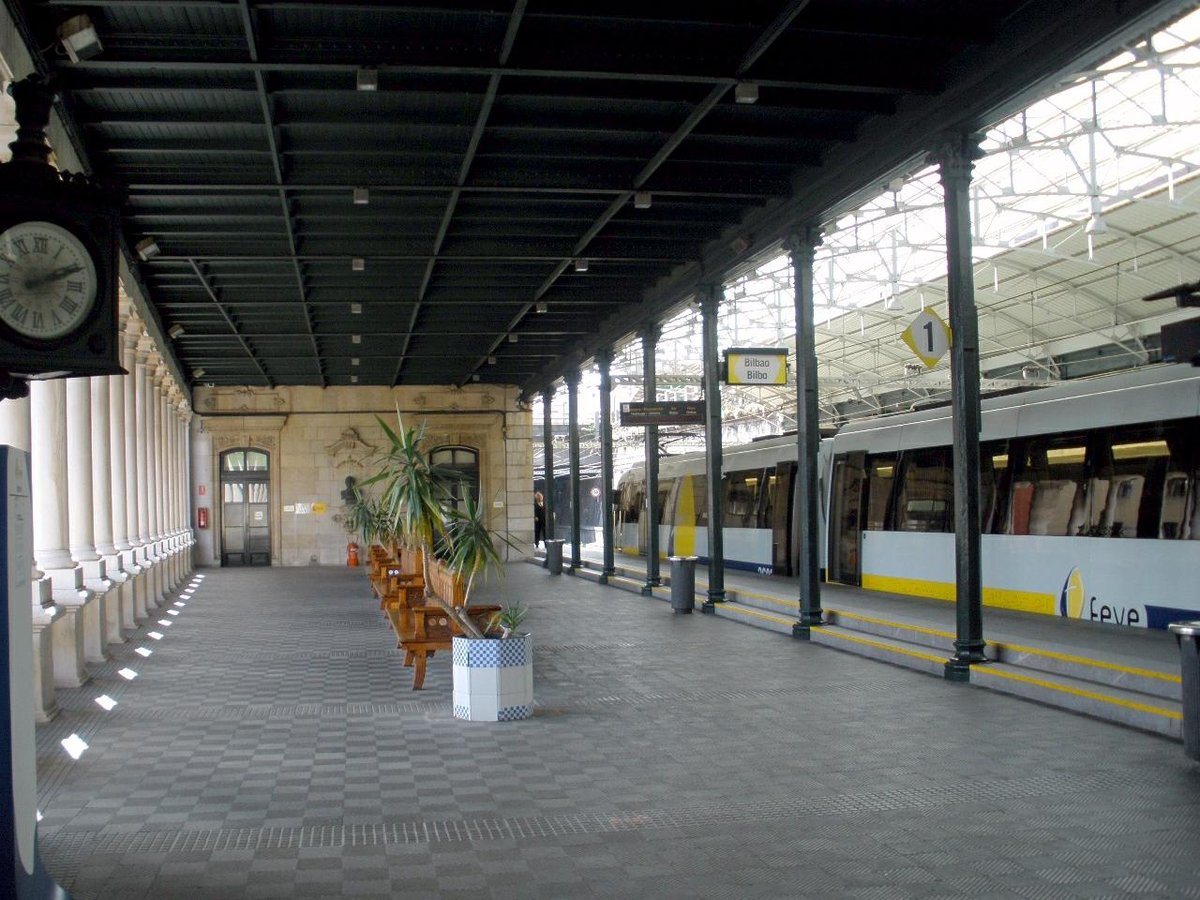
Exterior view of FEVE Concordia train station located in Bilbao, Vizcaya, Basque Country, Spain. Modern architecture and train platforms visible.
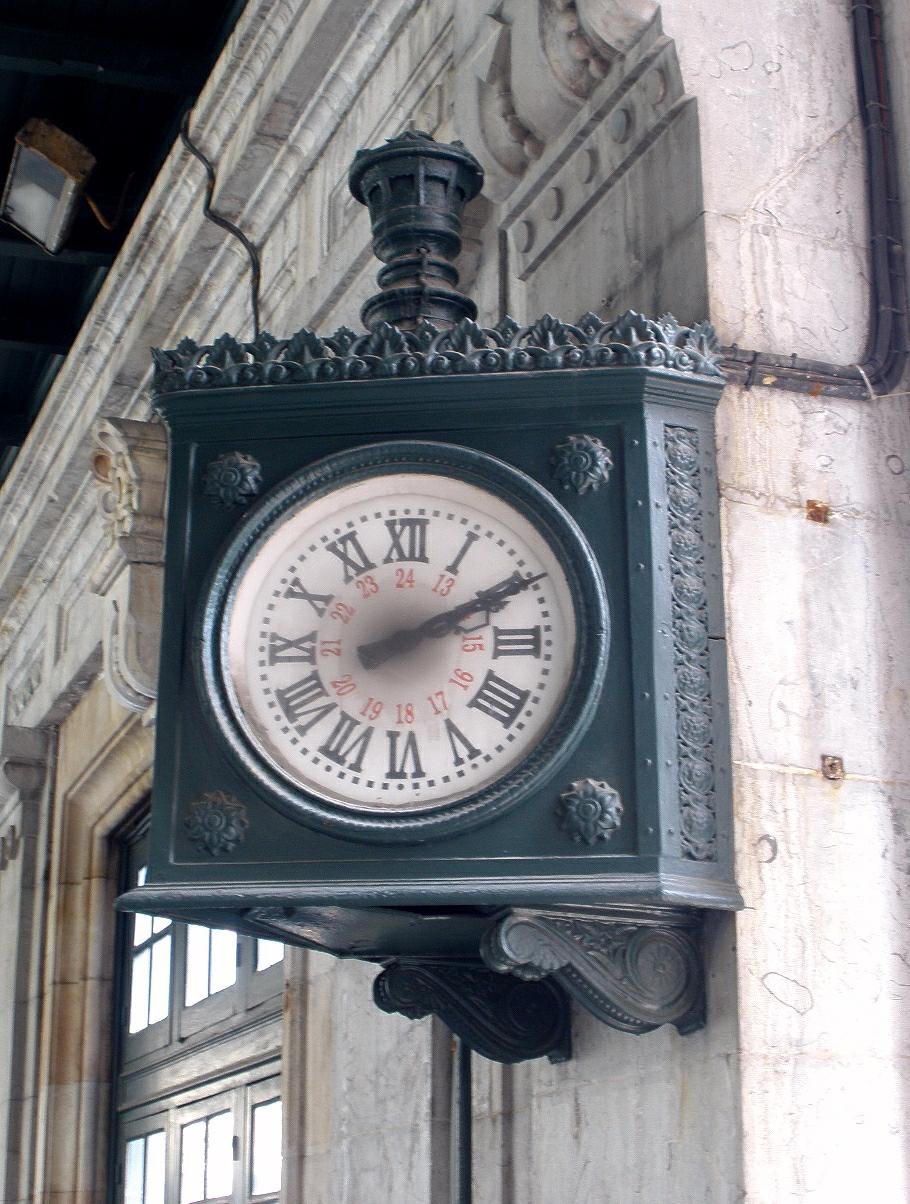
Detailed view of the clock at the FEVE Railway Station in Bilbao-Concordia, located in Bilbao, Basque Country, Spain
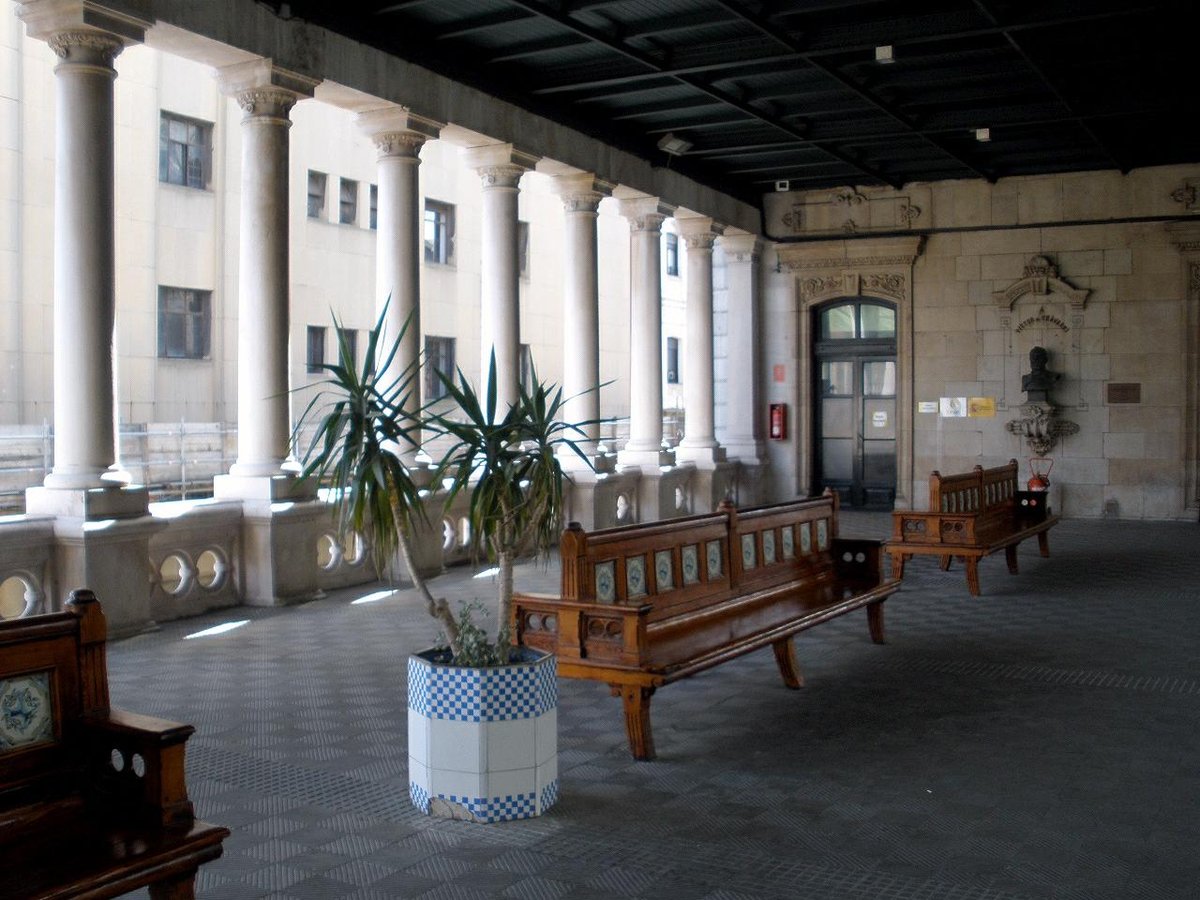
Exterior view of FEVE Bilbao-Concordia railway station located in Bilbao, Basque Country, Spain, showcasing the station entrance and architectural details.
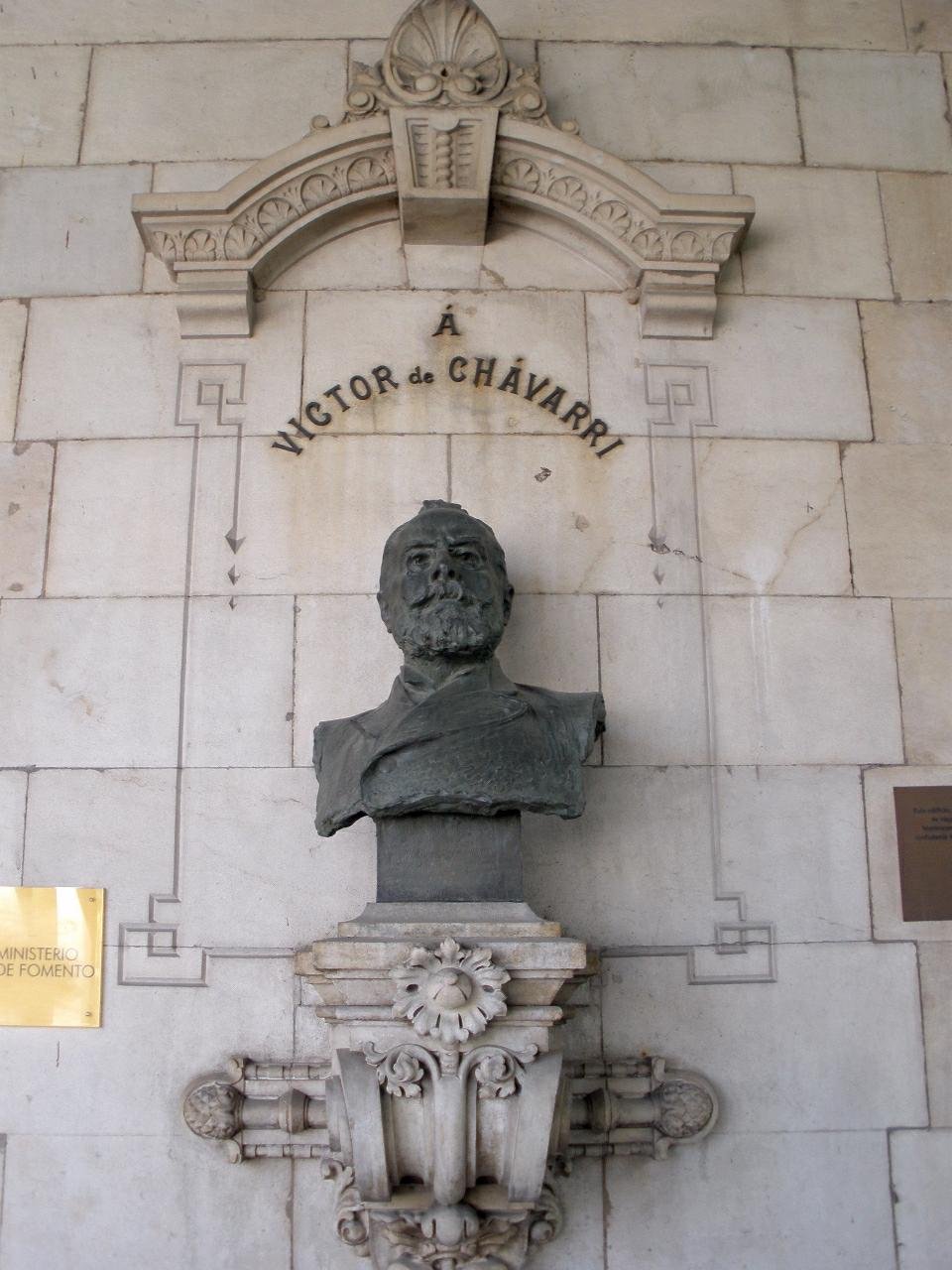
Monument dedicated to Víctor de Chávarri located at the FEVE station Bilbao-Concordia in Bilbao, Basque Country, Spain
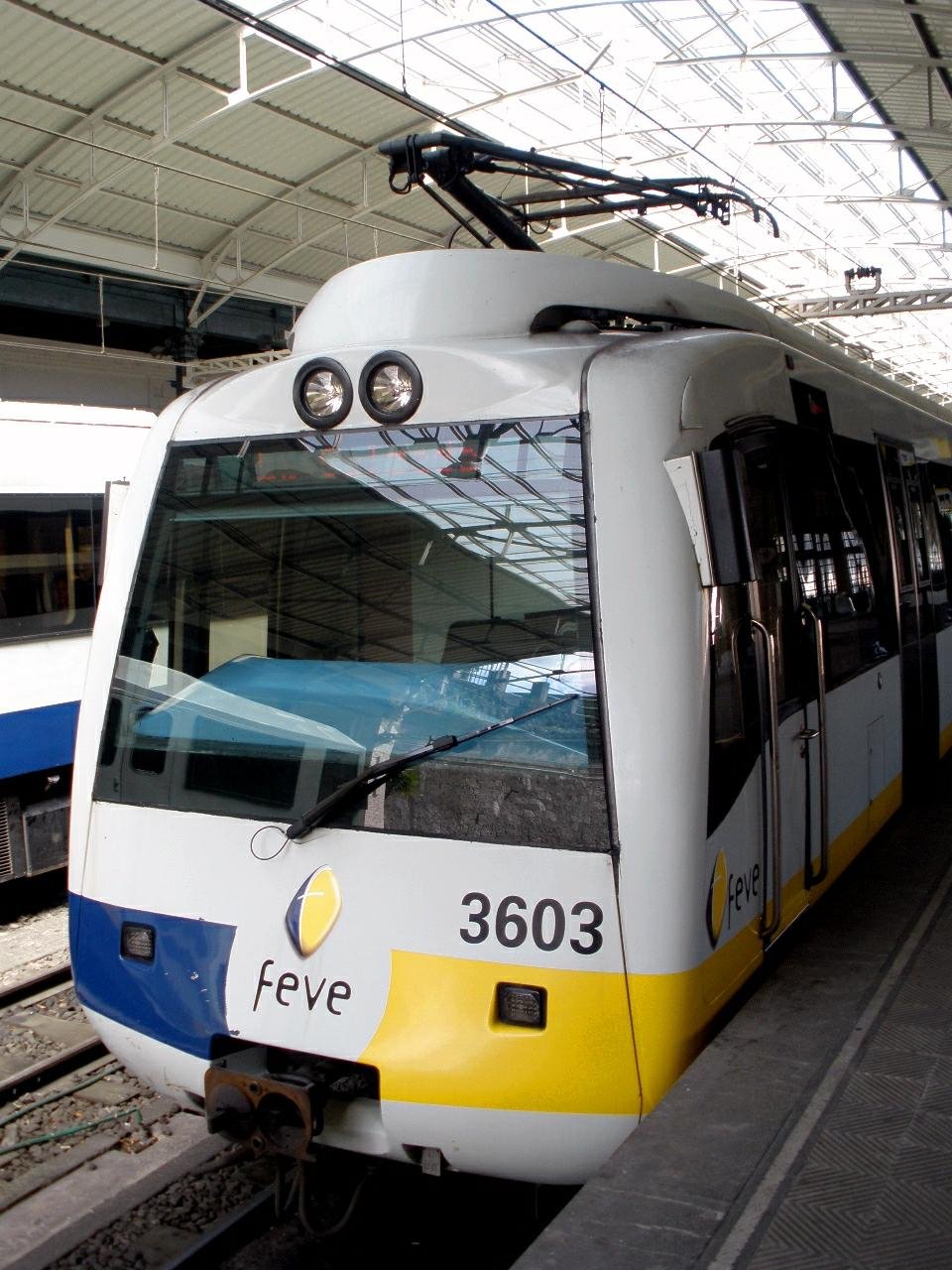
FEVE train unit stationed at the Bilbao-Concordia railway station, showcasing regional rail transport in Bilbao, Spain.
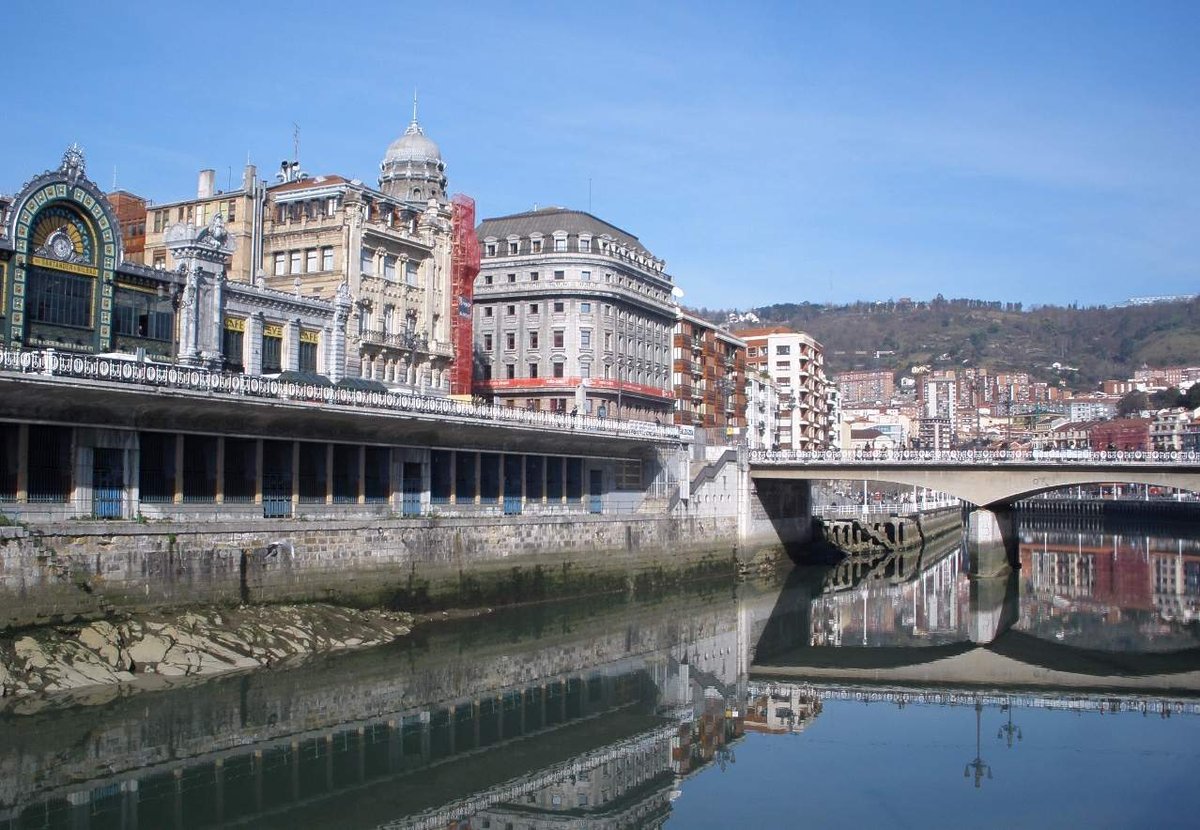
Beautiful scenic view of the Ría de Bilbao river flowing through the city with surrounding buildings and mountains in the backdrop
Origins and Historical Context
Bilbao-Concordia was inaugurated in 1902 to improve rail connectivity between Bilbao and northern Spain, particularly Santander. Its construction coincided with Bilbao’s period of rapid industrialization, serving as a gateway for goods and passengers during the city’s steel and shipbuilding boom. The station is sometimes referred to as “Estación de Santander” due to its principal route (xixerone.com).
Architectural Significance
Art Nouveau and Basque Modernism
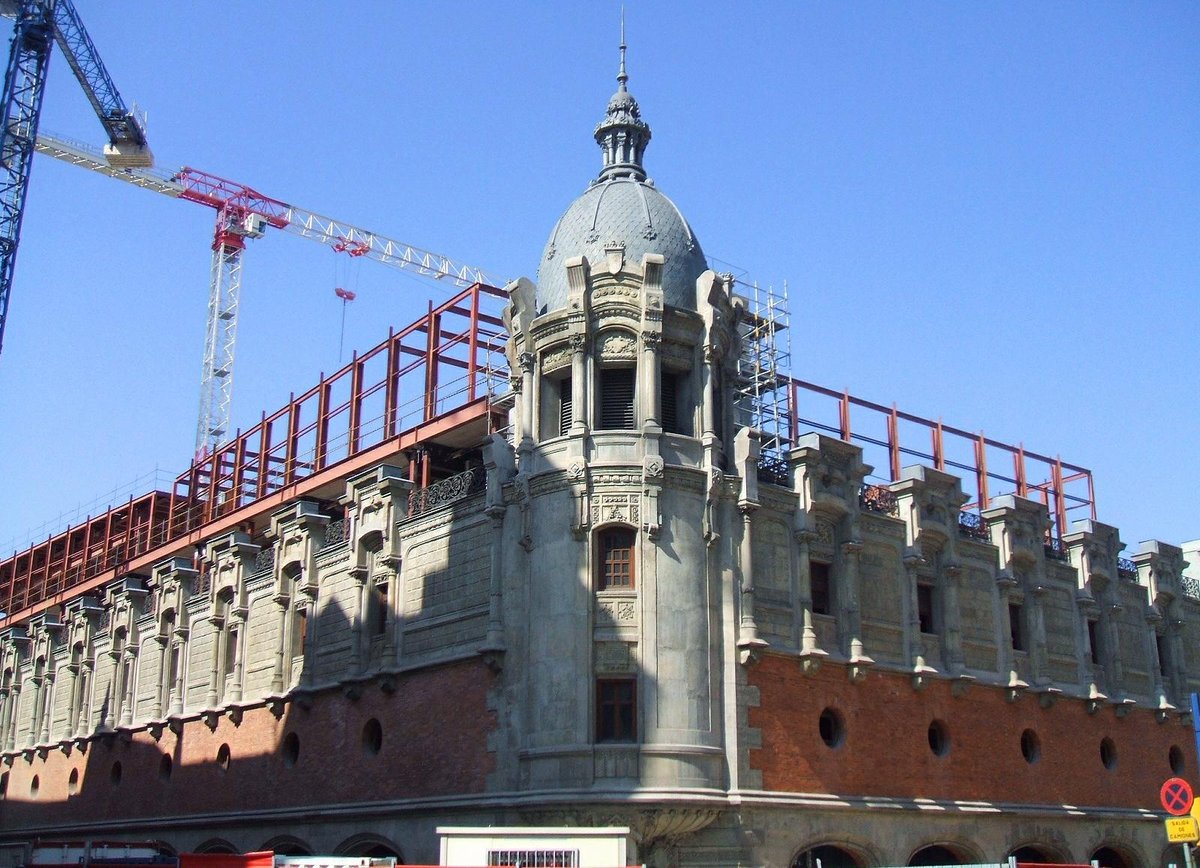
Designed by Severino Achúcarro, Bilbao-Concordia is an outstanding example of Art Nouveau (Modernista) architecture. The building features:
- Ornate ironwork and decorative ceramic tiles
- Stained glass windows crafted by Achúcarro
- A harmonious blend of organic forms and geometric motifs
These elements reflect both the international Art Nouveau movement and a distinct Basque interpretation, making the station unique within Spain (xixerone.com).
Structural Innovations
The use of iron and glass in the main hall creates a light-filled, welcoming environment. The iron-and-glass canopy over the platforms was innovative for its time, prioritizing ventilation, natural light, and passenger comfort.
Comparison with Other Spanish Stations
While not as large as Madrid’s Atocha or Valencia’s Estació del Nord, Bilbao-Concordia stands out for its compact scale and restrained, yet expressive, Art Nouveau style.
Preservation and Contemporary Role
Restoration and Conservation
Significant restoration efforts led by local authorities have preserved the station’s architectural integrity. These initiatives have ensured that Bilbao-Concordia continues to function as a transport hub while remaining an important cultural asset.
Integration into Modern Bilbao
The station currently serves Renfe Feve’s narrow-gauge lines, specifically the R3F (Karrantza–Bilbao) and C4F (Balmaseda–Bilbao), connecting the city to regions in the Basque Country and Cantabria. Its central location near the Nervión River and Casco Viejo makes it an accessible starting point for exploring Bilbao (Moovit).
Cultural and Urban Impact
Bilbao-Concordia symbolizes the city’s transformation, bridging its industrial heritage with modern cultural vibrancy. Alongside landmarks like the Guggenheim Museum and Bilbao-Abando station, it highlights Bilbao’s ongoing urban renewal (authenticbasquecountry.com).
Practical Visitor Information
Visiting Hours
- Typical opening: 5:00/6:00 AM – 11:00/11:30 PM (aligned with train schedules)
- Hours can vary; confirm via official Renfe Feve or local tourism websites prior to your visit.
Tickets and Access
- Purchase tickets at station counters, vending machines, or online via the Renfe or FEVE websites.
- Fares depend on the route and ticket type (single, return, multi-ride).
- Contactless payment is widely accepted.
Accessibility
- Wheelchair ramps, elevators, and accessible restrooms are available.
- The pedestrian route between Bilbao-Concordia and Bilbao-Abando is not fully step-free; assistance is available upon request (Show Me The Journey).
Guided Tours and Photography
- Many city walking tours include Bilbao-Concordia for its architectural value.
- The Art Nouveau façade and interior stained glass are popular photo subjects, especially in morning and late afternoon light.
Nearby Attractions
- Guggenheim Museum: World-famous contemporary art museum.
- Casco Viejo (Old Town): Historic pedestrian area full of shops, markets, and pintxos bars.
- Museo de Bellas Artes: Renowned fine arts museum.
- Bilborock: Cultural venue in a converted power station.
Transportation Links
- Metro Bilbao: Access via Abando and Casco Viejo stations within walking distance.
- Tram (Euskotran): Closest stop is Plaza Biribila.
- Bus: Extensive network operates adjacent to the station.
- Regional/National Rail: Bilbao-Abando (for high-speed and long-distance Renfe trains) is nearby.
Train Operations, Services, and Connectivity
Main FEVE Lines
- R3F (Karrantza–Bilbao): 41 km, 14 stops.
- C4F (Balmaseda–Bilbao): 27 km, 11 stops.
These lines offer vital connections to scenic towns and facilitate regional travel (Moovit).
Schedules and Frequency
- Generally 5 daily departures per line.
- First train: ~13:00 | Last train: ~14:34 (verify via official schedules, as times may change seasonally or due to operational updates).
Ticketing and Fares
- Ticket prices typically range from €5–€25 for regional journeys.
- Bilbao Bizkaia Card and Barik card offer unlimited or pay-as-you-go travel across city transport and discounts on attractions (Bilbao Turismo, Spainist).
Station Facilities and Visitor Services
- Waiting Areas: Spacious, well-lit, and equipped with seating.
- Ticket Offices & Machines: Both staffed and self-service.
- Restrooms: Clean and accessible.
- Food & Drink: Cafés and vending machines onsite.
- Luggage Storage: Lockers and left-luggage services available.
- Security: CCTV and personnel ensure a safe environment.
- Wi-Fi: Free in public areas.
- Information Desks: Multilingual staff provide assistance.
Connectivity: Local and Regional Transport Links
- Metro & Tram: Easy transfer to Metro Bilbao and tram lines for quick access to all parts of the city (World of Metro).
- Bus: Extensive routes with late-night service (World of Metro).
- Regional/National Rail: Fast transfer to Bilbao-Abando for long-distance travel (European Rail Guide).
- Ferry: Not directly connected, but river cruises and ferries accessible via local public transport.
Visitor Experience: Comfort, Cleanliness, and Safety
- The station is noted for its cleanliness, well-kept facilities, and friendly atmosphere.
- Located along the Nervión River with easy pedestrian access to major sites (HikersBay).
- Visible security and low crime rates contribute to a safe environment.
Nearby Attractions and Accommodation
- Guggenheim Museum, Museo de Bellas Artes, Casco Viejo: All within walking distance.
- Hotels: Options range from budget hostels to luxury hotels (e.g., Gran Hotel Domine, Hotel Carlton) (Spainist).
Frequently Asked Questions (FAQ)
Q: What are the current Bilbao-Concordia visiting hours?
A: Generally open from 5:00/6:00 AM to 11:00/11:30 PM. Check official sources for seasonal changes.
Q: How do I buy tickets and what do they cost?
A: Purchase tickets at the station or online. Prices usually range from €5–€25 depending on route and class.
Q: Is the station accessible for reduced mobility?
A: Yes, but the transfer to Bilbao-Abando involves some steps. Assistance is available.
Q: Can I transfer easily between Bilbao-Concordia and Bilbao-Abando?
A: Yes, but the short walk is not fully step-free; assistance is recommended if needed.
Q: Are guided tours available?
A: Yes, many city tours include Bilbao-Concordia for its architecture.
Q: What is the future of the station?
A: Following the completion of the Basque Y high-speed line, most commuter services will move to Bilbao-Abando. Concordia is expected to be preserved and potentially repurposed as a cultural venue.
Listen to the full story in the app
Your Personal Curator, in Your Pocket.
Audio guides for 1,100+ cities across 96 countries. History, stories, and local insight — offline ready.
Audiala App
Available on iOS & Android
Join 50k+ Curators
Sources
- verified
- verified
- verified
- verified
- verified
Last reviewed: