Introduction
Basurto Hospital in Bilbao, Spain, is not only a cornerstone of healthcare in the Basque Country but also an architectural and cultural landmark. Established in the early 20th century, the hospital reflects Bilbao's transformation during periods of industrialization and urban expansion. Its innovative pavilion-based design, community-driven origins, and ongoing commitment to public health have made it a symbol of resilience and progress. This comprehensive guide will introduce you to Basurto Hospital’s history, architectural significance, visitor information, and its broader impact on Bilbao’s cultural landscape.
Photo Gallery
Explore Basurto Hospital in Pictures
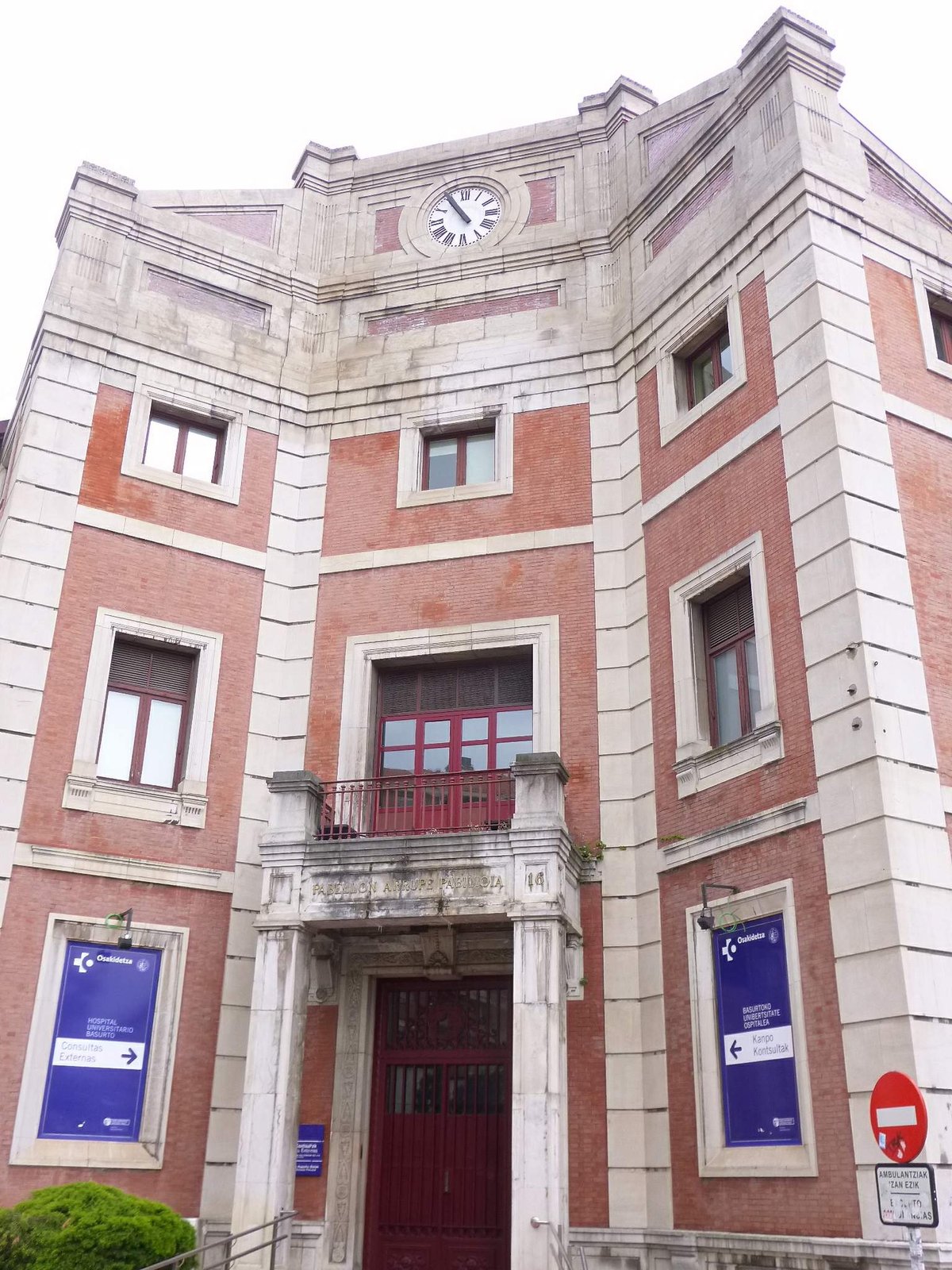
Exterior view of Hospital Universitario de Basurto in Bilbao, showcasing modern architectural design with glass and concrete, a major healthcare facility in the Basque Country
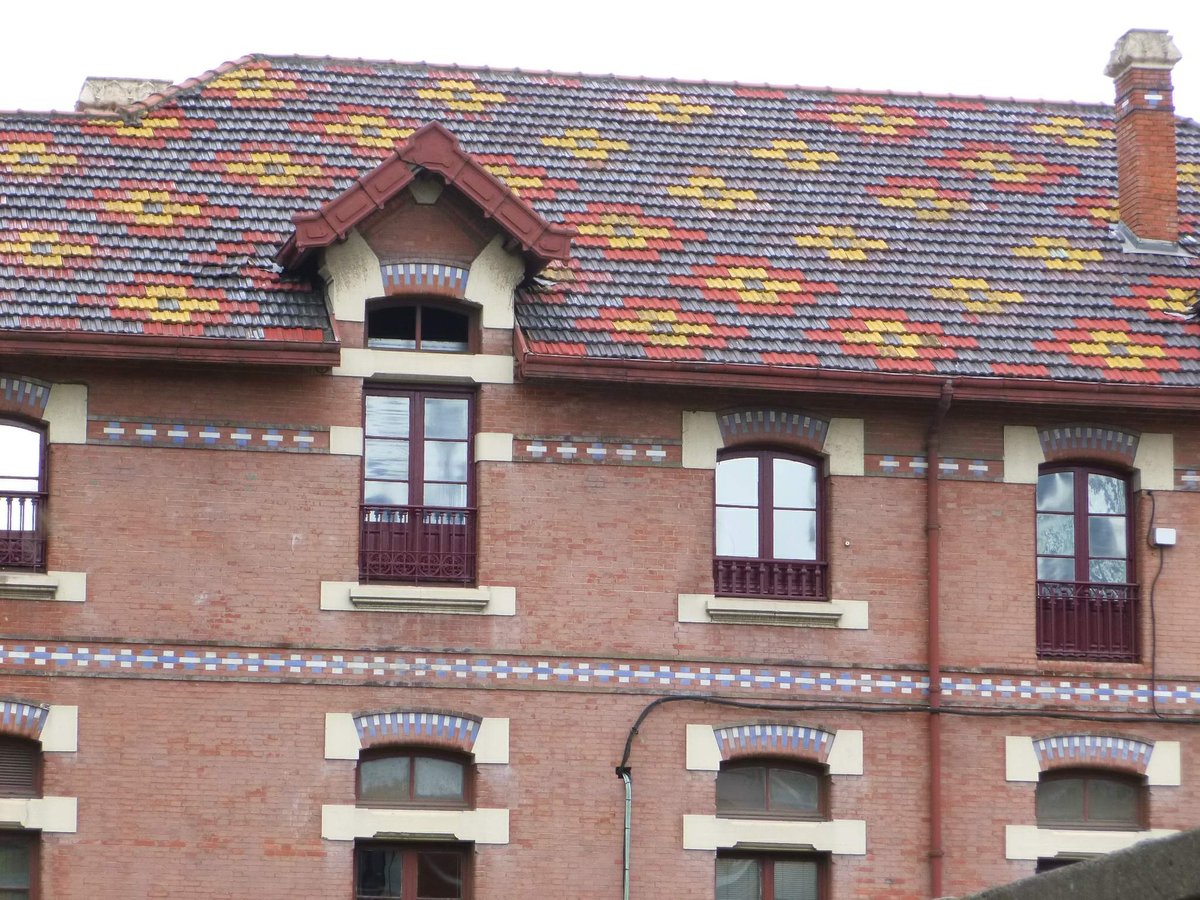
Modern exterior view of Hospital Universitario de Basurto located in Bilbao, showcasing its large multi-story building and clear sky background
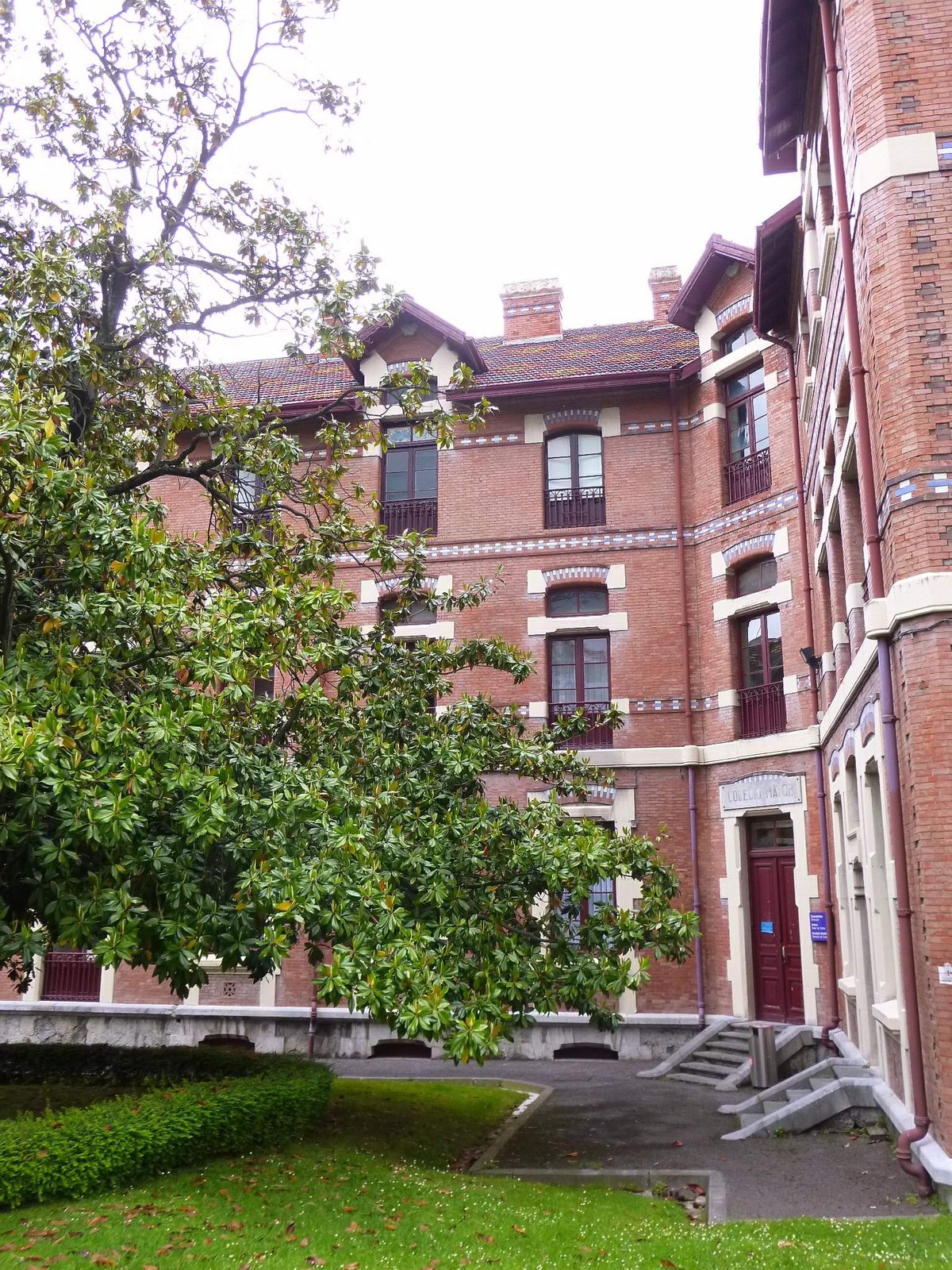
Exterior view of Hospital Universitario de Basurto in Bilbao, showcasing the modern architecture and facilities
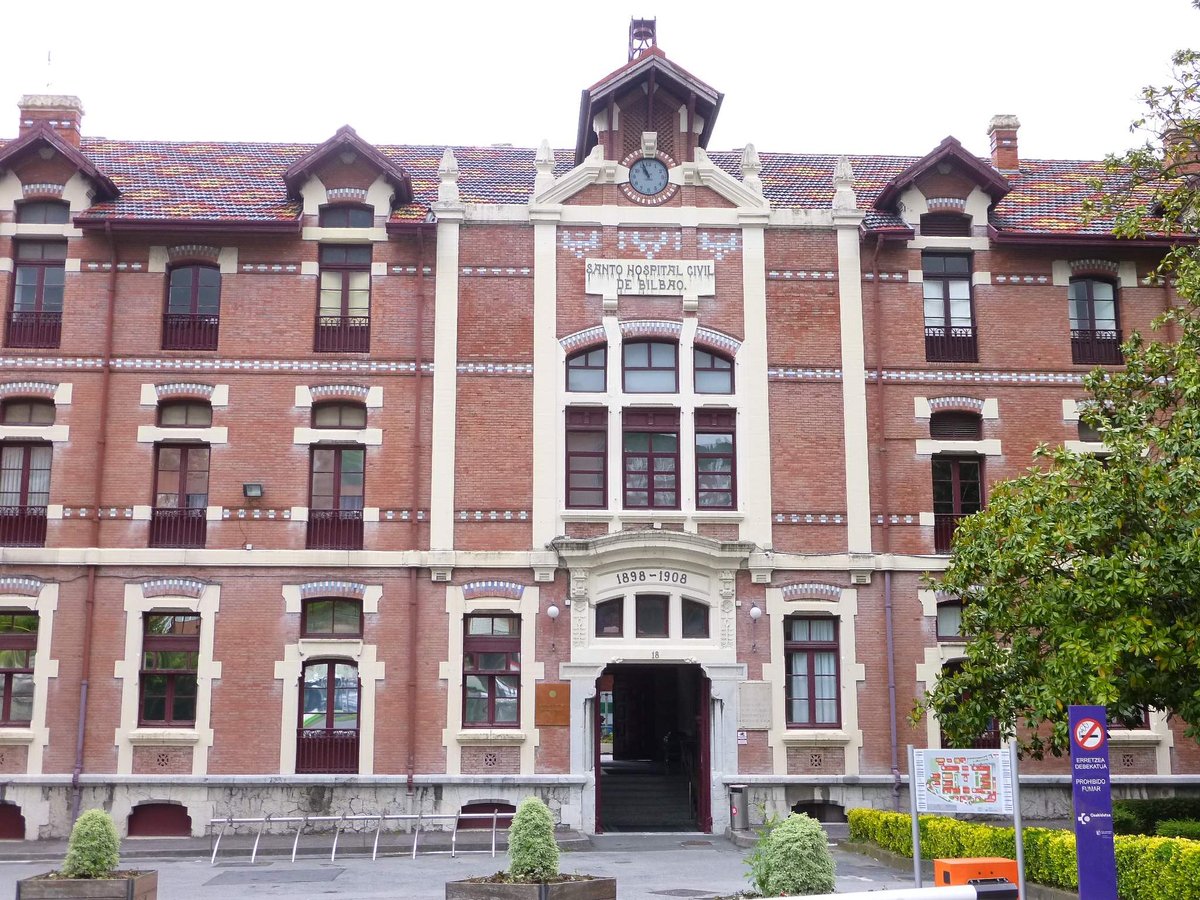
Photograph of Hospital Universitario de Basurto located in Bilbao showcasing its modern and functional exterior architecture.
A photo showing the front entrance and building facade of Hospital Universitario de Basurto located in Bilbao, Spain
The Hospital Universitario de Basurto in Bilbao, a modern and significant healthcare facility in the Basque Country, Spain.
Exterior view of Hospital Universitario de Basurto in Bilbao showcasing its modern glass architecture under a clear blue sky
Exterior view of the modern Hospital Universitario de Basurto located in Bilbao with clear blue sky
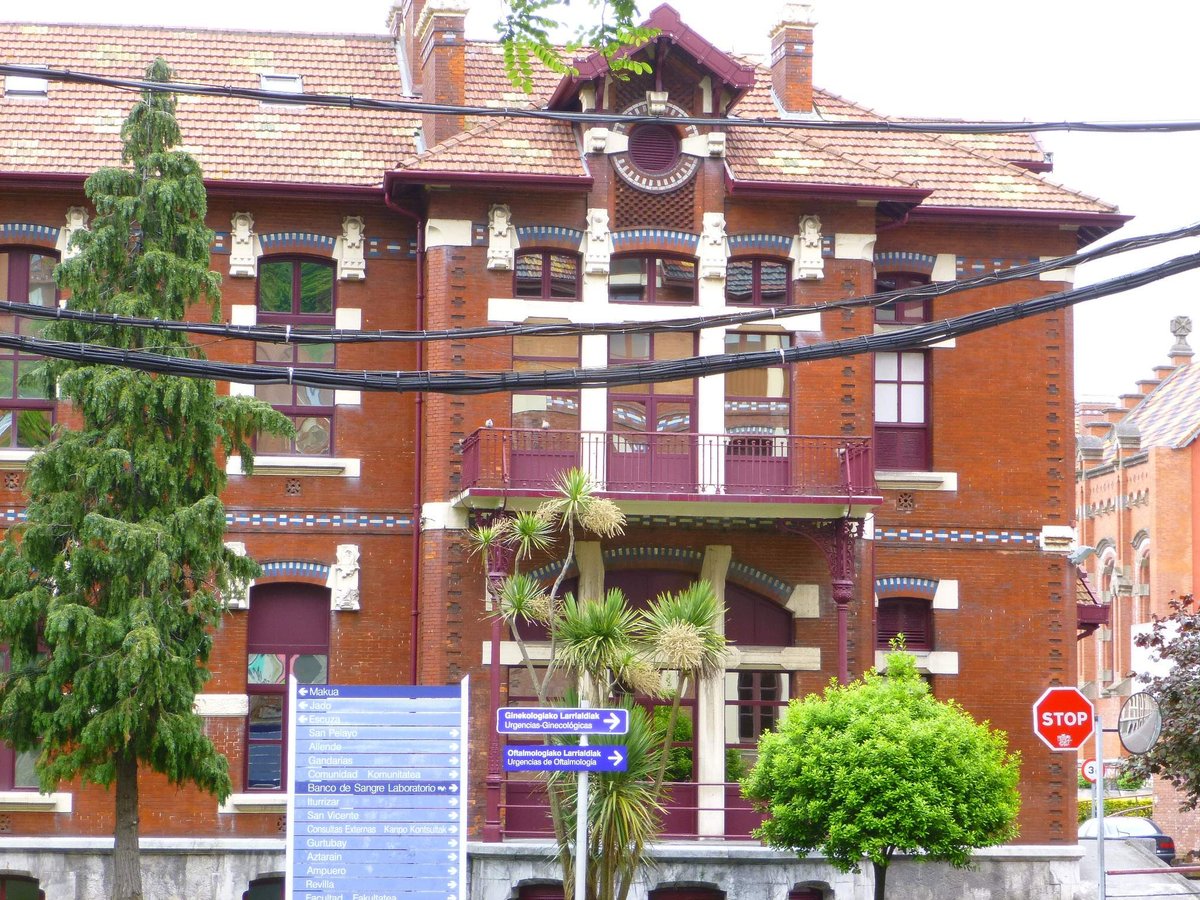
Exterior view of the modern Hospital Universitario de Basurto located in Bilbao, Spain
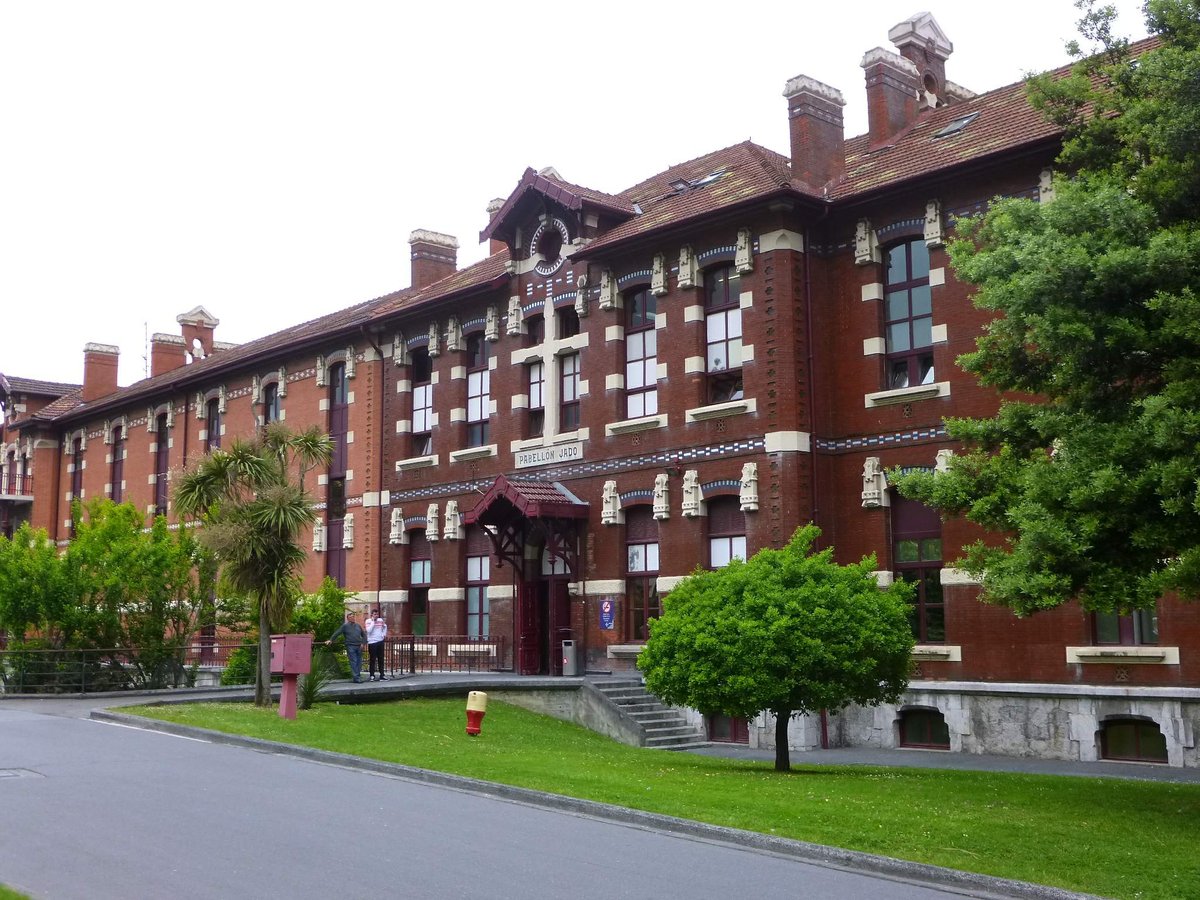
Exterior view of the modern Hospital Universitario de Basurto located in Bilbao, Spain, showcasing its architectural design and surrounding urban area.
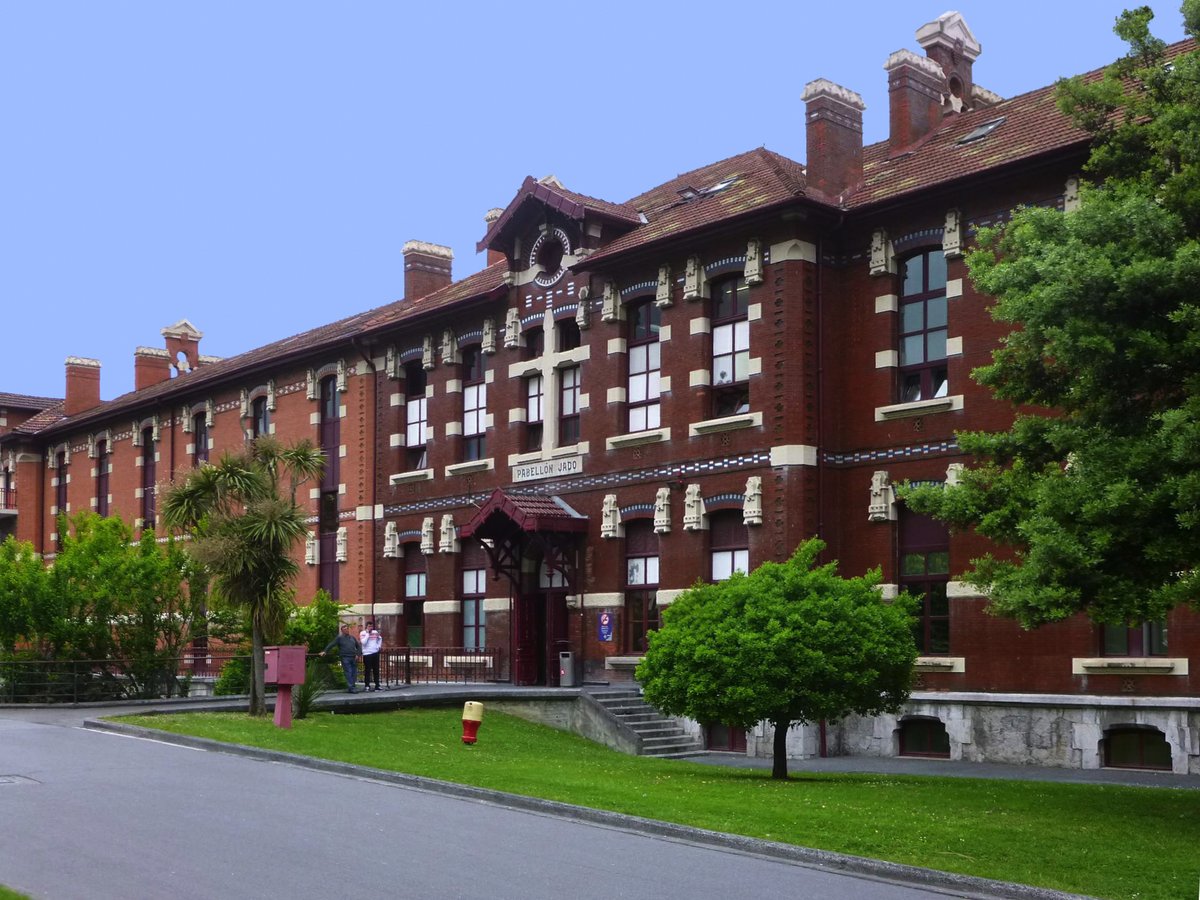
Modern exterior view and main entrance of Hospital Universitario de Basurto located in Bilbao, showcasing its architectural design and healthcare facility.
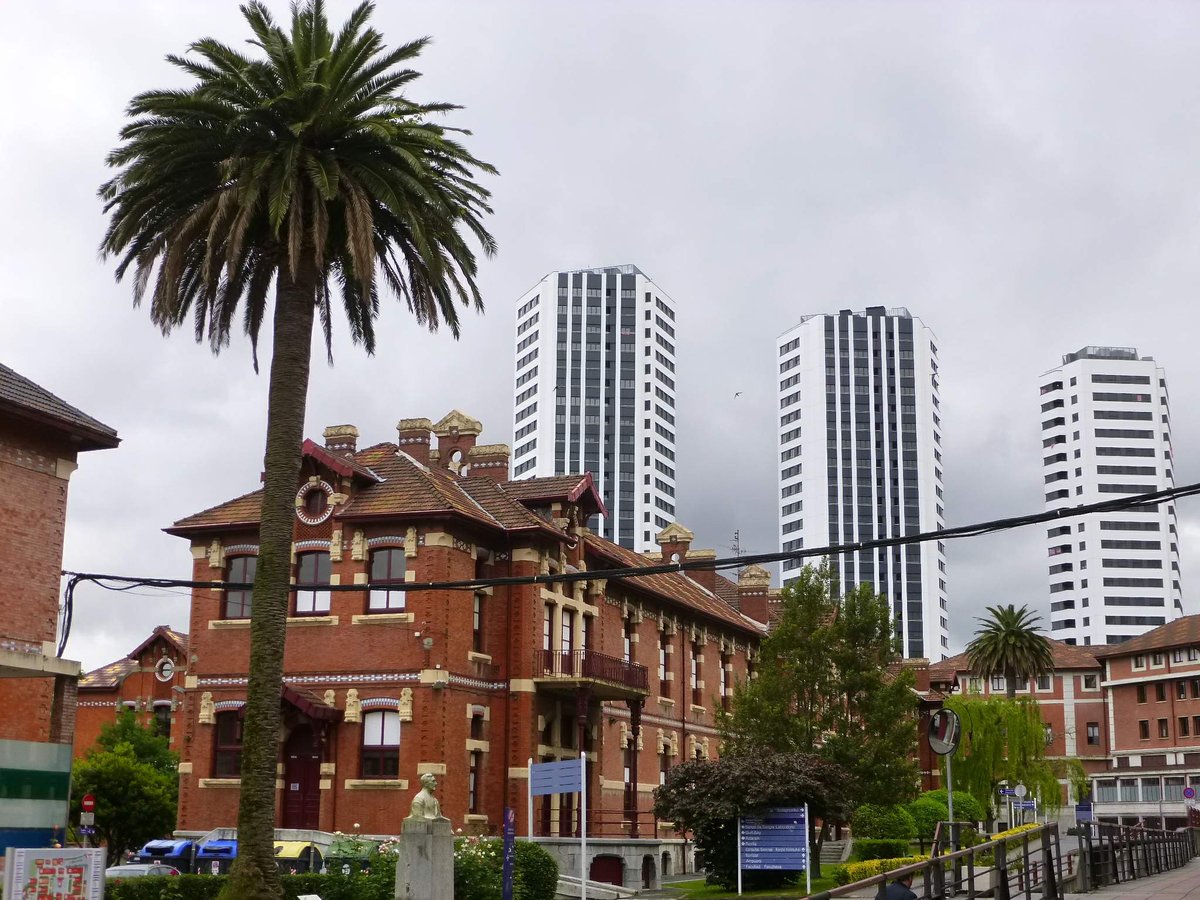
Exterior view of Hospital Universitario de Basurto in Bilbao, showcasing modern hospital architecture and surrounding greenery
Origins and Early Development
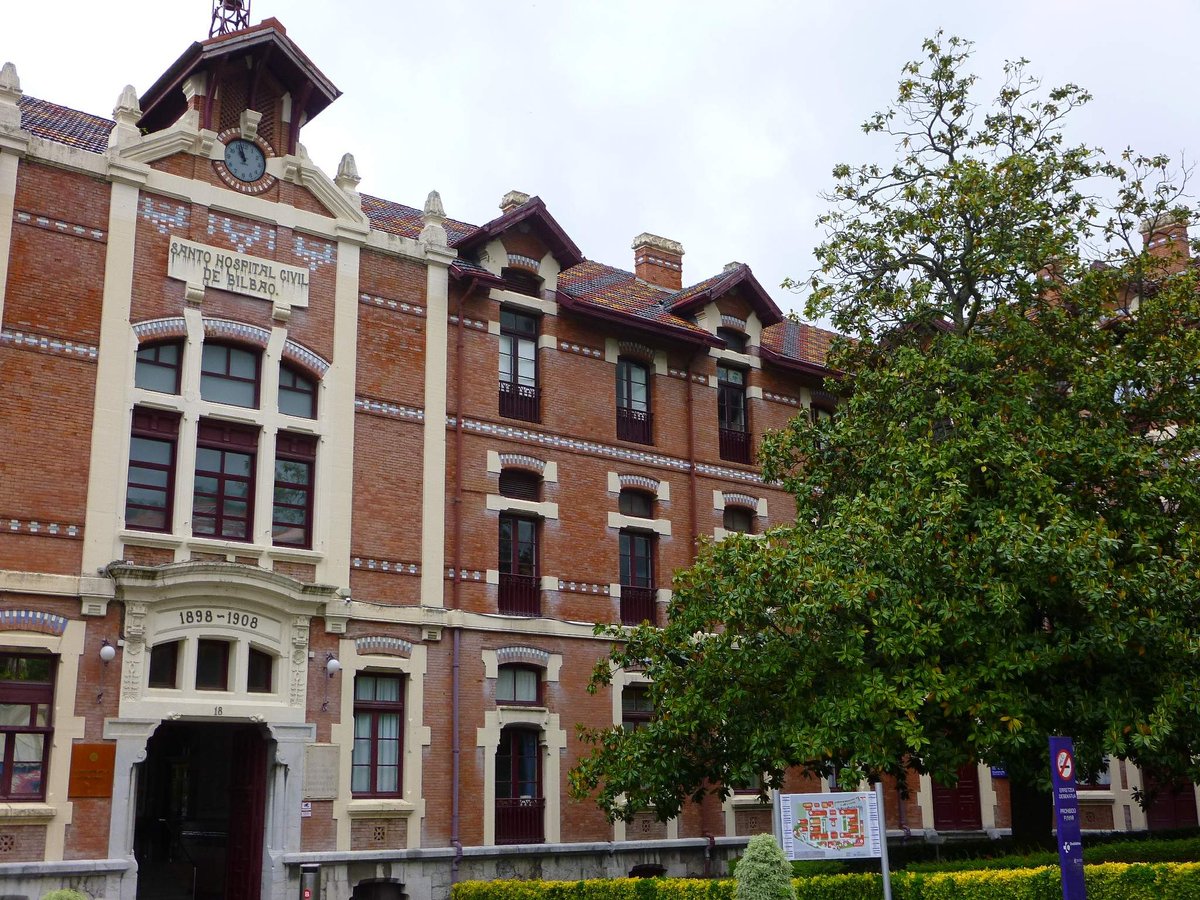
Basurto Hospital’s origins date back to Bilbao’s rapid industrialization in the late 19th century. The city’s growing population and increasing public health needs quickly rendered the original Santo Hospital Civil de los Santos Juanes in Atxuri inadequate (DEIA). In 1877, Bilbao’s leaders began planning for a new, modern hospital. Inspired by Hamburg’s Eppendorf Hospital and led by architect Enrique Epalza and physician Dr. José Carrasco, the project adopted a pioneering pavilion system—separate buildings for different specialties, surrounded by gardens for infection control and patient wellbeing (mascontext.com).
Funding came largely from community donations, with significant contributions from local families such as the Gandarias, Gurtubay, Revilla, Jado, and Doña Casilda Iturrizar, whose names are still associated with the hospital’s pavilions (DEIA).
Architectural Significance
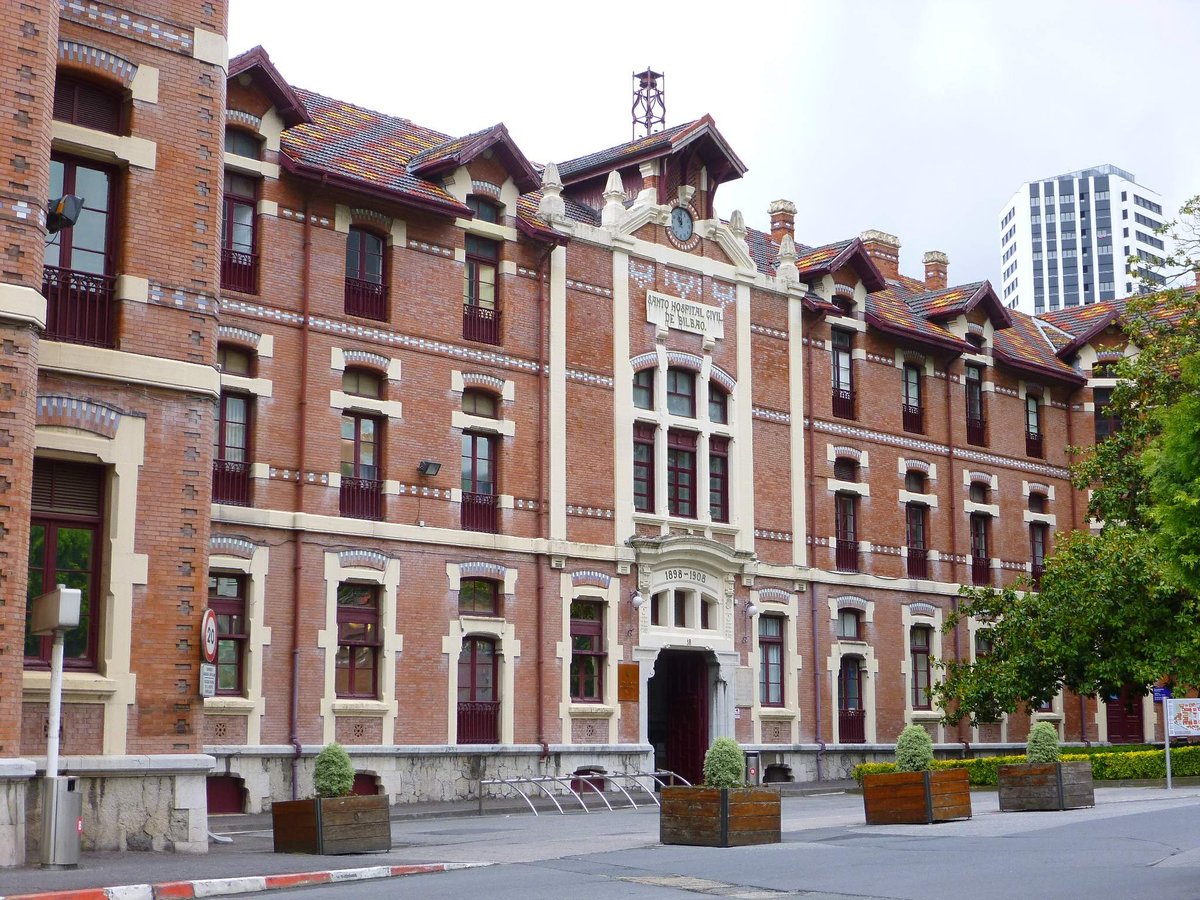
Enrique Epalza’s design marked a departure from fortress-like hospitals, instead emphasizing open, light-filled spaces and specialized care. The original plan included 15 modernist pavilions, each separated by landscaped gardens, and set within the expanding Basurto neighborhood for convenient access and future growth (conocebilbaoconesme.es).
Key features included:
- Pavilion layout for patient segregation and infection prevention
- Gardens as therapeutic and sanitary environments
- Use of local materials and modernist details such as ornamental facades, wrought ironwork, and decorative brickwork
(mascontext.com)
Inauguration and Early Years
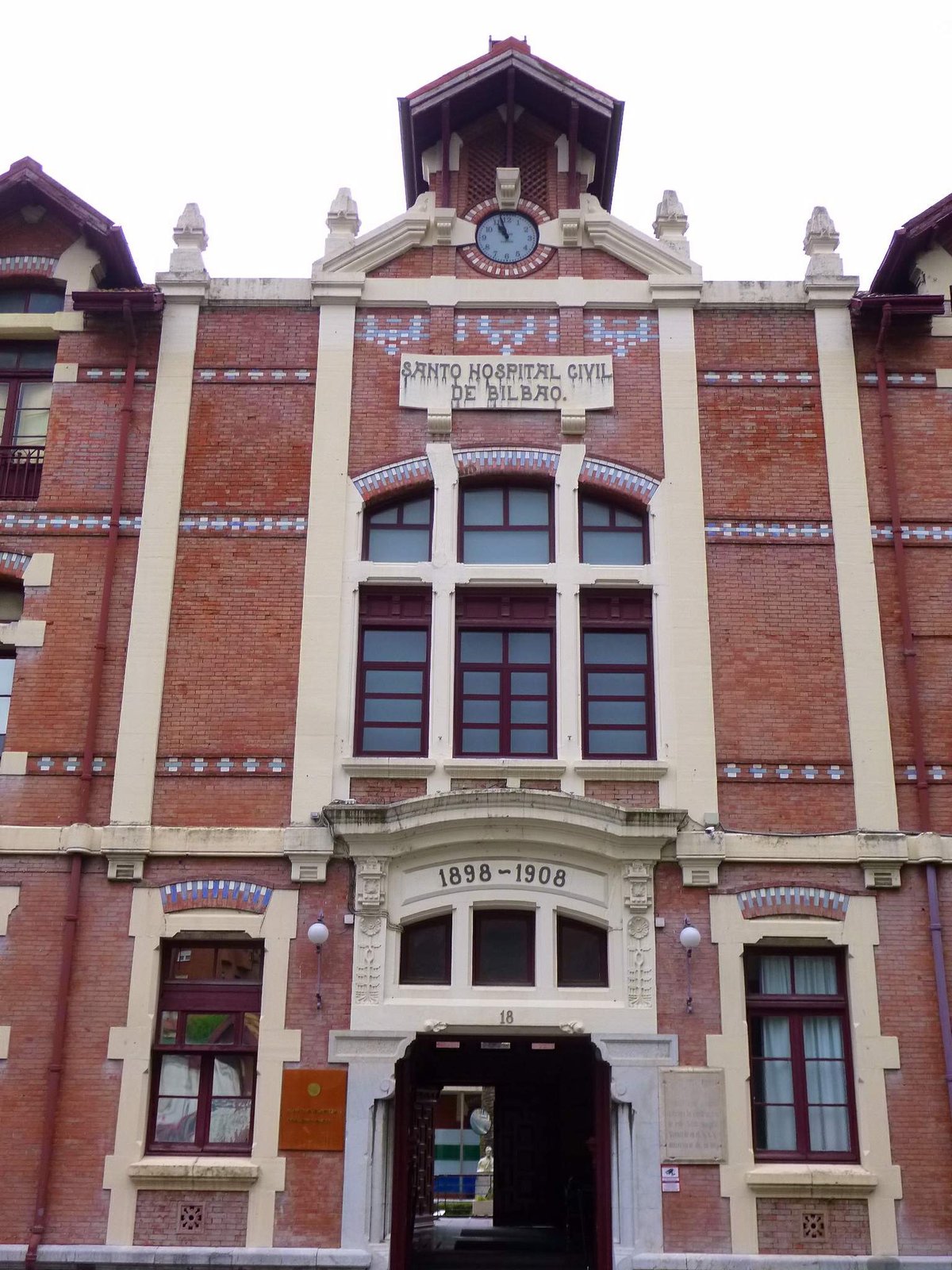
Basurto Hospital officially opened in November 1908, boasting 800 beds—one of the largest capacities in Spain at the time. It was the country’s first general hospital to offer dedicated pavilions for children, mental health, and tuberculosis care. The hospital’s inauguration, attended by royal representatives, marked a milestone in Spanish medical innovation (DEIA).
Evolution Through the 20th Century
Basurto Hospital played a crucial role during the Spanish Civil War, hosting the short-lived University of the Basque Country’s first Faculty of Medicine in 1936 (DEIA). Its crosses atop pavilion roofs served as humanitarian symbols to deter bombings.
Post-war, the hospital expanded its academic mission, reestablishing the Faculty of Medicine in 1970 and adding schools for nursing and physiotherapy. In 1992, Basurto joined the Basque Health Service (Osakidetza), ushering in modernization and integration with regional healthcare (Euskadi.eus).
Basurto Hospital in the 21st Century
Today, Basurto Hospital is a leading teaching and research hospital with nine main pavilions, nearly 700 beds, and over 3,800 staff members (Euskadi.eus). It is equipped with advanced technology—robotic surgery, digital angiography, and cutting-edge radiotherapy—and serves as a reference center for specialties including abdominal wall pathology, ALS, and child and adolescent psychiatry.
Annual activity includes:
- 41,000+ surgical interventions
- 131,000+ emergency cases
- 764,000+ outpatient consultations
- 2,300+ births
Basurto’s commitment to education and innovation remains central, hosting hundreds of medical and nursing students each year and maintaining an active research program.
Architectural Highlights
Basurto Hospital’s modernist pavilions and landscaped setting exemplify early 20th-century healthcare design (mascontext.com). Key architectural features include:
- The grand entrance pavilion with arched windows and symmetrical design
- Decorative brickwork, wrought iron details, and stonework reflecting modernist and Basque traditions
- Wide corridors, natural light, and gardens to promote healing
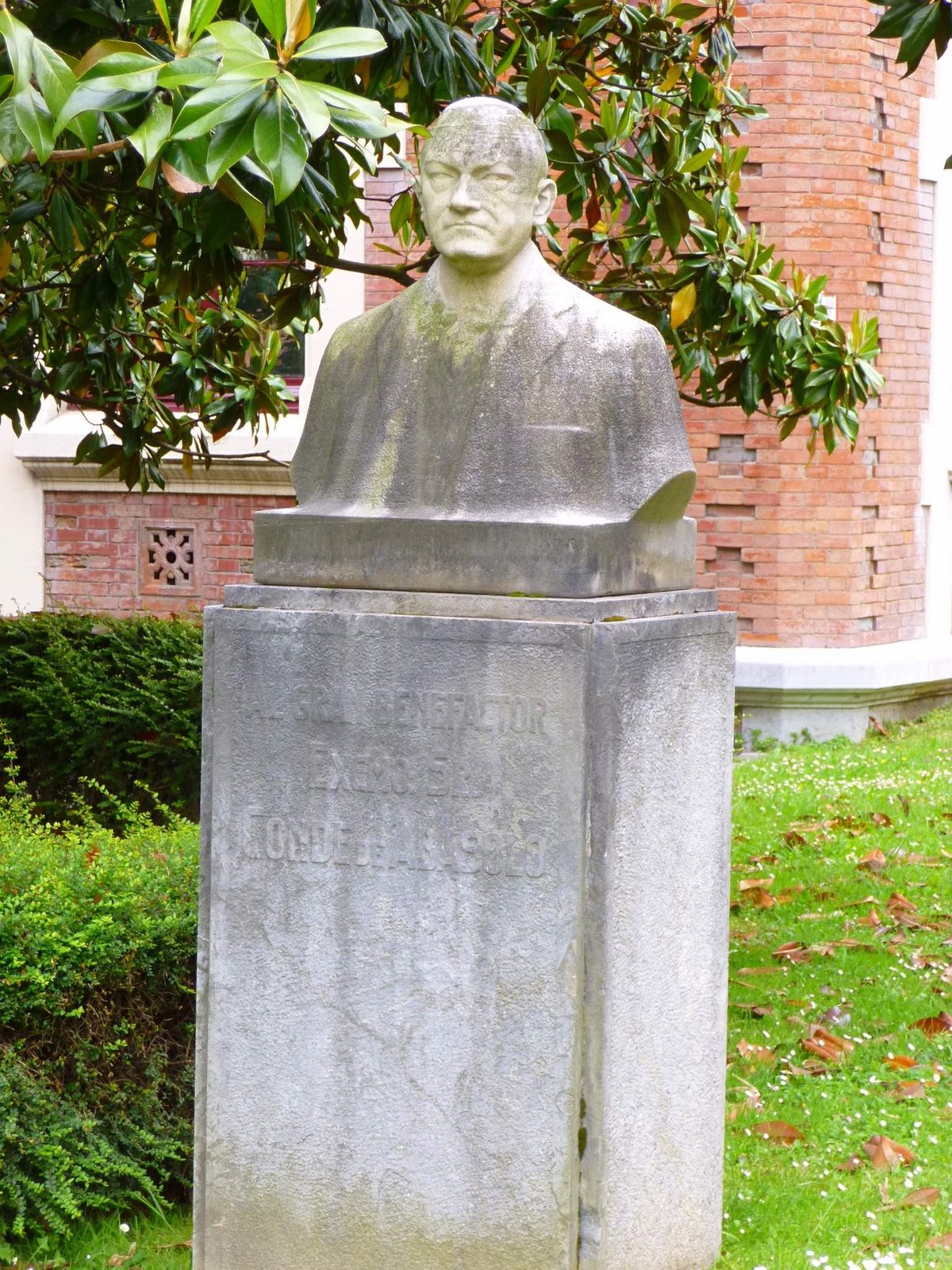
- Commemorative plaques honoring key benefactors (conocebilbaoconesme.es)
Ongoing restoration efforts preserve the original character while accommodating modern healthcare needs (es.wikipedia.org).
Visiting Information
Hours and Access
- General Visiting Hours: 10:00 AM to 8:00 PM daily. Departmental schedules may vary; confirm with the hospital for up-to-date information.
- Tickets: No tickets required for general visits. Special tours or exhibitions may require advance booking.
- Public Access: The grounds, gardens, and exterior pavilions are freely accessible. Interior access is restricted to medical purposes or by arrangement for educational groups (Authentic Basque Country).
Accessibility and Transportation
- Wheelchair Access: Ramps, elevators, and accessible restrooms are available throughout the campus.
- Public Transport: Served by tram and bus lines connecting to central Bilbao. Parking is available for private vehicles.
- Nearby Facilities: Cafés and green areas offer comfortable spaces for visitors.
Visitor Facilities
- Photography: Permitted outdoors; respect patient privacy and avoid photographing interiors.
- Guided Tours: Not routinely available, but special group visits may be organized through the hospital or local tourism offices.
Nearby Attractions
Combine your visit to Basurto Hospital with these Bilbao highlights:
- San Mamés Stadium: Home of Athletic Club Bilbao, just a short walk away
- Casco Viejo (Old Town): Rich in history, dining, and shopping
- Guggenheim Museum Bilbao: An architectural and cultural icon (Guggenheim Museum Bilbao official website)
- Doña Casilda Iturrizar Park: Lush parkland adjacent to the hospital
- Bilbao Fine Arts Museum and the scenic Zubizuri Bridge
These destinations offer a comprehensive experience of Bilbao’s urban and cultural vitality.
Community Impact and Cultural Legacy
Basurto Hospital’s creation was a collective achievement, shaped by the vision and philanthropy of Bilbao’s citizens (bilbao.eus). Over the decades, the hospital has played a vital role in managing public health crises, advancing medical education, and fostering innovation. Its gardens, once designed for infection control, now provide restorative green spaces for patients and visitors.
Cultural traditions, such as the hospital clock chiming during Athletic Club games, further embed Basurto in Bilbao’s social life. Initiatives like therapeutic clown visits for pediatric patients and collaborations with social organizations underscore its commitment to humanizing healthcare (Bilbao Convention Bureau).
In January 2025, Basurto Hospital received the BPSO (Best Practice Spotlight Organization) designation, recognizing its excellence in nursing care (Euskadi News).
Frequently Asked Questions (FAQs)
Q: Can tourists visit Basurto Hospital?
A: The hospital is primarily a working medical facility. While regular tours are not offered, visitors can explore the exterior pavilions and gardens.
Q: What are the general visiting hours?
A: 10:00 AM to 8:00 PM daily, but check with the hospital for specific department schedules.
Q: Is the hospital accessible for people with disabilities?
A: Yes, with ramps, elevators, and accessible facilities throughout the campus.
Q: Are tickets required?
A: No tickets are needed for general visits. Special group tours or exhibitions may require advance arrangements.
Q: What are some nearby historical sites?
A: San Mamés Stadium, Bilbao’s Old Town, Guggenheim Museum, and Doña Casilda Park are all within easy reach.
Q: How do I reach the hospital by public transport?
A: The hospital is well-connected by tram and bus lines. Consult Bilbao’s transit maps for routes.
Summary and Practical Tips
Basurto Hospital is a living monument to Bilbao’s commitment to healthcare, architectural innovation, and community values. Its pioneering design, ongoing modernization, and dedication to public service have left a lasting mark on the city’s landscape and identity. Visitors can appreciate the hospital’s historic pavilions and gardens, enjoy nearby landmarks, and experience Bilbao’s unique blend of tradition and progress.
Visitor Tips:
- Check current visiting hours and access policies before your visit.
- Explore the grounds and gardens, but respect operational areas.
- Use public transport for convenience.
- Enhance your visit by exploring surrounding attractions.
For the most up-to-date information, guided tour opportunities, and cultural insights, download the Audiala app and consult official sources.
Listen to the full story in the app
Your Personal Curator, in Your Pocket.
Audio guides for 1,100+ cities across 96 countries. History, stories, and local insight — offline ready.
Audiala App
Available on iOS & Android
Join 50k+ Curators
Sources
- verified
- verified
- verified
- verified
- verified
- verified
Last reviewed: