Plan and listen to Arenal Bridge with Audiala.
Audio guide in your pocket, itinerary in your browser. Built for the way you actually visit.
Introduction
The Arenal Bridge (Puente del Arenal) stands as one of Bilbao’s most significant architectural and historical landmarks, symbolizing the city’s dynamic transformation from a medieval port to a vibrant, modern metropolis. Connecting the historic Casco Viejo (Old Town) with the bustling Abando district, this bridge is not only a vital crossing over the Nervión River but also a cultural gateway to some of Bilbao’s most cherished sites, including the neo-baroque Arriaga Theatre, Plaza Nueva, and the eclectic La Concordia railway station. Open to the public 24/7 and free of charge, the Arenal Bridge is accessible for pedestrians and vehicles, including those with reduced mobility, and is seamlessly integrated into Bilbao’s public transport and pedestrian infrastructure.
This guide provides a comprehensive overview of the Arenal Bridge’s history, architectural evolution, cultural significance, practical visitor information, and nearby attractions. Whether you’re a history buff, architecture enthusiast, or a traveler seeking the best views and local experiences, the Arenal Bridge is an essential point of interest in Bilbao.
For official updates, planning tools, and event information, consult Bilbao Turismo and Bilbao Visita Virtual.
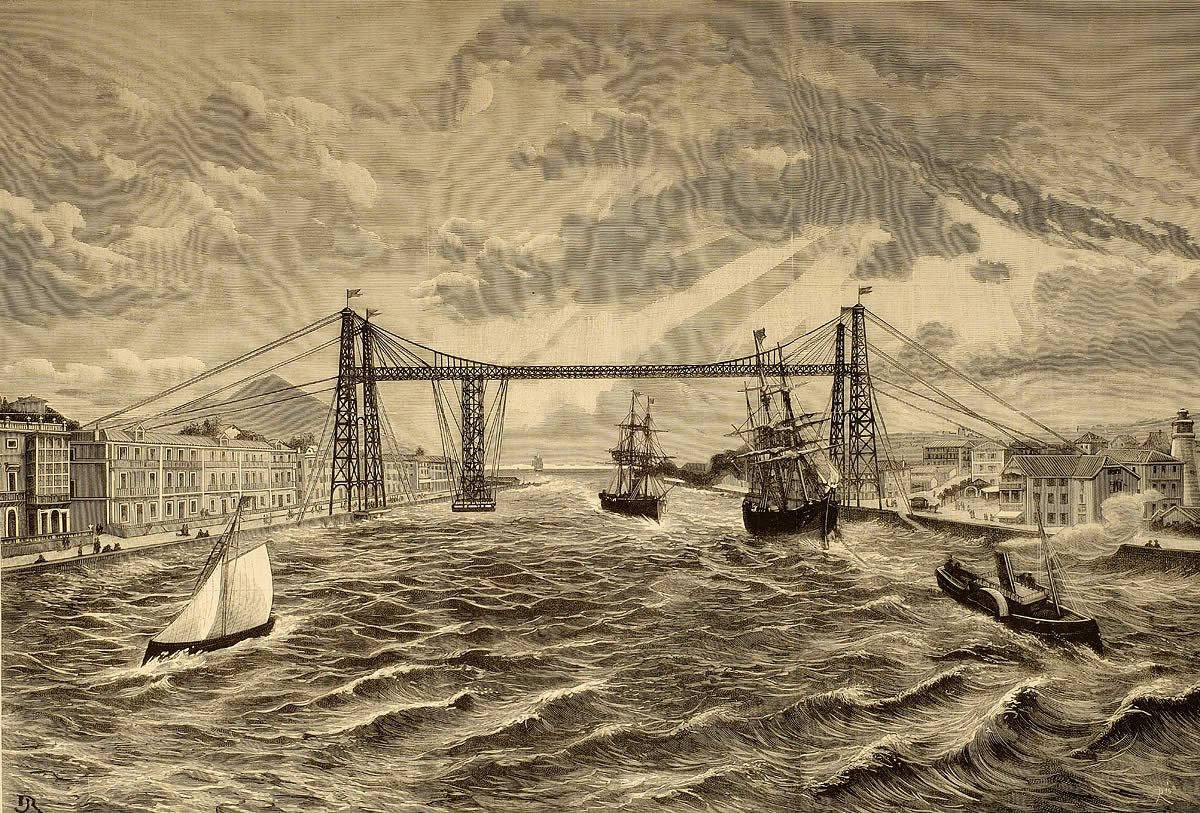
The origins of the Arenal Bridge are closely tied to the explosive growth of Bilbao in the 19th century. Prior to its construction, the only crossings at this part of the Nervión River were by boat or distant bridges, which proved insufficient for increasing urban traffic and trade (es.wikipedia.org; debilbaopues.com). Recognizing the need for better connectivity, the city commissioned Spain’s first cast iron drawbridge in 1845, a technological feat reflecting Bilbao’s maritime prominence.
The bridge’s function and form evolved as the city expanded. The original iron drawbridge, while innovative, faced mechanical challenges and frequent flooding, leading to its eventual replacement by a sturdier stone bridge in 1878. After further damage and urban changes, the current reinforced concrete structure was completed in the 20th century and officially renamed "Puente del Arenal" in 1980 (es.wikipedia.org).


Architectural Evolution
The Iron Drawbridge (1845–1876)
Bilbao’s first cast iron bridge featured a central drawbridge, enabling tall ships to access the city’s thriving port. Initially named “Puente de Isabel II,” locals quickly dubbed it the “Iron Bridge.” Due to mechanical issues and river traffic decline, the drawbridge mechanism was fixed in place by 1866. The bridge soon became toll-free and vital to daily city life (debilbaopues.com).
Stone & Modern Bridges
Recurrent flooding and war-related destruction prompted the construction of a more robust stone bridge in 1878 (es.wikipedia.org). This structure supported Bilbao’s industrial boom and urban expansion. The present bridge, a reinforced concrete design, was finalized in the 20th century, blending modern engineering with classic aesthetics. Recent renovations have removed Francoist-era decorations and restored the bridge’s original character (es.wikipedia.org).
Cultural & Urban Significance
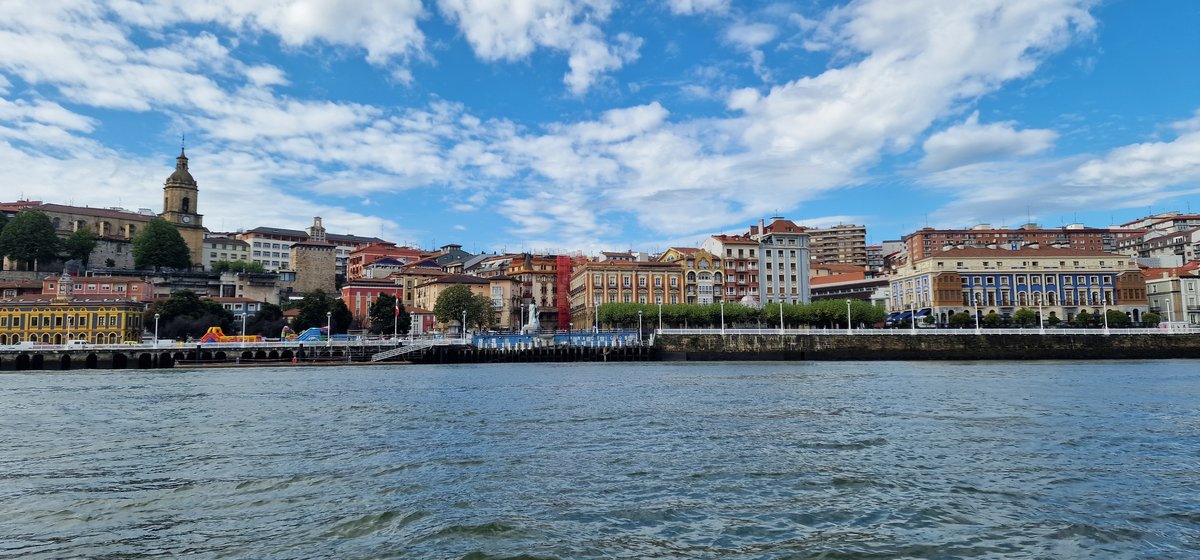
Strategically positioned as the principal gateway to Casco Viejo, the Arenal Bridge anchors the city’s historical and social fabric. Its proximity to the Arriaga Theatre, Arenal Gardens, and Plaza Nueva makes it a focal point for festivals, markets, and community gatherings (bilbaoguest.com). The bridge also facilitated the integration of the Abando district into Bilbao, a critical step in the city’s modernization (thecrazytourist.com).
Surrounded by architectural gems such as the Arriaga Theatre, La Concordia station, and the Bailén Skyscraper, the bridge offers panoramic views and a sense of Bilbao’s evolution.
Visiting Hours & Accessibility
- Open: 24 hours a day, 7 days a week; no entrance fee.
- Accessibility: Fully pedestrian- and wheelchair-friendly with wide sidewalks and ramps.
- Transport: Easy access via metro (Abando station), tram, and bus. Parking is limited; walking or public transport is recommended (Bilbao Visita Virtual).
Best Times to Visit
- Daytime: Enjoy sunlight and city energy; perfect for exploring nearby markets and attractions.
- Sunset & Night: The bridge and city landmarks are beautifully illuminated, making for excellent photography and atmospheric strolls.
- Season: Spring and early autumn feature mild weather and vibrant local events.
Nearby Attractions
- Arriaga Theatre: Neo-baroque venue with tours and performances (comeamaviaja.com).
- Arenal Gardens: Green space ideal for relaxation and open-air events.
- Plaza Nueva: Famous for pintxos bars and lively markets.
- La Concordia Station: Art Nouveau architecture and active railway hub.
- Casco Viejo: Historic Old Town, home to the city's oldest streets, shops, and pintxos bars (indietraveller.co).
- Abando District: The commercial core of modern Bilbao.
Travel Tips
- Wear comfortable shoes for cobblestone streets.
- Combine your bridge visit with a walking tour of Casco Viejo.
- Sunset is ideal for photos; bring a wide-angle lens for panoramic shots.
- The riverside can be breezy; dress in layers outside summer months.
- For markets and festivals, check local schedules (lonelyplanet.com).
Notable Events & Anecdotes
- Wartime Resilience: The bridge was damaged during the Third Carlist War (1874) and later rebuilt, embodying Bilbao’s spirit of recovery (es.wikipedia.org).
- Rediscovered Structure: An original iron arch from the 19th-century bridge was relocated to the Udondo River, preserving a piece of Spain’s industrial heritage.
- Cultural Events: The bridge area regularly hosts the Bilbao Blues Festival, farmers’ markets, and open-air concerts (Bilbao Blues Festival).
Frequently Asked Questions (FAQ)
Is the Arenal Bridge free to visit?
Yes, the bridge is open 24/7 with no entrance fee.
Is it accessible for people with disabilities?
Yes, the bridge and surrounding promenades are wheelchair accessible.
Are guided tours available?
While there are no tours dedicated solely to the bridge, it is included in many walking tours of Bilbao’s historic center.
What are the best photo spots?
From the center of the bridge, you’ll get panoramic views of the river, Arriaga Theatre, and Casco Viejo skyline.
What nearby attractions should I visit?
Highlights include the Arriaga Theatre, Arenal Gardens, Plaza Nueva, La Concordia station, and Casco Viejo.
Summary of Key Milestones
- 1845: Original iron drawbridge constructed, Spain’s first.
- 1866: Drawbridge mechanism deactivated.
- 1870: Toll abolished; bridge becomes free to cross.
- 1874: Damaged by war and flooding.
- 1878: Stone bridge built.
- 1980: Bridge renamed “Puente del Arenal” and Francoist symbols removed.
- Present: Principal gateway linking Bilbao’s historic and modern districts.
Practical Recommendations
- Combine visits: Explore the Arenal Bridge alongside Casco Viejo, the Arriaga Theatre, and Arenal Park.
- Join a walking tour: Many guided tours include the bridge and nearby landmarks.
- Plan for events: Check event calendars for markets, festivals, and concerts in El Arenal Park.
- Use official resources: Download interactive maps and guides from Bilbao Turismo and Bilbao Visita Virtual.
Listen to the full story in the app
The whole Arenal Bridge,
told well.
Audio guides for 1,100+ cities across 96 countries. History, stories, and local insight — offline ready.
Verified, and shown.
Researched and written by the Audiala editorial team from historical records, architectural archives, and local expertise.
Researched from Wikidata, Wikipedia & official sources · fact-checked · How we make our guides →