Plan and listen to The Bunker with Audiala.
Audio guide in your pocket, itinerary in your browser. Built for the way you actually visit.
Introduction & Significance
The Bunkers del Carmel, also known as Turó de la Rovira, are a unique blend of military heritage, urban resilience, and sweeping 360-degree city views. Located 262 meters above sea level, they offer an unparalleled vantage point over Barcelona, including landmarks like the Sagrada Família, Montjuïc, and the Mediterranean coastline. Whether you're a history enthusiast, photographer, or just seeking an authentic local experience, this site is a testament to Barcelona's layered identity (bunkersbarcelona.com, MUHBA Official).
Historical Background
Origins and Strategic Importance
The hill of Turó de la Rovira has been a strategic site since ancient times, with evidence of Iberian settlement and later agricultural use. Its prominence grew dramatically during the Spanish Civil War (1936–1939) as Barcelona faced relentless aerial bombardment by fascist forces (bunkersbarcelona.com, skipthelinebarcelona.com). The elevation made it the ideal location for anti-aircraft defenses.
Construction and Wartime Use
In 1937, the Republican government built a major anti-aircraft battery equipped with four Vickers 105 mm guns and two machine guns, operational by March 1938. The bunkers included reinforced concrete shelters and underground chambers, providing both strategic defense and protection for military personnel (barcatrips.com, salirporbarcelona.com). Despite their efforts, Barcelona suffered significant damage and loss of life during the war.
Post-War Transformation
After the Civil War, the battery was decommissioned, and the site entered a period of neglect. It soon became a shantytown known as “Los Cañones,” where migrants from other parts of Spain built makeshift homes among the bunkers’ remains. The area was also used as a landfill and for broadcasting, reflecting the city's broader postwar challenges (salirporbarcelona.com).
Restoration and Modern Role
Urban renewal ahead of the 1992 Olympics led to the demolition of the shantytown and, later, a comprehensive restoration by the city and the Museu d’Història de Barcelona (MUHBA). The site was officially incorporated into the MUHBA network, with interpretive panels and exhibitions now providing historical context for visitors (bunkersbarcelona.com, barcatrips.com).
Today, the Bunkers del Carmel are a symbol of resilience, community, and the city’s ability to transform and honor its past.
Visitor Information
Visiting Hours
- Outdoor Site: Open 24 hours a day, 7 days a week; accessible at any time.
- MUHBA Exhibition: Generally open weekends from 10:00 AM to 6:00 PM. Check the official MUHBA website for up-to-date hours and events.
Tickets and Admission
- Outdoor Areas: Free of charge; no tickets required.
- MUHBA Exhibition: Entry may require a ticket or fee; guided tours are available for a fee through MUHBA and local operators (barcatrips.com).
Getting There
- Metro: Alfons X (L4, Yellow Line) is the nearest station; expect a 20–30 minute uphill walk.
- Bus: Lines V17, 119, and 24 serve the area. The 119 bus stops at Gran Vista – Pl de la Mitja Lluna, about a 10-minute walk from the site.
- On Foot: Walks from Gràcia or El Carmel neighborhoods are popular but steep.
- Taxi/Rideshare: Convenient for those wanting to avoid the climb, though vehicle access may be limited at peak times.
For route planning, visit Barcelona’s official transport site.
Accessibility
- The site is not wheelchair accessible due to steep and uneven terrain.
- The climb involves stairs and slopes; suitable for visitors with reasonable fitness.
- Contact MUHBA in advance for accessibility assistance if needed.
Best Times to Visit
- Sunset: Most popular and scenic, but can be crowded.
- Sunrise or Weekday Mornings: Quieter, with beautiful light for photography.
- Weather: Summer is hot and dry; bring water and sun protection. Winter is mild but windy; there is no shelter in case of rain (AccuWeather Barcelona).
Facilities and Safety
- No restrooms or food kiosks onsite—buy food and use restrooms before arriving.
- Seating: Concrete platforms and bunker remains serve as informal seating.
- Safety: Area is generally safe, but be cautious with belongings during busy periods. Bring a flashlight for nighttime visits.
What to See & Do
Views and Photography
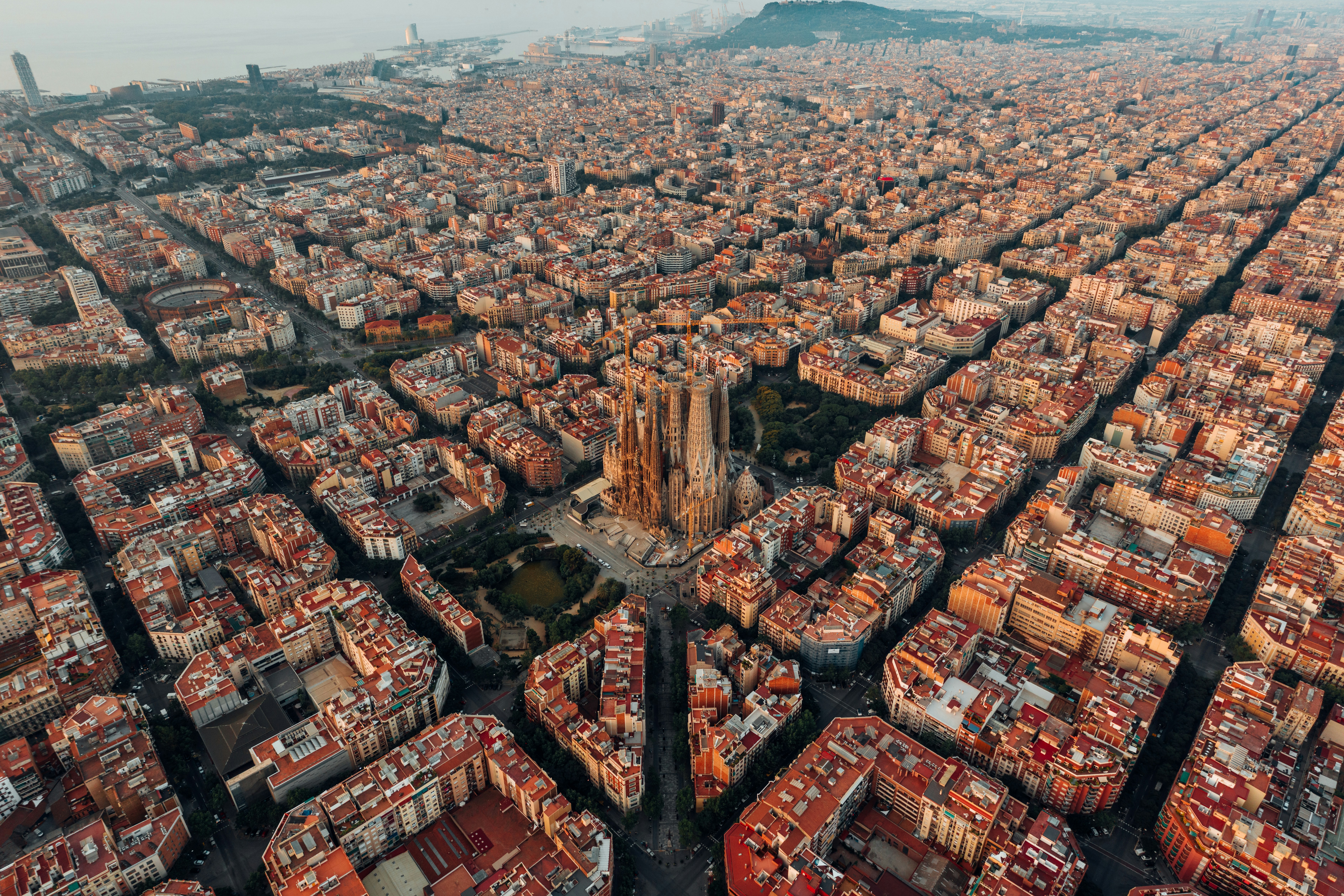
The Bunkers del Carmel offer the best 360-degree views of Barcelona, including the Sagrada Família, Torre Glòries, Montjuïc, the Mediterranean Sea, and the Eixample grid. The site is a favorite for sunset watchers and photographers (Happy to Wander, The Whole World or Nothing). Graffiti and urban art add creative flair, making it an inspiring spot for artists.
MUHBA Turó de la Rovira Exhibition
The on-site MUHBA museum features small exhibitions with photographs, artifacts, and interpretive panels exploring the site's wartime role and later transformation into a shantytown. It offers valuable context for understanding Barcelona’s 20th-century history (Every Steph).
Picnicking and Social Gatherings
The open-air setting has made the Bunkers a local favorite for picnics, music, and casual gatherings. Bring your own food and drinks, as vendors are limited and often expensive. Please clean up after yourself to preserve the site's atmosphere (The Whole World or Nothing).
Nearby Attractions
- Parc Güell: Gaudí’s iconic park is less than 20 minutes away on foot—combine both for a memorable day.
- Gràcia & El Carmel: Explore these neighborhoods for local cafés, bars, and authentic Barcelona culture.
- Parc del Guinardó: Adjacent park for relaxing walks.
Travel Tips & Responsible Tourism
- Arrive early or visit on weekdays for a quieter experience.
- Wear sturdy shoes and bring water.
- Be respectful: Maintain low noise, carry out all trash, and avoid graffiti.
- Pets: Allowed but must be leashed.
- Drones: Use is restricted—check local regulations.
- Weather: Bring sun protection in summer and a jacket in winter; there is no shelter onsite.
Frequently Asked Questions (FAQ)
Q: Are there tickets required to visit the Bunkers del Carmel?
A: No, entry to the outdoor area is free and open 24/7.
Q: Can I visit at night?
A: Yes, but bring a flashlight as there is minimal lighting.
Q: Is the site wheelchair accessible?
A: No, due to steep and uneven terrain.
Q: Are guided tours available?
A: Yes, through MUHBA and local operators. Book in advance for historical tours.
Q: Are there restrooms or food vendors onsite?
A: No, bring your own supplies and use facilities in nearby neighborhoods.
Q: Can I bring pets?
A: Yes, on a leash.
Q: How do I get there by public transport?
A: Metro Alfons X (L4) is the closest, followed by a 20–30 minute walk. Bus lines 24, 119, and V17 also serve the area.
Listen to the full story in the app
The whole The Bunker,
told well.
Audio guides for 1,100+ cities across 96 countries. History, stories, and local insight — offline ready.

Verified, and shown.
Researched and written by the Audiala editorial team from historical records, architectural archives, and local expertise.
Last reviewed
Researched from Wikidata, Wikipedia & official sources · fact-checked · How we make our guides →