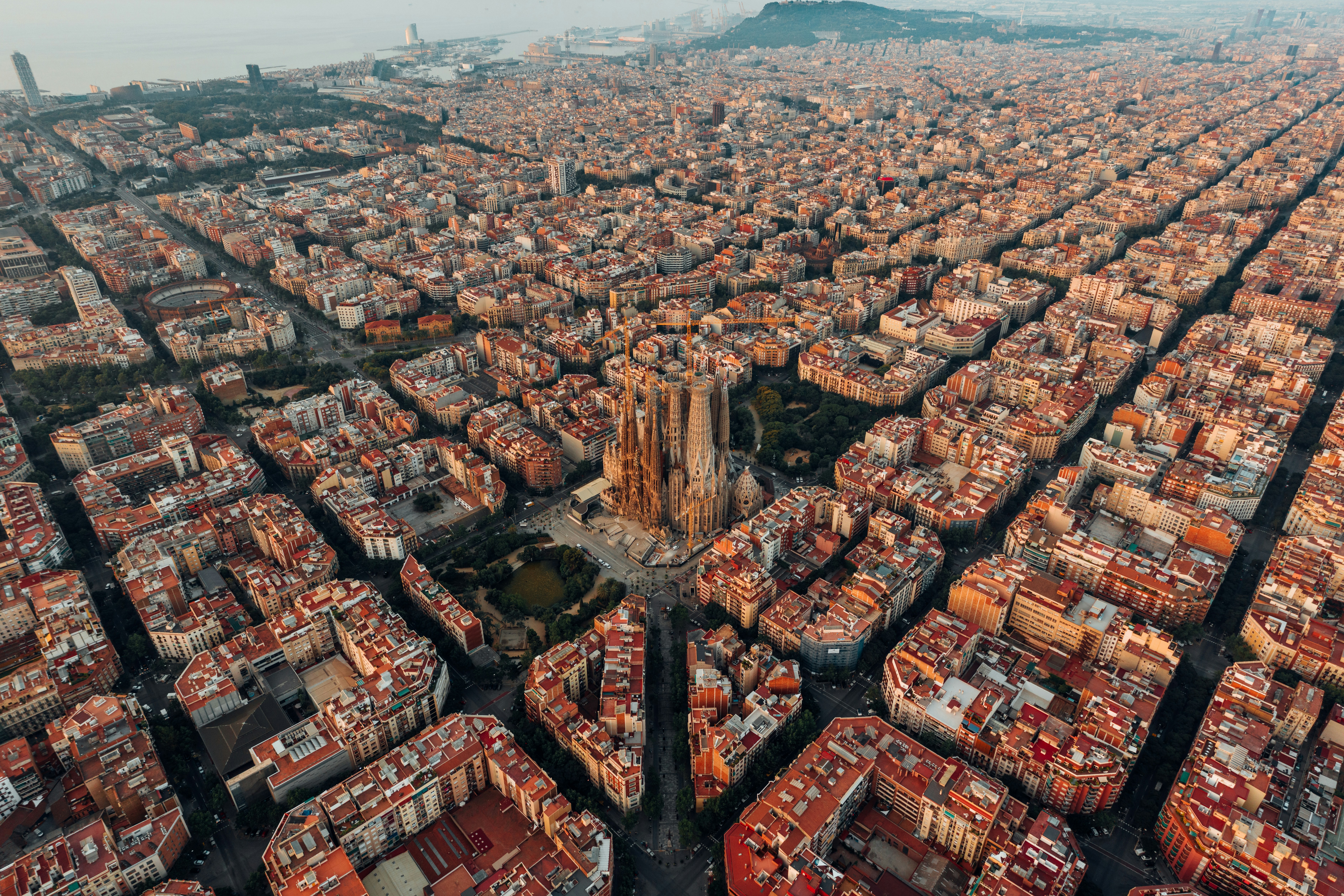
Plan and listen to Teatre Goya with Audiala.
Audio guide in your pocket, itinerary in your browser. Built for the way you actually visit.
Introduction
Teatre Goya, nestled in Barcelona's vibrant El Raval neighborhood, stands as a beacon of cultural and theatrical heritage. Since its establishment in 1914 and the inaugural performance in 1916, it has evolved from a community hub rooted in Aragonese heritage to a dynamic, contemporary theatre. Blending over a century of tradition with modern artistic innovation, Teatre Goya captivates visitors with its storied past, Italianate architecture, and diverse programming. This guide provides all the essential details for a memorable visit, from opening hours and ticketing to accessibility and nearby attractions, ensuring you make the most of your experience at this iconic Barcelona landmark (Teatre Goya Official).
- Historical Overview
- Architectural Features
- Cultural Significance and Programming
- Visitor Information
- Location and Accessibility
- Visiting Tips and Nearby Attractions
- FAQ
- Summary and Key Visitor Information
- Sources
Early Foundations and Inauguration (1914–1916)
Teatre Goya originated as part of the Centro Aragonés de Barcelona, reflecting the city's early 20th-century cultural aspirations (Centro Aragonés de Barcelona). Construction was completed in 1914, and the theatre's first performance was held on September 15, 1916. The venue, initially seating over 1,000 guests, quickly became a focal point for theatre in Barcelona, debuting with works such as "La dicha ajena" and "Herida de muerte."
Transition: Theatre and Cinema (1916–1986)
Originally a stage for celebrated actors like Margarita Xirgu, Teatre Goya transitioned to cinema by 1918, eventually becoming Cine Goya—a beloved movie destination until 1986 (Cinema Treasures). This dual role exemplified the venue's adaptability and its importance in Barcelona's entertainment scene.
Decline, Closure, and Revival (1986–2008)
Due to competition from multiplexes, Cine Goya closed in 1986. It reopened briefly as a theatre but faced structural and financial challenges, leading to closure after 1995. A significant restoration led by Grup Focus in 2004, with support from local institutions, culminated in a 2008 reopening, featuring modern amenities and a reduced seating capacity of around 520 (Centro Aragonés de Barcelona).
Artistic Direction and Modern Legacy (2008–Present)
Under Josep Maria Pou's artistic leadership, Teatre Goya has curated a vibrant repertoire of classics and contemporary works, often in Catalan, and has hosted renowned talents such as Paco Morán, Núria Espert, and Clara Segura. The theatre remains an active participant in Barcelona’s Grec Festival and continues to innovate in its programming (Nit BCN).
Architectural Features
Design and Renovation
Teatre Goya exemplifies early 20th-century Italianate theatre design, featuring a classic horseshoe-shaped auditorium and proscenium arch, optimizing intimacy and sightlines (Teatre Goya - Official). The 2008 renovation by Barnadas Arquitectura preserved the historical essence while modernizing facilities, including acoustics, lighting, and accessibility (Agenda de Teatro).
Context within Ciutat Vella
Situated at Carrer de Joaquín Costa, 68, Teatre Goya enriches Ciutat Vella’s theatre district, alongside Teatre Romea and Teatre Poliorama. Its façade, integrated with the Centre Aragonès, is a testament to Barcelona’s multicultural influences (InTravel). The theatre’s central location makes it a visual and cultural landmark (Taquilla).
Cultural Significance and Programming
Theatrical Excellence and Community Engagement
For over a century, Teatre Goya has hosted iconic premieres and legendary performers, including Margarita Xirgu and Joan Pera. The programming harmoniously blends classic adaptations, contemporary works, and Catalan-language productions, positioning Teatre Goya as both an artistic innovator and cultural guardian (Teatre Goya - Official). Community outreach, educational workshops, and artist talks foster engagement with local residents and the broader public (Agenda de Teatro).
Season Highlights (2024/25)
Teatre Goya’s 2024/25 season features a diverse lineup:
- Contemporary Drama: “Jauría” by Jordi Casanovas, “Adictos” with Lola Herrera
- Classic Adaptations: Arthur Miller’s “El Preu,” Yasmina Reza’s “Art,” “Shirley Valentine” by Willy Russell
- Musicals & Family Shows: “El fil invisible,” a musical adaptation of Míriam Tirado’s book
- Comedy: “Un sogre de lloguer,” “Escape Room 2”
- Festival Collaborations: “El cuarto de atrás” with Grec Festival (Grec Festival)
Programming appeals to a broad audience, including adults, young people, and families (TeatreBarcelona).
Visitor Information
Visiting Hours
- Typical Opening: Tuesday to Sunday; performances usually in the evening (7:00–9:00 PM), with some matinees on weekends.
- Box Office: Generally open 11:00 AM–8:00 PM on performance days.
- Check schedules: Always verify times and dates on the official website before your visit.
Tickets and Booking
- Where to Buy: Online via the official website or at the theatre box office.
- Pricing: €15–€40, depending on the production, seat, and day.
- Discounts: Available for students, seniors, and groups (Taquilla).
- Advance Booking: Recommended, especially for popular shows and festivals.
Accessibility
- Wheelchair Access: Fully accessible auditorium with designated seating and restrooms (InTravel).
- Assistive Devices: Available upon request.
- Family-Friendly: Facilities for visitors with children.
Guided Tours and Special Events
- Tours: Occasional guided tours highlight theatre history and architecture. Check event calendars for availability (Agenda de Teatro).
- Special Events: Includes premieres, festivals, and community workshops.
Location and Accessibility
Teatre Goya is at Carrer de Joaquim Costa, 68, 08001 Barcelona.
Getting There:
- Metro: Universitat (L1, L2), Sant Antoni (L2); both within a 5–10 minute walk.
- Bus: Multiple lines serve the area.
- Foot: 15-minute walk from Plaça Catalunya (Evendo).
- Parking: Limited; public transport is advised.
For detailed travel tips, see Barcelona Travel Tips.
Visiting Tips and Nearby Attractions
- Arrival: Arrive 20–30 minutes early for ticket collection and seating.
- Dress Code: Smart casual is typical; no strict code.
- Photography: Allowed in public areas, but not during performances.
- Dining: Surrounding Raval neighborhood offers diverse restaurants and cafes.
Nearby Attractions:
- Museum of Contemporary Art Barcelona (MACBA)
- University of Barcelona
- Rambla del Raval
- Mercat de Sant Antoni
Combine your theatre visit with exploration of these sites for a complete cultural experience.
FAQ
What are Teatre Goya's visiting hours?
The theatre operates primarily during performance times, evenings Tuesday to Sunday, with some weekend matinees. Box office is open 11:00 AM–8:00 PM on show days; check the official site for updates.
How do I buy tickets?
Purchase online via the official website or at the box office. Advance booking is recommended.
Is Teatre Goya wheelchair accessible?
Yes, accessible seating and facilities are available.
Are there English-language performances?
Most shows are in Catalan or Spanish. Some may feature English surtitles or summaries—check show details.
Are guided tours available?
Occasionally, yes. See the theatre’s events calendar (Agenda de Teatro).
What public transport serves Teatre Goya?
Metro: Universitat (L1, L2), Sant Antoni (L2). Numerous bus lines also stop nearby.
What is the dress code?
Smart casual is typical, but there is no enforced dress code.
Summary and Key Visitor Information
Teatre Goya is a living testament to Barcelona’s rich theatrical tradition and contemporary artistic vitality. Its accessible location, welcoming atmosphere, and diverse programming make it ideal for theatre lovers, cultural explorers, and families alike. Plan your visit by checking show schedules and ticket availability on the official website, arrive early to enjoy the theatre’s ambiance, and don’t miss the chance to explore nearby attractions in the heart of the city. For real-time updates and exclusive content, download the Audiala app and follow Teatre Goya on social media.
Listen to the full story in the app
The whole Teatre Goya,
told well.
Audio guides for 1,100+ cities across 96 countries. History, stories, and local insight — offline ready.

Verified, and shown.
Researched and written by the Audiala editorial team from historical records, architectural archives, and local expertise.
Last reviewed
Researched from Wikidata, Wikipedia & official sources · fact-checked · How we make our guides →