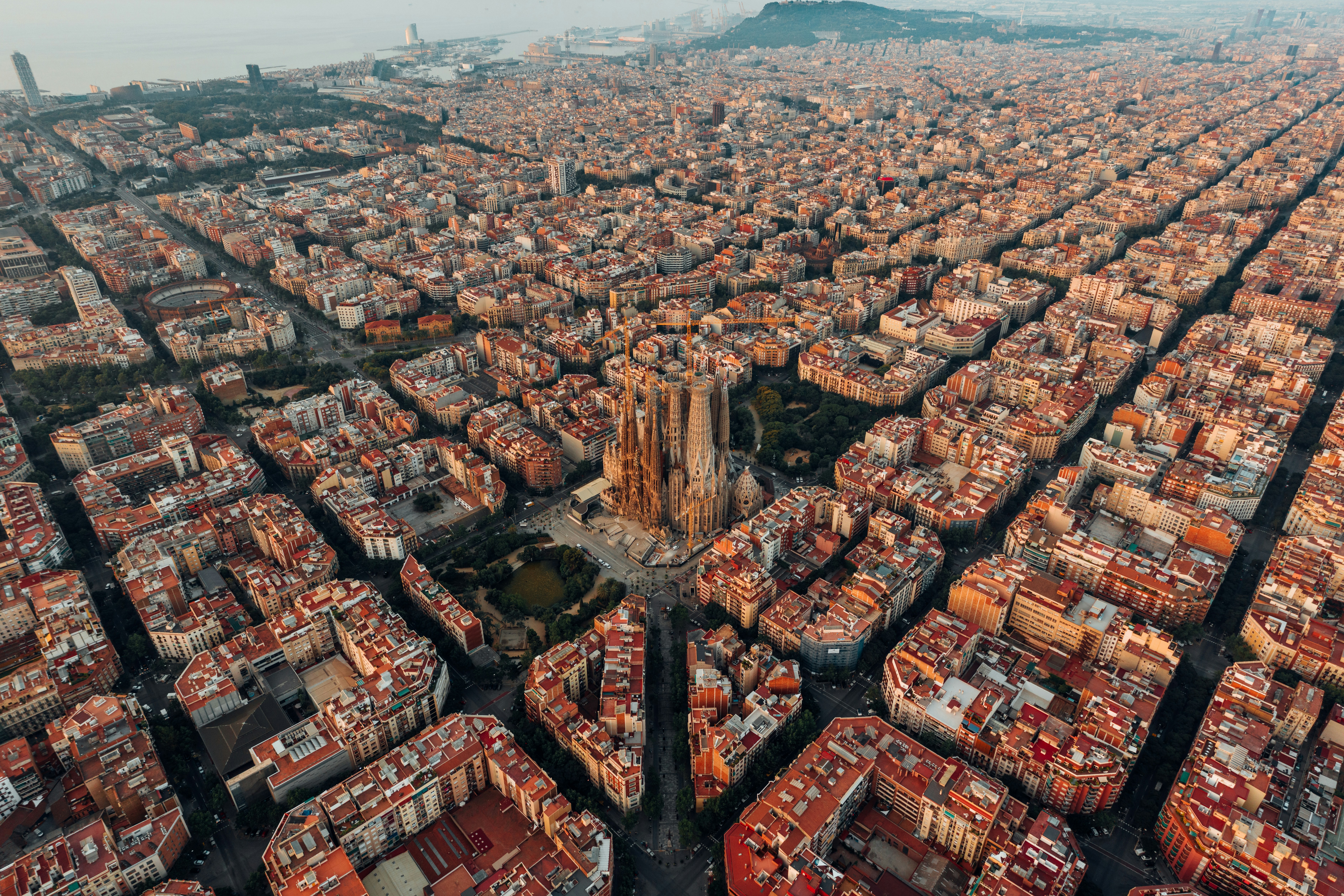
Plan and listen to Teatre Eldorado with Audiala.
Audio guide in your pocket, itinerary in your browser. Built for the way you actually visit.
Introduction
Teatre Eldorado, once a crown jewel of Barcelona’s performing arts scene, has left an indelible mark on the city’s cultural and architectural heritage. While the physical theatre no longer graces the streets of Barcelona—demolished in the late 20th century as part of the city’s urban renewal—its enduring legacy can still be felt through archival collections, cultural tours, and the vibrant theatre scene of nearby venues. This comprehensive guide details Teatre Eldorado’s historical significance, architectural highlights, and practical advice for visitors eager to connect with Barcelona’s rich theatrical tradition.
Origins and Early Development
Teatre Eldorado was inaugurated in 1887 on Gran Via de les Corts Catalanes, during a time of dynamic urban expansion and cultural effervescence in Barcelona. Its name, evoking the mythical “El Dorado,” symbolized the optimism and creative ambitions of a rapidly modernizing city. The theatre quickly became a central venue for a wide range of performances, from zarzuela and operettas to Catalan-language plays and political gatherings, drawing a diverse audience from the city’s burgeoning bourgeoisie and middle class.
Architectural and Artistic Significance
Designed with an eclectic blend of neoclassical symmetry and Modernisme-inspired decoration, Teatre Eldorado’s architecture reflected Barcelona’s evolving urban fabric. The auditorium, seating approximately 1,500 spectators, was renowned for its plush interiors, gilded balconies, and advanced acoustics. Throughout its existence, Eldorado adapted to changing artistic trends, incorporating film screenings in the early 20th century and serving as a hub for both entertainment and civic discourse.
Role in Barcelona’s Cultural Landscape
Eldorado’s strategic location near Plaça de Catalunya placed it at the heart of the city’s theatre district, in close proximity to iconic venues such as Gran Teatre del Liceu and Palau de la Música Catalana. The theatre played a vital role in fostering Catalan identity, particularly during periods of cultural revival and political repression. Its varied programming and commitment to accessibility helped democratize the performing arts in Barcelona.
Decline and Enduring Legacy
By the mid-20th century, Teatre Eldorado faced increasing competition from newer venues and changing entertainment preferences. It underwent several transformations, including a stint as a cinema, before its demolition ahead of the 1992 Olympics. While the original building no longer stands, its memory persists through historical archives, city heritage tours, and the continued vitality of Barcelona’s theatre community (Teatre Eldorado: History, Visitor Information, and Nearby Attractions in Barcelona; Teatre Eldorado Barcelona: History, Visiting Hours, Tickets & Cultural Significance; Teatre Eldorado Barcelona: History, Architecture, and Legacy of a Lost Theatre).
Architectural Highlights
- Auditorium Layout: Horseshoe-shaped, with multiple tiers and private boxes, ensuring optimal acoustics and sightlines.
- Interior Design: Ornate plasterwork, gilded moldings, velvet upholstery, and elegant wood finishes.
- Stage Facilities: Advanced rigging and lighting systems for diverse types of performances.
- Façade: Neoclassical elements with decorative flourishes, contributing architectural grandeur to Plaça de Catalunya.
Visitor Information: Teatre Eldorado Today
Current Status
The original Teatre Eldorado was demolished in 1929, and the site at Plaça de Catalunya, 5, is now occupied by the BBVA building. There are no visiting hours or theatre performances at this location, but the site remains a point of interest for cultural heritage tours.
Exploring Eldorado’s Legacy
While the theatre itself cannot be visited, the surrounding Plaça de Catalunya and Eixample district are rich in cultural attractions. Visitors can connect with Barcelona’s performing arts history by exploring:
- Gran Teatre del Liceu: Barcelona’s legendary opera house on La Rambla, offering guided tours and world-class performances. (Gran Teatre del Liceu)
- Palau de la Música Catalana: A UNESCO World Heritage Site, famous for its Modernisme architecture and vibrant musical programming. (Palau de la Música Catalana)
- Teatre Grec: An open-air amphitheatre on Montjuïc, hosting acclaimed summer festivals. (Teatre Grec)
Guided Tours and Heritage Walks
Several local organizations offer thematic walking tours focusing on Barcelona’s lost theatres and the transformation of Plaça de Catalunya. These tours provide historical context and often include stops at sites associated with Eldorado’s legacy.
Practical Tips for Cultural Exploration
- Getting Around: Use Barcelona’s metro (L1, L3, L5) for convenient access to Plaça de Catalunya and theatre district landmarks (Barcelona Tourist Guide).
- Accessibility: Major theatres nearby offer accessible entrances and facilities; confirm with tour providers for specific needs.
- Photography: While the theatre no longer exists, the area’s architecture and nearby cultural sites provide excellent photographic opportunities.
- Seasonal Advice: July is a lively month with festivals and longer daylight hours; book tours and tickets early to avoid crowds (Barcelona Hacks).
Frequently Asked Questions (FAQ)
Q: Can I visit Teatre Eldorado today?
A: The original theatre was demolished in 1929. However, its site at Plaça de Catalunya can be explored as part of heritage tours and historical walks.
Q: Are there tickets or shows at Eldorado?
A: No performances are held at the former Eldorado site. Tickets are available for shows at nearby venues like Gran Teatre del Liceu and Palau de la Música Catalana.
Q: How do I learn more about Eldorado’s history?
A: Consult local archives, join guided heritage tours, or explore online resources for in-depth information.
Q: What other theatres are worth visiting in Barcelona?
A: Gran Teatre del Liceu, Teatre Nacional de Catalunya, and Teatre Grec are all notable for their programming and architectural interest.
Internal and External Links
- More on Gran Teatre del Liceu
- Discover Festival Grec
- Visit Teatre Nacional de Catalunya
- Barcelona Tourism - La Ciutat del Teatre
- Barcelona Forever - Cultural Destination 2025
- Urban Design Review - Barcelona 1992 Olympic Games and Cultural Policy
- Barcelona Tourist Guide
Discover More
Uncover more about Barcelona’s rich theatrical heritage by joining a guided heritage tour, visiting renowned nearby theatres, or delving into archival resources. Enhance your journey with the Audiala app for guided audio tours, event updates, and exclusive insights into Barcelona’s cultural fabric. Follow official tourism channels and Audiala on social media for the latest news, schedules, and tips for a meaningful visit to the city’s artistic heart.
Experience the enduring spirit of Teatre Eldorado—where history, architecture, and culture converge!
Sources:
- Teatre Eldorado: History, Visitor Information, and Nearby Attractions in Barcelona
- Teatre Eldorado Barcelona: History, Visiting Hours, Tickets & Cultural Significance
- Teatre Eldorado Barcelona: History, Architecture, and Legacy of a Lost Theatre
- Teatre Eldorado Tickets and Visiting Hours: Your Guide to Barcelona's Historic Theatre
Audiala2024
Listen to the full story in the app
The whole Teatre Eldorado,
told well.
Audio guides for 1,100+ cities across 96 countries. History, stories, and local insight — offline ready.

Verified, and shown.
Researched and written by the Audiala editorial team from historical records, architectural archives, and local expertise.
Last reviewed
Researched from Wikidata, Wikipedia & official sources · fact-checked · How we make our guides →