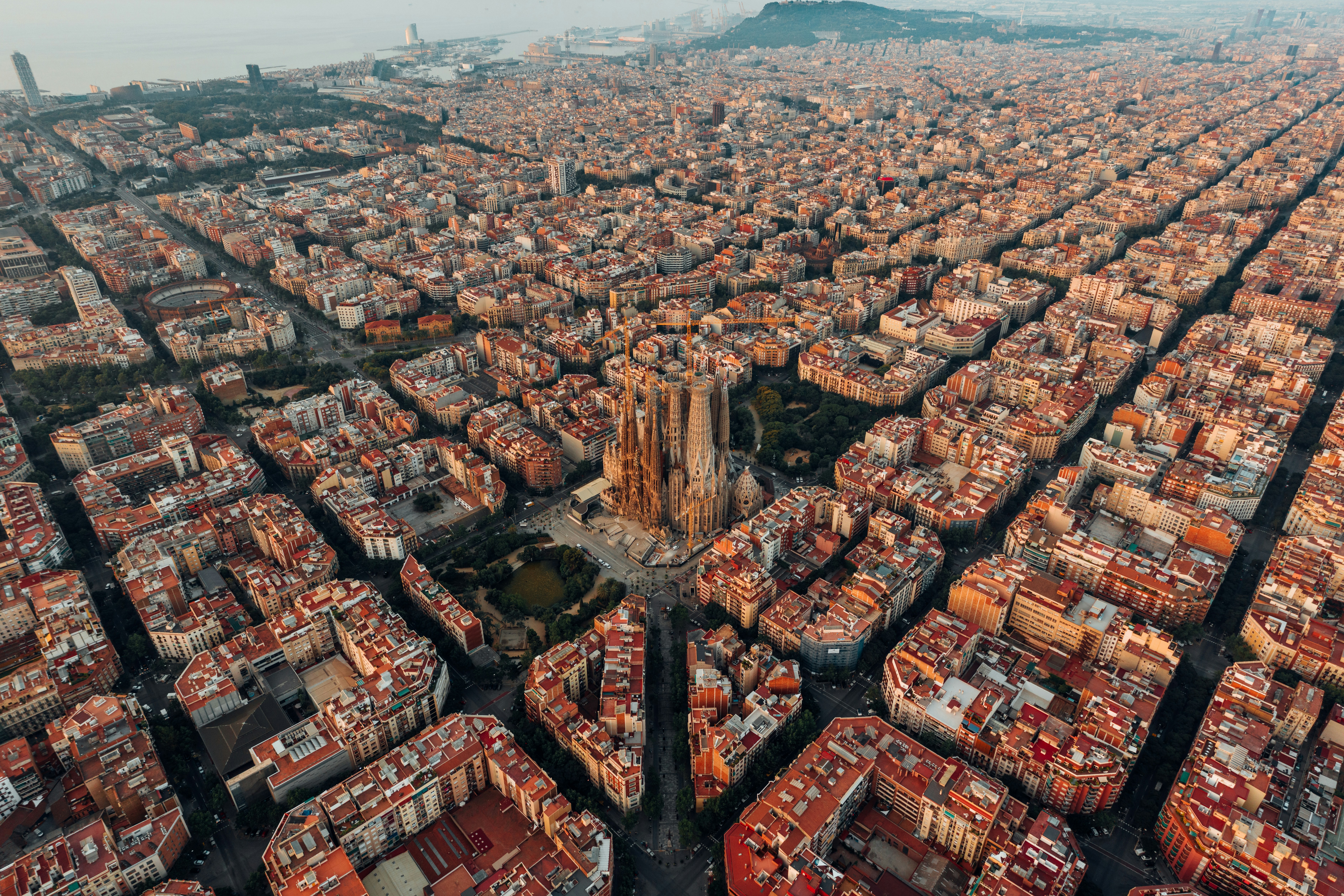
Plan and listen to Sagrada Família Schools with Audiala.
Audio guide in your pocket, itinerary in your browser. Built for the way you actually visit.
Introduction
The Sagrada Família Schools (Escoles de la Sagrada Família) are a lesser-known yet essential part of the iconic Sagrada Família Basilica complex in Barcelona. Designed by Antoni Gaudí in 1909, the Schools exemplify his commitment to merging architectural innovation with social responsibility, originally serving as an educational facility for the children of the basilica's workers as well as local families. Today, the building stands as a UNESCO World Heritage Site and a symbol of progressive education and community spirit, inviting visitors to explore not only Gaudí’s architectural genius but also the social history of early 20th-century Barcelona (architecturelab.net; archeyes.com). This guide provides detailed and up-to-date information on visiting hours, ticketing, accessibility, and tips to enrich your experience at this remarkable Barcelona historical site.
Historical Background and Significance
Origins and Social Mission
The Sagrada Família Schools were conceived by Antoni Gaudí to address the educational needs of the children of construction workers building the basilica, as well as underprivileged children from the neighborhood. Opened in 1909, the Schools embodied Gaudí’s vision of architecture as a means to foster community development and social progress. The institution was led by Magin Espina Pujol, who emphasized both academic rigor and social responsibility (archeyes.com).
Architectural Innovation
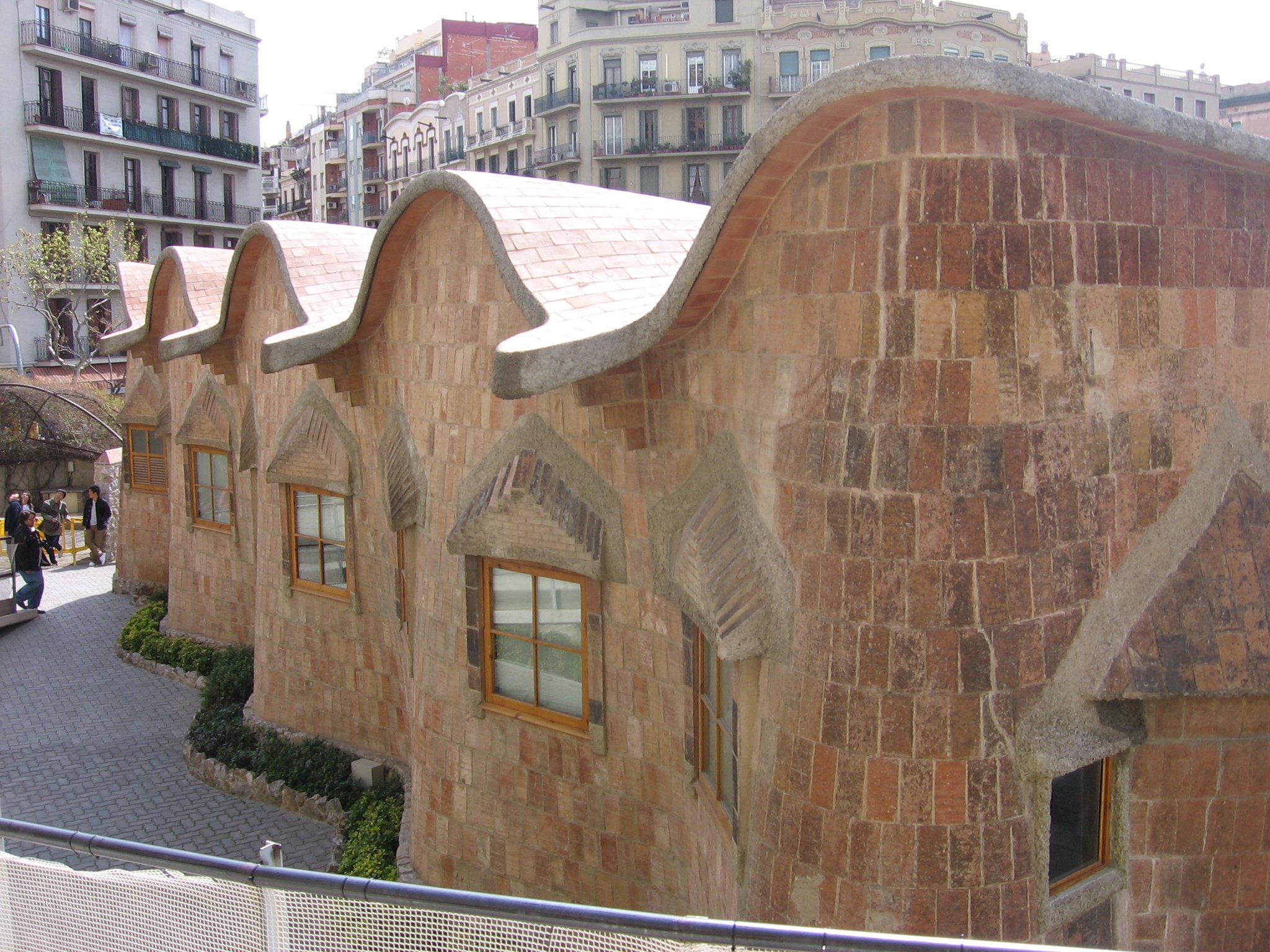
A hallmark of Gaudí’s genius, the Sagrada Família Schools combine practicality and artistry. The building utilizes undulating brick walls and a wavy roof constructed from thin, overlapping layers, providing both structural stability and climate comfort. The organic forms—ahead of their time—feature catenary arches, maximizing natural light and ventilation. Gaudí’s use of local, affordable materials and innovative construction techniques marked the school as a pioneering example of sustainable architecture (visionarystructure.com; illustrarch.com).
Role in Education and Community
From its inception, the school provided a progressive, inclusive curriculum that covered literacy, numeracy, religious instruction, and practical skills. It was open to both boys and girls, reflecting a modern and egalitarian approach to education for its time. The integration of the school within the basilica grounds symbolized the union of faith, work, and learning—a central theme in Gaudí’s philosophy (sagradafamilia.org).
Damage, Restoration, and UNESCO Status
The Sagrada Família Schools suffered significant damage during the Spanish Civil War but were meticulously restored using original plans and techniques. In 2002, the building was carefully relocated within the basilica grounds to facilitate ongoing construction, preserving its architectural integrity. In 2005, the Schools were inscribed as part of the UNESCO World Heritage Site “Works of Antoni Gaudí,” recognizing their cultural and historical importance (sagrada-familia-barcelona.com; architecturelab.net).
Visiting Information
Location and Access
The Sagrada Família Schools are situated within the Sagrada Família Basilica complex, adjacent to the Passion Façade and near Carrer de Sardenya (Finding the Universe). The site is easily accessible via public transportation:
- Metro: L2 (Purple) and L5 (Blue) lines, Sagrada Família station
- Bus: Multiple city bus lines serve the area
- Walking: The complex is 20–30 minutes on foot from the city center (barcelonahacks.com)
Tickets and Booking
Entry to the Sagrada Família Schools is included in all standard Sagrada Família tickets—no separate ticket is required (findingtheuniverse.com). All tickets must be booked online in advance due to high demand and timed entry policies (barcelonalowdown.com). Ticket types include:
- Basic Admission: Basilica, museum, and schools
- Guided Tours: Offered in multiple languages, often including the Schools (sagradafamilia.org)
- Tower Access: Optional add-on
Tip: Book several days or weeks ahead, especially during peak seasons.
Opening Hours
- April to September: 9:00 AM – 8:00 PM
- October to March: 9:00 AM – 6:00 PM
- Special Days/Holidays: Hours may vary; always confirm on the official website
Accessibility
The Schools building is wheelchair accessible, with ramps and smooth pathways. Staff are trained to assist visitors with special needs; advance notice is recommended for tailored support (sagradafamilia.org).
Visitor Amenities and Facilities
- Restrooms, gift shop, and café are available within the basilica complex (not inside the Schools building).
- Security screening is mandatory for all visitors.
- Modest dress code applies: shoulders and knees should be covered.
Highlights and Visitor Experience
Exhibitions and Interactive Elements
Inside the Schools, visitors can:
- Experience a historically recreated classroom, offering a glimpse into early 20th-century education.
- Explore architectural models and exhibits illustrating Gaudí’s construction methods and the Schools’ structural innovations.
- Read interpretive panels in multiple languages detailing the building’s purpose, history, and social context (arquitecturacatalana.cat).
Photography and Guided Tours
- Photography is permitted inside the Schools (no flash or tripods). The undulating roof and classroom recreation provide excellent photo opportunities.
- Guided tours are recommended for deeper insight into the Schools’ history, architecture, and educational philosophy (sagradafamilia.org). Tours are available in several languages and often include other key Gaudí sites.
Nearby Attractions
- Basílica de la Sagrada Família: The main basilica, an architectural marvel and active place of worship.
- Park Güell: Another Gaudí masterpiece, easily accessible by public transport.
- Hospital de Sant Pau: UNESCO World Heritage Site, a 15-minute walk from the basilica.
- Avinguda Gaudí: A lively avenue connecting major Gaudí sites, perfect for strolling and dining.
Frequently Asked Questions (FAQ)
Q: Do I need a separate ticket to visit the Sagrada Família Schools?
A: No, entry is included with all Sagrada Família tickets.
Q: What are the visiting hours?
A: Generally 9:00 AM – 8:00 PM in summer and 9:00 AM – 6:00 PM in winter; check for holiday variations.
Q: Are the Schools wheelchair accessible?
A: Yes, with ramps and accessible paths throughout.
Q: Can I take photographs inside?
A: Yes, non-flash and non-tripod photography is permitted.
Q: Are guided tours available?
A: Yes, guided tours covering the basilica and Schools are available in multiple languages.
Tips for an Enhanced Visit
- Book tickets online in advance to secure your preferred time slot (sagradafamilia.org).
- Visit early or late in the day to avoid peak crowds (travelbinger.com).
- Include the Schools as part of your Sagrada Família visit for a deeper understanding of Gaudí’s social vision.
- Check for special exhibitions and educational programs in advance on the official website.
- Download the Audiala app for audio guides, interactive maps, and real-time updates.
Listen to the full story in the app
The whole Sagrada Família Schools,
told well.
Audio guides for 1,100+ cities across 96 countries. History, stories, and local insight — offline ready.

Verified, and shown.
Researched and written by the Audiala editorial team from historical records, architectural archives, and local expertise.
Last reviewed
Researched from Wikidata, Wikipedia & official sources · fact-checked · How we make our guides →