Plan and listen to Portal De Santa Madrona with Audiala.
Audio guide in your pocket, itinerary in your browser. Built for the way you actually visit.
Introduction
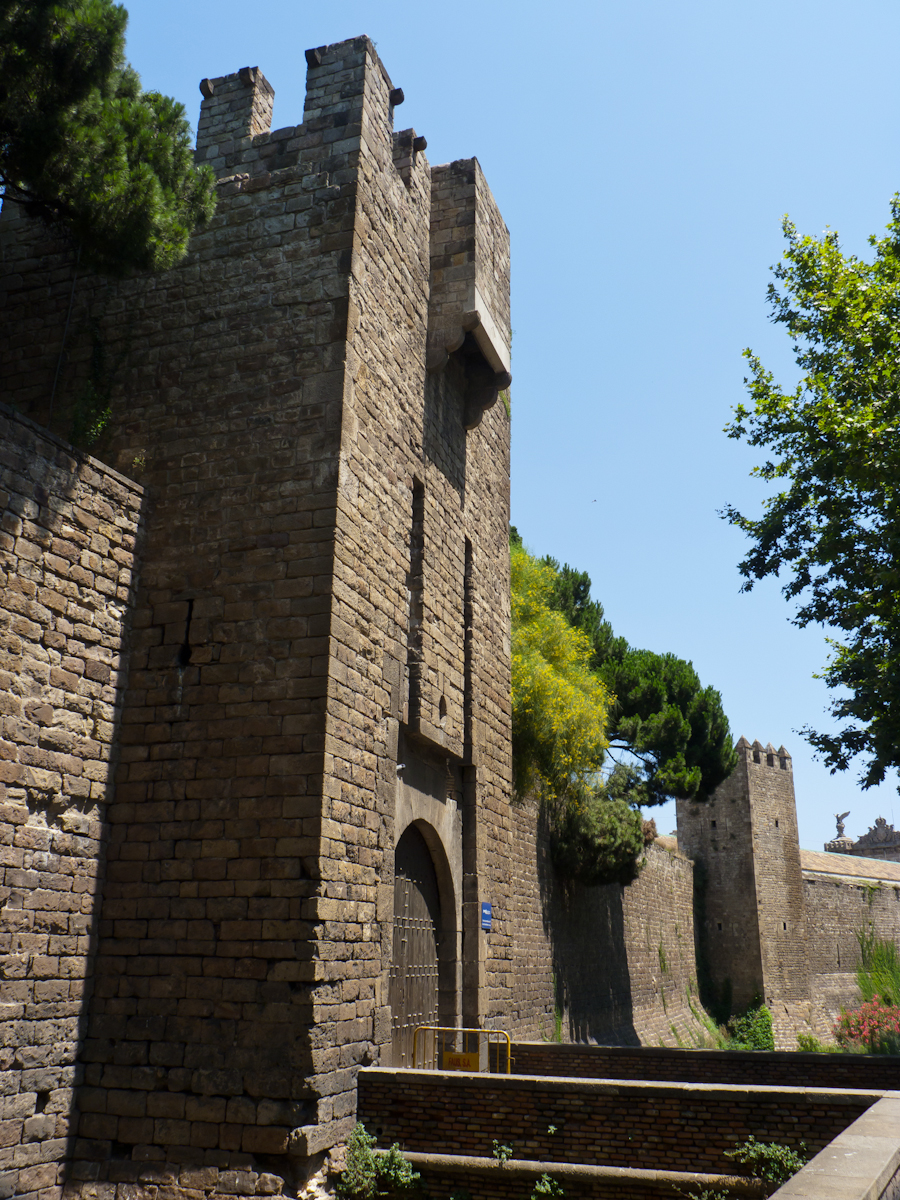
Nestled in Barcelona’s historic Ciutat Vella district, the Portal de Santa Madrona is a rare survivor of the city’s medieval fortifications. Built between 1356 and 1389 under King Peter IV of Aragon, this Gothic gateway was once the southern entry point through Barcelona’s third set of city walls, the Muralla de la Rambla (Raval walls). Named for Saint Madrona, a revered protector of the city, the portal embodies both defensive strength and spiritual symbolism. Today, it stands as a testament to Barcelona’s layered history, inviting visitors to experience medieval architecture amid the vibrant surroundings of El Raval and the city’s maritime quarter. Whether you’re a history enthusiast, an architecture lover, or a curious traveler, the Portal de Santa Madrona offers an immersive journey into the city’s past.
For current visiting hours and special tours, consult the official Museu Marítim de Barcelona and Ajuntament de Barcelona cultural heritage websites.
- Overview & Historical Significance
- Architectural Features
- Visitor Information
- Conservation & Community Role
- Preservation & Restoration
- Frequently Asked Questions (FAQ)
- Plan Your Visit
- References
The Portal de Santa Madrona is the only remaining gate from Barcelona’s 14th-century city walls. Its pointed Gothic arch, robust towers, and Montjuïc stone construction reflect the city’s strategic military past. More than a defensive structure, the portal was a symbolic threshold, named for the city’s co-patron saint, Santa Madrona. Over the centuries, it has witnessed critical historical events, including the Catalan Civil War and the War of the Spanish Succession, and survived the widespread demolition of city walls in 1854 due to its heritage value.
The gate now acts as a bridge between eras, blending medieval architecture with the lively atmosphere of contemporary El Raval and the maritime district.
Architectural Features
- Materials: Built with durable, locally quarried Montjuïc stone.
- Design: Features a pointed Gothic arch flanked by two defensive towers equipped with arrow slits and machicolations.
- Walls: Sections reach up to 8 meters high and 2 meters thick, emphasizing their defensive function.
- Symbolism: Traces of heraldic shields and stone carvings can still be seen above the arch, though much original ornamentation has weathered away.
- Integration: Sits adjacent to the Museu Marítim de Barcelona and the peaceful Jardines del Baluard, allowing visitors to appreciate the historic fortifications in a modern urban setting.
Visitor Information
Visiting Hours
- Open Days: First, third, and fourth Sundays of each month
- Hours: 11:00 AM – 2:00 PM
(Hours may occasionally change due to events or maintenance; check official listings before your visit.)
Admission & Tickets
- Entry: Free of charge; no reservation needed
- Tours: Guided tours may be available during open days or special events
Guided Tours & Events
On open Sundays, historical reenactments by the Associació de Recreació Històrica de la Coronela de Barcelona enliven the site with period costumes and ceremonial guard changes. These events offer an engaging look at the city’s 18th-century military history. For details on guided tours and special events, visit the Museu Marítim de Barcelona.
Accessibility
- The entrance is at street level.
- Access to the Jardines del Baluard (on top of the wall) is via stairs; no ramps or elevators are currently available.
- For visitors with mobility challenges, contact the museum’s visitor services in advance for updated accessibility information.
Getting There
- Address: Avinguda de les Drassanes, s/n, 08001 Barcelona
- Metro: Drassanes (L3)
- Bus: Lines D20, H14, V13, and 59
- Walking: A short stroll from the Gothic Quarter, La Rambla, and Columbus Monument
- Parking: Very limited; public transportation or walking is strongly recommended
Nearby Attractions & Photo Spots
- Museu Marítim de Barcelona: Located next door in the historic Royal Shipyards
- Jardines del Baluard: Public gardens atop the medieval walls, offering panoramic city views
- Gothic Quarter & La Rambla: Both within easy walking distance
- Photographic Opportunities: The portal’s illuminated stonework and surrounding gardens are especially striking during evening open days or festival events
Conservation & Community Role
The portal is a Bien de Interés Cultural and a symbol of civic pride for Barcelona. Through the efforts of the city council, heritage organizations, and community groups, it has become more than an architectural relic:
- Cultural Hub: Hosts concerts, family activities, and neighborhood festivals such as the Festa Major de Santa Madrona.
- Education: Acts as an open-air classroom with interpretive panels and guided visits coordinated by the Maritime Museum.
- Urban Renewal: The surrounding area has been revitalized, transforming former nightlife zones into family-friendly gardens and cultural spaces.
Preservation & Restoration
- Restoration: Major works in the 20th and 21st centuries stabilized the structure, replaced damaged stones, and removed inappropriate modern additions (benito.com).
- Modern Lighting: New RGBW LED lighting highlights architectural details for night-time visitors without damaging the stonework.
- Ongoing Care: Regular inspections, environmental monitoring, and rapid-response repairs safeguard the portal’s longevity.
- Community Involvement: Restoration and events are supported by municipal funding, grants, and volunteer programs.
Frequently Asked Questions (FAQ)
Q: What are the Portal de Santa Madrona visiting hours?
A: The portal and gardens are open the first, third, and fourth Sundays each month from 11:00 AM to 2:00 PM.
Q: Is there an entrance fee?
A: No, admission is free.
Q: Are guided tours and reenactments available?
A: Yes, especially during open days. Check the Museu Marítim de Barcelona for up-to-date schedules.
Q: Is the site accessible for wheelchair users?
A: The entrance is level, but access to the gardens requires stairs. There are no ramps or lifts at present.
Q: Can I take photos?
A: Yes, personal photography is allowed. Tripods and professional equipment may require authorization.
Q: Where are the nearest public transport stops?
A: Metro (Drassanes, L3) and several bus lines stop nearby.
Q: Are there restroom or café facilities?
A: No facilities at the portal, but the nearby Maritime Museum offers restrooms and a café.
Plan Your Visit
- Arrive Early: The portal is only open for a few hours on specific Sundays and can be popular, especially during festivals and reenactments.
- Combine with Nearby Sites: Visit the Museu Marítim de Barcelona, stroll La Rambla, or explore the Gothic Quarter.
- Check for Events: Consult official sources for information about special events, guided tours, or changes to visiting hours.
- Accessibility: If you have mobility needs, contact the museum in advance.
- Prepare for Weather: The gardens are open-air, with limited shade. Dress appropriately and check for weather-related closures.
Listen to the full story in the app
The whole Portal De Santa Madrona,
told well.
Audio guides for 1,100+ cities across 96 countries. History, stories, and local insight — offline ready.

Verified, and shown.
Researched and written by the Audiala editorial team from historical records, architectural archives, and local expertise.
Last reviewed
Researched from Wikidata, Wikipedia & official sources · fact-checked · How we make our guides →