Plan and listen to Plaça Urquinaona with Audiala.
Audio guide in your pocket, itinerary in your browser. Built for the way you actually visit.
Introduction: The Urban Heart of Barcelona
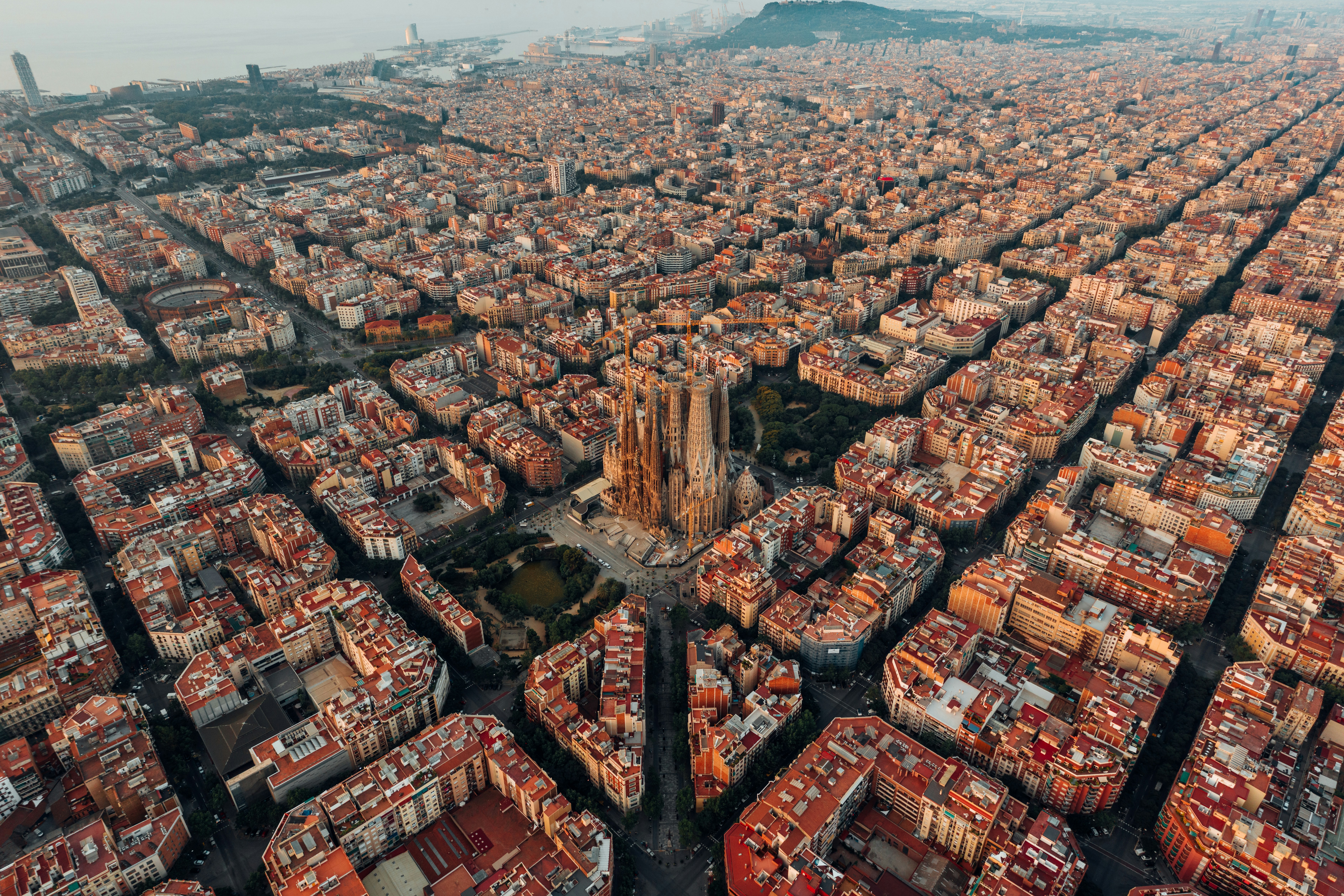
Nestled at the intersection of Barcelona’s historic Gothic Quarter and the modern Eixample district, Plaça Urquinaona is a vibrant square that reflects the city’s evolution from a walled medieval stronghold into a cosmopolitan European hub. Created in 1857 after the demolition of the city’s old bastions, the square has become a dynamic center for transport, culture, and daily life. It serves as both a tranquil green respite and a bustling crossroads, surrounded by architectural landmarks and offering immediate access to some of Barcelona’s most celebrated attractions (Wikipedia, La Barcelona de antes).
This guide explores Plaça Urquinaona’s historical background, architectural features, practical visitor information, safety tips, and nearby points of interest, ensuring that your visit is both enjoyable and insightful.
Historical Background
Origins and Urban Development
Plaça Urquinaona’s origins trace to 1857, during a period of dramatic urban change in Barcelona. The city’s medieval walls and bastions—including the Sant Pere and Jonqueres—were demolished, paving the way for the Eixample expansion. Although not part of Ildefons Cerdà’s original grid, the square emerged as a practical solution to the irregularities created by intersecting major roads and remnants of old fortifications (La Barcelona de antes).
Naming and Cultural Significance
Initially known as Plaça Nova de Jonqueres, the square was renamed in 1883 to honor Bishop José María de Urquinaona y Vidot, a prominent civic and religious figure. Over the years, its shifting names have reflected Barcelona’s political and cultural changes, culminating in the official designation as Plaça d’Urquinaona in 1980 (Wikipedia).
Architectural Evolution & Key Features
Urban Ambiance and Layout
Spanning over 18,000 square meters, Plaça Urquinaona features a large green central garden, framed by mature trees and plantings. The plaza’s irregular shape results from its position at a major urban crossroads, where streets such as Ronda Sant Pere, Via Laietana, and Carrer de Pau Claris converge (La Barcelona de antes).
Notable Buildings
- Torre Urquinaona: Dominating the skyline, this rationalist skyscraper from the 1970s highlights Barcelona’s embrace of modernist and functionalist architecture. While the popular “Unlimited Barcelona” observation deck is currently closed, the building remains a photography favorite (Evendo, Museos.com).
- Casa Isabel Manegat: Built in 1869, this residential building preserves original 19th-century features, offering a window into the area’s past (La Barcelona de antes).
- Teatre Borràs: A historic theater founded in 1931, adding a cultural layer to the square.
Lost Modernist Heritage
A notable loss was the early 20th-century modernist templete (pavilion) that once graced the metro entrance. Its demolition in 1972 sparked calls for reconstruction, reflecting local appreciation for architectural heritage (La Barcelona de antes).
Visitor Information
Visiting Hours & Tickets
- Square Access: Open 24/7 with no entry fee.
- Nearby Attractions: Ticketed sites such as Palau de la Música Catalana and Teatre Borràs have separate hours and fees. Check their official websites for up-to-date schedules and pricing.
Getting There & Accessibility
- Metro: Served by lines L1 (Red) and L4 (Yellow); Urquinaona station is beneath the square.
- Bus: Multiple city lines stop nearby.
- Walking: Centrally located, walkable from Plaça de Catalunya, Gothic Quarter, and Passeig de Gràcia.
- Accessibility: The square and metro stations are equipped with ramps and elevators, ensuring barrier-free access (Barcelona Tourist Guide).
Best Times to Visit
For a quieter experience, visit during early mornings or on weekdays. Evenings offer lively ambiance, with illuminated buildings and bustling cafés.
Guided Tours & Events
Plaça Urquinaona features in many guided walking tours covering the Eixample, Gothic Quarter, and Modernist Barcelona. Occasional public events and cultural festivities also take place here—check the city’s events calendar for details.
Nearby Attractions
- Palau de la Música Catalana: A UNESCO-listed Modernist concert hall, just a 3-minute walk away.
- Gothic Quarter: Medieval streets and landmarks including the Barcelona Cathedral and Plaça del Rei.
- Passeig de Gràcia: Barcelona’s luxury shopping avenue, home to Gaudí’s Casa Batlló and Casa Milà.
- El Born District: Bohemian neighborhood with the Picasso Museum and Santa Maria del Mar church.
- La Rambla & Mercat de la Boqueria: Iconic boulevard and lively food market, about 7 minutes on foot.
Practical Tips & Safety Advice
Transport & Parking
- Public Transport: Metro (L1, L4), extensive bus network, and Aerobus (airport transfer) via nearby Plaça Catalunya.
- Parking: SABA Plaça Urquinaona Car Park offers advance reservations and unlimited in/out for multi-day bookings (SABA Plaça Urquinaona Car Park).
- Driving: As of 2025, all foreign vehicles need a permit to drive in Barcelona (Barcelona Traffic Regulations).
- Taxis: Readily available; fares posted on window. Uber and rideshare services are currently banned (Barcelona Ride Options).
Money, Tipping & Daily Essentials
- Currency: Euro (€)
- Tipping: Not customary but a small tip (up to 5%) for good service is appreciated (Barcelona Travel Guide).
- Cards/Cash: Most places accept cards, but carry some cash for small transactions.
Health, Dining, and Essentials
- Water: Tap water is safe to drink.
- Pharmacies: Abundant, with some open 24 hours.
- Weather: Mediterranean climate; July averages 28–30°C (82–86°F). Bring sun protection.
- Dining: Lunch from 1:30–3:30 pm, dinner from 8:30–10:30 pm. Many cafés and tapas bars nearby (Barcelona Travel Guide).
Safety Advice
- Pickpocketing: Remain vigilant, use zipped bags or anti-theft gear (Urban Abroad).
- Scams: Avoid engaging with persistent street vendors or unsolicited offers.
- Night Safety: Square is generally safe, but avoid poorly lit or deserted areas at night; exercise extra caution in areas like El Raval after dark (Urban Abroad).
- Protests: Occasional demonstrations may occur; stay informed and avoid large gatherings.
Accessibility
The square and its surroundings are accessible for those with mobility challenges. Elevators and ramps are present in the metro and public spaces.
Frequently Asked Questions (FAQ)
Q: Is there an entry fee for Plaça Urquinaona?
A: No, the square is free and open to the public at all times.
Q: How do I reach Plaça Urquinaona?
A: By metro (L1, L4), bus, or a short walk from Plaça de Catalunya.
Q: Are guided tours available?
A: Yes, many walking tours of the Gothic Quarter and Eixample begin at or pass through the square.
Q: Is the area safe for solo and female travelers?
A: Yes, but standard city precautions apply; remain vigilant against pickpockets (Urban Abroad).
Q: Can I park near Plaça Urquinaona?
A: Yes, several parking garages are available, including SABA Plaça Urquinaona Car Park.
Q: Are there facilities for people with disabilities?
A: Yes, the square and metro stations are accessible.
Discover More
Ready to discover Plaça Urquinaona and its surroundings? Download the Audiala app for expert-guided tours, interactive city maps, and real-time updates on events and safety tips. Follow us on social media for exclusive content and share your experiences to inspire fellow travelers!
Listen to the full story in the app
The whole Plaça Urquinaona,
told well.
Audio guides for 1,100+ cities across 96 countries. History, stories, and local insight — offline ready.

Verified, and shown.
Researched and written by the Audiala editorial team from historical records, architectural archives, and local expertise.
Last reviewed
Researched from Wikidata, Wikipedia & official sources · fact-checked · How we make our guides →