Plan and listen to Plaça Del Rei with Audiala.
Audio guide in your pocket, itinerary in your browser. Built for the way you actually visit.
Introduction
Nestled in the heart of Barcelona's Gothic Quarter, the Palau del Lloctinent, or Lieutenant's Palace, stands as a captivating testament to the rich historical tapestry of Catalonia. Constructed between 1549 and 1557, this architectural marvel originally served as the residence of the Viceroy of Catalonia, a position established by the Spanish Crown to govern the region. The palace's design is a unique blend of Gothic and Renaissance styles, reflecting the architectural transition of the period. The Palau del Lloctinent is not only significant for its architectural beauty but also for its cultural heritage, housing the Archive of the Crown of Aragon, one of Europe's most important historical archives (source). Today, it serves as a vibrant cultural hub, offering guided tours, exhibitions, and events that attract scholars, historians, and tourists alike. Whether you're a history buff, architecture enthusiast, or simply a curious traveler, the Palau del Lloctinent offers a fascinating glimpse into Barcelona's past and present.
Palau del Lloctinent - Visiting Hours, Tickets, and Historical Insights in Barcelona
Origins and Construction
The Palau del Lloctinent was constructed between 1549 and 1557 to serve as the residence of the Viceroy of Catalonia, a position established by the Spanish Crown to govern the region. The palace's architectural design reflects the transitional period from Gothic to Renaissance styles. Its austere stone façade and elegant windows are emblematic of Renaissance influence.
Architectural Significance
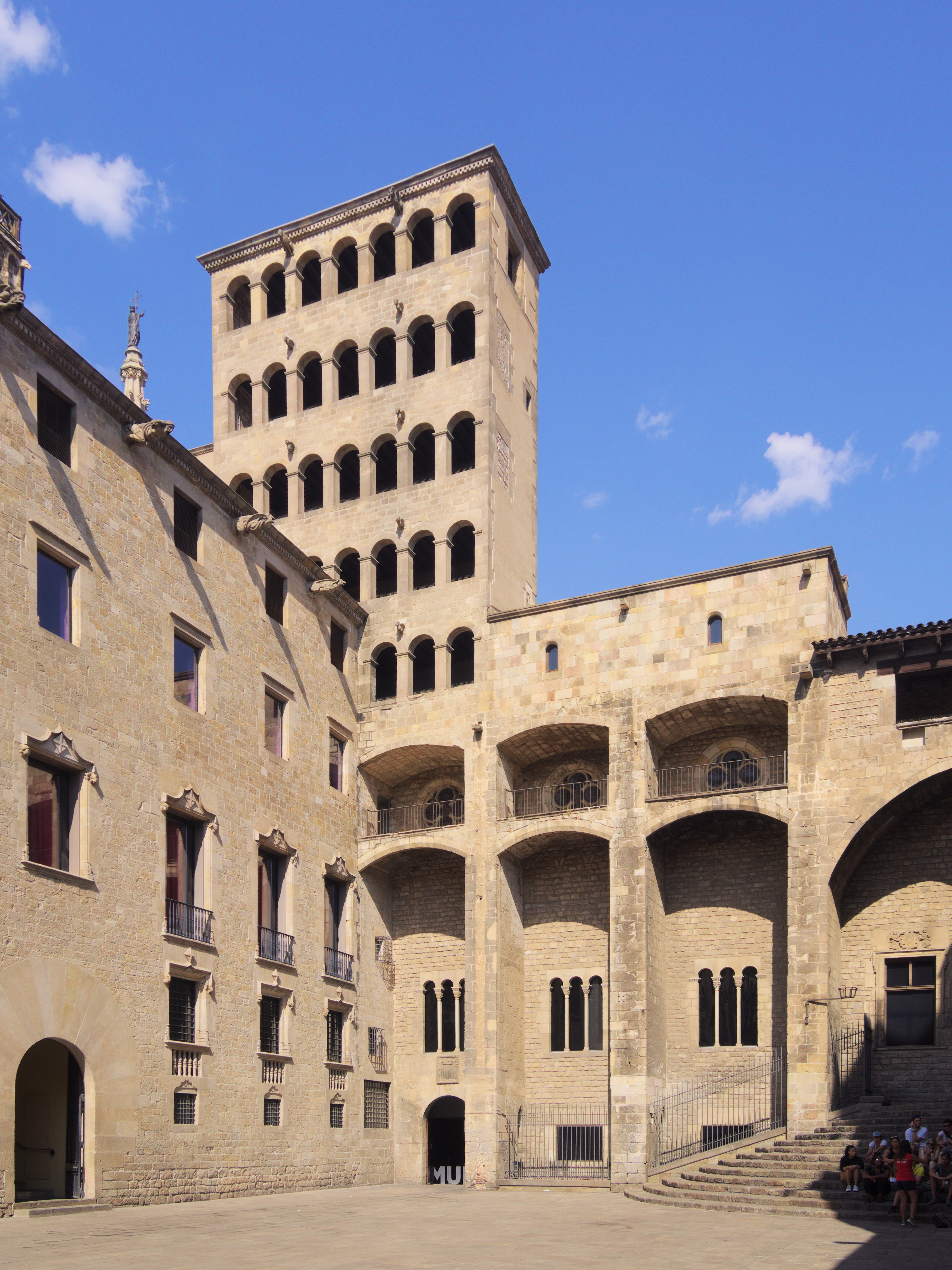
The palace features a central courtyard known as the "Patio de los Naranjos" (Courtyard of the Orange Trees), with a beautiful Renaissance staircase. The façade is adorned with intricate stone carvings and decorative elements that highlight the craftsmanship of the period. The palace's design is attributed to Antoni Carbonell, a prominent architect of the time. The blend of styles makes the Palau del Lloctinent a unique example of Catalan architecture, attracting scholars and tourists alike.
Cultural Significance
The Palau del Lloctinent holds immense cultural significance as it houses the Archive of the Crown of Aragon, one of the most important historical archives in Europe. Established in 1318, the archive contains documents dating back to the 9th century, offering invaluable insights into the history of the Crown of Aragon and its territories. The presence of this archive within the palace underscores its role as a custodian of Catalonia's rich cultural heritage. The archive is a treasure trove for historians and researchers, providing access to a wealth of primary sources that shed light on the region's past.
Role in Modern-Day Barcelona
Today, the Palau del Lloctinent is a significant cultural and historical landmark in Barcelona. It is part of the larger complex of the Royal Palace, which includes the Palau Reial Major and the Chapel of Santa Àgata. The palace is open to the public, offering guided tours that provide insights into its history and architecture. The building also hosts temporary exhibitions and cultural events, making it a vibrant part of Barcelona's cultural scene. Its central location in the Gothic Quarter makes it easily accessible to tourists, adding to its appeal as a must-visit destination.
Visitor Tips
Opening Hours
The Palau del Lloctinent is generally open from 10:00 AM to 7:00 PM, but it is advisable to check the official website for any changes in timings or special closures (Barcelona Tourism Website).
Tickets
Entry to the palace is often included in the ticket for the Royal Palace complex. It is recommended to purchase tickets online in advance to avoid long queues (MUHBA Website).
Guided Tours
Opting for a guided tour can enhance the visitor experience, providing detailed information about the palace's history, architecture, and cultural significance. Tours are often available in English, Spanish, and Catalan.
Accessibility
The palace is wheelchair accessible, with ramps and elevators available for visitors with mobility issues. Tactile models and Braille information are available for visually impaired visitors. For specific accessibility needs, it is best to contact the museum in advance through their official contact page.
Photography
Photography is allowed in most areas of the palace, but the use of flash and tripods is typically prohibited to protect the artifacts and the building's interior. Visitors are encouraged to be respectful of the space and other guests by keeping noise to a minimum and not touching the exhibits.
Nearby Attractions
- Gothic Quarter: The Palau del Lloctinent is located in the heart of the Gothic Quarter, a labyrinth of narrow streets and historic buildings. Visitors can explore nearby attractions such as the Barcelona Cathedral, Plaça del Rei, and the Museu d'Història de Barcelona.
- La Rambla: A short walk from the palace, La Rambla is a bustling street lined with shops, cafes, and street performers. It is one of Barcelona's most famous thoroughfares and a great place to experience the city's vibrant atmosphere.
- Picasso Museum: Located in the nearby El Born district, the Picasso Museum houses an extensive collection of works by the renowned artist Pablo Picasso. It is a must-visit for art enthusiasts (Museu Picasso Website).
Dining and Refreshments
The Gothic Quarter offers a plethora of dining options ranging from traditional Catalan cuisine to international fare. Some recommended spots include:
- Els 4Gats: A historic café and restaurant that was a favorite of Picasso. It offers a charming atmosphere and a menu of Catalan dishes (Els 4Gats Official Website).
- La Alcoba Azul: A cozy tapas bar known for its intimate setting and delicious small plates (TripAdvisor reviews).
Safety and Security
Barcelona is generally a safe city, but it is always wise to stay vigilant, especially in crowded tourist areas. Pickpocketing can be an issue, so keep personal belongings secure and be aware of your surroundings. The local police, known as the Mossos d'Esquadra, are approachable and can assist with any safety concerns.
Language and Communication
While Spanish and Catalan are the official languages of Barcelona, English is widely spoken in tourist areas, including Palau del Lloctinent. Most signs and information panels are available in multiple languages. Learning a few basic phrases in Spanish or Catalan can enhance your experience and is appreciated by locals.
Souvenirs and Shopping
The Gothic Quarter is a great place to shop for unique souvenirs. Nearby, you can find:
- La Manual Alpargatera: A traditional shop specializing in handmade espadrilles, a quintessential Catalan footwear (La Manual Alpargatera Website).
- El Ingenio: A quirky store offering a variety of traditional Catalan toys and masks (El Ingenio Facebook page).
FAQ
What are the Palau del Lloctinent visiting hours?
The palace is generally open from 10:00 AM to 7:00 PM. Always check the official website for the latest updates.
How can I buy Palau del Lloctinent tickets?
Tickets can be purchased online or at the ticket counter. It's advisable to buy tickets in advance to avoid long queues.
Is the Palau del Lloctinent wheelchair accessible?
Yes, the palace is wheelchair accessible, with ramps and elevators available.
Can I take photos inside the Palau del Lloctinent?
Yes, photography is allowed in most areas, but check for restrictions in the archive sections.
Discover More
Stay up to date with the latest events and news about the Palau del Lloctinent by following our social media channels or visiting our website. Don't forget to download our mobile app, Audiala, for more interactive tours and guides.
Emergency Contacts
In case of emergencies, the following numbers are essential:
- Emergency Services (Police, Fire, Ambulance): 112
- Local Police (Mossos d'Esquadra): 088
- Tourist Assistance: +34 932 853 832
Having these numbers handy can ensure a safe and worry-free visit.
Tickets & tours.
These are guided options from our partners — same price as booking direct.
Prices are indicative — final pricing and availability are confirmed at checkout. Audiala may earn a commission from bookings made through these links.
Listen to the full story in the app
The whole Plaça Del Rei,
told well.
Audio guides for 1,100+ cities across 96 countries. History, stories, and local insight — offline ready.

Verified, and shown.
Researched and written by the Audiala editorial team from historical records, architectural archives, and local expertise.
Last reviewed
Researched from Wikidata, Wikipedia & official sources · fact-checked · How we make our guides →