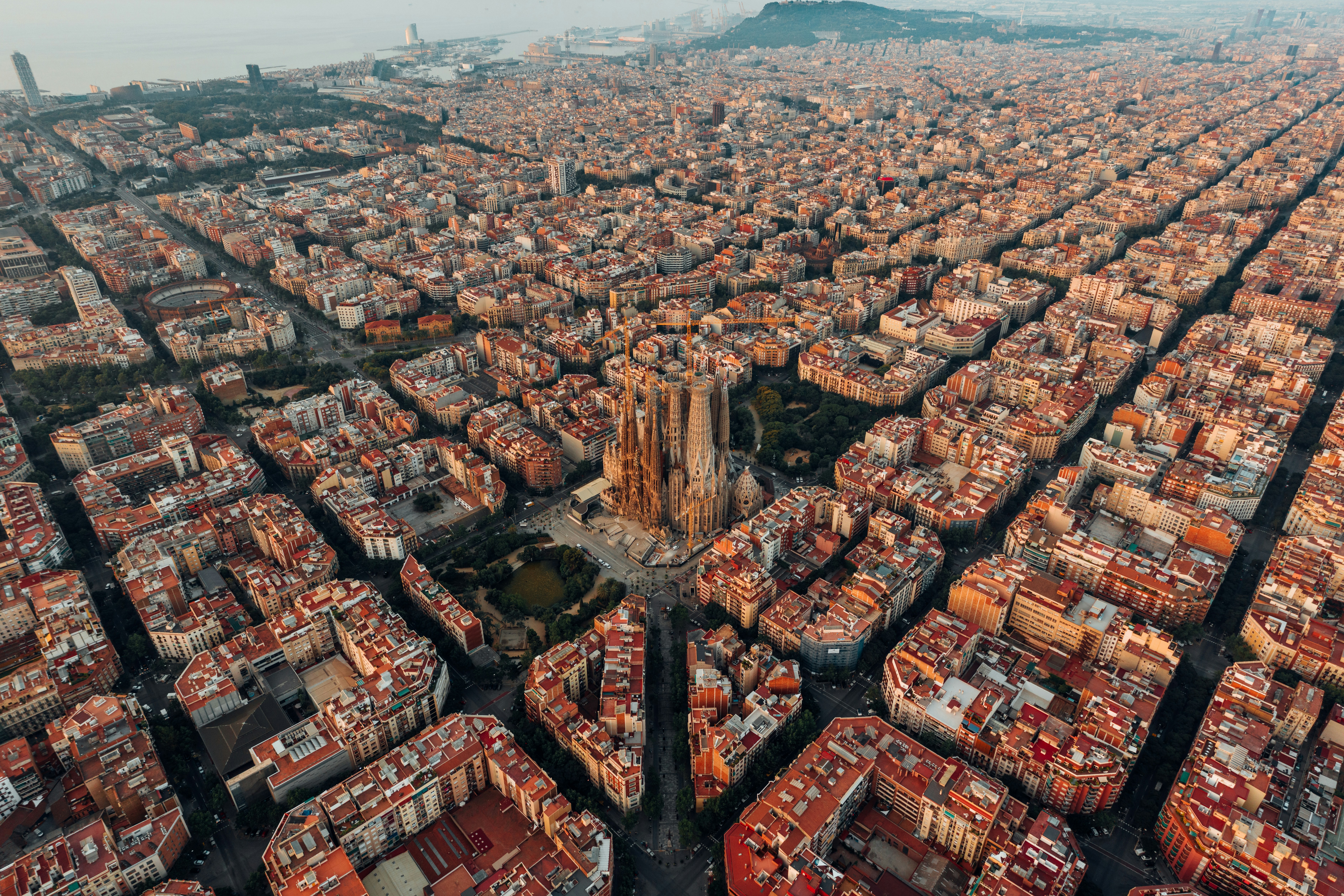
Plan and listen to Peace Bell with Audiala.
Audio guide in your pocket, itinerary in your browser. Built for the way you actually visit.
Introduction: The Peace Bell and Its Significance
The Peace Bell in Barcelona is a prominent symbol of the city’s dedication to peace, unity, and cultural identity. Whether located atop Montjuïc Hill or within the lush Parc de la Ciutadella, the Peace Bell invites visitors to reflect on Barcelona’s layered history and its aspirations for global harmony. This guide offers detailed information on the bell’s history, practical visitor tips, accessibility, and nearby attractions—helping you plan a meaningful visit to this powerful landmark (Google Arts & Culture, barcelonaturisme.com).
Historical Context: The Bell Tradition in Barcelona
Roman and Medieval Roots
Bell-making and bell-ringing in Barcelona trace back to Roman times, when bells were used for signaling and communication. As the city evolved, especially during the Middle Ages, bells became integral to both religious and civic life. The Gothic Quarter’s cathedrals, like the Cathedral of the Holy Cross and Saint Eulalia, featured grand bells that marked time, called communities to prayer, and announced important events (aventuragirona.com).
Symbolism Through the Ages
Bells in Spain have long represented authority and unity. In Barcelona, their ringing announced royal decrees, celebrated victories, and marked religious festivals (coloringfolder.com). They also played a role in political resistance, signaling uprisings or community rallies during periods of unrest. In Catalonia, bells have been a tool for asserting regional identity, especially during times of cultural suppression (barcelona.de).
The Modern Peace Bell: Symbolism and Dedication
Installed as a monument to reconciliation and intercultural dialogue, the Peace Bell draws from this deep historical legacy. It is typically rung during international observances such as the International Day of Peace (September 21), serving as a focal point for ceremonies that commemorate Barcelona’s turbulent past and its ongoing commitment to peace (worldcitiescultureforum.com).
Artistic Craftsmanship and Heritage
Spanish bells are renowned for their artistry and technical sophistication. The Peace Bell continues this tradition, often featuring inscriptions and motifs symbolizing unity and remembrance. Its tone is carefully calibrated to resonate across the city, reinforcing its role as a beacon of hope (coloringfolder.com).
The Peace Bell in Civic and Cultural Life
The Peace Bell is actively involved in Barcelona’s civic life—featured in public ceremonies, peace marches, and educational initiatives. Local schools and community groups often organize visits and workshops around the bell, emphasizing the importance of dialogue, mutual respect, and cultural memory (agenda21culture.net).
Preservation, Tourism, and Catalan Identity
Efforts to preserve the Peace Bell are part of Barcelona’s strategy to safeguard its cultural heritage amid urban development. The bell also serves as a symbol of Catalan pride, often accompanying regional songs and celebrations of autonomy (barcelona.de). Its dual role as both a local and universal emblem makes it a unique focal point for visitors and residents alike.
Visiting the Peace Bell: Practical Information
Location and How to Get There
Montjuïc Hill:
The Peace Bell is located near Montjuïc Castle, accessible by cable car, bus (lines 150 and 55), taxi, or on foot. The paths are paved and wheelchair accessible (barcelona-life.com).
Parc de la Ciutadella:
Alternatively, the bell may be found in Parc de la Ciutadella, near the Arc de Triomf or Ciutadella-Vila Olímpica metro stations (Lines 1 and 4). Accessible buses and limited parking are available (Accessible Barcelona).
Visiting Hours and Admission
- Montjuïc Hill: The Peace Bell is an outdoor monument, accessible 24/7, though daylight hours are recommended.
- Parc de la Ciutadella: Open daily, typically from 10:00 AM to 8:00 PM.
- Admission: Free of charge; tickets are only required for nearby attractions like Montjuïc Castle or the zoo.
Accessibility
Barcelona is highly accessible, with step-free paths, accessible public transport, and adapted amenities in parks and around the bell (Sage Traveling). The main routes to the Peace Bell are paved and suitable for wheelchairs.
Guided Tours
Guided tours, available through local tourism companies, often include the Peace Bell in broader cultural routes. Advance booking is recommended for special events or educational visits (barcelonaturisme.com).
Events and Community Engagement
The Peace Bell is central to annual peace ceremonies, especially on the International Day of Peace. It also serves as a meeting point for educational programs, cultural festivals, and community gatherings. Check the official events calendar for the latest schedules (Peace Bell Foundation).
Safety and Travel Tips
Barcelona is generally a safe city for tourists (Radical Storage Safety Guide), but visitors should remain vigilant against pickpockets, especially in crowded areas. Use official transport, licensed taxis, and avoid isolated park areas after dark. Hydrate, wear sun protection, and use benches and shaded spots in the parks (Splendidly Spain).
Nearby Attractions and Itinerary Suggestions
- Montjuïc Hill: Combine your visit with Montjuïc Castle, Joan Miró Foundation, the Magic Fountain, or the Botanical Gardens.
- Parc de la Ciutadella: Explore the Cascada Monumental, Barcelona Zoo, Catalan Parliament, and nearby neighborhoods like El Born and the Gothic Quarter.
Frequently Asked Questions (FAQ)
Q: What are the Peace Bell visiting hours?
A: On Montjuïc Hill, accessible at all hours; in Parc de la Ciutadella, typically open 10:00 AM–8:00 PM.
Q: Is there an entry fee?
A: No, visiting the Peace Bell is free.
Q: Are guided tours available?
A: Yes, through local tourism providers and the city’s official guides.
Q: Is the site wheelchair accessible?
A: Yes, both Montjuïc and Parc de la Ciutadella are wheelchair friendly.
Q: Is the bell rung on special occasions?
A: Yes, during peace ceremonies, cultural festivals, and commemorative events.
Discover More
The Peace Bell in Barcelona is a living monument that embodies centuries of history, artistic tradition, and the city’s enduring hope for peace. Its accessible location, free admission, and integration into the city’s cultural life make it an essential stop for visitors seeking a meaningful connection to Barcelona’s past and future.
Plan your visit today:
Download the Audiala app for up-to-date guides, interactive maps, and the latest information on Peace Bell visiting hours, tickets, and nearby events. Stay engaged by following our social media channels and exploring more of Barcelona’s remarkable historical sites.
Listen to the full story in the app
The whole Peace Bell,
told well.
Audio guides for 1,100+ cities across 96 countries. History, stories, and local insight — offline ready.

Verified, and shown.
Researched and written by the Audiala editorial team from historical records, architectural archives, and local expertise.
Last reviewed
Researched from Wikidata, Wikipedia & official sources · fact-checked · How we make our guides →