Plan and listen to Museum Of Forbidden Art with Audiala.
Audio guide in your pocket, itinerary in your browser. Built for the way you actually visit.
Introduction
The Museum of Forbidden Art in Barcelona emerged as a groundbreaking cultural institution, uniquely dedicated to the exploration of censorship within the visual arts. Since its opening in late 2023, the museum presented a diverse collection of over 200 artworks that had faced political, religious, social, or aesthetic suppression. Through these pieces, visitors engaged with the complexities of freedom of expression and the resilience of artists against censorship. Housed in the architecturally significant Casa Garriga Nogués, the museum merged historic grandeur with cutting-edge curatorial practice, featuring internationally acclaimed artists such as Francisco Goya, Pablo Picasso, Ai Weiwei, Banksy, Zanele Muholi, and Tania Bruguera. The visitor experience was further enriched by thematic exhibitions, interactive multimedia, and comprehensive educational programming.
Located near Barcelona’s El Born district and close to other major cultural sites—including the Gothic Quarter and the Picasso Museum—the museum was easily accessible by public transportation. Facilities included multilingual guided tours, a café, a museum shop, and full accessibility for visitors with disabilities. Photography was encouraged (with some restrictions), supporting the museum’s mission to foster dialogue and raise awareness about censorship in the arts.
Despite its cultural significance, the museum closed permanently on June 27, 2025, due to operational challenges and unresolved labor disputes. However, the collection continues to live on through a nomadic exhibition model, ensuring that its message reaches international audiences and that the dialogue around censorship and artistic freedom persists.
This guide provides an in-depth look at the museum’s history, collection, visitor information, closure, transition to traveling exhibitions, and practical tips for art enthusiasts and tourists. For further details, see the references at the end of this article (salirporbarcelona.com; Catalan News).
Historical Background and Founding
Origins and Vision
The Museum of Forbidden Art was established by journalist and entrepreneur Tatxo Benet, whose commitment to freedom of expression was galvanized by his 2018 acquisition of Santiago Sierra’s “Political Prisoners in Contemporary Spain”—a work censored at the ARCO art fair. Benet’s vision expanded into a collection of over 200 works censored for political, religious, sexual, or aesthetic reasons. A core selection of 42 pieces inaugurated the museum, each chosen for its ability to provoke dialogue and exemplify the consequences and boundaries of artistic censorship (salirporbarcelona.com).
Location and Architecture
The museum was located in Casa Garriga Nogués, a modernist masterpiece by Enric Sagnier y Villavecchia (1899–1901). Its ornate façade and grand interiors reflected Barcelona’s rich architectural heritage, providing a thought-provoking juxtaposition between tradition and the radical content of the collection (salirporbarcelona.com).
Leadership and Curation
Director Rosa Rodrigo and artistic director Carles Guerra, both experienced in museum management and curatorial innovation, ensured a professional and intellectually stimulating environment. Benet’s ongoing role in acquisitions kept the collection dynamic and relevant to contemporary debates (salirporbarcelona.com).
Collection Highlights
The museum’s holdings ranged from historic works by Francisco Goya, Pablo Picasso, and Gustav Klimt to contemporary pieces by Ai Weiwei, Banksy, Robert Mapplethorpe, Tania Bruguera, and Zanele Muholi. Notable examples included:
- Zoulikha Bouabdellah’s “Silence Rouge et Bleu” (2014): Censored in France for its commentary on religion and gender.
- Equipo Crónica’s “Spectator Spectator” (1972): A reflection on surveillance and censorship during Franco’s Spain.
- Works by Andy Warhol, Ines Doujak, and others, each accompanied by stories of their censorship and societal impact.
Thematic Focus and Educational Role
The museum’s exhibitions were organized around the theme of censorship as both a historical and contemporary phenomenon. Visitors explored how art challenges political repression, religious orthodoxy, gender norms, and societal taboos. Educational programs included guided tours, workshops, lectures, and collaborations with artists and activists, all designed to deepen public understanding of the consequences of censorship and the importance of artistic dissent.
Significance in the Global Art Landscape
By exclusively focusing on censored artworks, the Museum of Forbidden Art filled a unique niche in the international art world. Its mission underscored the universal nature of censorship and the vital role of art in questioning authority and defending freedom of expression.
Visitor Information (Prior to Closure)
Visiting Hours
- Open: Tuesday–Sunday, 10:00 AM–7:00 PM (last entry at 6:30 PM)
- Closed: Mondays and major public holidays
Tickets and Booking
- Adults: €12
- Students/Seniors: €8
- Children under 12: Free
- Combined tickets: Available with other cultural sites
- Purchase: Online through the museum’s website or at the entrance
Guided Tours and Events
Daily guided tours were offered in English, Spanish, Catalan, and French, with special events, artist talks, and workshops scheduled regularly. Advance booking was recommended for guided experiences.
Accessibility
The museum provided full wheelchair access, adapted restrooms, tactile maps, braille guides, descriptive audio tours, and support for visitors with visual or hearing impairments. Service animals were welcome.
Photography
Photography (without flash or tripods) was permitted in most areas. High-quality images and virtual tours were available online, and content was optimized for accessibility (barcelona-tickets.com).
Nearby Attractions and Travel Tips
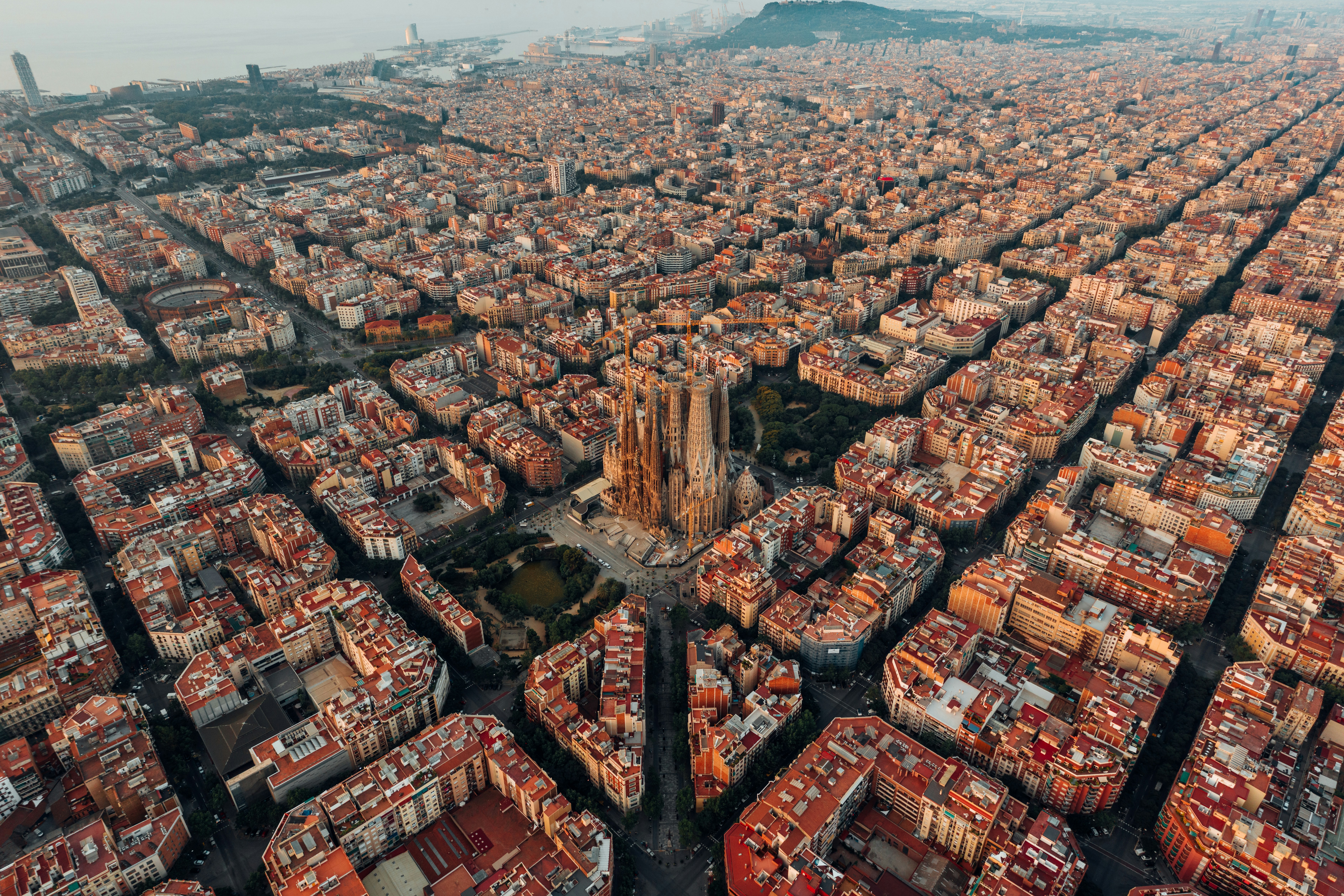
The museum’s Eixample location placed it within walking distance of major sites such as Casa Batlló, the Sagrada Família, the Gothic Quarter, and the Picasso Museum. Public transportation (metro and buses) made access straightforward, and nearby parking was available for drivers.
Closure: Causes and Context
On June 27, 2025, the Museum of Forbidden Art closed its Barcelona site due to unresolved labor disputes and operational challenges. An indefinite strike by the SUT workers’ union raised concerns over working conditions, pay, breaks, and climate control. The resulting protests decreased revenue by 75% over four months, making continued operation unsustainable (Catalan News).
Transition to Nomadic International Exhibitions
Following closure, the museum’s collection entered a new phase as a traveling exhibition, touring internationally to continue raising awareness about art censorship. Founder Tatxo Benet affirmed that the collection would “remain alive and be a meeting point to stand up to censorship,” with each tour tailored to local issues and collaborating with regional institutions (Hindustan Times; Euronews).
Implications for Visitors and Barcelona’s Cultural Scene
With the museum’s closure, in-person visits are no longer possible in Barcelona. However, the city offers a vibrant arts scene with institutions such as MACBA and the Picasso Museum, both of which regularly address themes of censorship and social critique. The Museum of Forbidden Art’s digital presence and traveling exhibitions continue to foster global dialogue.
Frequently Asked Questions (FAQ)
Q: Is the Museum of Forbidden Art currently open in Barcelona?
A: No, the museum closed permanently on June 27, 2025.
Q: Where can I see the collection now?
A: The collection is touring as part of nomadic international exhibitions. Check the museum’s website for upcoming locations.
Q: What were the visiting hours and ticket prices before closure?
A: Tuesday–Sunday, 10:00 AM–7:00 PM; adults €12, students/seniors €8, children under 12 free.
Q: Were guided tours and special events available?
A: Yes, before closure, guided tours and special events were held regularly.
Q: Are there similar museums in Barcelona?
A: Yes, MACBA and the Picasso Museum often feature exhibitions on political and social themes.
Summary and Final Tips
The Museum of Forbidden Art in Barcelona was a pioneering institution that illuminated the ongoing struggle between creativity and censorship. Its establishment in a historic building, dynamic collection, and educational programming made it a vital destination for art lovers and those interested in freedom of expression. Although its physical space closed in 2025 due to labor and operational challenges, the museum’s mission endures through international traveling exhibitions and a robust digital presence. Barcelona continues to offer rich cultural experiences, while the Museum of Forbidden Art’s legacy lives on, inspiring reflection and dialogue worldwide.
To stay updated on future exhibitions and virtual experiences, follow the museum’s official website and social media channels. Download the Audiala app for guided tours and exclusive content, and explore Barcelona’s other cultural treasures during your visit (Hindustan Times; Euronews).
Listen to the full story in the app
The whole Museum Of Forbidden Art,
told well.
Audio guides for 1,100+ cities across 96 countries. History, stories, and local insight — offline ready.

Verified, and shown.
Researched and written by the Audiala editorial team from historical records, architectural archives, and local expertise.
Last reviewed
Researched from Wikidata, Wikipedia & official sources · fact-checked · How we make our guides →