Plan and listen to Museu Tèxtil I D'Indumentària with Audiala.
Audio guide in your pocket, itinerary in your browser. Built for the way you actually visit.
Introduction
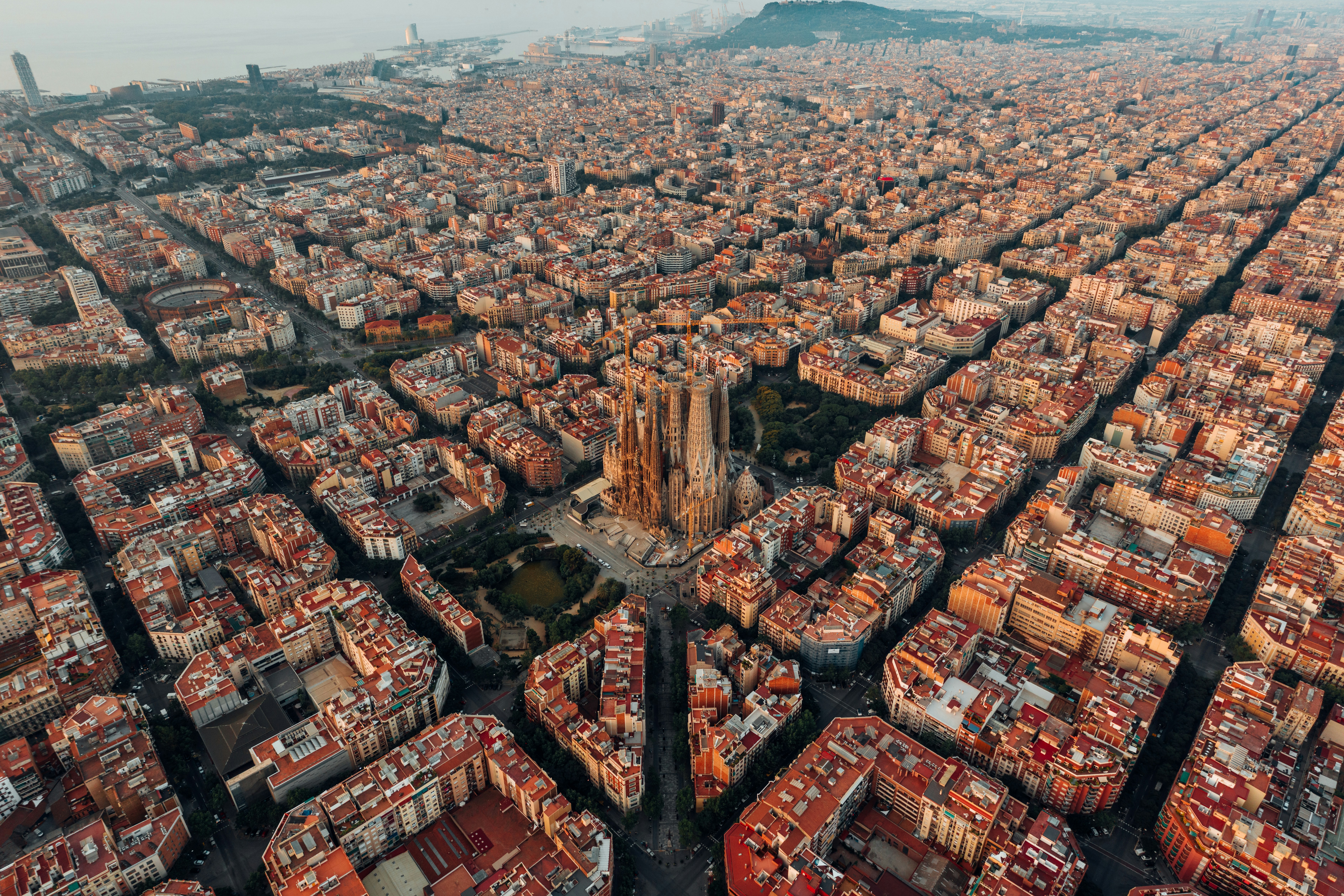
Barcelona, the vibrant capital of Catalonia, stands as one of Europe’s most captivating destinations. Its rich tapestry is woven from layers of Roman, medieval, and modernist history, celebrated architecture, a dynamic cultural scene, and renowned gastronomy. From the days of Barcino’s Roman foundations through the medieval rise of the Crown of Aragon, the artistic explosion of Modernisme led by Antoni Gaudí, and the city’s Olympic revival, Barcelona offers visitors a living museum of European heritage.
This comprehensive guide details everything you need to plan a successful visit in 2025: historical highlights, ticketing information, opening hours, accessibility, safety, local customs, and insider travel tips. Whether you're exploring ancient ruins, marveling at Gaudí’s masterpieces, or sampling tapas at bustling markets, this resource equips you to discover Barcelona’s iconic past and vibrant present. For further updates, consult official resources like Introducing Barcelona and Barcelona Turisme.
Ancient and Roman Origins
Barcelona's earliest settlements date back to 2500 BC, with the Roman city of Barcino founded at the end of the 1st century BC (Introducing Barcelona; Aventura Girona). The remnants of this era are still visible in the city’s Gothic Quarter.
Highlights:
- Museu d'Història de Barcelona (MUHBA): Explore underground Roman streets and ruins.
- Hours: Daily 10:00–19:00 (closed Mondays)
- Tickets: €7 (free for EU citizens under 25/children under 16)
- Roman Temple of Augustus: Viewable for free from Plaça del Rei.
- Tip: Guided tours are recommended for context; visit early to avoid crowds.
Medieval Expansion and Maritime Power
During the Middle Ages, Barcelona became the capital of the County of Barcelona and a major port in the Crown of Aragon (World City History).
Must-Visit Sites:
- Gothic Quarter (Barri Gòtic): Open access, rich in medieval architecture and charm.
- Barcelona Cathedral:
- Hours: 08:00–19:30 (Apr–Sep), 08:00–18:45 (Oct–Mar)
- Tickets: €9 (discounts available); don’t miss the cloister with 13 white geese.
- Drassanes Reials (Royal Shipyards):
- Hours: 10:00–19:00
- Tickets: €8; houses the Maritime Museum.
Tip: Walking tours reveal hidden gems and historical context.
Renaissance, Baroque, and Political Shifts
Barcelona’s Renaissance and Baroque eras shaped its political and artistic identity. Notable is the Palau de la Generalitat, a Baroque architectural seat of the Catalan government (Barca Trips).
- Palau de la Generalitat:
- Guided tours on select days (advance booking required); entry is free.
Special exhibitions commemorate key historical events, such as Columbus’s audience with the Catholic Monarchs.
Industrial Revolution and Modernisme
The 19th-century brought industrial prosperity, expansion (notably, the Eixample district), and the Modernisme movement.
Gaudí’s Masterpieces:
- Sagrada Família:
- Hours: 09:00–20:00 (summer), 09:00–18:00 (winter)
- Tickets: €26–€36 (book online for best availability)
- Park Güell:
- Hours: 08:00–21:30
- Tickets: €10
- Casa Batlló & Casa Milà (La Pedrera):
- Hours: 09:00–20:00
- Tickets: €25–€30
Tip: Early mornings or late afternoons are best for photos and fewer crowds.
20th Century: War, Dictatorship, and Olympic Revival
Barcelona survived the Spanish Civil War and Franco’s regime, emerging with renewed vigor. The 1992 Olympics spurred urban transformation (Introducing Barcelona).
- Olympic Sites: Montjuïc Park, Olympic Village, and Port of Barcelona are open year-round.
Contemporary Barcelona: Culture and Identity
Barcelona thrives as a cosmopolitan, bilingual city, with a packed calendar of festivals.
- La Mercè Festival: September; citywide celebrations.
- La Boqueria Market:
- Hours: 08:00–20:30 daily
- Highlight: Sample Catalan and Spanish delicacies.
Tip: Join food tours or cooking classes for authentic experiences.
Architectural and Artistic Legacy
Nine UNESCO World Heritage Sites, including seven by Gaudí, define Barcelona’s skyline (Barcelona Insider).
- Palau de la Música Catalana:
- Hours: 10:00–15:30 (guided tours)
- Tickets: €20
- Museu Picasso & Fundació Joan Miró:
- Check official websites for current opening hours and ticket prices.
Best Time to Visit and Seasonal Considerations
Barcelona enjoys a Mediterranean climate.
- Best months: Spring (Apr–Jun) and early autumn (Sep–Oct) for mild weather and thinner crowds.
- Summer (Jul–Aug): Peak tourist season, high temperatures, and prices.
- Winter: Fewer crowds, mild weather, some sites with reduced hours (GoWithGuide; Qeepl).
Accommodation and Where to Stay
- Eixample: Central, near Gaudí’s sites.
- Gothic Quarter: Historic, atmospheric, but can be busy at night.
- El Born: Trendy, artsy, and full of bars and boutiques.
- Gràcia: Bohemian vibe, close to Park Güell.
Book in advance and consider quieter neighborhoods for restful nights (Splendidly Spain).
Getting Around the City
- Metro: Fast and covers most attractions. Single ticket: €2.55 (2025).
- Bus/Tram: Extend coverage.
- Taxis & Rideshare: Reliable, use official black-and-yellow cabs or apps.
- Walking/Biking: Many sites are walkable; city is bike-friendly.
- Passes: Hola BCN! card for unlimited public transport (GoWithGuide).
Major Historical Sites: Visiting Hours, Tickets, and Tour Options
- Sagrada Família:
- Hours: 09:00–20:00 (Mar–Oct), 09:00–18:00 (Nov–Feb)
- Tickets: From €27 (book online)
- Park Güell:
- Hours: 08:00–21:30 (summer)
- Tickets: €10 (book online)
- Gothic Quarter & Cathedral:
- Hours: 08:00–19:30
- Tickets: Free entry; rooftop/museum extra
- Picasso Museum:
- Hours: Tue–Sun 10:00–19:00 (closed Mon)
- Tickets: ~€12; free first Sunday of every month
- Montjuïc Castle:
- Hours: 10:00–18:00
- Tickets: ~€5 (free Sundays after 3 PM)
Money, Payments, and Budgeting
- Currency: Euro (€)
- Cards: Widely accepted; carry cash for small purchases or markets.
- Tipping: Not mandatory; round up or leave small change for good service.
- Budget Tips: Eat at markets, use public transport, and book tickets online for savings (GoWithGuide).
Safety and Security
Barcelona is safe, but petty theft is common in crowded areas (XPLRverse; The Broke Backpacker).
- Keep valuables secure and avoid distractions.
- Use crossbody bags with zippers.
- Stick to well-lit, busy streets at night.
- Emergency number: 112.
Avoiding Tourist Scams
- Decline unsolicited petitions and charity requests.
- Use official taxis or rideshare apps.
- Avoid street games (Turispanish).
Booking Attractions and Avoiding Long Lines
- Book tickets online for major sites.
- Visit early or late.
- Consider combo tickets or guided tours for skip-the-line access (Barcelonahacks).
Local Etiquette and Customs
- Basic Spanish or Catalan greetings are appreciated.
- Meal times are late (lunch ~2PM, dinner after 9PM).
- Dress modestly in churches.
- Respect quiet hours in residential areas.
Food, Drink, and Dining Tips
- Try tapas, paella, and Catalan specialties like crema catalana (Qeepl).
- Visit markets like La Boqueria for authentic local flavors (Earth Trekkers).
- Reserve tables at popular restaurants and avoid tourist traps on La Rambla (Splendidly Spain).
Connectivity and Communication
- Free Wi-Fi is widespread.
- SIM cards are readily available.
- English is widely spoken in tourist areas, but using Catalan or Spanish is appreciated.
Packing and Luggage
- Bring comfortable shoes, sun protection, and a light jacket.
- Modest attire is required for churches.
- Use luggage storage services if needed (Qeepl).
Health and Emergency Services
- High-quality healthcare; EU visitors use EHIC.
- Pharmacies are marked with a green cross.
- Emergency: Dial 112.
Day Trips and Excursions
- Montserrat: Mountain monastery with hiking and panoramic views.
- Girona: Medieval city, easy train access.
- Tarragona: Roman ruins and Mediterranean beaches (Earth Trekkers; Qeepl).
Accessibility
Barcelona is increasingly accessible, with step-free metro stations, and many attractions have adapted facilities. Check each site’s website for detailed information.
Insider Tips
- Visit major sites early to beat the crowds.
- Discover panoramic views from Bunkers del Carmel.
- Explore local craft shops and independent boutiques.
- Check festival calendars for unique local events (GoWithGuide).
Frequently Asked Questions (FAQ)
Q: What are the Sagrada Família’s opening hours?
A: Generally 09:00–20:00 in summer, 09:00–18:00 in winter; check the official site for updates.
Q: How do I buy tickets for major attractions?
A: Online booking is best for Sagrada Família, Park Güell, and museums to avoid lines and guarantee entry.
Q: Are there discounts for tickets?
A: Most sites offer discounts for students, seniors, and children; sightseeing passes can provide additional savings.
Q: Is Barcelona accessible for visitors with reduced mobility?
A: Major sites are accessible, but some old streets may be challenging.
Q: Is Barcelona safe at night?
A: Yes, but stick to well-lit, busy areas and remain vigilant against pickpocketing.
Discover More
Ready to explore Barcelona? Download the Audiala app for real-time updates on visiting hours, ticket availability, and insider travel tips. Follow our social media channels and browse related articles for even more guidance to make your 2025 trip unforgettable!
Summary & Recommendations
Barcelona’s allure lies in its historical depth, architectural brilliance, and cultural vibrancy. From Roman ruins beneath the city to Gaudí’s fantastical creations, and from world-class museums to lively festivals, Barcelona promises a journey both educational and inspiring. Plan ahead, use public transport, respect local customs, and don’t miss excursions to nearby gems like Montserrat. With new cultural celebrations and exhibitions in 2025, Barcelona remains a dynamic city honoring its storied past and ever-evolving present.
For the most current information, consult trusted resources and travel apps like Audiala. Embrace this guide to ensure a rewarding and memorable Barcelona adventure (GoWithGuide; Barcelonahacks; Barcelona Tickets).
Listen to the full story in the app
The whole Museu Tèxtil I D'Indumentària,
told well.
Audio guides for 1,100+ cities across 96 countries. History, stories, and local insight — offline ready.

Verified, and shown.
Researched and written by the Audiala editorial team from historical records, architectural archives, and local expertise.
Last reviewed
Researched from Wikidata, Wikipedia & official sources · fact-checked · How we make our guides →