Plan and listen to Museo Egipcio De Barcelona with Audiala.
Audio guide in your pocket, itinerary in your browser. Built for the way you actually visit.
Introduction
The Museo Egipcio de Barcelona, located in the heart of the Eixample district, is one of Spain’s premier destinations for exploring the art, history, and culture of Ancient Egypt. Since its founding in 1994, the museum has grown from a private collection into a renowned Egyptological institution, offering visitors an immersive educational experience through its extensive permanent and temporary collections, thematic galleries, and robust programming. Whether you are a history enthusiast, a family traveler, or simply curious about Barcelona’s historical sites, this guide provides everything you need to plan a memorable visit—from practical information and travel tips to highlights of the museum’s collection and educational offerings (Barcelona.cat; El Independiente; mochileandoporelmundo.com).
Foundation and Vision
The Museo Egipcio de Barcelona was established thanks to the passion of Jordi Clos Llombart, whose private collection laid the foundation for the museum. The institution was formally inaugurated in 1994, following strong public interest in a temporary exhibition of Clos’s artifacts. Managed by the Fundació Arqueològica Clos, the museum is dedicated to research, preservation, and public education in Egyptology (Wikipedia).
Growth and Academic Role
Since its inception, the museum has expanded both its collection—now featuring over 1,200 artifacts spanning from the Pre-dynastic to Greco-Roman periods—and its academic impact. It houses Spain’s first school of Egyptology and a library of more than 10,000 Egyptological documents, supporting scholarly research and public engagement alike (Barcelona.de; The New Barcelona Post).
Visitor Information
Location and Accessibility
- Address: Calle Valencia, 284, Eixample, Barcelona
- Nearest Metro Stations: Passeig de Gràcia (L2, L3, L4), Diagonal (L3, L4), Hospital Clínic (L5)
- Bus lines: 6, 15, 33, 34, 54, 59
- Parking: Several public garages nearby
The museum is fully accessible, with wheelchair ramps, elevators, and tactile exhibits for visually impaired visitors (mochileandoporelmundo.com).
Opening Hours
- Monday to Saturday: 10:00–20:00
- Sunday: 10:00–14:00
- Closed: January 1, May 1, December 25
- Last admission: 30 minutes before closing
- Note: Always check the official website for the latest updates.
Ticket Information
- General Admission: €12
- Reduced: €8.5 (youths 13–18, students, Carnet Jove holders, unemployed, large/single-parent families, seniors 65+)
- Children (6–12): €5
- Children under 6: Free
- Special rates: Family tickets, group discounts, and membership deals available
- Purchase: Online (recommended to skip queues) or at the ticket office
Permanent Collection: Highlights and Thematic Galleries
The museum’s permanent collection offers an in-depth look at Ancient Egyptian civilization, with more than 1,000 archaeological pieces displayed across eight thematic galleries (El Periódico; Museo Barcelona).
Key Thematic Areas
- Pharaohs and Royalty: Artifacts depicting royal iconography and the symbolism of the pharaoh.
- Writing and Hieroglyphs: Displays on the history of Egyptian writing, including a replica of the Rosetta Stone.
- Jewelry and Personal Adornment: Amulets, ceremonial attire, and luxury items exemplifying craftsmanship.
- Stone and Ceramics: Tools, vessels, and objects highlighting daily life and craftsmanship.
- Cosmetics and Eroticism: Items illustrating ancient beauty rituals and personal care.
- Funerary Beliefs and Practices: Mummies (notably 'La Dama de Kemet'), canopic jars, funerary masks, and ushabti figurines providing insight into beliefs about the afterlife.
- Funerary Dependencies: Models of tombs and treasures illustrating burial customs.
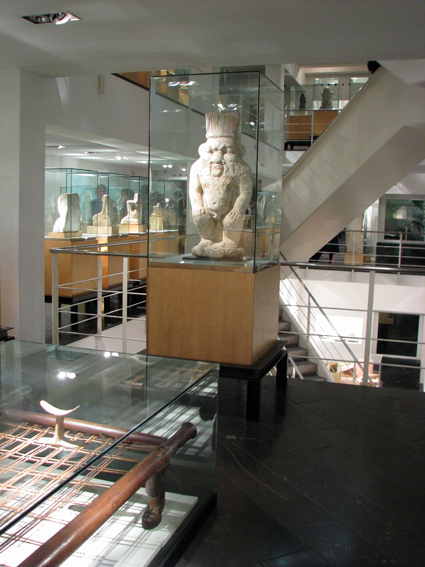
- Divine Worship: Statues of gods and objects used in temple rituals (mochileandoporelmundo.com).
Notable Objects
- Bust of Sekhmet: Lioness-headed goddess statue
- Golden Osiris Figurine: Rare artifact symbolizing resurrection
- The Screaming Mummy (Prince Pentaur): Human mummy with dramatic facial expression
- Animal Mummies: Including ibis, demonstrating funerary rituals
- Jewelry Collection: Gold, faience, and semi-precious stone adornments
- Hieroglyphic Inscriptions and Papyri: Insights into literacy and religion
Temporary Exhibitions and Special Events
The museum organizes temporary exhibitions throughout the year, often in collaboration with international partners. Topics have ranged from women in Ancient Egypt to the role of animals in religious life. The annual “Night of the Museums” event offers free nighttime access and special programming (Barcelona.cat).
Guided Tours, Audioguides, and Interactive Experiences
- Guided Tours: One included tour per week, Saturdays at 11:00 (Catalan) and 17:00 (Spanish). Advance booking is recommended (mochileandoporelmundo.com).
- Audioguide App: Downloadable to your smartphone for a self-paced experience.
- Interactive Workshops: Activities for all ages, including hieroglyph writing, mummification demonstrations, and themed family days.
- Educational Spaces: Multimedia displays, virtual tours, and hands-on exhibits bring history to life.
Educational Programs and Community Engagement
The museum is a leader in Egyptological education for all ages:
- School Programs: Curriculum-aligned tours and workshops for students from kindergarten to high school.
- Family Activities: Summer camps (“Casals d’Estiu”), creative workshops, and themed games.
- Adult Courses and Expeditions: Lectures on Egyptology, hieroglyphics, and guided trips to Egyptian archaeological sites.
- Special Workshops: Events like “Lágrimas Sobre el Nilo” with Egyptologist guest speakers (museuegipci.com).
Visitor Amenities and Services
- Museum Shop: Books, replicas, and Egyptian-themed gifts.
- Accessibility: Full mobility support and staff assistance.
- Membership Program: “Amic del Museu” offers discounts, exclusive previews, and private event invitations.
- Nearby Attractions: Passeig de Gràcia, Casa Batlló, and other key Barcelona landmarks make for an ideal cultural day out.
Tips for a Great Visit
- Book in Advance: Especially on weekends, holidays, and free museum days (fullsuitcase.com).
- Use Audio Guides: Enhance your understanding with the museum’s app.
- Combine with Other Sites: Take advantage of the central location.
- Check for Free Entry Days: Such as the “Night of the Museums.” Arrive early to avoid crowds (barcelona.cat).
- Family Friendly: Interactive and hands-on activities are available for children.
Cultural Sensitivity
Barcelona is part of Catalonia, where both Catalan and Spanish are spoken. The museum offers materials and tours in both languages, and using basic Catalan greetings is appreciated (theinvisibletourist.com).
Frequently Asked Questions (FAQ)
Q: What are the Museo Egipcio de Barcelona visiting hours?
A: Monday–Saturday: 10:00–20:00; Sunday: 10:00–14:00. Check the official site for updates.
Q: How do I buy tickets?
A: Tickets are available online (recommended) or at the museum entrance.
Q: Are guided tours included in the ticket price?
A: Yes, one guided tour per week is included, held on Saturdays.
Q: Is the museum suitable for children?
A: Yes, with workshops, camps, and family-friendly activities.
Q: What accessibility services are available?
A: The museum is fully accessible for visitors with reduced mobility.
Listen to the full story in the app
The whole Museo Egipcio De Barcelona,
told well.
Audio guides for 1,100+ cities across 96 countries. History, stories, and local insight — offline ready.

Verified, and shown.
Researched and written by the Audiala editorial team from historical records, architectural archives, and local expertise.
Last reviewed
Researched from Wikidata, Wikipedia & official sources · fact-checked · How we make our guides →