Plan and listen to Mini Estadi with Audiala.
Audio guide in your pocket, itinerary in your browser. Built for the way you actually visit.
Introduction
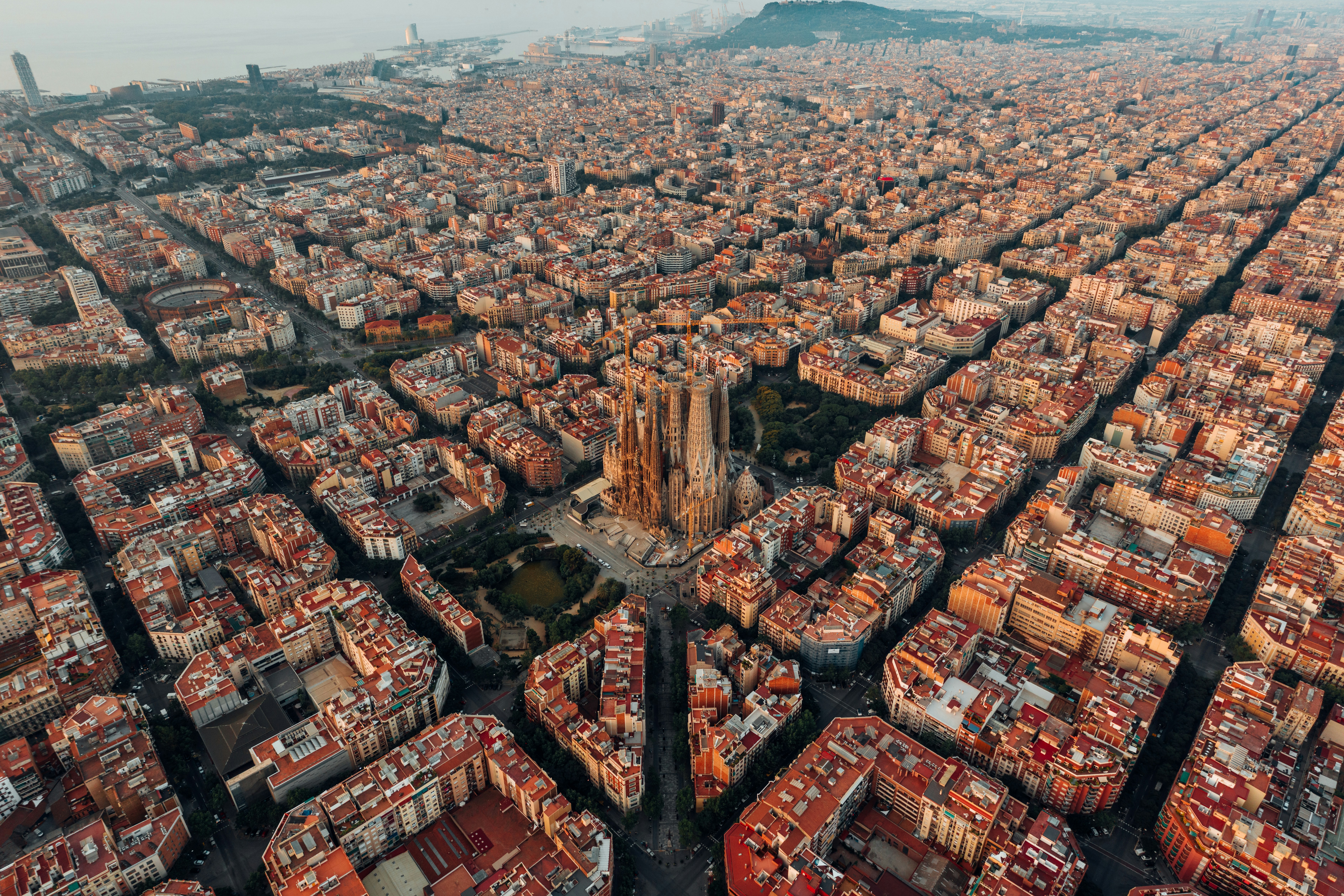
The Mini Estadi was a cornerstone of FC Barcelona’s footballing legacy. Built in 1982 to nurture the club’s youth and reserve teams, this stadium played a pivotal role in shaping some of the greatest talents in world football. Although the Mini Estadi was demolished in 2020 as part of the Espai Barça redevelopment, its influence lives on through the new Estadi Johan Cruyff and the vibrant sporting culture of the Les Corts district. Today, visitors can connect with this storied heritage by exploring the FC Barcelona Museum, Camp Nou tours, and the broader sports complex that continues to define Barcelona as a global sports city.
This guide offers a detailed exploration of Mini Estadi’s history, architectural significance, sporting and cultural impact, and practical advice for visitors wanting to experience the legacy of this iconic venue. For further historical context and up-to-date visitor information, refer to official FC Barcelona resources and reputable stadium databases (FC Barcelona; Espana Estadios; StadiumDB).
Origins and Construction
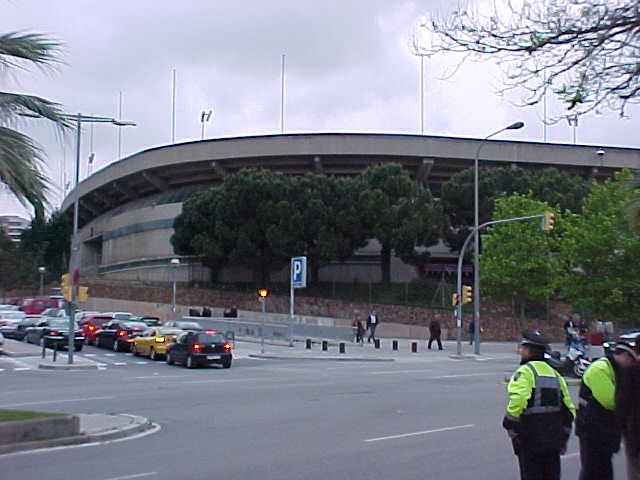
The Mini Estadi was conceived during the presidency of Josep Lluís Núñez as part of FC Barcelona’s infrastructural expansion. Designed by architect Josep Casals and project manager Ramon Domènech, construction took only nine months, underscoring the club’s efficiency and ambition (FC Barcelona). Officially opened on September 23, 1982, with a match between Barcelona Atlético (now Barcelona B) and the first team, the stadium immediately became integral to the club’s sporting operations (Espana Estadios). Its location, opposite Camp Nou in Les Corts, made it a vital part of the club’s sports campus (Wikipedia).
Architectural Features and Capacity
Upon opening, Mini Estadi was lauded for its modern design and comfort. With a seating capacity of 15,276 across two tiers and a covered grandstand on the west side, the stadium provided an intimate matchday experience. The pitch measured 103 by 65 meters, surrounded by two artificial turf training grounds (Campo 3 and Campo 4), which served the youth teams and FCB Escola (FC Barcelona). Its functional, compact design later influenced stadium architecture across Spain (Espana Estadios).
Sporting Role and Notable Events
Mini Estadi primarily hosted FC Barcelona B from 1982 to 2019, as well as Barcelona C (until 2007), Juvenil A, and the women’s team during European competitions. It was the launching pad for future legends such as Xavi Hernández, Andrés Iniesta, and Carles Puyol (Wikipedia). The stadium also hosted memorable moments, such as Barça B’s historic Copa del Rey upset over Real Madrid’s first team in 1983-84 and packed youth derbies (FC Barcelona; Espana Estadios). Additionally, the Mini Estadi was home to the NFL Europe’s Barcelona Dragons and hosted matches for the Andorran national team (Wikipedia).
Cultural and Social Significance
Beyond football, Mini Estadi was a hub for cultural and community events. It hosted concerts by international stars such as Queen (1986), Elton John, and David Bowie. The venue also served as a polling station for FC Barcelona presidential elections and a site for charity matches and tributes (Espana Estadios; Football Tripper). Its accessibility and welcoming atmosphere embodied FC Barcelona’s motto, “més que un club” (“more than a club”).
Evolution, Demolition, and Espai Barça
By the early 2000s, the Mini Estadi’s aging infrastructure and high land value prompted redevelopment discussions. Plans to convert the site into a concert venue were eventually replaced by the Espai Barça project, which called for a modernized sports campus (Wikipedia). The Estadi Johan Cruyff in Sant Joan Despí, opened in 2019, assumed the Mini Estadi’s role as the home of the reserve and women’s teams (Spain Inspired).
The final competitive match at Mini Estadi was held on May 12, 2019, followed by a farewell event in September. Demolition began in late 2019 and concluded in February 2020. The area is being redeveloped to house the New Palau Blaugrana and other modern facilities, with a strong emphasis on sustainability and community integration. Notably, over 80% of demolition materials were recycled, and local wildlife and trees were carefully protected (Espana Estadios).
Visitor Information
Although Mini Estadi no longer stands, fans and tourists can immerse themselves in its legacy through the surrounding FC Barcelona complex:
- Camp Nou and Museum: The FC Barcelona Museum and Camp Nou tour provide rich insights into the club’s history, including the legacy of Mini Estadi. Typical visiting hours are from 10:00 AM to 6:30 PM, but hours may vary (FC Barcelona).
- Tickets: No tickets are required for the Mini Estadi site. Advance booking is highly recommended for Camp Nou and museum tours, especially during peak seasons (Happy to Wander).
- Getting There: The complex is accessible via Collblanc Metro Station (L5) and several bus lines (75, H8, 113). Parking can be limited, so public transport is advised (Barcelona Tourist Guide).
- Accessibility: The FC Barcelona complex is fully accessible, with ramps, elevators, and accessible restrooms.
- Nearby Attractions: Palau Blaugrana, the FC Barcelona store, and local eateries offer additional experiences for visitors.
Frequently Asked Questions (FAQs)
Q: Can I visit the Mini Estadi today?
A: No, the stadium has been demolished, but the area can be explored as part of a Camp Nou or Espai Barça tour.
Q: Where do I buy tickets for FC Barcelona facilities?
A: Purchase tickets for tours and matches via the official FC Barcelona website.
Q: What are the best times to visit the FC Barcelona complex?
A: Early mornings and weekdays are less crowded. Always check the official website for the latest hours.
Q: Is the area accessible by public transport?
A: Yes, the Les Corts district is well served by metro (L5, Collblanc), buses, and taxis.
Q: Are there guided tours available?
A: Yes, guided tours are offered for the Camp Nou and museum, including information about Mini Estadi.
Visuals and Media
- Include high-quality images of Mini Estadi’s former site, Camp Nou, and the broader complex.
- Maps highlighting the location of the stadium in relation to Camp Nou and Palau Blaugrana.
- Virtual Tour of FC Barcelona Complex.
Listen to the full story in the app
The whole Mini Estadi,
told well.
Audio guides for 1,100+ cities across 96 countries. History, stories, and local insight — offline ready.

Verified, and shown.
Researched and written by the Audiala editorial team from historical records, architectural archives, and local expertise.
Last reviewed
Researched from Wikidata, Wikipedia & official sources · fact-checked · How we make our guides →