Introduction
The Maritime Museum of Barcelona (Museu Marítim de Barcelona, MMB) is a gateway to Catalonia’s seafaring legacy, housed within the awe-inspiring Drassanes Reials—one of Europe’s most important Gothic civil buildings. This guide provides comprehensive information on the museum’s history, collections, ticketing, accessibility, and visitor tips, ensuring an enriching experience for anyone interested in maritime heritage, architecture, or Barcelona’s cultural landscape.
Founded in 1936 and officially opened in 1941, the Maritime Museum of Barcelona preserves and interprets over 700 years of Catalan maritime history. The museum’s origins trace back to the Nautical School of Barcelona, whose collection formed the institution’s initial core. Over the decades, the museum expanded its mission to protect and showcase artifacts, documents, and vessels illustrating the region’s connection to the sea (MMB: The Origins).
The museum is not only a custodian of tangible artifacts—such as ship models, navigational instruments, and the famed Royal Galley replica—but also a steward of intangible heritage, including traditional shipbuilding techniques and seafaring customs. Its educational programs, research activities, and community engagement initiatives make it a vital cultural institution for both locals and visitors (irbarcelona.org).
Photo Gallery
Explore Maritime Museum of Barcelona in Pictures

Image showing Josep Tremoleda, Anna Pàmies, Joan Triadú and J. Sarsanedes during a tribute dinner honoring Ramon Aramon i Serra in 1993 held at Drassanes de Barcelona.
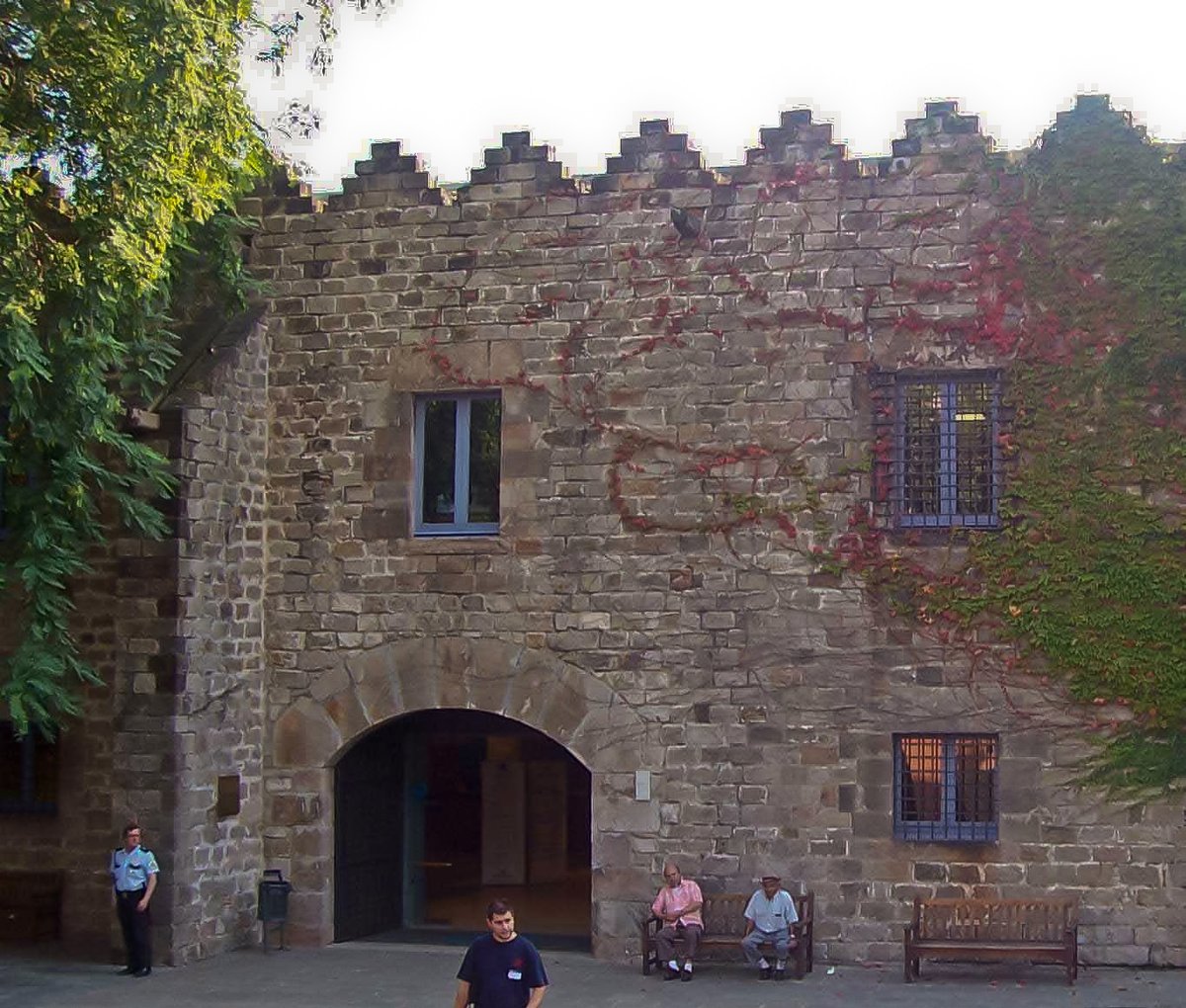
Exterior view of the Drassanes Reials de Barcelona, a 14th-century medieval shipyard building in Barcelona
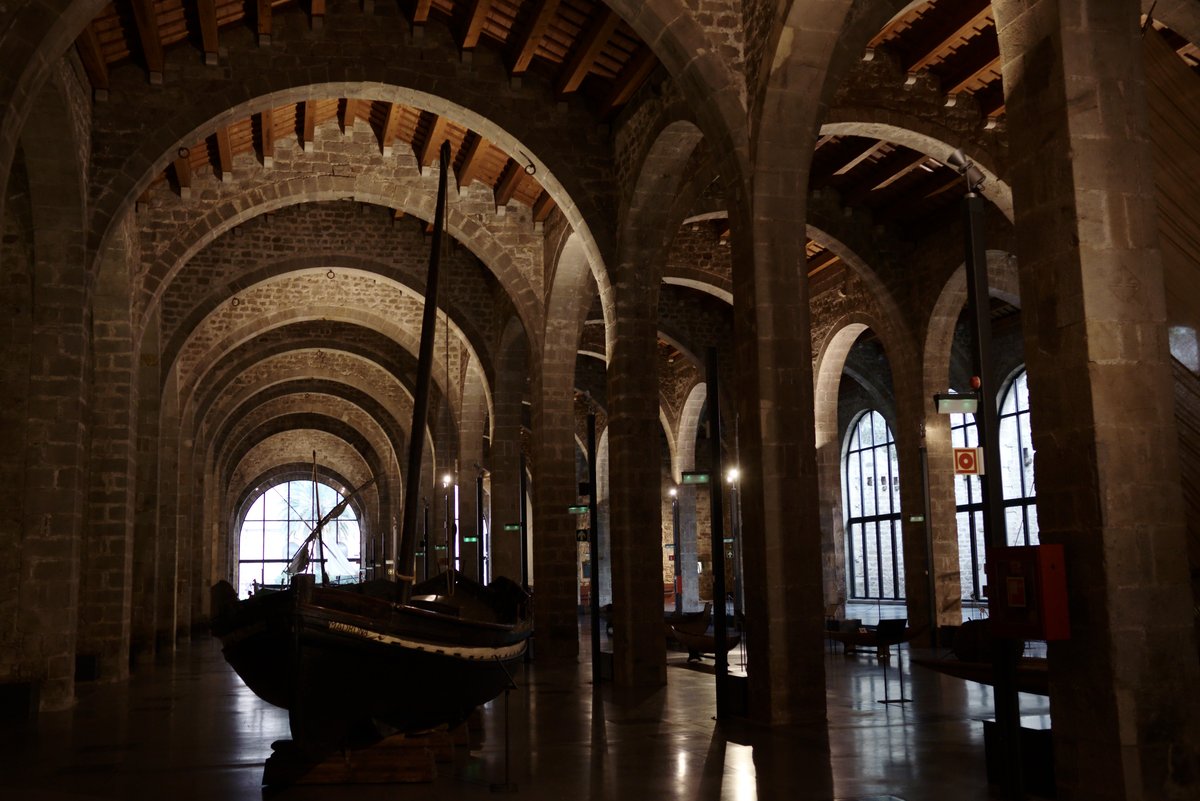
Detailed view of the Museu Maritim de Barcelona featuring a wide range of maritime artifacts and ship models displayed in a spacious gallery.
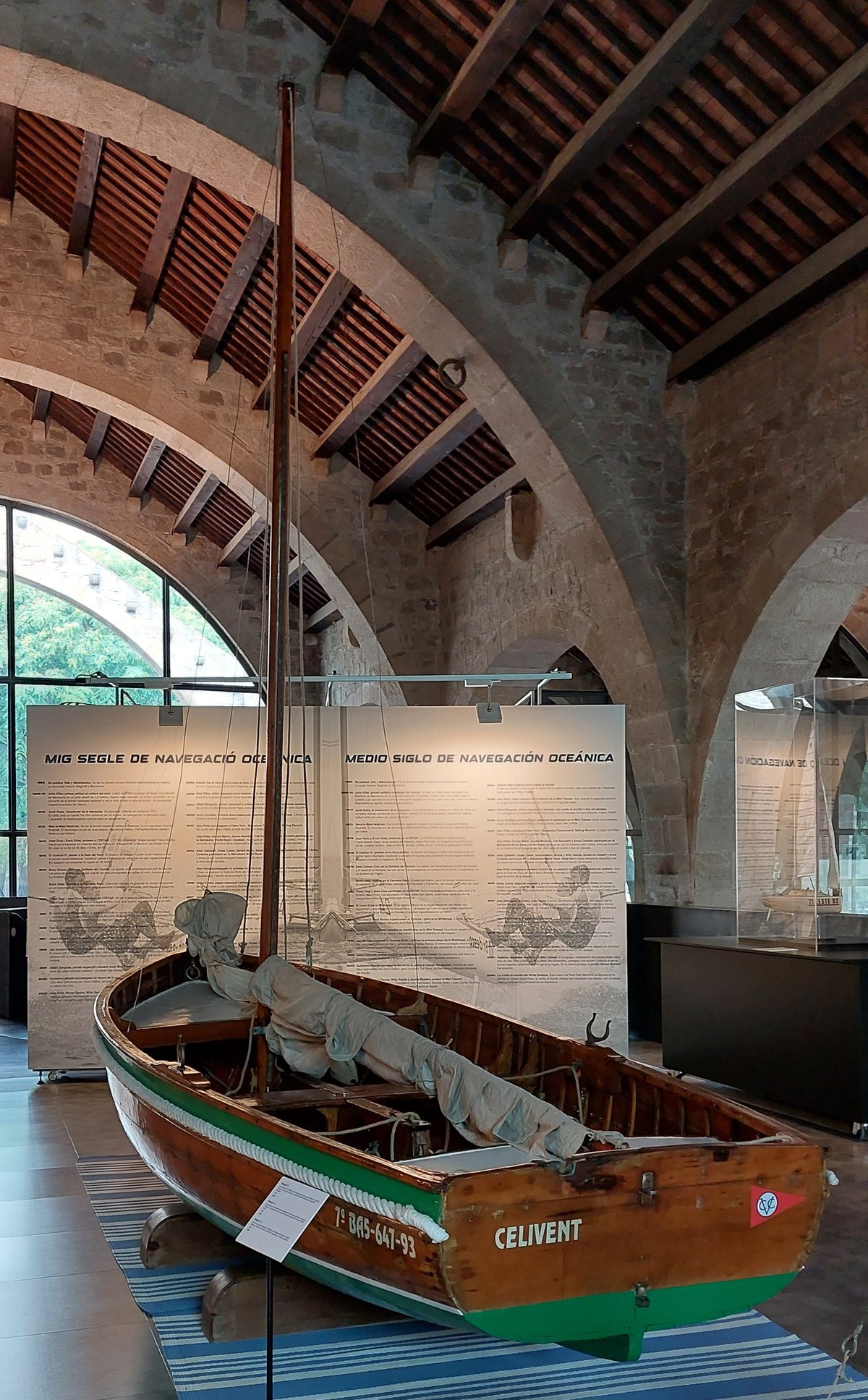
Front view of Museu Marítim de Barcelona showcasing maritime exhibits and modern architecture in 2024
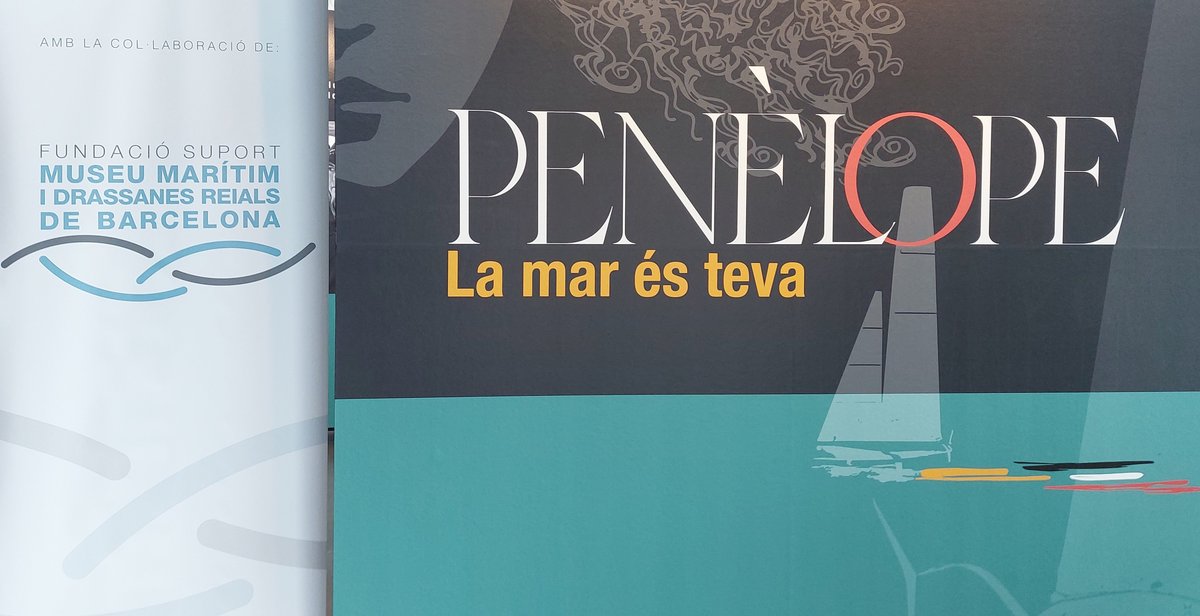
Penèlope sculpture featured in the La mar és teva exhibition at Museu Marítim de Barcelona in 2024 showcasing maritime heritage
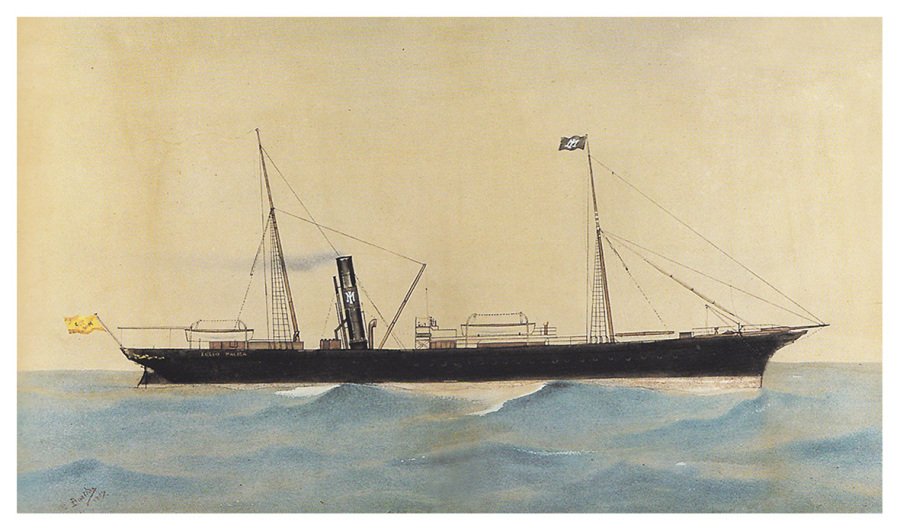
Historic vintage steam engine called Vapor Lulio showcasing industrial technology from the past in operation with steam and smoke
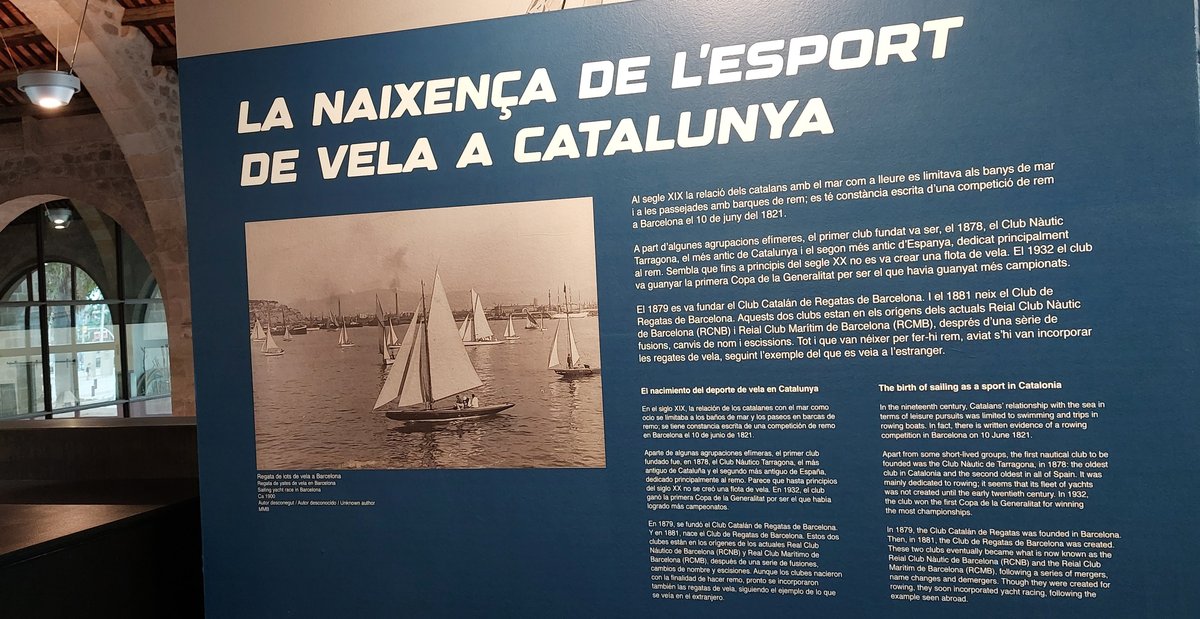
Large sail exhibited at the Maritime Museum Expo in Barcelona, showcasing maritime heritage in 2024
Architectural Heritage: The Drassanes Reials
History and Features
The Drassanes Reials de Barcelona, dating back to the late 13th century, were originally constructed as the royal shipyards for the Crown of Aragon. These vast, vaulted halls were designed to build and outfit galleys—the naval powerhouses of their era. Today, the building exemplifies Gothic civil architecture, with soaring stone arches, robust columns, and longitudinal naves that evoke the grandeur of medieval ship construction (webarcelona.net).
The site has seen various uses, including as an artillery arsenal in the 18th and 19th centuries. Careful restoration and conservation efforts, particularly those completed in 2013, have maintained the integrity and beauty of the original structure while adapting it for public use as a museum (MMB: The Museum Currently).
Key Exhibitions and Collections
Permanent Exhibitions
- The Royal Galley Replica: A full-scale reconstruction of the 16th-century flagship used in the Battle of Lepanto, this 60-meter vessel is the museum’s centerpiece. Visitors can step aboard to experience Renaissance naval engineering (Royal Galley Replica).
- Ship Models and Nautical Instruments: Over 200 detailed ship models, navigational tools such as astrolabes, sextants, compasses, and rare portolan charts trace the evolution of maritime technology (MMB Collections).
- Maritime Art and Figureheads: Paintings, engravings, and original ship figureheads illustrate centuries of seafaring culture and aesthetics.
- Shipbuilding Tools and Artifacts: Explore historical shipbuilding techniques through authentic tools, materials, and workshop reconstructions.
- Engines and Maritime Technology: Displays on marine propulsion, including steam engines and propellers.
Temporary and Special Exhibitions
The MMB regularly hosts thematic exhibitions on topics such as piracy, women in maritime professions, the Titanic, and contemporary issues like marine conservation (Women and the Sea Exhibition).
Outdoor and Floating Exhibits
- Schooner Santa Eulàlia: Moored at Port Vell, this historic 1918 sailing vessel is a floating extension of the museum. Visitors can tour the ship and, on select days, join short cruises along the Barcelona waterfront (Santa Eulàlia).
- Courtyard Artifacts: The museum’s courtyard features anchors, buoys, and ship propellers, bringing the scale and engineering of maritime life into vivid context.
Visitor Information: Hours, Tickets, Accessibility
Location and Getting There
- Address: Av. de les Drassanes, s/n, 08001 Barcelona, Spain
- Metro: Drassanes station (L3, Green Line)
- Bus: City lines D20, H14, V13, 59, 120
- Walking: Steps from La Rambla and the Gothic Quarter
- By Bike & Taxi: Bicing stations and taxi drop-off nearby
Hours
- Tuesday to Sunday: 10:00 AM – 7:00 PM (last admission 6:30 PM)
- Closed: Mondays (except public holidays), December 25–26, January 1 and 6; early closing at 3:00 PM on December 24 and 31
- Free Admission: Sundays after 3:00 PM; International Museum Day (May 18)
Tickets
- General Admission: €7–€8 (varies by exhibition)
- Reduced: €4.50–€5 (students, seniors, large families)
- Children under 16: Free
- Group Rates and Family Tickets: Available
- Online Tickets: Purchase through the official website
Accessibility
- Fully wheelchair accessible, with ramps, elevators, and adapted restrooms
- Audio induction loops for visitors with hearing aids
- Exhibit information in Catalan, Spanish, and English
- Guided tours and resources for visually and hearing-impaired visitors
Facilities
- Restrooms, cloakroom, and free Wi-Fi
- Restaurante Norai and Baluard Gardens: Onsite dining and relaxation
- Gift Shop: Maritime-themed books, models, and souvenirs
Highlights and Experiences
- Walk aboard the Royal Galley and immerse yourself in naval history
- Visit the Santa Eulàlia schooner for hands-on maritime experiences
- Explore interactive exhibits, workshops, and family-friendly activities
- Enjoy the tranquil Baluard Gardens or savor a meal at Norai café
- Discover rotating special exhibitions and art installations
Nearby Attractions & Travel Tips
- Montjuïc Hill: Castle, gardens, Olympic Stadium
- Port Vell: Waterfront shopping, dining, Barcelona Aquarium
- Gothic Quarter: Historic streets, architecture, and local cuisine
- Best Visit Times: Weekday mornings or late afternoons to avoid crowds
- Combine Visits: Pair your museum trip with Las Ramblas or the Columbus Monument
Frequently Asked Questions (FAQ)
Q: What are the museum’s opening hours?
A: Tuesday to Sunday, 10:00 AM to 7:00 PM (last admission 6:30 PM); closed Mondays except public holidays.
Q: How much are tickets?
A: General admission is €7–€8; reduced rates for students, seniors, and families; children under 16 are free.
Q: Is the museum wheelchair accessible?
A: Yes, with ramps, elevators, and adapted restrooms.
Q: Can I buy tickets online?
A: Yes, purchase tickets in advance via the official website.
Q: Are guided tours available?
A: Yes, in multiple languages; booking ahead is recommended.
Q: Can I visit the Santa Eulàlia schooner?
A: Yes, access is included or available with a combined ticket.
Q: Are there dining options?
A: Restaurante Norai offers Mediterranean cuisine and a garden terrace.
Listen to the full story in the app
Your Personal Curator, in Your Pocket.
Audio guides for 1,100+ cities across 96 countries. History, stories, and local insight — offline ready.
Audiala App
Available on iOS & Android
Join 50k+ Curators
Sources
- verified
- verified
- verified
- verified
- verified
Last reviewed: