Plan and listen to Jardins De Laribal with Audiala.
Audio guide in your pocket, itinerary in your browser. Built for the way you actually visit.
Introduction
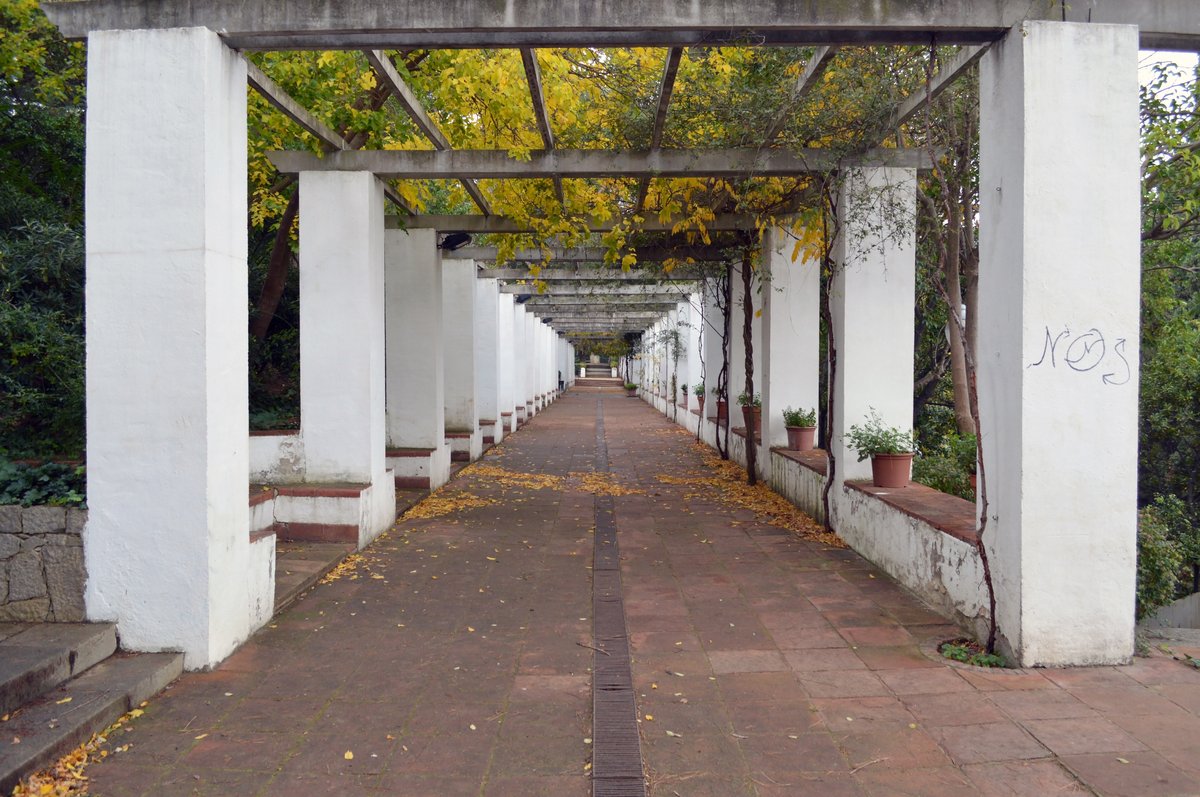
Nestled on the picturesque Montjuïc Hill in Barcelona, Spain, the Jardins de Laribal are a captivating blend of history, architecture, and natural beauty. Initially part of the estate of Josep Laribal, a prominent lawyer and journalist, the gardens were acquired by the Barcelona City Council in 1908 and transformed into a public space as part of the city's efforts to develop Montjuïc into a cultural and recreational area (Barcelona City Council). Designed by the renowned French landscape architect Jean-Claude Nicolas Forestier and his Spanish collaborator, Nicolau Maria Rubió i Tudurí, the gardens showcase a unique blend of Mediterranean and Moorish influences, characterized by terraced landscapes, water features, and lush vegetation (Montjuïc Park).
The Jardins de Laribal gained international recognition during the 1929 Barcelona International Exposition, where they played a crucial role in showcasing Spain's cultural and industrial achievements (1929 Barcelona International Exposition). Over the years, the gardens have continued to evolve, adding new features and plant species that enhance their botanical diversity. Today, they are a cherished part of Barcelona's urban landscape, offering visitors a serene escape with historical landmarks such as the Font del Gat and the Greek Theatre, as well as panoramic views of the city and the Mediterranean Sea.
This comprehensive guide will provide you with all the essential information needed to plan your visit to the Jardins de Laribal. From historical insights and architectural significance to practical travel tips and nearby attractions, we aim to offer a complete overview of what makes this destination a must-visit for anyone exploring Barcelona.
History of Jardins de Laribal
Origins and Early Development
The Jardins de Laribal were initially part of the estate of Josep Laribal, a prominent lawyer and journalist. In 1908, the estate was acquired by the Barcelona City Council as part of a broader initiative to develop Montjuïc into a cultural and recreational area (Barcelona City Council).
Design and Architectural Influence
The transformation of the estate into public gardens was entrusted to French landscape architect Jean-Claude Nicolas Forestier and his Spanish collaborator, Nicolau Maria Rubió i Tudurí. Forestier's design incorporated elements of Islamic garden traditions, evident in the use of water features, terraces, and lush vegetation (Montjuïc Park).
1929 Barcelona International Exposition
A significant milestone in the history of Jardins de Laribal was the 1929 Barcelona International Exposition. The gardens were part of the extensive landscaping efforts undertaken to prepare Montjuïc for the event, showcasing Spain's industrial and cultural achievements (1929 Barcelona International Exposition).
Post-Exposition Developments
Following the exposition, the Jardins de Laribal continued to evolve. In the 1930s, additional features were added, including the Font del Gat, a charming fountain that became a popular meeting spot for locals. The gardens also saw the introduction of various plant species, enhancing their botanical diversity (Font del Gat).
Mid-20th Century to Present
During the mid-20th century, the Jardins de Laribal underwent several phases of restoration and enhancement. Efforts were made to restore their former glory, with a focus on preserving the original design elements introduced by Forestier and Rubió i Tudurí. The gardens were officially reopened to the public in the 1950s (Spanish Civil War).
Visitor Information
Ticket Prices and Visiting Hours
- Visiting Hours: The Jardins de Laribal are generally open from 10:00 AM to 8:00 PM daily. However, opening hours may vary seasonally, so it is advisable to check the official website for the most up-to-date information.
- Ticket Prices: Entry to the Jardins de Laribal is free of charge, making it an accessible attraction for all visitors.
Travel Tips
- How to Get There: The gardens are located on Montjuïc hill, easily accessible by public transportation. You can take the metro (Line L2) to Paral·lel station and then the funicular to Montjuïc. Alternatively, several bus routes service the area.
- Nearby Attractions: While visiting Jardins de Laribal, consider exploring nearby attractions such as the Magic Fountain of Montjuïc, Poble Espanyol, and the Montjuïc Castle.
- Accessibility: The gardens are generally accessible to visitors with mobility challenges, but some areas may be difficult to navigate due to the terraced layout.
Special Events and Guided Tours
The Jardins de Laribal host various cultural events and performances, particularly in the Greek Theatre, an open-air amphitheater inspired by ancient Greek architecture (Greek Theatre). Guided tours are available, offering in-depth insights into the gardens' history and design.
Photographic Spots
Several landmarks within the Jardins de Laribal provide excellent photographic opportunities. The Font del Gat, designed by architect Josep Puig i Cadafalch, is one of the most iconic elements of the gardens, reflecting the Modernisme architectural style. The lush vegetation, water features, and terraces offer picturesque settings for photography.
Preservation and Conservation Efforts
The Barcelona City Council has implemented various initiatives to maintain the gardens' historical integrity while ensuring their sustainability. Efforts include regular maintenance of the plant species, restoration of architectural elements, and the promotion of environmental awareness among visitors (Conservation Efforts).
FAQ
Q: What are the opening hours for Jardins de Laribal?
A: The gardens are generally open from 10:00 AM to 8:00 PM daily, but it's advisable to check the official website for the most up-to-date information.
Q: How much do tickets cost for Jardins de Laribal?
A: Entry to the Jardins de Laribal is free of charge.
Q: How do I get to Jardins de Laribal?
A: You can take the metro (Line L2) to Paral·lel station and then the funicular to Montjuïc. Several bus routes also service the area.
Listen to the full story in the app
The whole Jardins De Laribal,
told well.
Audio guides for 1,100+ cities across 96 countries. History, stories, and local insight — offline ready.

Verified, and shown.
Researched and written by the Audiala editorial team from historical records, architectural archives, and local expertise.
Last reviewed
Researched from Wikidata, Wikipedia & official sources · fact-checked · How we make our guides →