Plan and listen to Jardí Botànic De Barcelona with Audiala.
Audio guide in your pocket, itinerary in your browser. Built for the way you actually visit.
Introduction
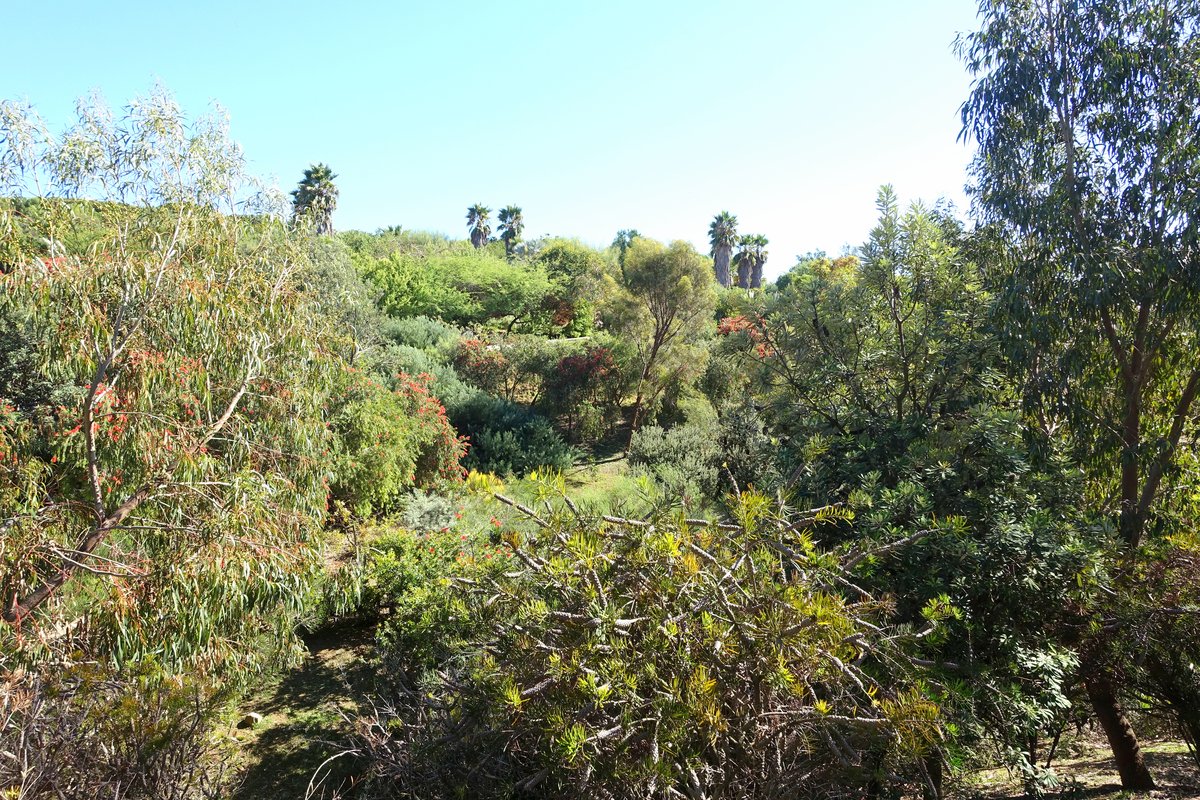
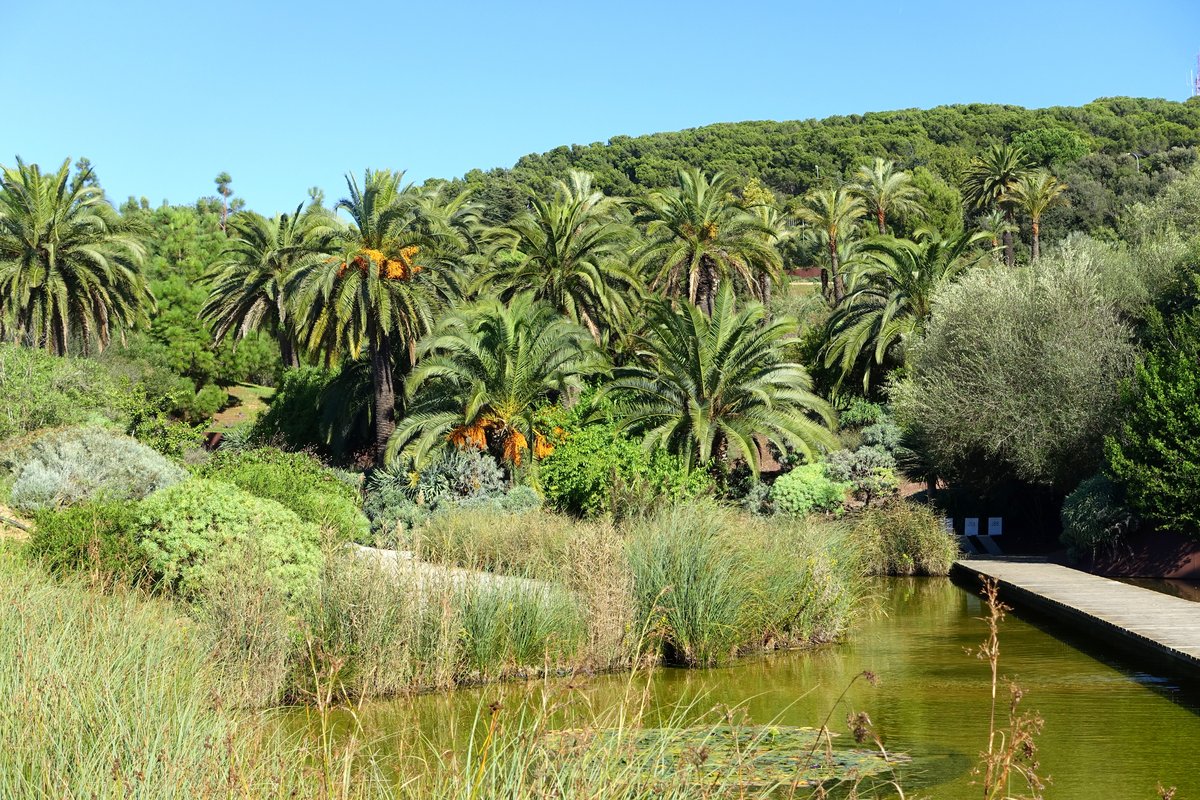
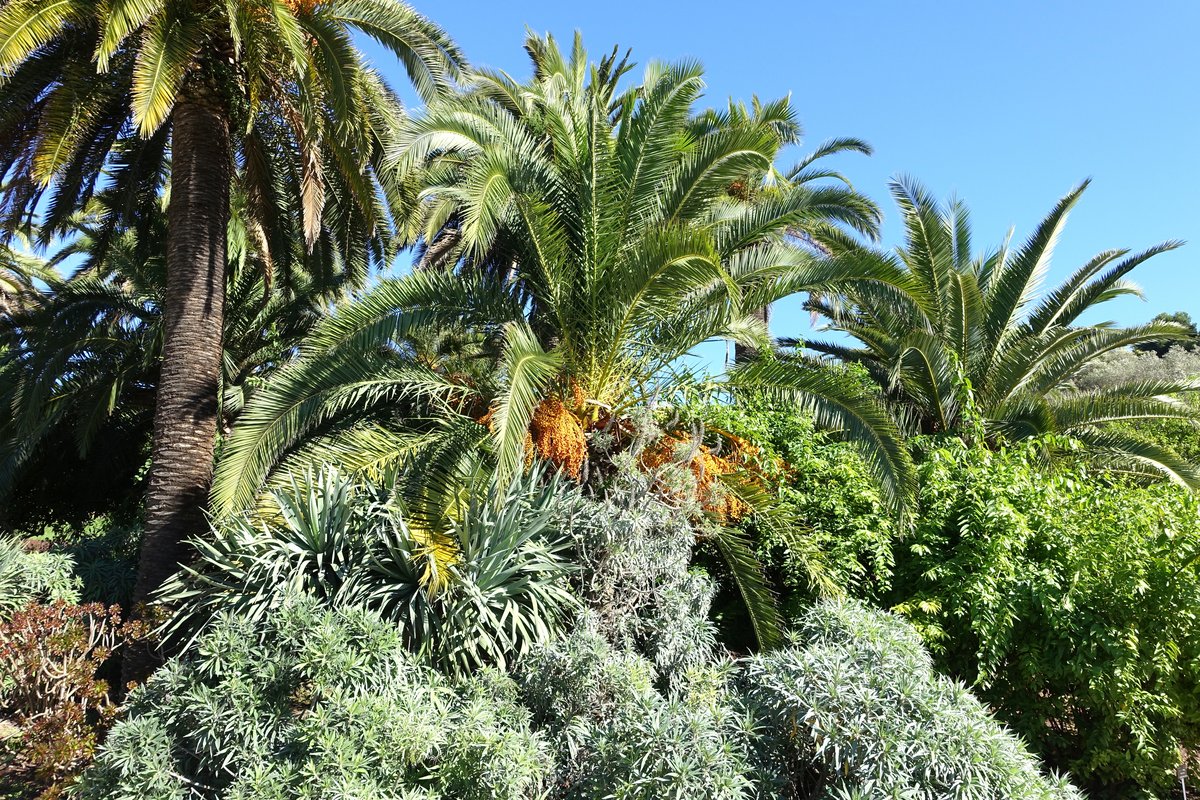
Nestled within the scenic Montjuïc Park, the Jardí Botànic de Barcelona stands as a verdant sanctuary offering visitors a profound exploration of Mediterranean flora. Established in 1999, this botanical garden is the latest chapter in Barcelona’s long-standing botanical heritage, tracing back to medicinal plant gardens in the 16th century (source). The garden's modern iteration was meticulously designed to leverage the unique microclimates and expansive space of the Foixarda area, providing a thriving habitat for diverse plant species (source). This comprehensive guide aims to delve into the historical significance, visitor details, and the rich biodiversity showcased in the Jardí Botànic de Barcelona, making it an essential destination for nature enthusiasts, researchers, and tourists alike.

A Garden Rooted in History
Early Beginnings
Barcelona's tryst with botanical gardens began long before the current iteration. As early as the 16th century, medicinal plant gardens were cultivated, reflecting the era's interest in herbal remedies. The first notable attempt at a dedicated botanical garden came in the late 16th century, with the creation of a garden associated with the Estudi General, a precursor to the University of Barcelona. However, this early garden was short-lived.
The Legacy of Montjuïc
The most direct ancestor of the modern Jardí Botànic was established in 1930, coinciding with the International Exposition held in Barcelona. Located on Montjuïc, this garden served as a showcase for the region's flora. While this garden laid important groundwork, its location proved less than ideal for the diverse range of plants it aimed to cultivate.
A New Home, A New Era
The limitations of the Montjuïc garden led to the search for a new site, culminating in the establishment of the current Jardí Botànic de Barcelona in 1999. Situated in the Foixarda area of Montjuïc, this new location offered several advantages:
- Microclimates: The varied topography of the Foixarda area allowed for the creation of distinct microclimates, essential for cultivating plants from different Mediterranean regions.
- Space for Expansion: The larger site provided ample space for the garden's collection to grow and evolve.
- Integration with Nature: The garden was designed to integrate seamlessly with the surrounding natural park, creating a harmonious blend of cultivated and wild landscapes.
Visitor Information
When planning your visit to the Jardí Botànic de Barcelona, keep the following details in mind:
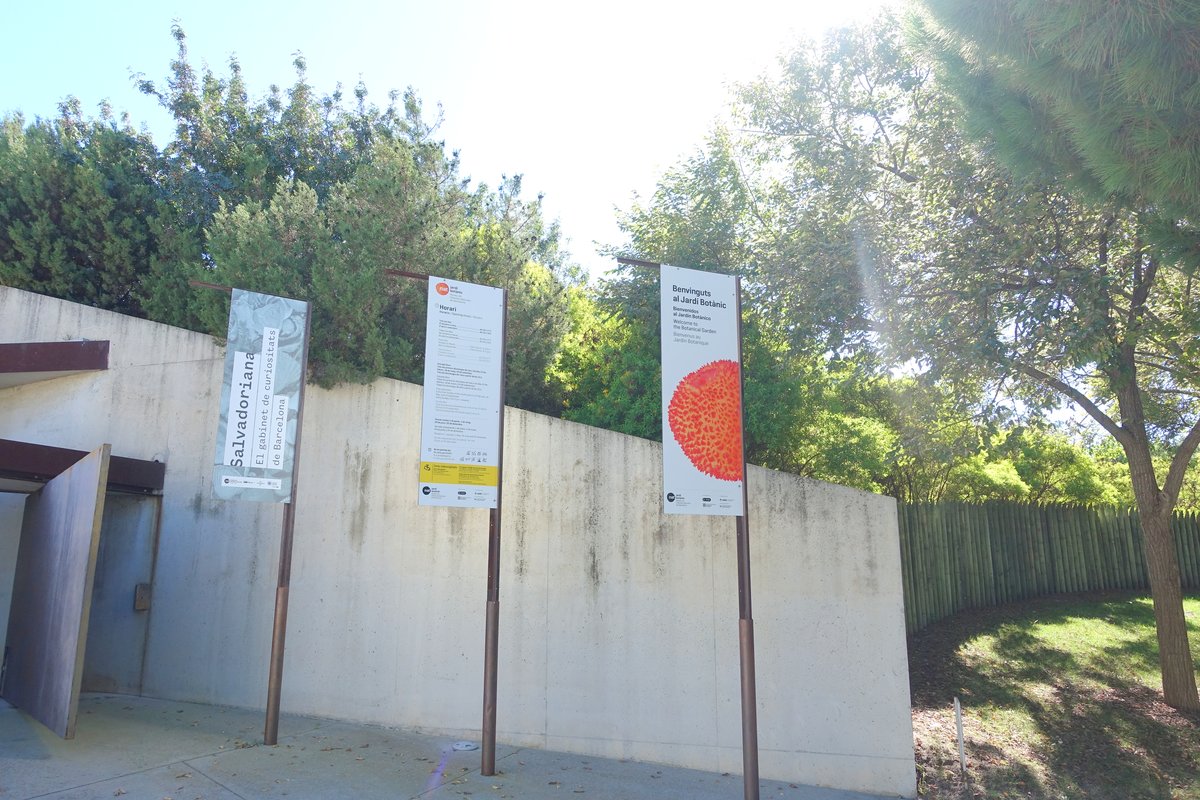
- Visiting Hours: The garden is open daily from 10:00 AM to 7:00 PM. Note that hours may vary seasonally, so it's best to check the official website for the most up-to-date information.
- Tickets: General admission tickets are priced at €3.50, with discounts available for students, seniors, and children. Free entry is offered on the first Sunday of each month and every Sunday after 3:00 PM.
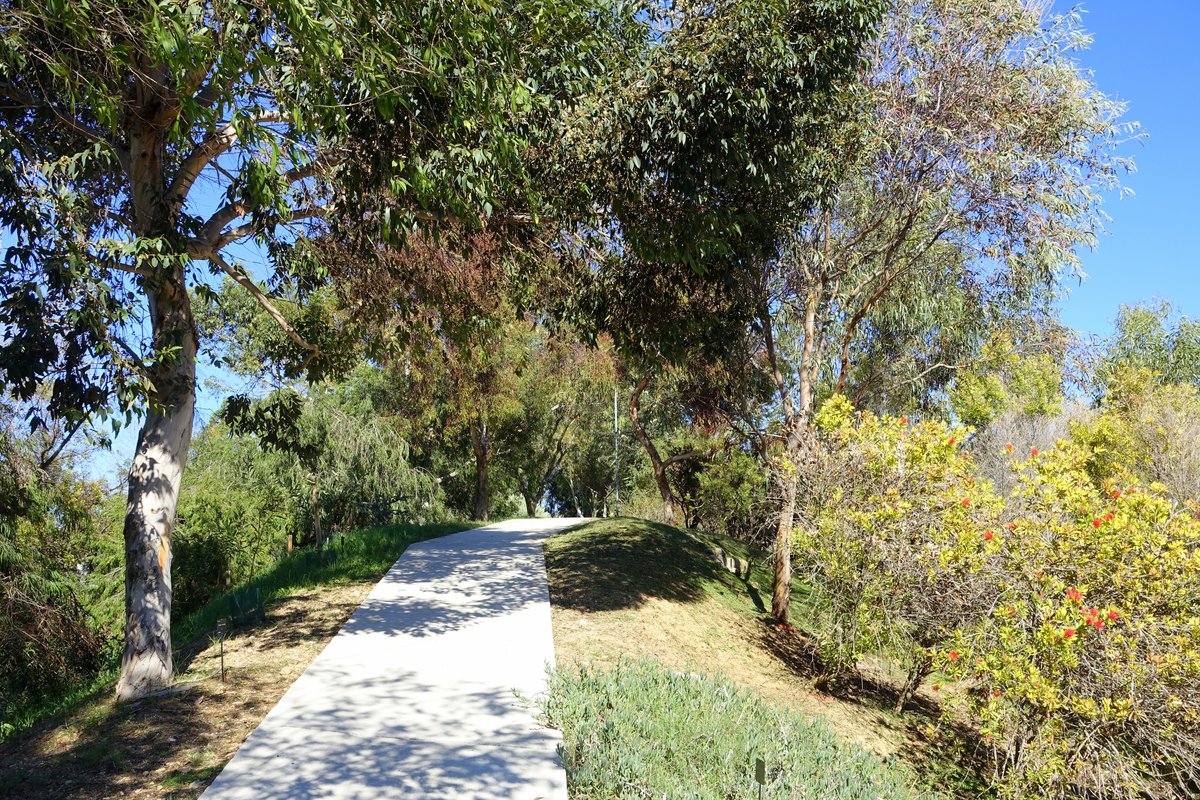
- Accessibility: The garden is wheelchair accessible, with paved paths and ramps throughout.
Significance and Mission
Conservation
The garden plays an active role in the conservation of Mediterranean flora, including endangered species. Its seed bank and research programs contribute to the preservation of plant biodiversity.
Research
Scientists and botanists at the garden conduct research on plant taxonomy, ecology, and conservation, contributing to a deeper understanding of Mediterranean ecosystems.
Education
The garden serves as an outdoor classroom, offering educational programs for all ages. Visitors can learn about plant diversity, ecological relationships, and the importance of conservation.
A Living Museum of Mediterranean Flora
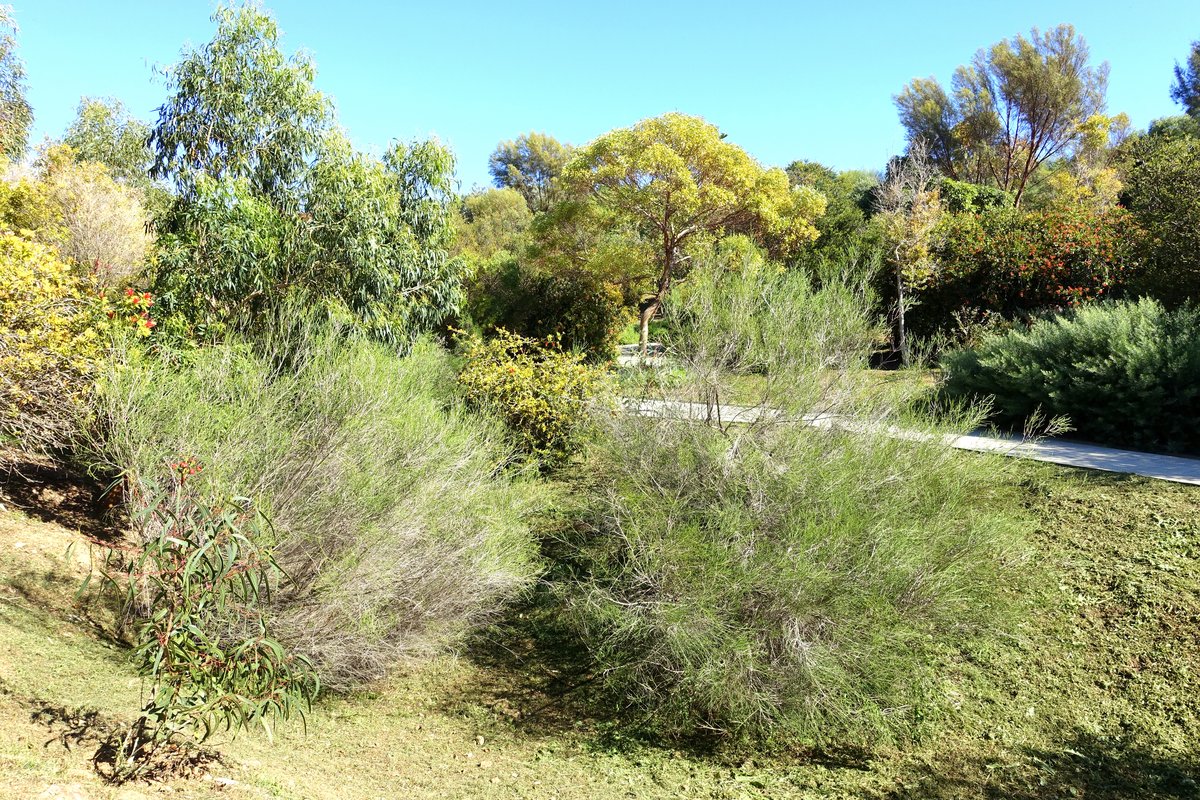
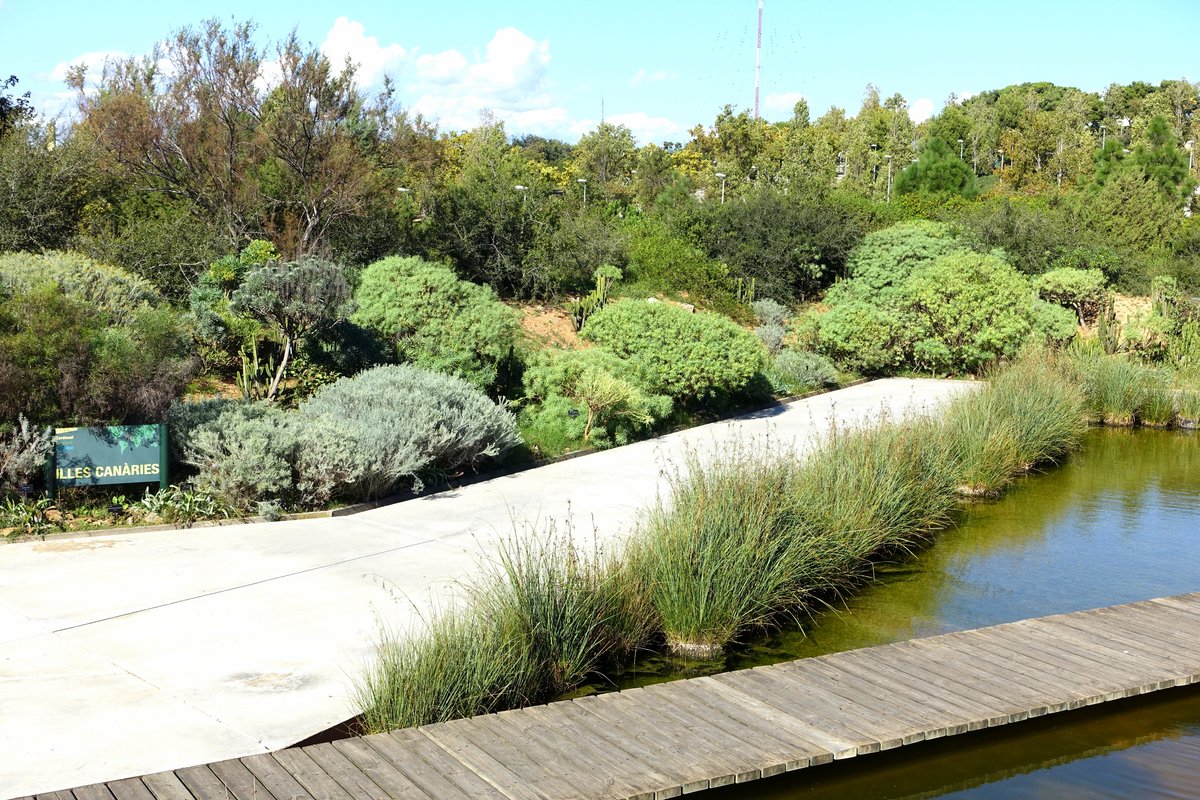
The Jardí Botànic de Barcelona is meticulously organized to represent the diverse plant life found in Mediterranean-type climates around the world. These climates, characterized by hot, dry summers and mild, wet winters, are found not only in the Mediterranean basin but also in parts of California, Chile, South Africa, and Australia.
The garden is divided into sections representing these different regions, allowing visitors to take a botanical journey around the world without leaving Barcelona. Each section showcases the unique adaptations plants have developed to thrive in these challenging environments.
Beyond the Plants
Architectural Heritage
The garden incorporates remnants of the historical Foixarda landscape, including old farmhouses and agricultural terraces, providing glimpses into the area's past.
Sculptural Elements
Contemporary sculptures are strategically placed throughout the garden, adding an artistic dimension to the natural beauty.
Panoramic Views
The garden's elevated location offers stunning panoramic views of Barcelona, from the city center to the Mediterranean Sea.
Nearby Attractions
Montjuïc Castle
A historic fortress offering panoramic views of the city and the sea.
Poble Espanyol
An open-air architectural museum showcasing replicas of buildings from different regions of Spain.
Magic Fountain of Montjuïc
A must-see spectacle of water, light, and music.
A Legacy for the Future
The Jardí Botànic de Barcelona stands as a testament to the city's commitment to preserving biodiversity, promoting scientific research, and providing a space for education and recreation. The garden's ongoing development and expansion ensure that it will continue to be a valuable resource and a source of wonder for generations to come.
Signature Plants of the Mediterranean
The Jardí Botànic showcases a rich tapestry of Mediterranean flora, each species exhibiting fascinating adaptations to the region's climate. Some of the most iconic plants include:
- Olive trees (Olea europaea): A symbol of the Mediterranean, olive trees are renowned for their drought tolerance, deep roots, and small, leathery leaves that minimize water loss (source).
- Holm oaks (Quercus ilex): These evergreen oaks are another dominant species, featuring small, sclerophyllous (hard-leaved) leaves that reduce transpiration during the dry season (source).
- Rosemary (Rosmarinus officinalis): This aromatic shrub thrives in dry, rocky conditions, thanks to its needle-like leaves and extensive root system (source).
- Lavender (Lavandula spp.): Known for its calming fragrance, lavender is well-suited to the Mediterranean climate, with its narrow, silver-grey leaves adapted to minimize water loss (source).
- Cistus (Cistus spp.): These shrubs, also known as rockroses, are adapted to fire-prone environments, with seeds that germinate readily after wildfires (source).
Adaptations for Survival
The plants of the Mediterranean region have evolved a range of fascinating adaptations to cope with the challenges of their environment. These include:
- Drought Tolerance: Many plants possess deep root systems to access water deep underground, while others have developed mechanisms to store water in their leaves or stems.
- Sclerophylly: The prevalence of hard, leathery leaves with a thick cuticle helps reduce water loss through transpiration.
- Fire Resistance: Some species, like the cistus, have adapted to fire-prone environments, with seeds that require heat for germination.
- Allelopathy: Certain plants release chemicals into the soil that inhibit the growth of competing species, maximizing their access to resources.
Biodiversity Hotspots
Mediterranean ecosystems are recognized as global biodiversity hotspots, harboring a remarkable variety of plant and animal life. This rich biodiversity is, however, under threat from various factors, including:
- Habitat Loss: Urbanization, agriculture, and infrastructure development continue to encroach upon natural habitats.
- Climate Change: Rising temperatures, altered rainfall patterns, and increased frequency of extreme weather events pose significant challenges.
- Invasive Species: The introduction of non-native species can disrupt ecological balances and outcompete native flora.
Enhancing Your Visit to Jardí Botànic de Barcelona
Guided Tours
- Thematic Walks: Offer guided tours focused on specific plant families, ecological themes, or historical aspects of the garden.
- Expert-Led Tours: Collaborate with botanists, horticulturalists, or landscape architects to lead specialized tours, offering in-depth knowledge and insights.
- Interactive Tours for Families: Design engaging tours for families with children, incorporating scavenger hunts, interactive games, or storytelling elements related to the plant world.
Interactive Exhibits and Activities
- Sensory Garden: Create a dedicated area stimulating all senses, featuring fragrant plants, textured foliage, and soothing sounds. This is particularly beneficial for visually impaired visitors.
- Botanical Art Workshops: Host workshops on botanical illustration, photography, or nature journaling, encouraging visitors to engage creatively with the garden's beauty.
- Plant Identification Apps: Develop or utilize existing plant identification apps to allow visitors to learn about the species they encounter in real-time.
Events and Programs
- Seasonal Celebrations: Organize events celebrating seasonal changes in the garden, such as spring blooms or autumn foliage.
- Outdoor Concerts and Performances: Utilize the garden's serene ambiance to host open-air concerts, theatrical performances, or poetry readings, enhancing the cultural experience.
- Wellness Activities: Offer yoga classes, tai chi sessions, or guided meditation amidst the tranquil surroundings of the garden, promoting well-being and relaxation.
Technology Integration
- Augmented Reality (AR) Experiences: Develop AR experiences accessible through smartphones or tablets, overlaying digital information, 3D models, or historical imagery onto the real-world garden.
- Interactive Kiosks: Place strategically located kiosks providing information about the garden's history, plant collections, upcoming events, and interactive maps.
- Online Resources: Create a comprehensive website and social media presence, offering virtual tours, educational content, and online booking facilities.
Accessibility and Inclusivity
- Accessible Pathways and Facilities: Ensure all pathways are wheelchair accessible and provide facilities like ramps and accessible restrooms.
- Multilingual Signage and Information: Offer information in multiple languages to cater to international visitors.
- Sensory-Friendly Options: Designate quiet zones within the garden and provide sensory maps or guides for visitors with sensory sensitivities.
Community Engagement
- Volunteer Programs: Establish volunteer programs allowing locals to participate in garden maintenance, research, or visitor guidance, fostering a sense of ownership and community.
- Educational Outreach: Partner with local schools and organizations to offer educational programs on botany, ecology, and environmental conservation.
- Local Artist Showcases: Provide a platform for local artists to exhibit nature-inspired artwork within the garden, creating a connection between art and nature.
Sustainability Initiatives
- Highlight Conservation Efforts: Showcase the garden's role in plant conservation, research, and sustainability practices.
- Promote Eco-Friendly Practices: Encourage visitors to adopt eco-friendly habits by providing information on water conservation, waste reduction, and responsible gardening.
- Sustainable Gift Shop: Offer a curated selection of sustainable and locally sourced products in the garden's gift shop.
Tickets & tours.
These are guided options from our partners — same price as booking direct.
Prices are indicative — final pricing and availability are confirmed at checkout. Audiala may earn a commission from bookings made through these links.
Listen to the full story in the app
The whole Jardí Botànic De Barcelona,
told well.
Audio guides for 1,100+ cities across 96 countries. History, stories, and local insight — offline ready.
Verified, and shown.
Researched and written by the Audiala editorial team from historical records, architectural archives, and local expertise.
Researched from Wikidata, Wikipedia & official sources · fact-checked · How we make our guides →