Plan and listen to Hospital De Sant Pau with Audiala.
Audio guide in your pocket, itinerary in your browser. Built for the way you actually visit.
Introduction
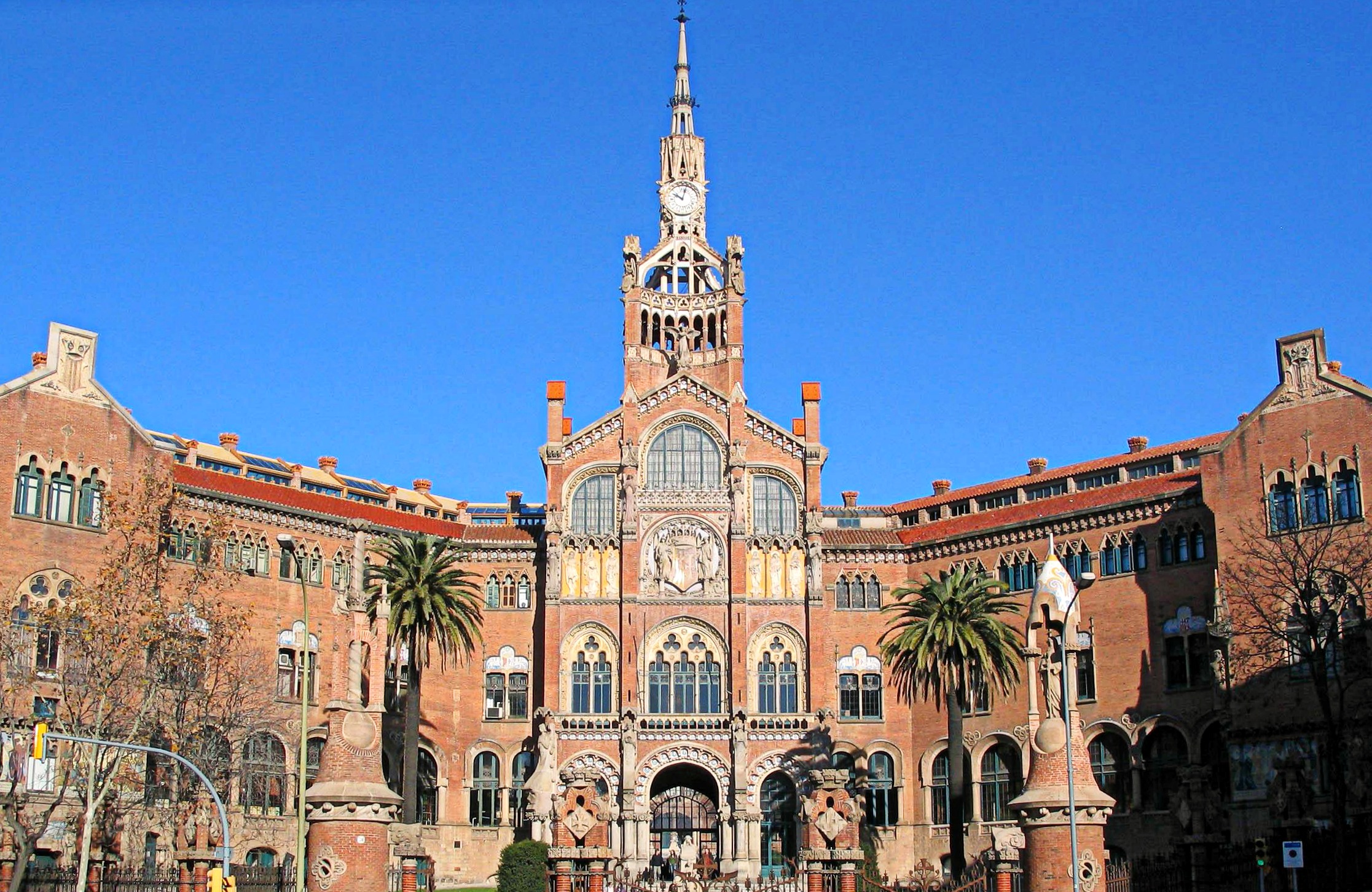
Nestled in the heart of Barcelona, the Hospital de Sant Pau—formally known as the Hospital de la Santa Creu i Sant Pau—stands as a crowning achievement of Catalan Modernism and an enduring symbol of the city’s rich cultural and medical heritage. Designed by visionary architect Lluís Domènech i Montaner in the early 20th century, the hospital is Europe’s largest Art Nouveau complex and a UNESCO World Heritage Site. From its medieval origins to its current role as a vibrant cultural and institutional center, Sant Pau offers a unique journey through the evolution of healthcare, architecture, and urban planning in Barcelona (Sant Pau Official Site; Barcelonasecreta).
This comprehensive guide provides detailed information on visiting hours, ticket options, accessibility, guided tours, travel tips, and the historical and cultural significance of the Hospital de Sant Pau. Whether you are an architecture enthusiast, a history buff, or a curious traveler, this article will help you plan an enriching visit to one of Barcelona’s most inspiring landmarks.
Historical Background
Medieval Origins and Early Development
The roots of the Hospital de Sant Pau trace back to 1401, when the city’s authorities merged six smaller hospitals to create the Hospital de la Santa Creu, responding to Barcelona’s burgeoning healthcare needs. The original institution, located in the Raval district, became one of Europe’s longest-running hospitals. Some of its medieval features, such as the cloister, remain open to the public as gardens and libraries (Forever Barcelona).
The Modernist Vision
By the late 19th century, Barcelona’s rapid growth and medical advances necessitated a new, modern hospital. Banker Pau Gil’s bequest enabled the construction of a new hospital dedicated to Saint Paul (Sant Pau). Lluís Domènech i Montaner was commissioned to design the complex, envisioning a "city within a city" composed of 27 interconnected pavilions, lush gardens, and underground tunnels—a revolutionary approach prioritizing patient well-being, hygiene, and healing environments (Barcelonasecreta; IR Barcelona).
20th Century and UNESCO Recognition
The modernist complex was inaugurated in 1930 and served as a leading medical institution until 2009. In 1997, the Hospital de Sant Pau was recognized as a UNESCO World Heritage Site for its architectural and cultural significance, alongside the Palau de la Música Catalana (Barcelonasecreta).
Restoration and Contemporary Use
With the construction of a new hospital building in the early 2000s, the original pavilions were retired from medical use and underwent extensive restoration (2009–2020). The restored complex now functions as a cultural and institutional hub, hosting exhibitions, museums, international organizations, and public events (Sant Pau Official Site; IR Barcelona).
Visiting the Hospital de Sant Pau
Location and Accessibility
Address: Carrer de Sant Antoni Maria Claret, 167, 08025 Barcelona
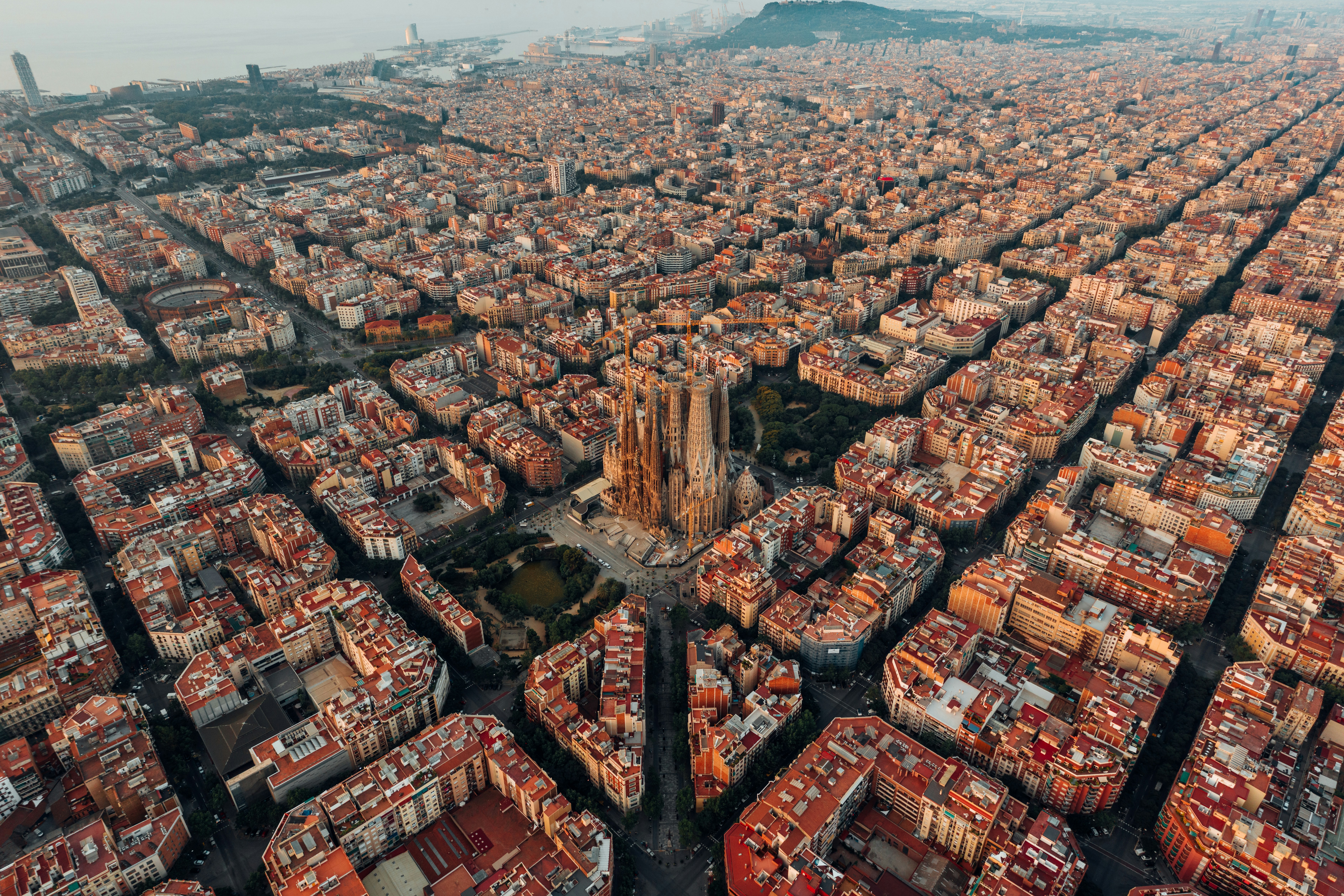
District: Eixample, a few blocks northeast of the Sagrada Família
Getting There:
- Metro: L5 (Sant Pau | Dos de Maig), L4 (Guinardó | Hospital de Sant Pau)
- Bus: Lines 19, 47, 117, 191, 192, D50, H8, N1, N0, N4, V23
- Walking: Avinguda de Gaudí offers a scenic route directly connecting Sant Pau to the Sagrada Família (barcelonawithmarta.com; lionsinthepiazza.com)
The complex is fully accessible with ramps, elevators, and adapted restrooms. Assistance services can be arranged for visitors with reduced mobility (Sant Pau Foundation).
Visiting Hours
- April – October: Daily, 9:30 AM – 6:30 PM
- November – March: Daily, 9:30 AM – 5:00 PM
- Sundays and public holidays: Typically 10:00 AM – 2:30 PM
- Closed: December 25, January 1, and select special dates
Last admission is 30–60 minutes before closing. Hours may vary for special events—check the official website for up-to-date information (barcelonawithmarta.com).
Tickets and Prices
- General Admission: €15–€17
- Reduced Admission (students, seniors, youth 12–29): €10–€11.90
- Children under 12: Free
- Guided Tours: €20–€21 (includes entry; free for children under 12)
- Audio Guide: €4 (standard), €3 (app-based)
- Discounts: Barcelona Card holders (20% off), ICOM members (free)
- Family tickets: Available
Tickets can be purchased online or at the entrance. Advance booking is strongly recommended, especially during peak seasons (museos.com; ticketshop.barcelona).
Guided Tours and Audio Guides
- Guided Tours: 90-minute tours in English, Spanish, and Catalan. These provide in-depth insights into the site’s history and architecture. Advance reservation is advised (barcelonawithmarta.com).
- Audio Guides: Available for a small fee, allowing self-guided exploration at your own pace (museos.com).
Visitor Experience: What to See and Do
The Monumental Complex
The Recinte Modernista de Sant Pau is the restored, museum-like part of the hospital, open to visitors and showcasing the splendor of Catalan Modernism.
Highlights:
- Main Administration Pavilion: Features grand halls, intricate mosaics, stained glass, woodwork, and a terrace with panoramic views of the gardens and Sagrada Família (barcelonawithmarta.com).
- Pavilions: Originally intended to be 48, with 27 built (16 in Modernist style). Several house exhibitions on the hospital’s history, medical advances, and Modernist design (ticketshop.barcelona).
- Gardens: Landscaped areas designed for healing, now a peaceful retreat for visitors (barcelonawithmarta.com).
- Unrestored Pavilion: Preserved as a testament to pre-renovation conditions, offering unique insight into the restoration (museos.com).
- Temporary Exhibitions: Rotating displays on art, history, and medicine.
Underground Tunnels
Some of the original tunnels, designed for patient and staff circulation, are open to visitors during guided tours, revealing the innovative logistics and hygiene concepts of early 20th-century hospital design (Barcelonasecreta).
Dining and Amenities
- 1902 Cafè Modernista: Offers drinks, snacks, and light meals in an architecturally significant setting (barcelonawithmarta.com).
- Gift Shop: Features books, souvenirs, and crafts inspired by Modernisme and Catalan culture.
Special Events and Seasonal Highlights
- Evening Illuminations: The complex is illuminated after dark, with special light shows during events like Christmas (landed.at).
- Cultural Events: Regular concerts, lectures, and festivals are held onsite. Check the official calendar for details.
Tips for a Memorable Visit
- Allow 1.5–2 hours to explore the pavilions, tunnels, and gardens.
- Best times to visit: Early mornings or late afternoons on weekdays to avoid crowds.
- Combine with Sagrada Família: The two sites are within walking distance—Avinguda de Gaudí is a scenic route (ticketshop.barcelona).
- Photography: Permitted throughout most of the complex; look for signage regarding restrictions. The mosaics, stained glass, and gardens provide excellent photo opportunities.
- Language: Signage and exhibitions are in Catalan, Spanish, and English.
- Weather: Gardens and outdoor spaces are best enjoyed in pleasant weather—plan accordingly.
- Security: Bags may be checked; lockers available for larger items.
Visitor Conduct and Regulations
- Respect restricted areas and maintain a quiet atmosphere; parts of the site remain in institutional use.
- No smoking anywhere on the premises.
- Pets: Only guide dogs are permitted.
Nearby Attractions
- Sagrada Família: Barcelona’s iconic basilica is a 10–15 minute walk away.
- Palau de la Música Catalana: Another Domènech i Montaner Modernist gem, accessible with combination tickets (museos.com).
- Eixample neighborhood: Explore local cafés, shops, and other architectural highlights.
Frequently Asked Questions (FAQ)
Q: What are the visiting hours of Hospital de Sant Pau?
A: April–October: 9:30 AM–6:30 PM; November–March: 9:30 AM–5:00 PM. Sundays and holidays typically close at 2:30 PM.
Q: How much do tickets cost?
A: €15–€17 (general), €10–€12 (reduced), free for children under 12; guided tours are €20–€21.
Q: Is the site wheelchair accessible?
A: Yes, with ramps, elevators, and adapted restrooms.
Q: Are guided tours available?
A: Yes, in English, Spanish, and Catalan; booking ahead is recommended.
Q: Can I take photographs?
A: Yes, except in areas with posted restrictions.
Q: How long should I plan for my visit?
A: 1.5 to 2 hours is ideal for a comprehensive tour.
Visuals and Interactive Media
The official website offers virtual tours and interactive maps. Descriptive images highlight features such as the “Hospital de Sant Pau main pavilion facade,” “Colorful Modernist mosaic details,” and “Gardens surrounding the Hospital de Sant Pau complex.”
Cultural Programming and Contemporary Use
Following restoration, Sant Pau is now a thriving cultural and research center, frequently hosting exhibitions, concerts, and international conferences (Barcelona Global). Its ongoing role as a hub for international organizations underscores its lasting significance in Barcelona’s social and intellectual life.
Summary
Hospital de Sant Pau is a testament to Barcelona’s dedication to art, healthcare innovation, and cultural identity. From its medieval inception to its Modernista transformation and current role as a cultural icon, it offers a powerful narrative of the city’s evolution. Flexible visiting hours, diverse ticket options, multilingual tours, and full accessibility ensure a welcoming experience for all. Its proximity to other landmarks like the Sagrada Família and Palau de la Música Catalana makes it a must on any Barcelona itinerary. Book your tickets in advance, take a guided tour, and immerse yourself in one of Europe’s most inspiring historical sites (Sant Pau Official Site; Barcelonasecreta; barcelonawithmarta.com).
Listen to the full story in the app
The whole Hospital De Sant Pau,
told well.
Audio guides for 1,100+ cities across 96 countries. History, stories, and local insight — offline ready.

Verified, and shown.
Researched and written by the Audiala editorial team from historical records, architectural archives, and local expertise.
Last reviewed
Researched from Wikidata, Wikipedia & official sources · fact-checked · How we make our guides →