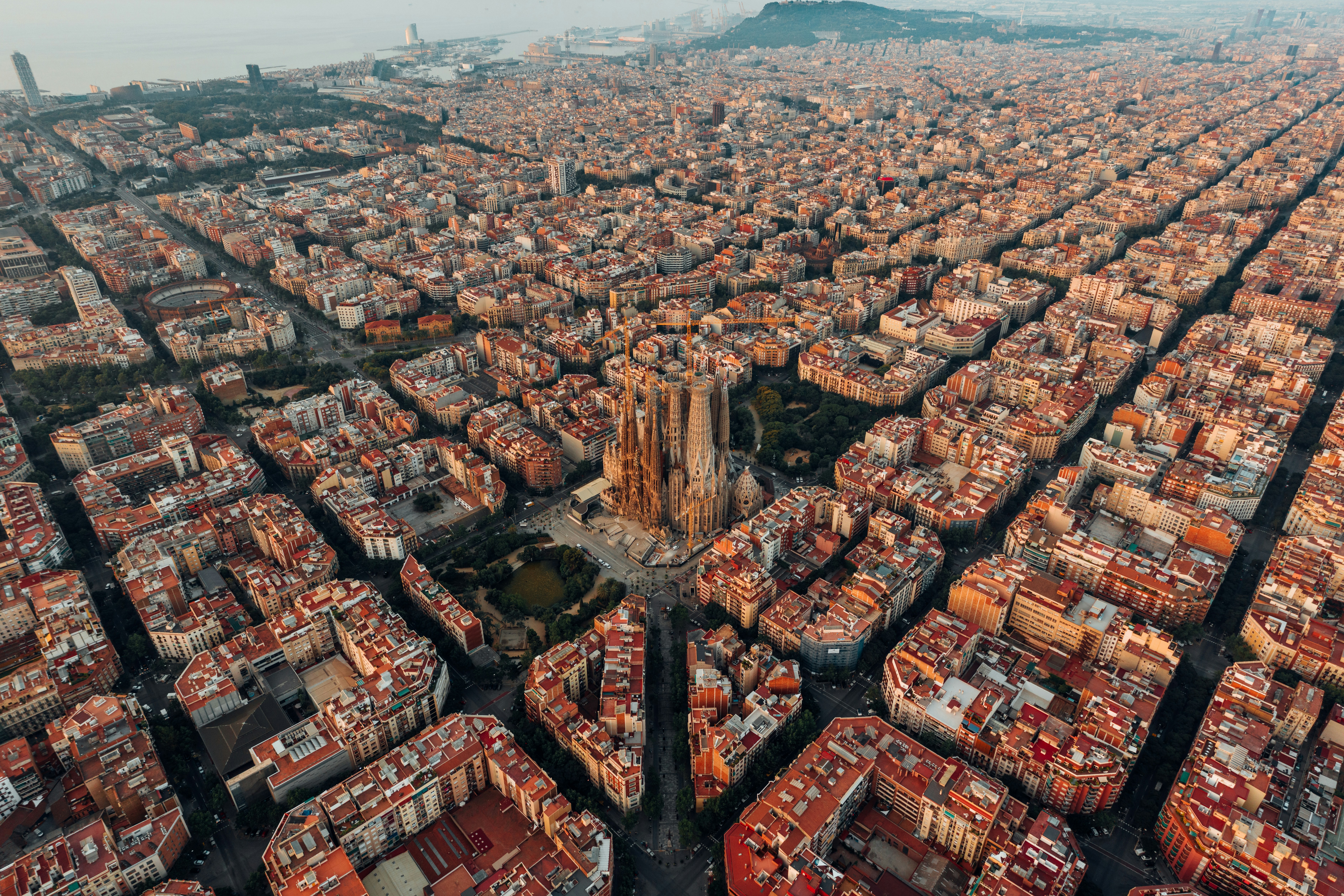
An introduction.
Researched by the Audiala editorial team from historical records, architectural archives, and local expertise.
WWhy does a neighborhood celebrated for its pristine medieval authenticity feel so carefully staged? The Gothic Quarter in Barcelona, Spain, lures travelers with its promise of untouched antiquity, but the real reward lies in tracing the deliberate fingerprints of urban survival. Step past the Roman foundations and neogothic facades, and you'll find a labyrinth where the scrape of café chairs, the cool draft from vaulted passageways, and the sudden burst of sunlight in hidden plazas ground every paradox in physical reality.
You come here expecting a frozen relic. Instead, you get a working city archive. The irregular street grid refuses to align with modern logic, forcing you to surrender to its pace. This isn't an accident of planning. It's the accumulated residue of two millennia of adaptation, where Roman foundations deeper than a subway tunnel, medieval trade routes, and municipal vanity projects collided and settled into stone.
The district survives because it refuses to stop functioning. Plaça de Sant Jaume still echoes with the debates of Catalan legislators. The Barcelona Cathedral still rings its bells for daily mass. Even the shadowed courtyards tucked behind wrought-iron gates continue to serve as private refuges from the Mediterranean heat. The architecture breathes. It adjusts. It outlives.
01 What to see.
Catedral de Santa Eulàlia
Pont del Bisbe
Dawn Circuit: Roman Foundations to Civil War Scars
02 In pictures.


Plan and listen to Gothic Quarter with Audiala.
Audio guide in your pocket, itinerary in your browser. Built for the way you actually visit.
03 Visitor logistics.
The practical scaffolding for a good visit — kept short.
Getting There
Metro lines L3 and L4 drop you at the quarter’s edge. Walk ten minutes south from Plaça de Catalunya along Via Laietana to slip into the medieval grid, a maze of alleys barely wide enough for a delivery bicycle. Street parking vanishes past the boundary; use BSM Saba Jaume I for €4 an hour, roughly the price of two espressos.
Opening Hours
The public district stays open 24/7 as of 2026. Internal landmarks like the Barcelona Cathedral and MUHBA museums typically close Mondays and pause operations between 13:00 and 16:00. Religious holidays occasionally block courtyard access for processions.
Time Needed
Rushing past the main squares takes roughly 90 minutes, barely enough time to cross three plazas. Give yourself four hours to trace Roman foundations older than the Magna Carta, wander El Call, and watch afternoon shadows stretch across Plaça del Rei. A full day lets you linger over café stops.
Terrain & Access
Wide plazas offer flat pavement. Inner alleys narrow to original medieval cobblestones that will rattle any wheeled luggage like a jackhammer. The MUHBA Roman site provides an elevator at Plaça del Rei, while the Cathedral cloister demands stair climbing.
Cost & Tickets
Walking the streets costs absolutely nothing. A single MUHBA ticket grants access to seven underground archaeological sites spanning foundations wider than a standard tennis court. Guided walking tours start around €30, costing less than a single museum ticket elsewhere in the city.
05 Tips for visitors.
Small things that change the day.
Cover Shoulders & Knees
Security turns away sleeveless visitors at church doors. Pack a light scarf for midday sun and Mass.
Frame Upward
Flash and tripods remain banned inside active worship spaces. Point your lens at the Pont del Bisbe arch to catch the carved skull and dagger hidden above.
Guard Your Pockets
Pickpockets operate in Plaça Nova using map distractions and sudden shoulder bumps. Keep phones zipped in front pockets and walk past anyone offering free woven bracelets.
Eat on Carrer del Call
Skip places with laminated menus and paella signs on main squares. Walk two blocks onto Carrer del Call for century-old bodegas serving vermut and handwritten daily specials under €15.
Chase Morning Light
Arrive at 7 AM to hear your own footsteps echo off the stone walls before summer heat turns the narrow alleys into an oven.
Keep Voices Low
Many Gothic facades are 1920s romantic reconstructions rather than medieval originals. Respect the shrinking residential population by lowering your voice after 10 PM.
Where to Eat
Don't Leave Without Trying
Dining Tips
- check Breakfast is typically a light affair served between 8:00 AM and 11:00 AM.
- check Lunch is the main meal, usually from 1:30 PM to 3:30 PM, often featuring a 'menú del día'.
- check Dinner is a late-night affair, usually starting after 8:30 or 9:00 PM.
- check Tipping 7% to 10% for sit-down meals is standard practice; for groups, €1 per person is customary.
- check Many local market stalls and vendors may close entirely during August for summer holidays.
Restaurant data powered by Google
04 A history of reinvention.
The Palimpsest That Never Stopped Breathing
For two millennia, this exact patch of earth near Mont Tàber hill has served as Barcelona's administrative and spiritual nerve center. The Romans laid out their forum here. Medieval kings held court in the same shadow. Modern Catalan ministers draft policy in buildings that share those original foundations. The district's real weight isn't measured in centuries. It's measured in unbroken function.
Records show that municipal authorities have continuously adapted these streets to meet shifting political and economic demands, yet the core purpose never fractured. Plaça de Sant Jaume still echoes with legislative debates. The Barcelona Cathedral still rings its bells for daily mass. Even the shadowed courtyards tucked behind wrought-iron gates continue to serve as private refuges from the Mediterranean heat. The architecture breathes. It adjusts. It outlives.
The Architect Who Forged a Memory
Most visitors accept the Gothic Quarter as a miraculously preserved medieval survivor. The clean arches, the cohesive stone facades, and the romantic plazas seem to whisper of centuries of careful maintenance. But the mortar joints don't quite line up with the Middle Ages. The proportions feel slightly too theatrical, and the historical record quickly contradicts the brochure.
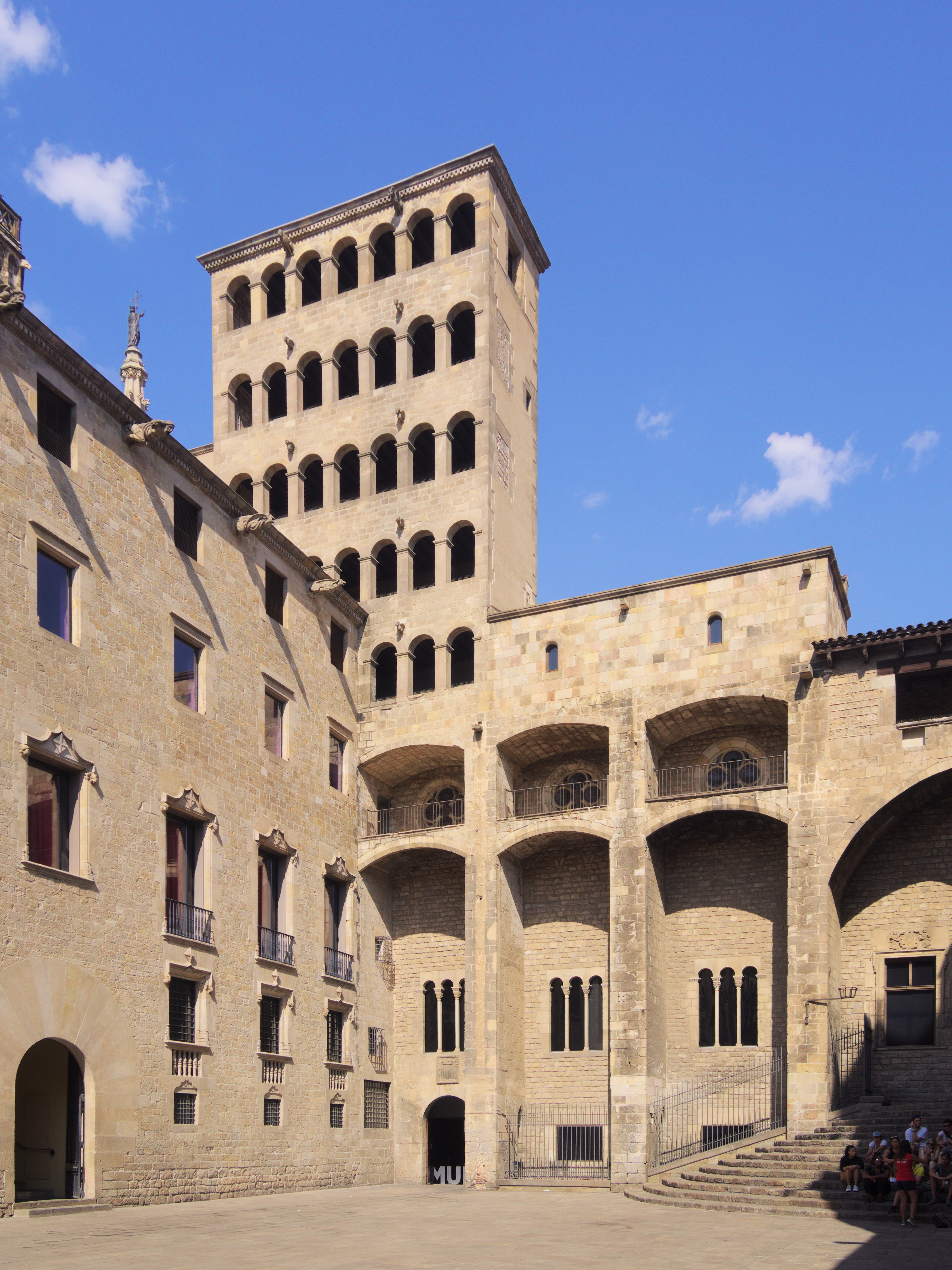
Adolf Florensa i Puig, Barcelona’s chief municipal architect from 1928 to 1957, held the literal fate of the neighborhood in his drafting hands. With modernist developers circling and regional identity under political siege, Florensa bet his career on radical reconstruction rather than passive preservation. The turning point arrived during the 1920s clearance of Plaça del Rei, when he chose to relocate salvaged facades from demolished blocks and commission entirely new neogothic additions to stitch the district into a cohesive whole. He risked academic condemnation as a historical falsifier to manufacture a visual anchor for Catalan heritage.
Knowing this shifts your entire walk. Those perfectly aligned arches aren't untouched originals. They're deliberate echoes. You stop hunting for medieval purity and start reading the quarter as a masterclass in cultural survival. Florensa didn't erase history. He translated it.
The Erased Grid
The Living Forum
Listen to the full story in the app
The whole Gothic Quarter,
told well.
Audio guides for 1,100+ cities across 96 countries. History, stories, and local insight — offline ready.

06 Frequently asked.
The questions travellers send us most about Gothic Quarter.
Is the Gothic Quarter worth visiting?
Yes, but only if you treat it as a deliberate twentieth-century theatrical set. Architect Adolf Florensa spent the 1920s relocating salvaged limestone blocks and drafting neogothic bridges to manufacture a cohesive Catalan identity. The seams reveal the truth.
How long do you need at the Gothic Quarter?
Plan three to five hours to actually absorb its layered chronology without sprinting past the good stuff. You will need roughly an hour to descend into the MUHBA’s preserved Roman streets and another to trace the shrapnel scars left by the 1938 bombing in Plaça Sant Felip Neri. Wear flat shoes.
How do I get to the Gothic Quarter from Las Rambla?
You simply step off the promenade and cross Carrer de Ferran. The transition takes less than a minute, dropping you into alleys barely two meters wide that instantly swallow the street noise and trap summer heat. Carry no map.
What is the best time to visit the Gothic Quarter?
Arrive between 7:00 AM and 8:00 AM to experience the quarter before the crowds flatten its acoustic profile. The narrow stone canyons act as natural waveguides that amplify individual footsteps and distant fountain water across weathered facades. Hear the geese.
Can you visit the Gothic Quarter for free?
Walking the neighborhood costs absolutely nothing. Your only expenses come from entering specific sites like the cathedral rooftop or the MUHBA circuit, where tickets run roughly fifteen euros. Skip the tickets.
What should I not miss at the Gothic Quarter?
Do not miss Plaça del Rei at dusk. This plaza served as the administrative nerve center for the Crown of Aragon in the fourteenth century, and its sheer vertical scale makes nearby buildings feel like canyon walls. Watch the lanterns.
Verified, and shown.
Researched and written by the Audiala editorial team from historical records, architectural archives, and local expertise.
Details Adolf Florensa's 1920s reconstruction campaigns, neogothic bridge design, and the quarter's transformation from medieval fabric to romanticized theatrical set.
Documents the 1938 Italian bombing of Plaça Sant Felip Neri, the Pont del Bisbe skull carving, and local acoustic characteristics.
Covers the MUHBA underground Roman street layout, Carrer de Ferran boundary crossing, and historical urban stratification.
Provides context on Plaça del Rei's medieval administrative role, Crown of Aragon history, and vertical scale of surrounding stone facades.
Catalogs inverted Hebrew tombstones along Carrer dels Comtes, ticket pricing for religious and archaeological sites, and hidden architectural details.
Last reviewed
Researched from Wikidata, Wikipedia & official sources · fact-checked · How we make our guides →