Plan and listen to Faculty Of Theology Of Catalonia with Audiala.
Audio guide in your pocket, itinerary in your browser. Built for the way you actually visit.
Introduction
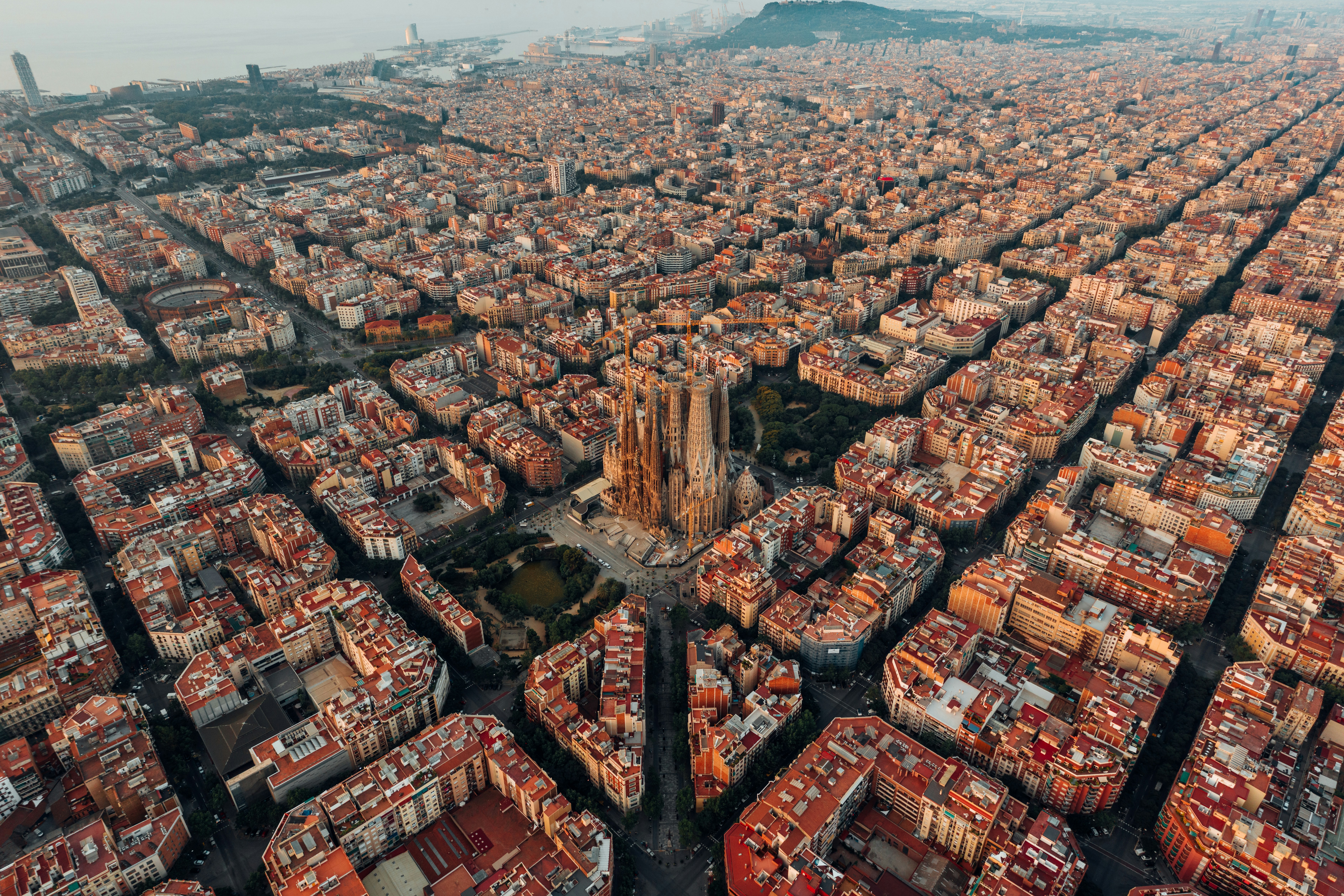
Nestled in Barcelona’s Eixample district, the Faculty of Theology of Catalonia (Facultat de Teologia de Catalunya, FTC) stands as a beacon of Catholic theological education, cultural heritage, and academic excellence. Since its establishment in 1968 by the Congregation for Catholic Education, the FTC has played a pivotal role in shaping Catalan religious scholarship and fostering dialogue between faith and modern society (Free Apply). Today, it welcomes visitors, scholars, and travelers to explore its historic campus, engage with its vibrant academic community, and discover its place among Barcelona’s most significant cultural sites.
Historical Foundations and Academic Authority
The FTC was officially established in 1968, centralizing and elevating centuries of theological instruction that historically took place within seminaries and religious orders in Catalonia. The faculty was canonically erected by the Congregation for Catholic Education, empowering it to grant ecclesiastically recognized degrees at the bachelor, master, and doctoral levels—qualifications that are also recognized under Spanish law (Free Apply). In 2015, FTC became part of the Ateneu Universitari Sant Pacià, strengthening its academic collaborations within the Catholic university ecosystem (Free Apply).
Theological Mission and Cultural Impact
FTC’s academic mission emphasizes rigorous research and teaching in theology, fostering dialogue between faith and contemporary culture. The faculty’s curriculum spans dogmatic theology, moral theology, biblical studies, church history, liturgy, and culturology. The FTC is deeply engaged in interdisciplinary collaboration with Jesuit institutions and other Catholic academic networks, notably through programs like the Visiting Theologian Program in partnership with IQS – University Ramon Llull, ESADE, Cristianisme i Justícia, and the Kircher Network (Cristianisme i Justícia).
Beyond ecclesiastical education, the FTC actively addresses social issues such as ethics, justice, and interreligious dialogue, contributing to wider societal debates and fostering cultural exchange within Catalonia and the global Catholic community (Cristianisme i Justícia).
Location, Architecture, and Campus Facilities
Campus Location
The FTC is centrally located at Carrer de la Diputació, 231, 08007 Barcelona, inside the Eixample district—an area renowned for its modernist architecture and vibrant city life (Free Apply). The campus is easily accessible via metro (Universitat and Passeig de Gràcia stations), bus, and other public transportation options.
Campus Facilities
- Academic Buildings: The campus includes lecture halls, seminar rooms, and faculty offices equipped with modern technology.
- Libraries: The Biblioteca Sant Pacià, Borja Library, and access to the UNIJES library network offer extensive theological and historical resources, including rare manuscripts.
- Chapel: The historic chapel provides a tranquil space for prayer and reflection.
- Cafeteria and Social Spaces: The on-site cafeteria serves Mediterranean and Catalan cuisine and offers outdoor seating in a landscaped courtyard.
- Conference Facilities: FTC hosts seminars and conferences in modern, multimedia-equipped venues.
- Accommodation: Visiting scholars may stay at the Residence of the Sacred Heart, arranged through the FTC and Jesuit partners.
Visiting Hours, Tickets, and Guided Tours
- General Opening Hours: Monday to Friday, 9:00 AM to 6:00 PM. Some areas, like the library, have variable hours or require advance booking.
- Admission: Entry to the campus and chapel is free; no tickets are required for general visits.
- Guided Tours: Available by appointment, guided tours offer in-depth insights into the faculty’s history, architecture, and academic mission. These are especially popular during citywide events such as 48H Open House Barcelona.
- Special Events: Some conferences or workshops may require registration or a small fee.
For the most current visiting hours and to arrange guided tours, visitors are encouraged to check the official FTC website or contact the administration.
Special Events and Academic Programs
FTC regularly hosts public lectures, academic conferences, and cultural events addressing theological, ethical, and social topics. Many of these are open to the public, offering unique opportunities to engage with leading scholars and practitioners. The faculty is also an active participant in local religious and cultural festivals, such as Easter, Christmas, Sant Jordi, and La Mercè, enriching the visitor experience with themed lectures and open house events.
For details on upcoming events, consult the Cristianisme i Justícia event calendar.
Integration with Jesuit and Catholic Networks
The FTC’s strong ties with Jesuit and Catholic academic networks, including the Society of Jesus and the UNIJES network, foster academic exchange and research collaboration with institutions such as the University of Deusto, Pontifical University of Comillas, and Loyola University. These partnerships enhance the faculty’s resources and broaden the scope for interdisciplinary dialogue (Cristianisme i Justícia).
Practical Travel Tips for Visitors
- Dress Code: Modest attire is recommended, especially when visiting the chapel or attending formal events (Spain Inspired).
- Photography: Allowed in most public spaces; restrictions apply in the chapel and library. Always ask before photographing individuals or sensitive materials.
- Accessibility: FTC is wheelchair accessible with ramps, elevators, and adapted restrooms. Visitors with special needs should contact the administration in advance.
- Language: Catalan and Spanish are the primary languages, but English tours and materials are often available.
- Wi-Fi: Complimentary Wi-Fi is available throughout the campus.
- Nearby Attractions: The Gothic Quarter, Casa Batlló, Passeig de Gràcia, and Parc de la Ciutadella are all within easy reach.
Frequently Asked Questions (FAQ)
Q: What are the visiting hours for the FTC?
A: Monday to Friday, 9:00 AM to 6:00 PM. Confirm in advance for specific facilities or during holidays.
Q: Is there an admission fee or are tickets required?
A: Admission is free; no tickets are necessary. Some guided tours and special events may require registration or a small fee.
Q: Can I take a guided tour?
A: Yes, guided tours are available by appointment and during special events.
Q: Is the faculty accessible for visitors with disabilities?
A: Yes, the campus is wheelchair accessible. Contact administration for specific arrangements.
Q: Are there public events or lectures I can attend?
A: Many lectures and events are open to the public. Check the faculty’s website or event calendars for details.
Q: Can visitors access the library?
A: The library is open to students, scholars, and interested visitors by appointment or during special exhibitions.
Summary and Visitor Recommendations
The Faculty of Theology of Catalonia is a distinguished landmark where academic excellence, spiritual heritage, and Catalan culture intersect. Its accessible central location, combined with a welcoming approach to visitors, makes it an essential stop for anyone interested in Barcelona’s religious and cultural history. To make the most of your visit:
- Check current opening hours and event listings.
- Book a guided tour for a deeper understanding of the faculty’s history and mission.
- Respect the academic and religious setting through appropriate attire and conduct.
- Explore nearby historical and cultural attractions to enrich your visit.
- For enhanced navigation and guided content, download the Audiala app.
Experience the unique blend of faith, culture, and scholarship at the Faculty of Theology of Catalonia—a true gem within Barcelona’s historical landscape.
Listen to the full story in the app
The whole Faculty Of Theology Of Catalonia,
told well.
Audio guides for 1,100+ cities across 96 countries. History, stories, and local insight — offline ready.

Verified, and shown.
Researched and written by the Audiala editorial team from historical records, architectural archives, and local expertise.
Last reviewed
Researched from Wikidata, Wikipedia & official sources · fact-checked · How we make our guides →