Plan and listen to Casaramona with Audiala.
Audio guide in your pocket, itinerary in your browser. Built for the way you actually visit.
Introduction
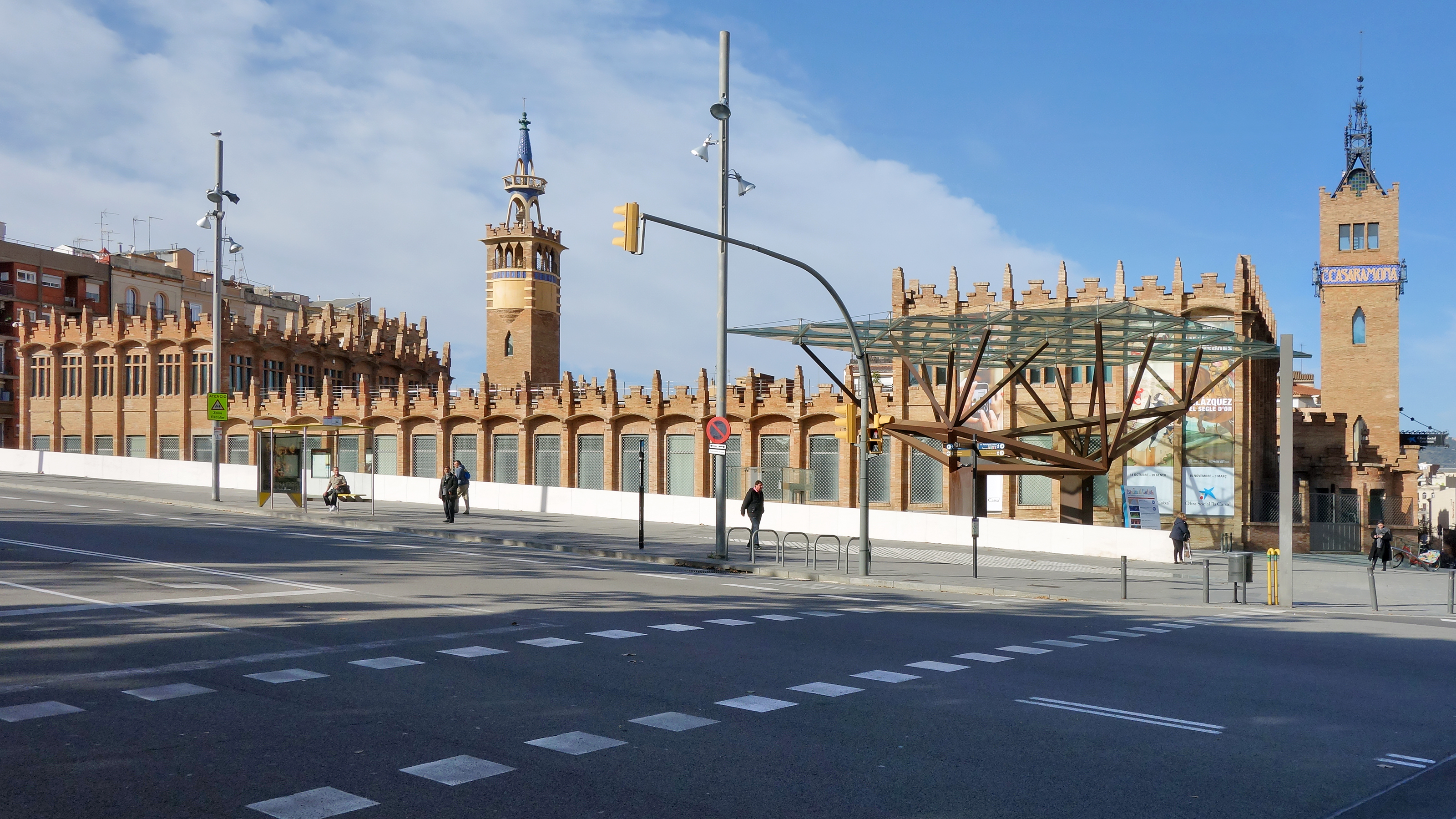
Casaramona, now known as CaixaForum Barcelona, sits at the base of Montjuïc hill and stands as a premier example of Catalan Modernisme blending with Barcelona’s industrial heritage. Originally built as a textile factory in the early 20th century, its transformation into a leading cultural center makes it a must-see for architecture lovers, art enthusiasts, and travelers keen to experience Barcelona's dynamic cultural scene (Modernismo Barcelona, Patrimoni Gencat, Arquitectura Catalana).
This guide provides comprehensive details on Casaramona’s history, architectural highlights, visiting hours, ticketing, accessibility, nearby attractions, and practical tips to ensure you have a rewarding visit.
Historical Context and Cultural Significance
Casaramona’s Industrial Origins
Commissioned by Casimir Casaramona i Puigcercós and constructed between 1909 and 1913, Casaramona was a pioneering textile factory in Barcelona. Designed by the celebrated architect Josep Puig i Cadafalch, it was among the city’s first factories to operate entirely on electricity—a reflection of early 20th-century progress and innovation. This technological leap allowed for a cleaner environment, eliminating the need for a factory chimney (Modernismo Barcelona).
Modernisme in Industrial Architecture
Casaramona marks a significant extension of the Modernisme movement—better known for its residential and civic landmarks—into industrial design. The factory’s layout, use of exposed brick, Catalan vaults, and decorative ironwork exemplify a fusion of utility, artistry, and regional craftsmanship (Ruta del Modernisme).
Architectural Design and Features
Architect: Josep Puig i Cadafalch
A key figure in Catalan Modernisme, Puig i Cadafalch designed Casaramona as his most ambitious industrial project. The building’s horizontal plan features single-story pavilions connected by “internal streets,” which improved safety and workflow after a prior fire at the original factory. Ample windows and open structures ensured abundant natural light and ventilation, setting new standards for worker welfare (Patrimoni Gencat).
Distinctive Elements
- Materials: Red brick, Catalan vaults, artificial stone, ceramics, and decorative wrought iron.
- Towers: Two square towers functioned as water tanks for fire prevention.
- Absence of Chimney: Use of electricity enabled a cleaner, more modern design.
- Decorative Details: The elegant blend of function and artistic flourishes embodies the Modernisme ethos (Ruta del Modernisme).
Recognition and Restoration
Casaramona received the First Prize in Barcelona’s 1913 Artistic Buildings Competition and was declared a Monument of National Historical Interest in 1976. After periods serving as police stables and storage, the site was acquired by the "la Caixa" Foundation. Japanese architect Arata Isozaki led a sensitive restoration, preserving the building’s Modernista character and introducing contemporary features, such as the iconic steel-and-glass entrance. CaixaForum Barcelona opened in 2002 as a thriving cultural venue (Patrimoni Gencat, Barcelona.de).
Casaramona Today: CaixaForum Barcelona
Programming and Exhibitions
CaixaForum Barcelona hosts a rich calendar of exhibitions across art, photography, design, and science. The center collaborates with leading museums and has featured works by Dalí, Rodin, Rubens, Velázquez, and contemporary artists. Educational activities, family workshops, concerts, and lectures enhance its role as a hub of cultural life (Barcelona.de, Touristic Bus).
2025 Highlights
- Rubens and the Flemish Baroque Artists. Collections of the Museo del Prado (until 21 September 2025)
- Outside the Frame: Rineke Dijkstra and Philippe Parreno (until 26 October 2025) (Museos.com)
Check the official CaixaForum website for updated exhibition schedules.
Unique Experiences
- Guided Tours: Learn about architecture and exhibition highlights with expert guides.
- Photographic Spots: Capture the iconic brickwork, towers, and panoramic terrace views.
- Vertical Garden: A suspended green installation reflecting CaixaForum’s commitment to sustainability (Barcelona.cat).
- Visitor Amenities: Café, bookshop, free Wi-Fi, rest areas, and accessible facilities.
Visiting Hours, Tickets, and Accessibility
Opening Hours
- Daily: 10:00 AM – 8:00 PM
- Special Dates: Reduced hours (10:00 AM – 6:00 PM) on December 24, 31, and January 5
- Closed: December 25, January 1, and January 6
Tickets
- General Admission: €6 (includes all exhibitions)
- Discounts: Students, seniors, CaixaBank clients, and European Youth Card holders enjoy reductions.
- Free Entry: Children under 16, ICOM members, and on the first Sunday of each month.
- Barcelona Card: Free entry and discounts (bcnshop.barcelonaturisme.com).
Booking: Purchase tickets online or at the entrance. Advance booking is recommended for busy periods and major exhibitions.
Accessibility
- Step-free access, elevators, and adapted restrooms throughout
- Tactile exhibits and large-print guides available
- Trained staff ready to assist visitors with disabilities (barcelona-access.com)
Travel Tips and Getting There
- Metro: Lines L1 and L3 to Espanya station (a short walk away)
- Bus: Multiple lines serve the area; Tourist Bus (red route) stops nearby (webarcelona.net)
- FGC (Catalan Rail): Espanya station (S8, S33, R6, R5, S4)
- Parking: Secure parking available nearby from €8.50/day
Best visiting times: Weekdays and mornings are generally quieter. Visit on the first Sunday of the month for free entry.
Nearby Attractions
Casaramona’s location on Montjuïc hill places it near key cultural sites:
- Museu Nacional d’Art de Catalunya (MNAC): Renowned for Catalan art collections (Barcelona With Marta)
- Fundació Joan Miró: Modern art museum dedicated to Joan Miró (Time Out Barcelona)
- Poble Espanyol: Open-air museum of Spanish architecture (The Tour Guy)
- Magic Fountain of Montjuïc: Famous for its light and music shows
- Olympic Ring: Home to the 1992 Olympic venues
- Jardins de Laribal and Montjuïc Gardens: Perfect for a relaxing stroll
Special Events and Guided Tours
- Guided Tours: Available in multiple languages, focusing on architecture and exhibitions. Advance booking recommended.
- Special Events: Concerts, film screenings, lectures, and workshops are frequently held—check the CaixaForum agenda.
Frequently Asked Questions (FAQ)
Q: What are Casaramona’s opening hours?
A: Open daily from 10:00 AM to 8:00 PM; reduced hours on select holidays; closed on December 25, January 1, and 6.
Q: How much do tickets cost?
A: General admission is €6, with free or reduced rates for eligible groups.
Q: Are guided tours available?
A: Yes, in several languages. Booking ahead is advised.
Q: Is Casaramona accessible for visitors with disabilities?
A: Yes, with ramps, elevators, adapted restrooms, and assistance.
Q: Can I take photographs inside?
A: Non-flash photography is typically allowed except in some special exhibitions.
Listen to the full story in the app
The whole Casaramona,
told well.
Audio guides for 1,100+ cities across 96 countries. History, stories, and local insight — offline ready.

Verified, and shown.
Researched and written by the Audiala editorial team from historical records, architectural archives, and local expertise.
Last reviewed
Researched from Wikidata, Wikipedia & official sources · fact-checked · How we make our guides →