Plan and listen to Casa Rabaseda with Audiala.
Audio guide in your pocket, itinerary in your browser. Built for the way you actually visit.
Introduction: Discovering Casa Rabaseda in Barcelona
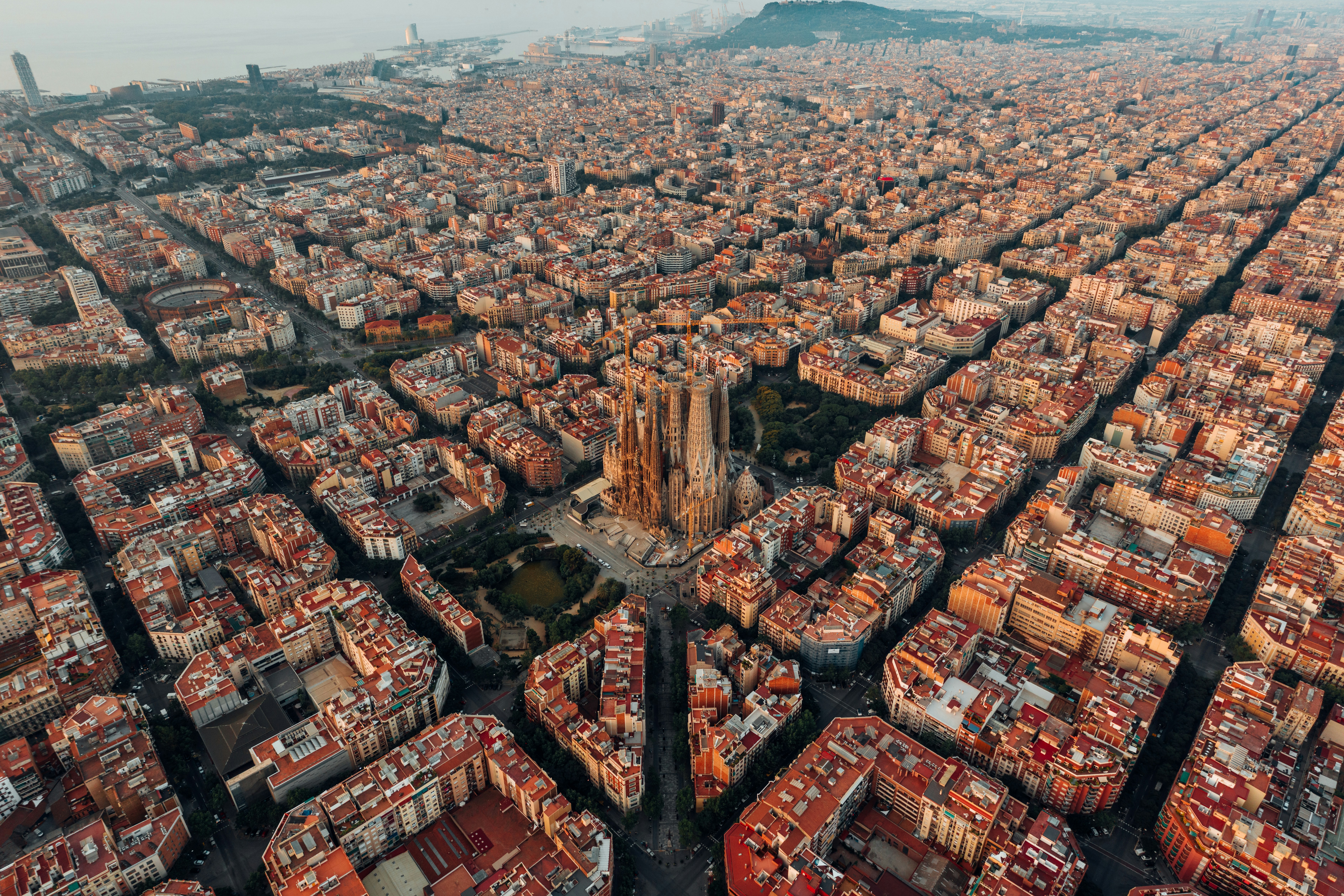
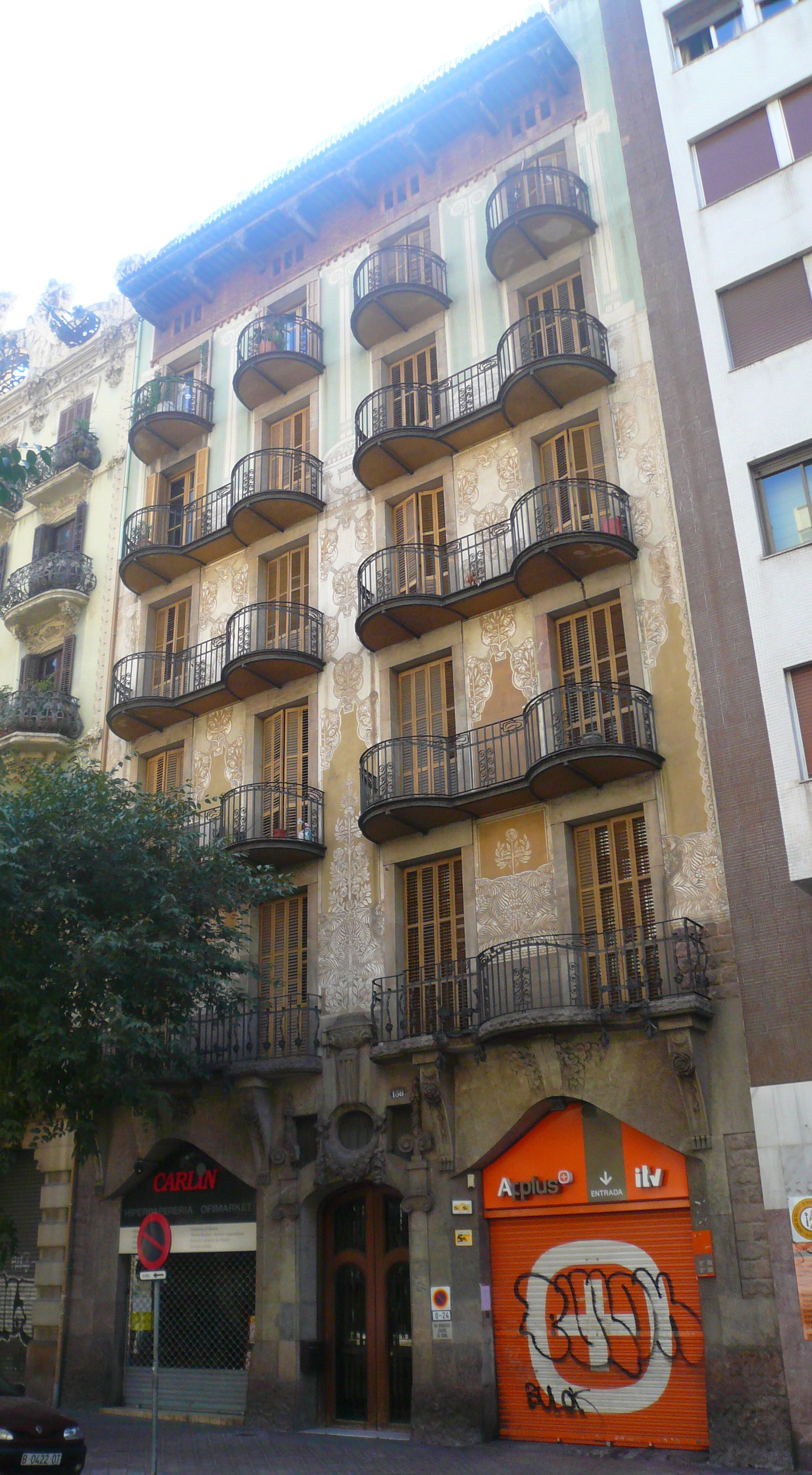
Set in the vibrant Eixample district of Barcelona, Casa Rabaseda is a remarkable yet often overlooked jewel of the city’s Modernisme (Catalan Art Nouveau) movement. Built in 1912 for the industrialist Joan Rabaseda and designed by Ferran Romeu i Ribot, Casa Rabaseda embodies the spirit of Barcelona’s early 20th-century cultural renaissance. Its elegant façade, intricate ironwork, decorative stucco, and harmonious blend of Modernisme and Noucentisme styles offer visitors a window into the artistic and social aspirations of a transformative era in Catalonia. Though primarily a residential building, its exteriors are accessible and frequently included in architectural walking tours, making it a rewarding stop for architecture enthusiasts and culturally curious travelers.
This detailed guide covers Casa Rabaseda’s history, architectural highlights, practical visitor information, and tips for exploring nearby attractions. Whether you are passionate about architecture, interested in Catalan heritage, or simply seeking an off-the-beaten-path experience in Barcelona, Casa Rabaseda offers a unique perspective on the city’s urban legacy.
For official updates and further information, consult resources such as Barcelona Turisme, Arquitectura Catalana, and Modernismo Barcelona.
Casa Rabaseda (Casa Joan Rabaseda) stands at Carrer de la Diputació, 158, in the heart of Eixample. Built during the city’s rapid urban expansion under Ildefons Cerdà’s plan, it reflects the aspirations of Barcelona’s burgeoning middle class. Recognized as a “Bé Cultural d’Interès Local” (BCIL), Casa Rabaseda’s preservation is ensured by local heritage laws, underscoring its cultural and architectural importance.
The building is notable for its synthesis of late Modernisme’s organic ornamentation and Noucentisme’s classical restraint. Its decorative elements—esgrafiats (plasterwork designs), wrought iron balconies, and floral motifs—are emblematic of the era’s craftsmanship and artistic collaboration. While less famous than Casa Batlló or Casa Milà, Casa Rabaseda enriches Barcelona’s architectural tapestry and offers insight into the city’s historical evolution.
Architectural Features and Decorative Highlights
Casa Rabaseda’s façade exemplifies the transition from exuberant Modernisme to the more structured Noucentisme. Noteworthy features include:
- Montjuïc Stone Base: The ground floor is clad with textured local stone, lending strength and elegance.
- Main Entrance: Framed by an escarzano arch and Ionic columns, the entrance is topped by a circular oculus with a garland of roses and a vase inscribed with “trevallant se fa la casa” (“working builds the house” in Catalan).
- Commercial Portals: Two arched portals with sculpted vegetal motifs provide access to ground-floor shops.
- Ornamental Details: The façade boasts intricate esgrafiats, floral and geometric patterns, wrought iron balconies, and a pronounced wooden and tile cornice.
- Vestibule: Visible through the entrance, the vestibule features ceramic wall tiles, a wooden ceiling, and a wrought-iron gate.
- Rooftop: Finished with a wrought-iron balustrade and integrated ventilators, the rooftop terrace offers a glimpse of Modernista ingenuity.
For virtual exploration and detailed photos, visit Arquitectura Catalana and Modernismo Barcelona.
Practical Visitor Information
Location and Access
Casa Rabaseda is centrally located at Carrer de la Diputació, 158, Eixample, Barcelona. The area is easily accessible by public transport:
- Metro: Urgell (L1) and Universitat (L1, L2) stations are both within a 5–10 minute walk.
- Bus: Several city bus lines serve the Eixample district.
- Parking: Limited street parking (paid zones); nearby public garages available, but public transport is recommended (Barcelona Tourist Guide).
Visiting Hours
Casa Rabaseda is a functioning residential building. There are no regular public visiting hours for the interior. The façade and entrance vestibule can be viewed at any time from the street.
Occasionally, during events like 48h Open House Barcelona, limited guided tours are offered. These are announced in advance on event websites and may allow rare interior access.
Tickets and Entry
- Viewing the Exterior: Free and accessible at all times.
- Special Tours: Tickets (typically €5–€10) may be required for guided visits during festivals. Advance booking is essential due to limited capacity.
Accessibility
- Sidewalks: Wide and accessible for wheelchairs and strollers.
- Interior: Access is generally limited; during special tours, accessibility may vary—contact organizers in advance if you have mobility needs.
Guided Tours and Special Events
Casa Rabaseda is occasionally included in specialized Modernista walking tours and local heritage events. For current offerings and schedules, consult Barcelona Turisme or the 48h Open House Barcelona website.
Travel Tips
- Best Time to Visit: Daytime, especially early morning or late afternoon for optimal lighting on the façade.
- Photography: Exterior photography is encouraged; interiors are generally off-limits unless on a special tour.
- Amenities: No public restrooms or visitor facilities on site; nearby cafés and restaurants offer amenities to customers.
- Safety: The Eixample district is safe, but remain vigilant for petty theft as in any major city (World City History).
- Language: Catalan and Spanish are official, but English is widely understood in tourist areas.
Nearby Attractions
Within walking distance of Casa Rabaseda, you’ll find some of Barcelona’s most celebrated Modernista buildings and cultural sites:
- Casa Batlló
- Casa Amatller
- Casa Milà (La Pedrera)
- Plaça de Catalunya (Bubbly Tourist)
- Parc Güell and the Gràcia neighborhood
These sites, together with Casa Rabaseda, provide a comprehensive view of Barcelona’s architectural and cultural evolution.
Cultural and Legal Status
Casa Rabaseda is protected as a “Bé Cultural d’Interès Local” (BCIL) by the Barcelona City Council (Modernismo Barcelona). This status ensures the preservation of its architectural features and restricts unauthorized modifications, safeguarding its heritage for future generations.
Visitor Etiquette
- Respect the privacy of residents; do not attempt to enter private areas.
- Keep noise to a minimum and avoid obstructing entrances.
- Dispose of litter properly.
- During guided tours, follow instructions and avoid touching architectural elements.
Frequently Asked Questions (FAQ)
Q: Can I visit inside Casa Rabaseda?
A: The building is primarily residential; public interior access is not available except occasionally during special tours.
Q: Are tickets required?
A: No tickets are needed to view the exterior. Special event tours may require a ticket.
Q: Is Casa Rabaseda accessible for wheelchairs?
A: The exterior sidewalk is accessible; interior accessibility during special events varies.
Q: Are guided tours available?
A: Yes, but only during certain festivals or through specialized walking tours. Check local event listings for details.
Q: Is photography allowed?
A: Photography of the exterior is permitted; interior photography is generally restricted to special tours.
Summary and Recommendations
Casa Rabaseda is an essential stop for anyone interested in Barcelona’s architectural heritage. Its blend of Modernista and Noucentista styles, historical context, and exquisite decorative details offer a rewarding experience for both casual visitors and architectural scholars. While interior access is rare, its façade and occasional inclusion in special events provide meaningful opportunities to engage with the city’s cultural legacy.
For the most accurate and current visiting information, consult official tourism websites or the 48h Open House Barcelona event calendar. Respectful engagement with Casa Rabaseda supports the ongoing preservation of Barcelona’s unique urban fabric.
For more on Barcelona’s Modernisme, explore our guides to Casa Batlló, Casa Amatller, and Parc Güell.
Audiala2024
Listen to the full story in the app
The whole Casa Rabaseda,
told well.
Audio guides for 1,100+ cities across 96 countries. History, stories, and local insight — offline ready.

Verified, and shown.
Researched and written by the Audiala editorial team from historical records, architectural archives, and local expertise.
Last reviewed
Researched from Wikidata, Wikipedia & official sources · fact-checked · How we make our guides →