Plan and listen to Adam with Audiala.
Audio guide in your pocket, itinerary in your browser. Built for the way you actually visit.
Introduction: Discovering Adam’s Heritage in Barcelona
Nestled within Barcelona, the Adam neighborhood offers visitors an immersive journey through the city’s storied past and vibrant present. Characterized by a tapestry of Roman origins, medieval charm, and modern Catalan flair, Adam is both a window into Barcelona’s evolution and a microcosm of its cultural richness. Here, ancient ruins stand alongside innovative architecture, bustling plazas, and authentic local businesses. This guide equips travelers with comprehensive information on Adam’s history, visitor logistics, ticketing, local etiquette, and sustainable travel tips—ensuring a fulfilling and respectful experience.
For further planning and up-to-date details, consult official resources like the Barcelona History Official Site and Sagrada Família official website.
Adam’s Historical and Cultural Significance
Roman and Medieval Origins
Adam’s roots trace back to the founding of Roman Barcino around 15 BCE, when the area was a vibrant part of the ancient city’s urban fabric (Barcelona History Official Site). Remnants of Roman streets, walls, and the Temple of Augustus are preserved in the Gothic Quarter and showcased at the Museu d’Història de Barcelona (MUHBA), bringing ancient daily life into focus.
The subsequent centuries saw Adam shaped by Visigothic, Moorish, and Carolingian influences. The labyrinthine Barri Gòtic, with its medieval architecture and narrow lanes, stands testament to this layered history, culminating in iconic structures like the Cathedral of Barcelona.
The Crown of Aragon and Modern Growth
In the 12th and 13th centuries, Adam flourished as Barcelona became the heart of the Crown of Aragon—a Mediterranean maritime power. This era’s prosperity is reflected in sites like the Royal Shipyards (Drassanes Reials), now home to the Maritime Museum.
The city’s fortunes ebbed and flowed during the early modern period, yet Adam retained cultural vibrancy, adopting Renaissance and Baroque influences in its architecture and public spaces.
19th–21st Centuries: Innovation and Renewal
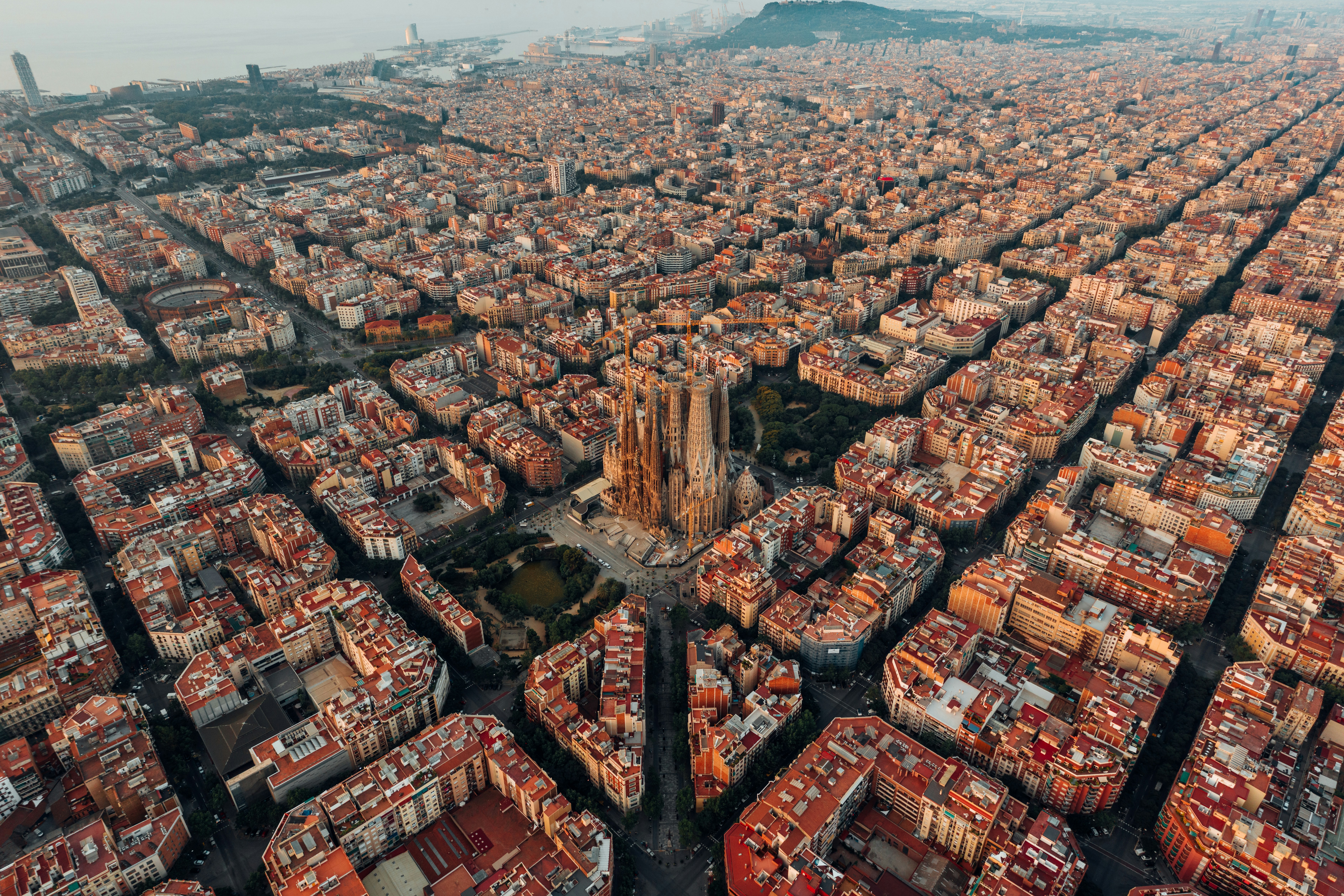
Industrialization in the 19th century brought dramatic transformation. The demolition of city walls enabled the creation of the Eixample district, renowned for its grid layout and Modernist masterpieces by Antoni Gaudí. Adam, while preserving its historical core, evolved with the city’s growth.
The 20th century saw Barcelona endure civil conflict and authoritarian rule, followed by cultural renewal and international recognition—especially after hosting the 1992 Olympic Games. Today, Adam exemplifies the city’s harmonious blend of heritage, creativity, and sustainable urban innovation.
Visiting Adam: Essential Information
Visiting Hours and Ticketing
-
Historical Sites & Museums:
Most Adam-area museums and monuments are open Tuesday–Sunday, 10:00 AM–7:00 PM. Some sites close earlier on Sundays and holidays. Always check official websites for specific hours and any seasonal variations. -
Tickets:
Entrance fees vary by attraction. Online purchase is strongly recommended, especially during peak months, for both convenience and to guarantee availability. Many sites offer discounts for students, seniors, and children, as well as guided tours and audio guides.- MUHBA Roman sites: Open Tuesday–Sunday, 10:00 AM–7:00 PM.
- Cathedral of Barcelona: Monday–Saturday, 8:00 AM–7:30 PM; Sunday, 8:00 AM–8:00 PM. Free during services; sightseeing incurs a small fee.
Getting Around and Accessibility
- Public Transport:
Adam is well-served by Barcelona’s metro, bus, tram, and train networks. Travel cards like the Hola Barcelona Travel Card and Barcelona Card offer unlimited rides and attraction discounts (irBarcelona). - Cycling & Walking:
Barcelona’s extensive bike lanes and the walkable streets of Adam make cycling and walking excellent ways to explore (Barcelona Life). - Accessibility:
Most major sites and public transport are accessible to visitors with reduced mobility. Always verify with each site or accommodation for detailed facilities (MWC Barcelona).
Local Etiquette and Safety
- Cultural Awareness:
Catalan identity is central to local life. Basic Catalan greetings such as “hola” and “gràcies” are appreciated. Respect for local customs, including meal times and dress, is important (Euronews). - Safety:
Barcelona is generally safe, but pickpocketing occurs in busy areas. Keep valuables secure, use cross-body bags, and remain vigilant, particularly in tourist hotspots and on public transport (Barcelona Life).
Dining, Shopping, and Accommodation
- Food & Drink:
Adam boasts authentic tapas bars, Catalan restaurants, and bakeries. Try specialties like “pa amb tomàquet” and fresh seafood. Lunch is typically 1:30–3:30 PM, dinner after 8:30 PM. - Markets:
Local markets such as La Boqueria and Santa Caterina offer fresh produce and vibrant atmospheres (bcn.travel). - Accommodation:
Book in advance, especially in summer. Consider less touristy neighborhoods for better value and quieter stays. Confirm amenities like air conditioning.
Events and Unique Experiences
- Festivals:
July features open-air concerts (Música als Parcs), the renowned Festival Grec, and outdoor cinema nights (irBarcelona). - Local Experiences:
Join walking or cycling tours focusing on Adam’s historic and hidden gems. Attend neighborhood festivals for authentic encounters.
Sustainable Tourism
Barcelona encourages responsible travel. Support local businesses, minimize noise in residential areas, use public transport or bikes, and seek alternative attractions to help preserve the city’s unique character (Euronews).
Must-See Nearby Attractions
Sagrada Família
Antoni Gaudí’s Sagrada Família is Barcelona’s most famous landmark and a UNESCO World Heritage Site (sagradafamilia.org).
- Visiting Hours: April–September: 9:00 AM–8:00 PM; October–March: 9:00 AM–6:00 PM.
- Tickets: Advance online purchase required (sagradafamilia.org). General admission from €26; guided tours and tower access cost extra.
- Accessibility: Ramps and elevators available; tower access limited for those with mobility difficulties.
Park Güell
A Gaudí-designed public park with colorful mosaics and panoramic city views. The Monumental Zone requires timed entry tickets (gamintraveler.com).
Casa Batlló and Casa Milà (La Pedrera)
Modernist icons on Passeig de Gràcia, both featuring immersive tours and rooftop views (kelseyinlondon.com).
Gothic Quarter and Museums
Explore Roman ruins, medieval streets, and major museums like the Picasso Museum and MNAC (gamintraveler.com, bcn.travel).
Practical Visitor Tips and FAQs
- Best Visiting Times: Early mornings or late afternoons help avoid crowds.
- Advance Booking: Essential for major sites, especially Sagrada Família and Park Güell.
- Local Currency: Euro (€). Cards widely accepted, but carry some cash for markets.
- Health & Water: Tap water is safe; consider a reusable bottle (Latitude 41).
- Wi-Fi & SIM Cards: Widely available; local SIMs recommended for data.
FAQs
Q: Are guided tours available in Adam?
A: Yes, guided walking and cycling tours focusing on history and local culture are popular.
Q: Is Adam accessible for visitors with reduced mobility?
A: Most sites and public transport are accessible, but check individual facilities in advance.
Q: How do I avoid crowds?
A: Visit popular sites early or late, and explore alternative attractions.
Q: What are local dining customs?
A: Meals are served later than in many countries. Tipping is not obligatory but appreciated.
Q: What events take place in July?
A: Open-air concerts, arts festivals, and community events are common.
Listen to the full story in the app
The whole Adam,
told well.
Audio guides for 1,100+ cities across 96 countries. History, stories, and local insight — offline ready.

Verified, and shown.
Researched and written by the Audiala editorial team from historical records, architectural archives, and local expertise.
Last reviewed
Researched from Wikidata, Wikipedia & official sources · fact-checked · How we make our guides →