Plan and listen to Torre Castillo with Audiala.
Audio guide in your pocket, itinerary in your browser. Built for the way you actually visit.
Introduction
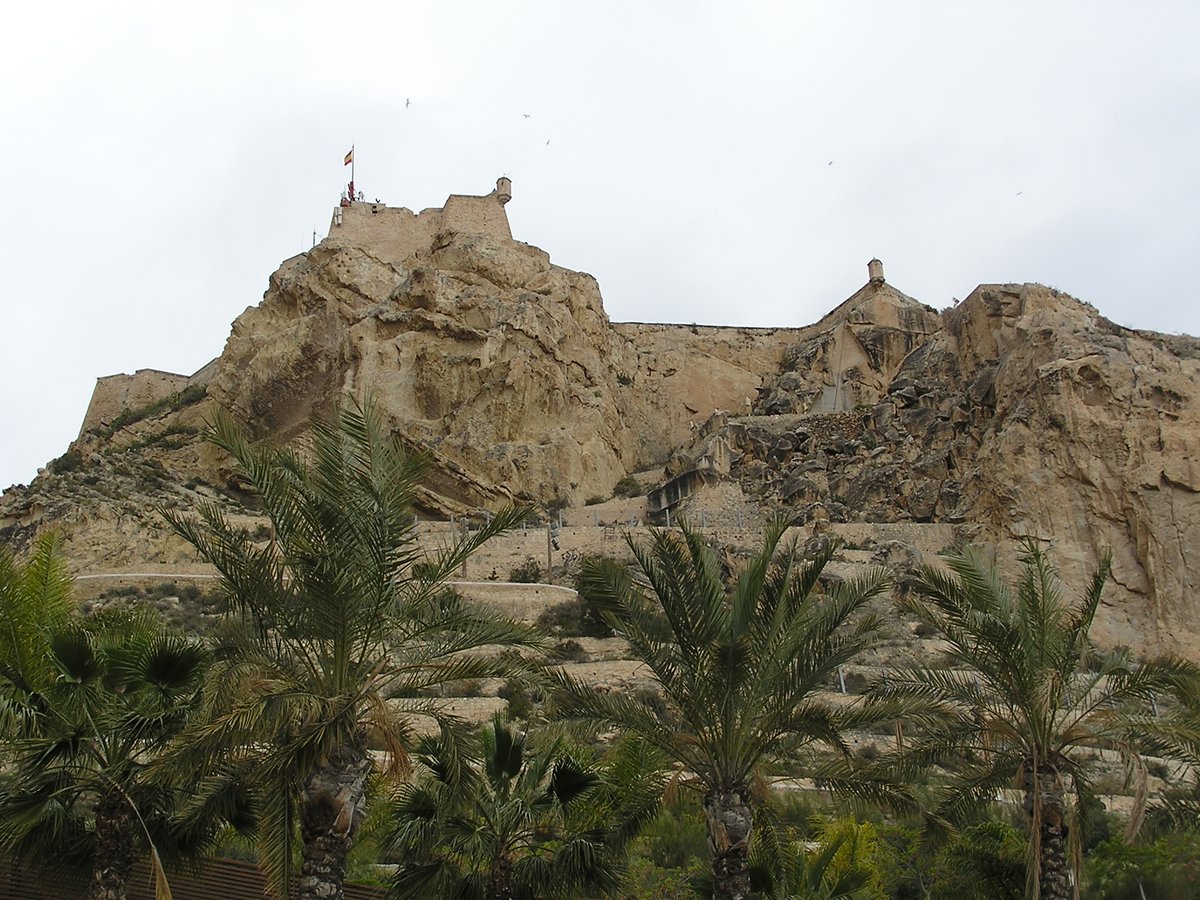
Rising dramatically atop Mount Benacantil, the Castillo de Santa Bárbara—often locally called Torre Castillo—stands as an enduring symbol of Alicante’s rich history, architectural heritage, and vibrant cultural life. Dominating the city skyline at over 160 meters above sea level, this fortress offers more than spectacular panoramic views: it encapsulates centuries of history, from its Moorish origins through Christian expansion, Renaissance modifications, and its present role as a dynamic cultural venue. Whether you are a history enthusiast, photographer, or casual traveler, this comprehensive guide will help you plan your visit, covering everything from Torre Castillo visiting hours and tickets to accessibility, highlights, and local travel tips.
History and Significance
Moorish Foundations and Medieval Expansion
The origins of Torre Castillo trace back to the 9th century during Muslim rule on the Iberian Peninsula. The Moors constructed the original fortress for strategic coastal defense, leveraging Mount Benacantil’s natural vantage point (castillodesantabarbara.com). The castle's name, Benacantil, is derived from Arabic—“Bena” (rock) and “Laqant” (Alicante).
In 1248, during the Christian Reconquista, Prince Alfonso of Castile (Alfonso X “the Wise”) captured the fortress. The date—December 4th, Saint Barbara’s Day—inspired its current name. Over succeeding centuries, the castle was expanded and modified, blending Moorish, Gothic, and Renaissance architectural elements (inspain.org). Today, Castillo de Santa Bárbara is recognized as one of Spain’s largest and most significant medieval fortresses, declared a site of Cultural Interest in 1961.
Modern History and Cultural Role
The castle has played multiple roles: a stronghold during regional conflicts, a prison during the Spanish Civil War, and now, a cultural hub. Its silhouette—resembling the legendary "Cara del Moro" or Moor’s Face—anchors local folklore and community identity (alicante.es). It hosts festivals, open-air concerts, art exhibitions, and seasonal events, making it a living monument at Alicante’s heart.
Access and Arrival
Location
- Address: Avenida Juan Bautista Lafora, Alicante
- Landmark: Mount Benacantil, above Playa del Postiguet
How to Get There
- On Foot: Several scenic routes lead to the castle, most notably through the historic Santa Cruz neighborhood. Expect a steep climb; wear comfortable shoes and bring water (The Crazy Tourist).
- Lift (Elevator): The most convenient access is via the public elevator at Avenida Juan Bautista Lafora, opposite Postiguet Beach. The ride takes just a few minutes and is recommended for families and those with mobility challenges (Alicante About).
- By Bus: Several city buses stop near the base of Mount Benacantil. The hop-on-hop-off tourist bus also stops at the castle.
- By Car: Limited parking is available near the base. Private vehicles cannot access the summit; public transport or the lift is recommended (Alicante About).
Visiting Hours and Tickets
Opening Hours
- General Schedule: Typically 10:00–20:00. Hours may be reduced in winter or extended during summer and special events.
- Elevator Hours: Usually 10:00–20:00, but check official sources for updates and maintenance closures (castillodesantabarbara.com).
Admission
- Castle Grounds: Free general access most of the year.
- Elevator: €2.70 per person (penguinandpia.com).
- Special Events and Guided Tours: Some require advance booking or paid tickets (Castillo de Santa Bárbara).
Ticket Purchase
- At the entrance (for elevator access)
- Online booking for guided tours and event tickets (Castillo de Santa Bárbara)
Navigating the Castle and Accessibility
Terrain and Layout
-
Three Main Levels:
- Upper Level: Oldest section with Moorish battlements, towers, and panoramic viewpoints.
- Middle Level: Medieval and Renaissance features, gardens, and exhibition spaces.
- Lower Level: Revellín del Bon Repós, used for events and concerts (getreadyforadventure.com).
-
Accessibility:
- The elevator provides access to upper levels.
- Uneven terrain, steep slopes, and stairs may pose challenges; not all areas are wheelchair-accessible.
- Restrooms and a café are available on-site.
-
Visitor Facilities:
- Limited shaded areas—bring sun protection.
- Café and kiosks (higher prices than city center; bringing water/snacks is advised).
Highlights and Experiences
Panoramic Views
Enjoy 360-degree vistas of Alicante, the Mediterranean Sea, the marina, and the city’s historic quarters. Sunrise and sunset visits are especially popular with photographers (penguinandpia.com).
Architectural Features
- Moorish towers and walls with horseshoe arches and geometric motifs
- Renaissance bastions and cisterns
- Medieval courtyards and chapels
Museums and Exhibitions
- MUSA (Museum of the City of Alicante): Five exhibition rooms with displays on local history, the castle’s evolution, and archaeological finds (alicante.es).
Guided Tours
- Multilingual tours offered by the city and private companies
- Thematic tours (history, legends, photography)
- Free walking tours (tip-based) and premium experiences—advance booking recommended (Alicante About)
Special Events and Cultural Activities
- Concerts & Festivals: Open-air concerts, art exhibitions, and theatrical performances, especially in summer (mylittleworldoftravelling.com).
- Food & Wine Tastings: Enjoy regional wines and local delicacies in the castle’s towers or terraces—advance reservation required (Castillo de Santa Bárbara).
- Hogueras de San Juan (June 20–24): The castle hosts "Noches de Fuegos" (Fireworks Nights) with spectacular displays and festive gatherings.
Practical Visitor Tips
- Visit early morning or late afternoon to avoid crowds and the midday sun.
- Check the lift’s operational status before your visit.
- Wear sturdy shoes; bring sun protection and water.
- Combine elevator ascent with a scenic walk down through Santa Cruz and L’Ereta Park.
- Some areas may not be accessible for strollers or wheelchairs—consult staff for assistance.
Nearby Attractions
- Santa Cruz Neighborhood: Colorful houses and winding lanes; a picturesque route to or from the castle (Red Fedora Diary).
- Postiguet Beach: Perfect for relaxing after your visit, with cafés and amenities at the mountain’s base (The Crazy Tourist).
- Alicante Old Town: Historic streets, plazas, and museums just a short walk away.
- Explanada de España: The city’s famous palm-lined promenade, ideal for a post-visit stroll.
Frequently Asked Questions (FAQs)
Q: What are Torre Castillo’s visiting hours?
A: Typically 10:00–20:00, but hours vary by season and for special events. Always check the official site before your visit.
Q: Is there an entrance fee?
A: General admission is free. The elevator costs €2.70 per person. Some events and tours require tickets.
Q: How do I get to the castle?
A: By elevator (recommended), on foot, by bus, or via hop-on-hop-off tourist buses. Private car access is limited.
Q: Are guided tours available?
A: Yes, both free tip-based and paid themed tours are offered. Booking ahead is advised.
Q: Is the site wheelchair accessible?
A: Some areas are accessible via the lift, but significant parts involve steps and uneven ground.
Q: Where can I find official visitor information?
A: Alicante Tourism Board and Castillo de Santa Bárbara Official Site.
Listen to the full story in the app
The whole Torre Castillo,
told well.
Audio guides for 1,100+ cities across 96 countries. History, stories, and local insight — offline ready.

Verified, and shown.
Researched and written by the Audiala editorial team from historical records, architectural archives, and local expertise.
Researched from Wikidata, Wikipedia & official sources · fact-checked · How we make our guides →