Plan and listen to Santa Bárbara Castle with Audiala.
Audio guide in your pocket, itinerary in your browser. Built for the way you actually visit.
Introduction
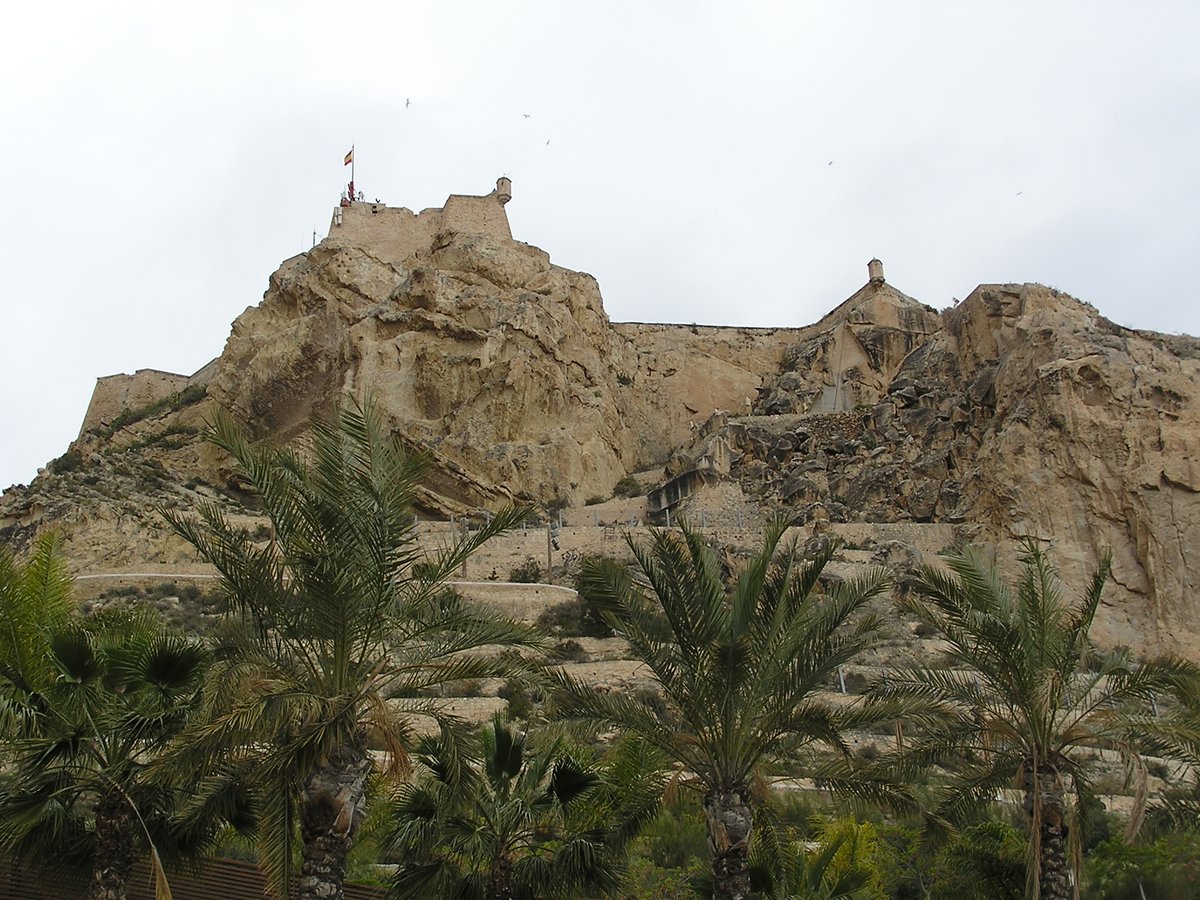
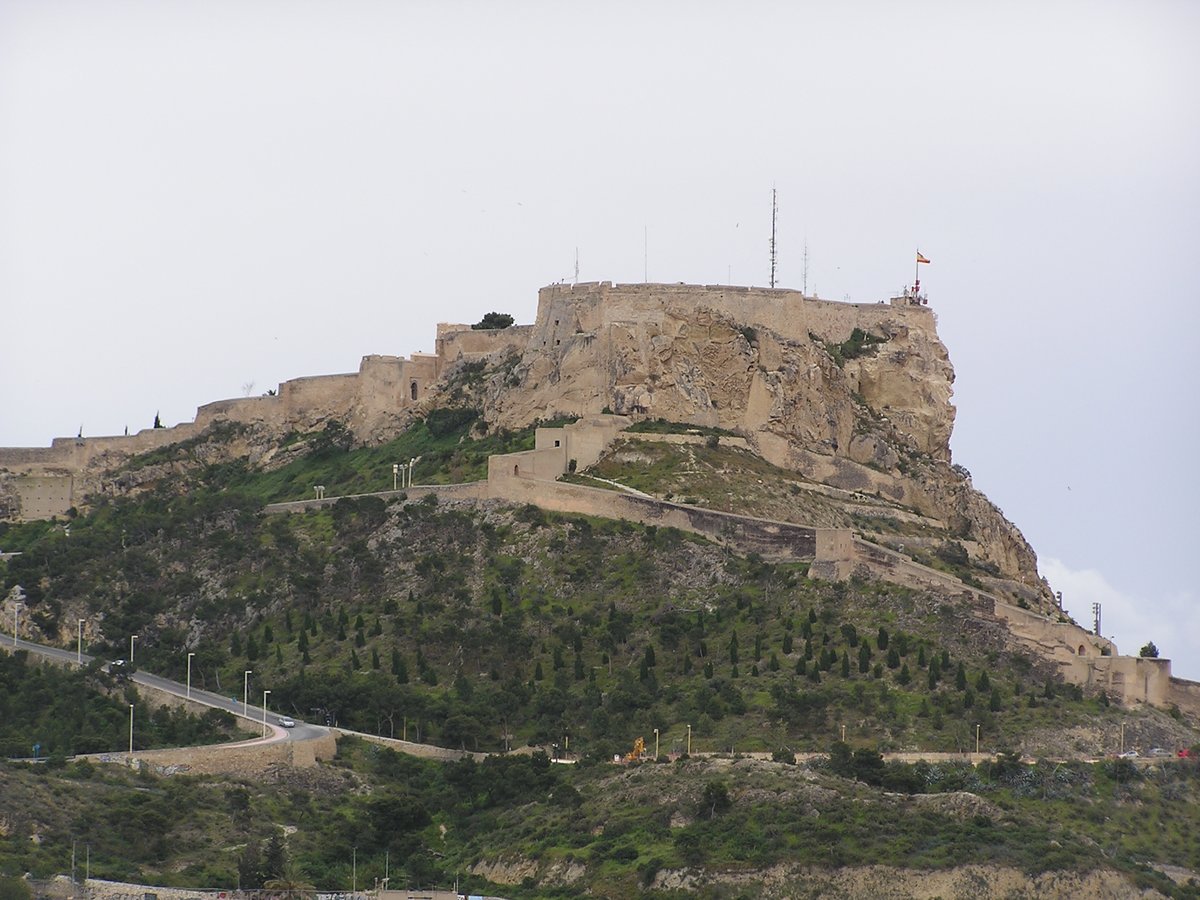
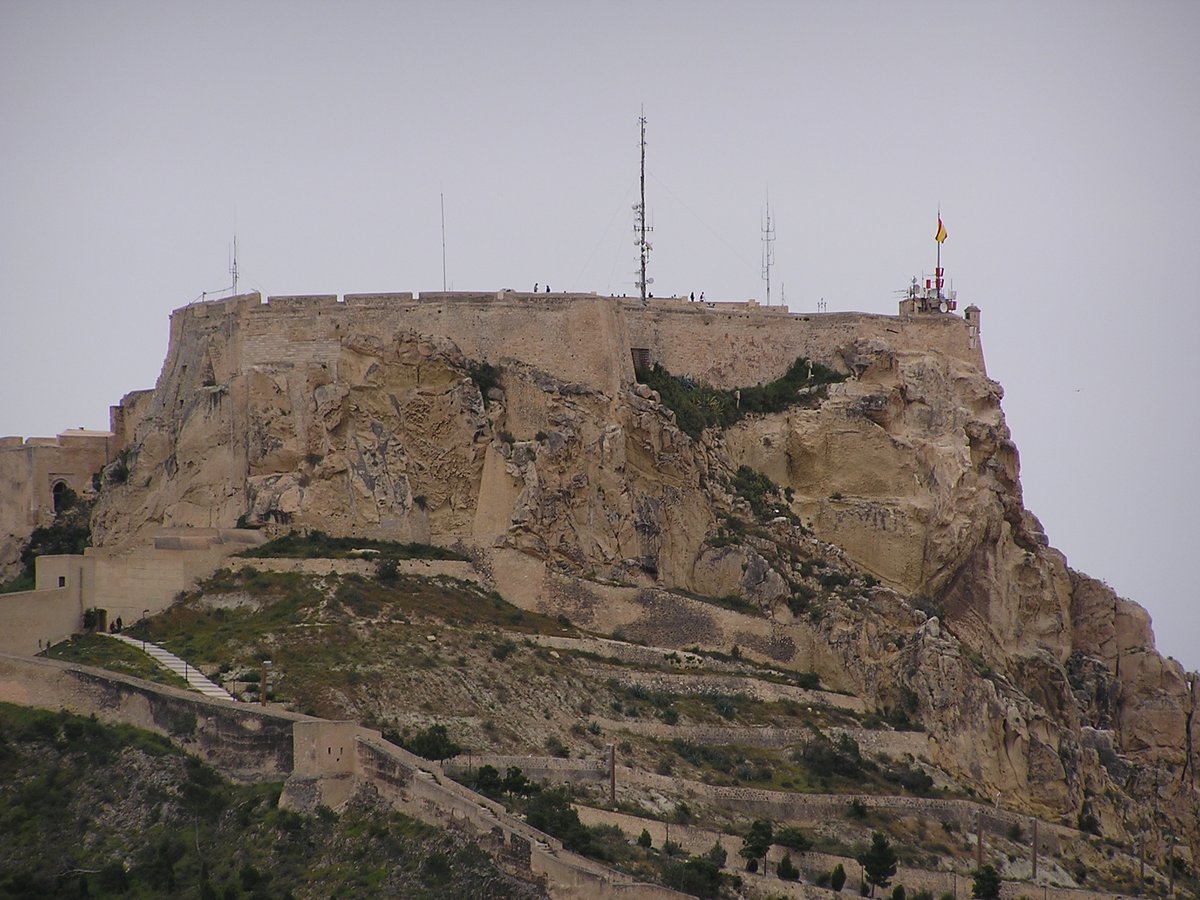
Nestled atop the majestic Benacantil Mountain, Castell de Santa Bàrbara is a historical treasure that offers a panoramic view of Alicante and the Mediterranean Sea. This fortress, with its origins tracing back to the 9th century during the Muslim occupation of the Iberian Peninsula, is an essential visit for history enthusiasts and travel aficionados alike. Initially constructed by the Moors, the castle was strategically placed to oversee the surrounding area. Its original name, 'Banu-l-Qatil,' reflects its Arabic roots (Alicante Tourist Guide). Over the centuries, Castell de Santa Bàrbara has witnessed significant historical events, including its capture by King Alfonso X of Castile during the Christian Reconquest in 1248, which led to its renaming after Saint Barbara (Spain.info). The castle's rich history is complemented by its architectural evolution, featuring a blend of Islamic, Gothic, and Renaissance styles, making it a fascinating study of historical architecture (Alicante City & Beach). This guide aims to provide comprehensive information about the castle's history, cultural significance, and practical tips for visitors, ensuring a fulfilling and educational visit to one of Alicante's most iconic landmarks.

History of Castell de Santa Bàrbara
Origins and Early History
The origins of Castell de Santa Bàrbara date back to the 9th century during the Muslim occupation of the Iberian Peninsula. The fortress was initially constructed by the Moors, who recognized the strategic importance of the Benacantil Mountain, which offers a commanding view of the surrounding area and the Mediterranean Sea. The castle's original name, "Banu-l-Qatil," is derived from the Arabic term for the mountain (Alicante Tourist Guide).
Christian Reconquest
In 1248, the castle was captured by the forces of King Alfonso X of Castile during the Christian Reconquest. This event took place on December 4th, the feast day of Saint Barbara, which led to the fortress being renamed Castell de Santa Bàrbara. The castle's capture marked a significant turning point in the region's history, as it symbolized the Christian reclamation of the territory from Muslim rule (Spain.info).
Medieval and Renaissance Periods
Throughout the late Middle Ages and the Renaissance, Castell de Santa Bàrbara underwent numerous modifications and expansions. The castle's strategic location made it a focal point for military and political control over the region. During the 14th and 15th centuries, the fortress was reinforced to withstand the evolving nature of warfare, including the introduction of artillery. The castle's design reflects a blend of medieval and Renaissance architectural styles, with features such as thick walls, bastions, and watchtowers (Alicante City & Beach).
The War of Spanish Succession
The early 18th century saw Castell de Santa Bàrbara play a crucial role in the War of Spanish Succession (1701-1714). The conflict arose over the disputed succession to the Spanish throne following the death of the childless Charles II. The castle was occupied by both Bourbon and Habsburg forces at different times during the war. In 1709, the fortress was heavily bombarded by the British fleet, causing significant damage. The war ultimately ended with the Treaty of Utrecht in 1713, which recognized Philip V, a Bourbon, as the King of Spain (Britannica).
19th Century and the Peninsular War
During the Peninsular War (1807-1814), part of the larger Napoleonic Wars, Castell de Santa Bàrbara was occupied by French troops. The fortress served as a key defensive position against the British and Spanish forces fighting to expel the French from the Iberian Peninsula. The castle's strategic importance was once again highlighted during this period, as it provided a vantage point for monitoring enemy movements and coordinating military operations (Napoleon.org).
Modern Era and Restoration
In the 19th and early 20th centuries, Castell de Santa Bàrbara's military significance waned, and the fortress fell into a state of disrepair. However, recognizing its historical and cultural value, the Spanish government initiated restoration efforts in the mid-20th century. These efforts aimed to preserve the castle's architectural integrity and make it accessible to the public. Today, Castell de Santa Bàrbara is a popular tourist attraction, offering visitors a glimpse into the region's rich history and stunning panoramic views of Alicante and the Mediterranean Sea (Alicante City & Beach).
Archaeological Discoveries
Recent archaeological excavations at Castell de Santa Bàrbara have uncovered significant artifacts and structures that shed light on the castle's long and varied history. These discoveries include remnants of the original Moorish fortifications, medieval Christian modifications, and evidence of the castle's use during the War of Spanish Succession and the Peninsular War. The ongoing archaeological work continues to enhance our understanding of the castle's historical significance and its role in the broader context of Spanish and Mediterranean history (Alicante Tourist Guide).
Cultural Significance
Castell de Santa Bàrbara is not only a historical monument but also a cultural symbol of Alicante. The castle has been featured in various cultural events, festivals, and artistic representations, highlighting its importance in the local community. The fortress serves as a venue for exhibitions, concerts, and other cultural activities, making it a vibrant part of Alicante's cultural landscape. Its enduring presence and historical legacy continue to inspire and educate both locals and visitors alike (Spain.info).
Visitor Information
Visiting Hours and Tickets
Visitors can explore Castell de Santa Bàrbara throughout the year. The castle is typically open from 10:00 AM to 8:00 PM, although hours may vary seasonally. Admission is free, but guided tours and special exhibitions may have associated costs. For the most up-to-date information on visiting hours and ticket prices, please visit the official website.
Travel Tips
- Getting There: The castle is accessible by foot, car, or elevator from Postiguet Beach. A tourist bus also operates routes to the castle.
- Best Time to Visit: Early morning or late afternoon to avoid the midday heat and enjoy the best views.
- What to Bring: Comfortable walking shoes, sunscreen, and water.
- Guided Tours: Consider booking a guided tour to fully appreciate the historical and cultural context.
Nearby Attractions
- Museo de Arte Contemporáneo de Alicante (MACA): A modern art museum located nearby.
- Explanada de España: A beautiful promenade lined with palm trees and mosaic tiles.
- Postiguet Beach: A popular beach offering stunning views of the Mediterranean Sea.
FAQs
Q: What are the visiting hours of Castell de Santa Bàrbara?
A: The castle is generally open from 10:00 AM to 8:00 PM, but hours may vary seasonally.
Q: How much are tickets for Castell de Santa Bàrbara?
A: Admission is free, though guided tours and special exhibitions may have associated costs.
Q: What is the best way to get to Castell de Santa Bàrbara?
A: The castle can be reached by foot, car, elevator from Postiguet Beach, or via a tourist bus.
Tickets & tours.
These are guided options from our partners — same price as booking direct.
Prices are indicative — final pricing and availability are confirmed at checkout. Audiala may earn a commission from bookings made through these links.
Listen to the full story in the app
The whole Santa Bárbara Castle,
told well.
Audio guides for 1,100+ cities across 96 countries. History, stories, and local insight — offline ready.
Verified, and shown.
Researched and written by the Audiala editorial team from historical records, architectural archives, and local expertise.
Researched from Wikidata, Wikipedia & official sources · fact-checked · How we make our guides →

