Plan and listen to Port Of Alicante with Audiala.
Audio guide in your pocket, itinerary in your browser. Built for the way you actually visit.
Introduction: The Port of Alicante’s History and Significance
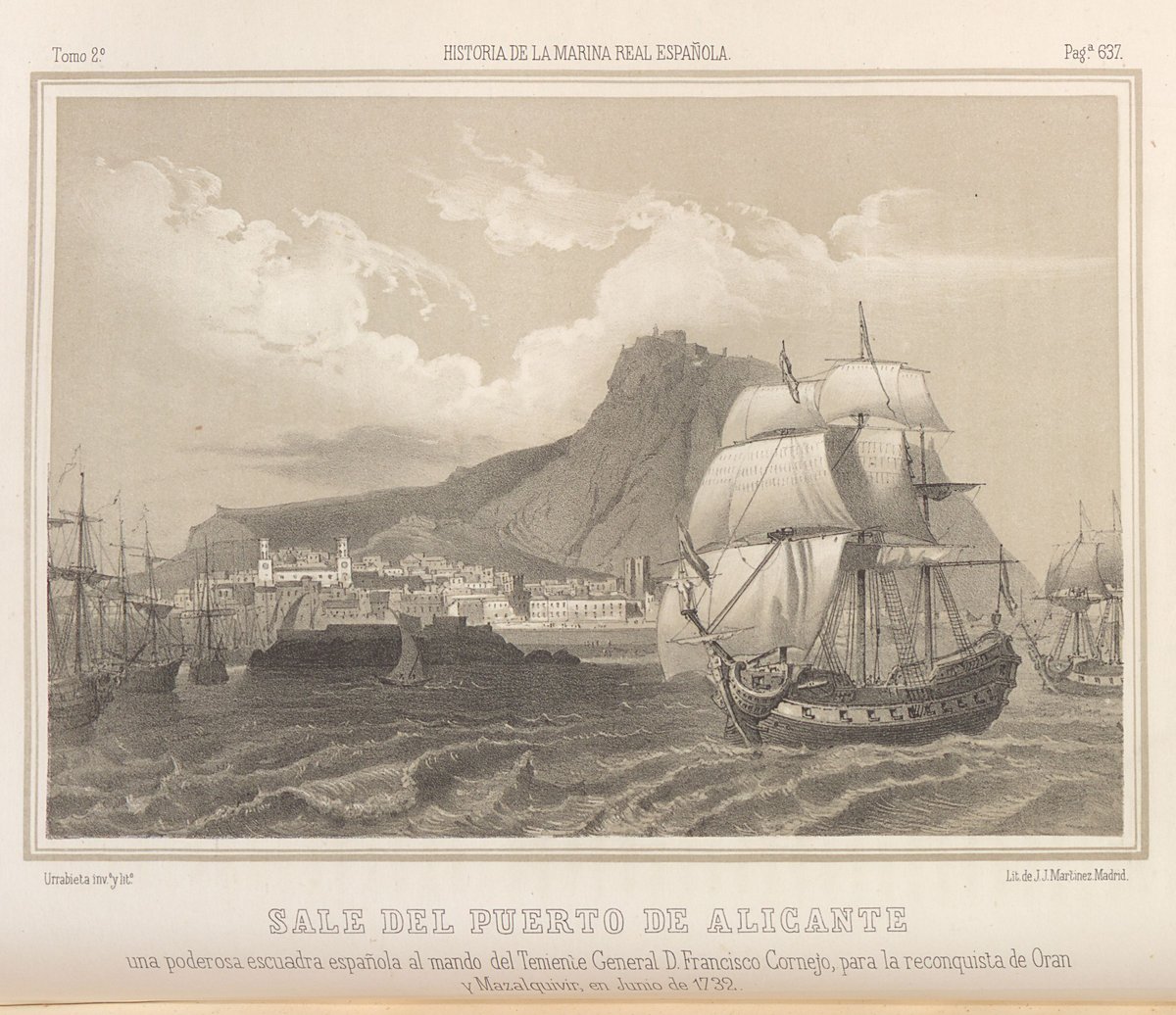
Nestled on Spain’s southeastern Mediterranean coast, the Port of Alicante stands as a dynamic maritime gateway, seamlessly blending a rich historical legacy with modern vibrancy. From its prehistoric origins as a natural harbor for early Iberian settlers, through its prominence as the Roman port of Lucentum, to its strategic commercial importance throughout the Middle Ages and beyond, Alicante’s port has long been a center of cultural exchange and economic activity (Puerto Alicante History).
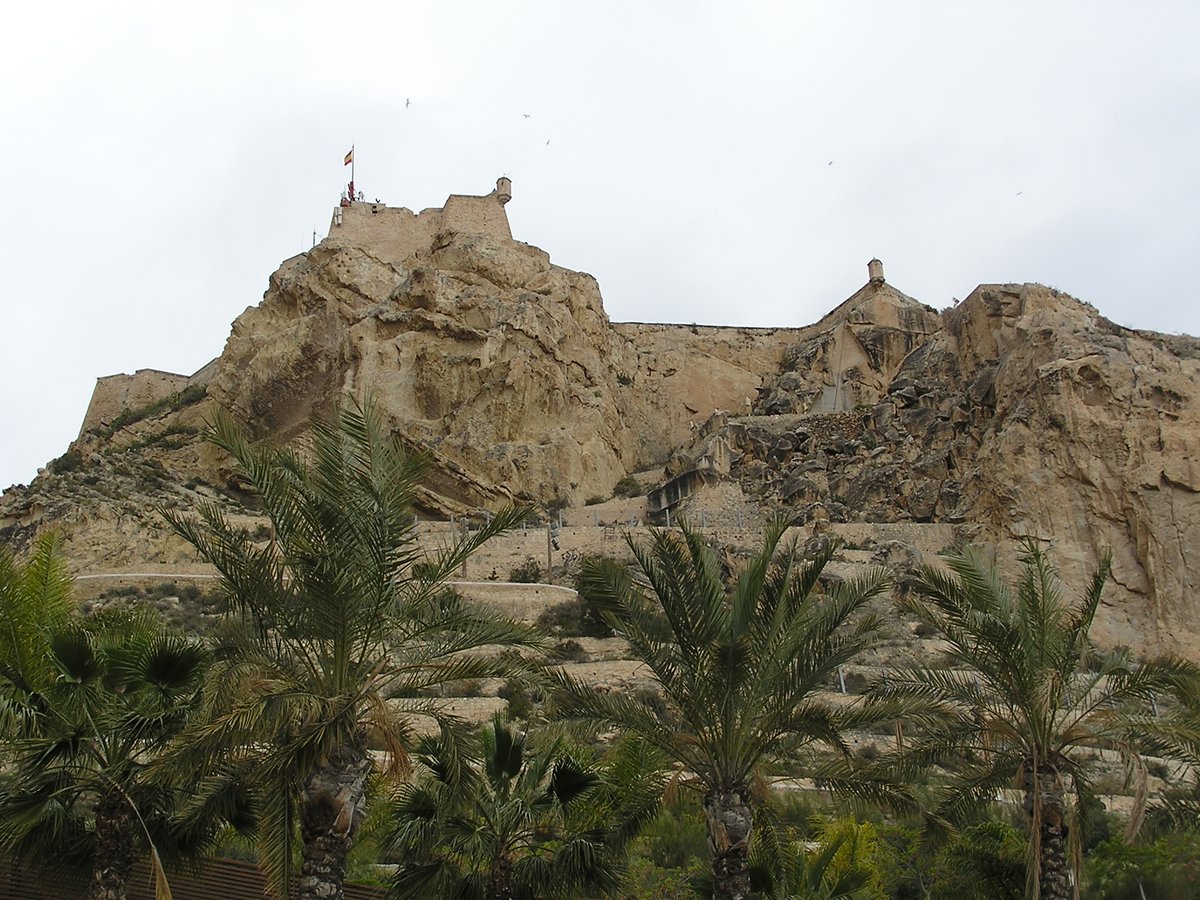
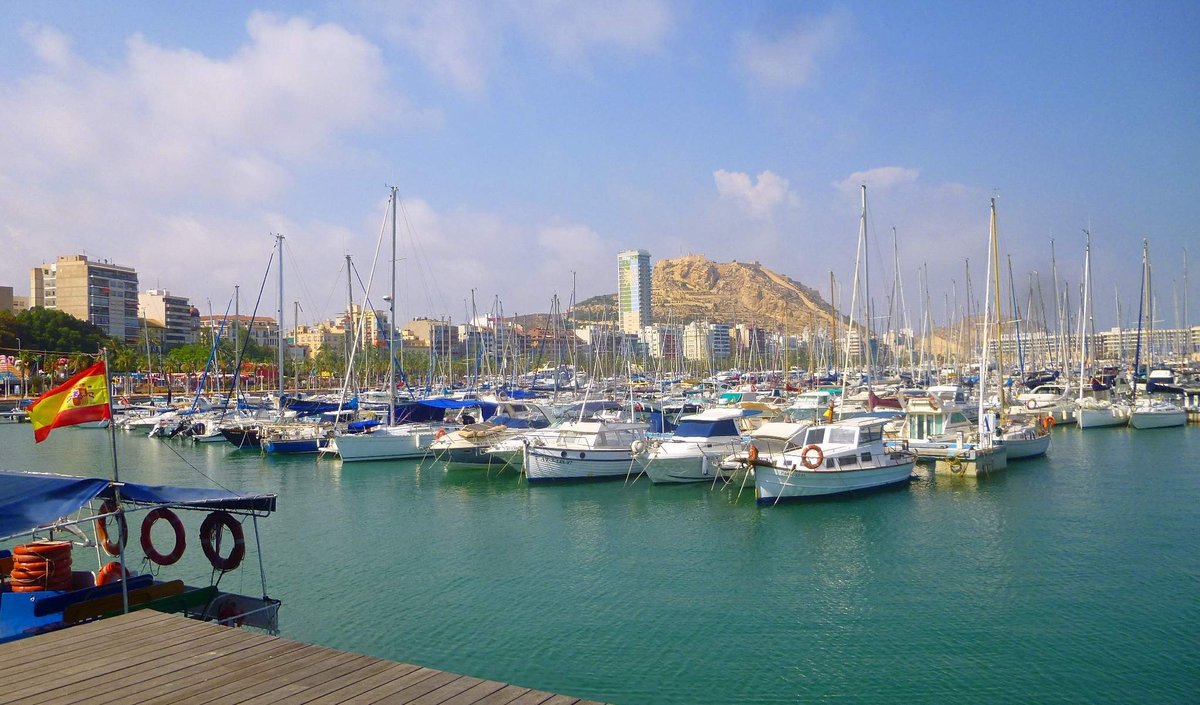
Today, the Port of Alicante is a multifaceted destination that attracts millions of visitors each year. It features state-of-the-art marina facilities, a lively waterfront promenade, and is crowned by the iconic Santa Bárbara Castle perched atop Mount Benacantil (Barceló Guide; Official Alicante Tourism Site). The port is not only a historical and cultural jewel but also a pivotal economic hub, facilitating commercial shipping, cruise tourism, and innovative sustainability initiatives (Port Authority; About2Cruise). With comprehensive amenities, accessibility features, and proximity to key attractions such as the Alicante Maritime Museum and Postiguet Beach, the Port of Alicante is essential for travelers seeking an enriching Mediterranean experience (The Crazy Tourist).

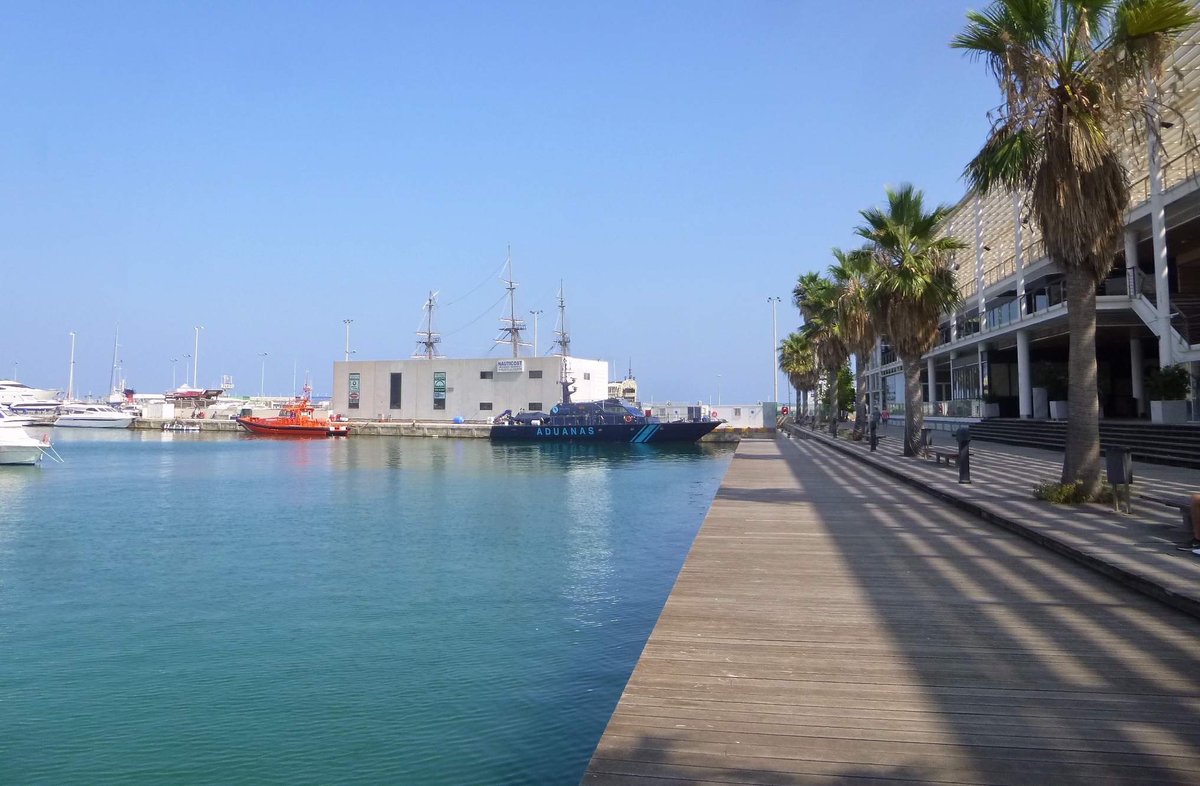
Historical Foundations and Medieval Growth
Prehistoric & Ancient Origins
Archaeological evidence points to human settlement in the Alicante bay since prehistoric times, drawn by its naturally sheltered harbor. The first known port activity can be traced to the 5th century BCE, when Iberian people established a wharf at Tossal de les Basses. This proto-port was soon followed by Lucentum (Tossal de Manises) under Roman rule, which flourished as a commercial center until the decline of Roman power in the 2nd–3rd centuries CE (Barceló Guide; Puerto Alicante History).
Medieval Development
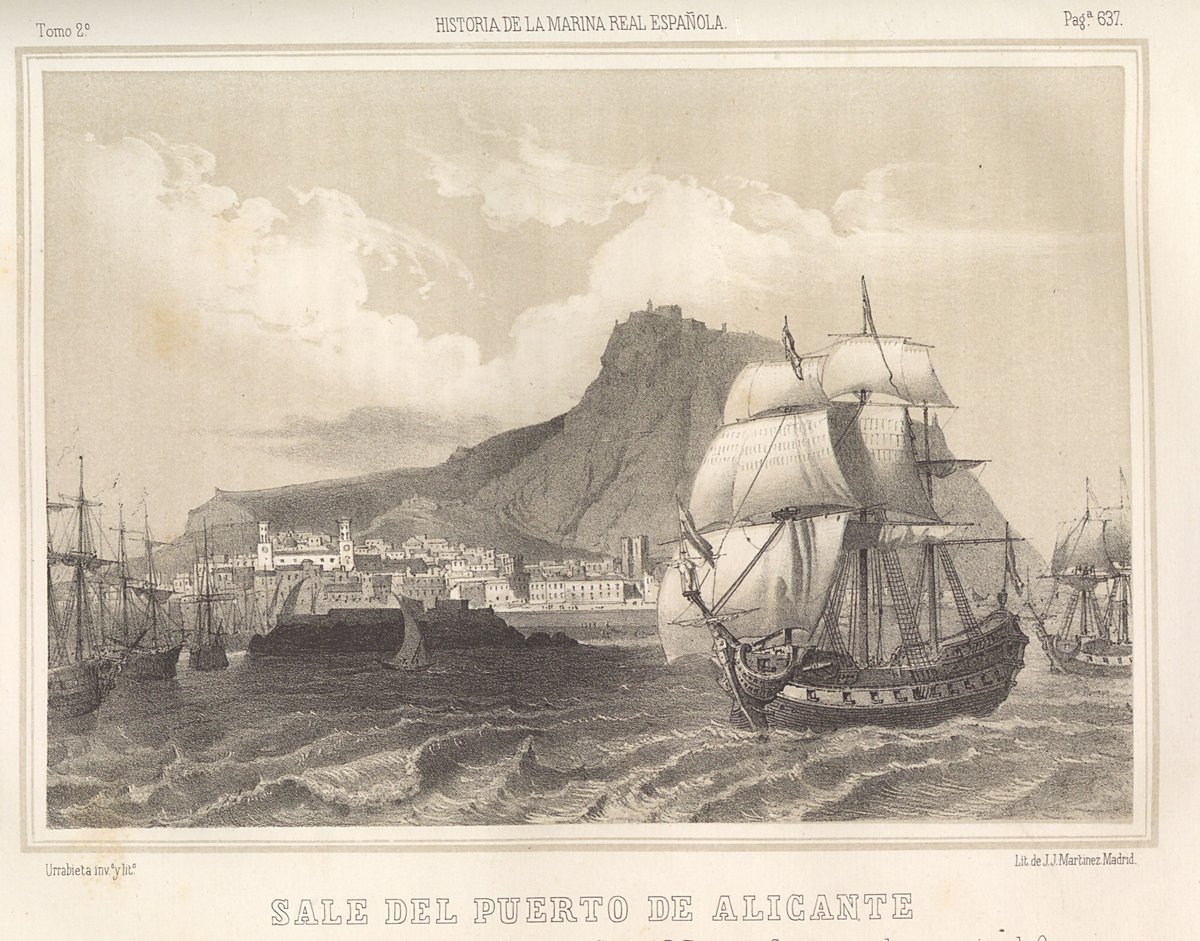
Alicante’s port maintained commercial importance through the Middle Ages. Its strategic Mediterranean location caught the attention of the Crown of Aragon and Castile, resulting in royal privileges and tax exemptions that encouraged trade. By the 13th century, the port’s facilities, though modest, were gradually expanding, with references to wooden jetties and masonry dams, culminating in the port’s further development in the 15th century (Puerto Alicante History).
Evolution as a Commercial Power
The late 15th century marked Alicante’s ascendancy as a major commercial hub, earning city status in 1490 under Ferdinand the Catholic. The port became a magnet for Mediterranean merchants, including Genoese and Milanese traders, due to its secure fortifications and economic vitality. Despite the shift of Spanish maritime focus to Atlantic ports after 1492, Alicante’s port retained and grew its importance as Castile’s principal Mediterranean outlet. This period saw significant population growth, reflecting the port’s prosperity (Puerto Alicante History).
Modern Transformation and Renewal
The port adapted to challenges posed by changing trade patterns and the decline of nearby Valencia. It expanded its infrastructure and diversified its commercial activity. A notable episode occurred in 1939 at the end of the Spanish Civil War, when thousands of Republicans attempted to flee Franco’s forces via the port—an event marking a dramatic chapter in its history (Barceló Guide).
Contemporary Port: Facilities and Experiences
Visiting Hours & Accessibility
- Waterfront & Promenade: Open 24/7 year-round.
- Shops/Restaurants: Generally 10:00 AM to midnight or later in summer.
- Santa Bárbara Castle:
- Summer: 10:00 AM – 8:00 PM
- Winter: 10:00 AM – 6:00 PM
- Closed: January 1 and December 25
- Accessibility: Ramps and elevators are available throughout the port and at major attractions.
Tickets & Guided Tours
- The port and promenade are free to enter.
- Tickets are required for Santa Bárbara Castle (guided tours may have a fee) and the Alicante Maritime Museum.
- Guided walking tours of the port and surrounding historic sites can be booked online or at visitor centers; advance booking is advised in high season.
Marina, Dining, and Nightlife
- Marina Deportiva: 748 berths for yachts and pleasure boats, plus restaurants, bars, and shops.
- Dining: Fresh seafood and rice dishes are specialties. Notable venues include Dársena restaurant, Real Liceo Casino de Alicante, and the Casino Mediterráneo.
- Nightlife: Lively bars and nightclubs, especially in summer. The area hosts events such as the Volvo Ocean Race and music festivals.
Nearby Attractions
- Explanada de España: Palm-lined promenade with iconic mosaic tiles.
- Santa Bárbara Castle: Offers panoramic city and sea views.
- Alicante Maritime Museum: Showcases maritime history.
- Postiguet Beach: Easily accessible for relaxing or water sports.
- Old Town (El Barrio de la Santa Cruz): Historic quarter with vibrant nightlife and landmarks.
- Tabarca Island: Marine reserve accessible by ferry.
Economic Role and Sustainability
The Port of Alicante is a vital economic driver for Alicante and the wider region, connecting major cities and supporting both commercial shipping and tourism (Port Authority Presentation). It is a major Mediterranean port handling container traffic, ferry routes, and cruise ships (MarineLink). The port’s innovative sustainability efforts include solar panel installations providing 30% of terminal power and advanced energy management systems (About2Cruise). Tourism is a significant economic contributor, with cruise traffic alone generating over €60 million annually (InSpain.News).
Cultural Importance and Festivals
Alicante’s port area is central to the city’s vibrant cultural life:
- Las Hogueras de San Juan: Midsummer bonfires and fireworks (Mar Alicante).
- Moros y Cristianos: Colorful parades and historical re-enactments (Mar Alicante).
- Alicante Film and Jazz Festivals: Held in portside venues.
- Sporting Events: Sailing regattas, including the Volvo Ocean Race (Discover Walks).
Visitor Information & FAQs
Q: What are the Port of Alicante’s opening hours?
A: The port’s outdoor areas are open 24/7. Attractions like Santa Bárbara Castle have set opening hours (see above).
Q: Is ticketing required?
A: General access is free; tickets apply for museums, guided tours, and some events.
Q: Is the port accessible?
A: Yes, with ramps, elevators, and accessible restrooms. Most facilities are wheelchair-friendly.
Q: How do I reach the port?
A: The port is close to the city center and accessible by bus, tram, taxi, or on foot from many hotels. The airport is a 20-minute taxi ride.
Q: What’s the best time to visit?
A: Spring and autumn offer pleasant weather and fewer crowds.
Santa Bárbara Castle and Top Nearby Attractions
Santa Bárbara Castle
- Overview: 9th-century fortress with panoramic views.
- Getting There: Accessible by panoramic elevator from Playa del Postiguet or via a scenic hike.
- Highlights: Towers, ramparts, castle museum, and seasonal events.
- Accessibility: The elevator offers wheelchair access to upper levels, though some areas are less accessible.
- Admission: General entry is free; guided tours are available for a fee (Official Alicante Tourism Site - Santa Bárbara Castle).
Other Major Attractions
- Esplanada de España: Iconic promenade for walking, markets, and performances.
- Playa del Postiguet: Central beach for sunbathing and water sports.
- Old Town: Historic streets, tapas bars, and the Co-cathedral of St. Nicholas.
- Tabarca Island: Marine reserve with snorkeling and seafood dining, accessible by ferry.
- Parc Canalejas: Urban park with historic trees and sculptures.
Practical Travel Tips
- Transport: Taxis, buses, and tram lines serve the port and city attractions.
- Parking: Available but limited during festivals.
- Language: Spanish is official; English is widely spoken in tourist areas.
- Currency: Euro (€); cards are accepted, but carry cash for small purchases.
- Safety: The area is generally safe but use standard precautions in busy zones.
Excursions and Day Trips
- Tabarca Island: Regular ferries from the port.
- Nearby Towns: Elche, Guadalest, and Benidorm are accessible by public transport or guided tour (Our Spanish Adventures).
- Historic Sites: Many, including the Contemporary Art Museum and local markets, are within walking distance or a short tram ride (The Crazy Tourist).
Listen to the full story in the app
The whole Port Of Alicante,
told well.
Audio guides for 1,100+ cities across 96 countries. History, stories, and local insight — offline ready.
Verified, and shown.
Researched and written by the Audiala editorial team from historical records, architectural archives, and local expertise.
Researched from Wikidata, Wikipedia & official sources · fact-checked · How we make our guides →