Plan and listen to Los Almendros Concentration Camp with Audiala.
Audio guide in your pocket, itinerary in your browser. Built for the way you actually visit.
Introduction
Los Almendros Concentration Camp, located just three kilometers from Alicante’s city center in the La Goteta area, is a site of profound historical importance. Established in the final days of the Spanish Civil War, it became a temporary detention center for thousands of Republican soldiers, political figures, and civilians. Today, although no original structures remain, Los Almendros serves as a public memorial and a place of reflection on the tragic events that unfolded there. This guide offers a detailed overview of the camp’s historical background, visiting information, accessibility, and travel tips to help you plan a meaningful visit (fr.wikipedia; trips.alicanterunaway.com).
The Final Days of the Spanish Civil War
In March 1939, Alicante became the last stronghold for Republican forces and civilians seeking evacuation as Franco’s Nationalist troops closed in. With the city’s port blockaded and escape impossible, thousands were detained and marched to the outskirts, where the Los Almendros fields were hastily transformed into an open-air concentration camp (Memoria Democrática; Alicante City Council).
Life in the Camp
The camp, named after the almond groves (“Los Almendros”) that once grew there, was an exposed field encircled with barbed wire, measuring approximately 200 by 80 meters. At its peak, it held between 15,000 and 30,000 detainees. Conditions were dire: there were no shelters, sanitation facilities, or adequate food and water. Many prisoners suffered from exposure, hunger, and disease before being transferred to other camps or prisons (El País).
Establishment and Layout
- Location: West of Alicante’s city center, near Avenida de Elche and Calle de los Almendros.
- Perimeter: Enclosed by several lines of barbed wire, with armed guards stationed along the fence.
- Facilities: No permanent buildings for detainees; only a few makeshift huts for guards and administrative tasks.
- Sanitation: No latrines or washing facilities, leading to rapid deterioration of sanitary conditions.
- Evolution: Operated for a few weeks before prisoners were relocated to more permanent camps, after which the site reverted to agricultural use (Alicante Vivo; El Diario).
Today, a commemorative plaque and interpretive panels mark the site, preserving its memory for future generations.
Visiting Hours and Admission
- Opening Hours: The Los Almendros Memorial is generally open to the public from 9:00 AM to 6:00 PM daily. Access is during daylight hours, and entry outside these times is not permitted for preservation and security.
- Admission: Free of charge. No ticket or reservation required for general visits.
- Guided Tours: Available on weekends and public holidays, or during commemorative events. Some guided tours and special exhibitions may require advance booking or a small fee (Alicante Tourism Website).
Accessibility and Facilities
- Wheelchair Access: Paved paths and ramps ensure wheelchair accessibility for the main areas, including the commemorative plaque and information panels.
- Languages: Informational displays are presented in Spanish, English, and French.
- Amenities: Restrooms, benches, and shaded areas are available near the visitor center. A small parking lot is located adjacent to the memorial.
- Pets: Allowed on leashes in outdoor areas.
Guided Tours and Events
- Guided Tours: Enrich the visitor experience with historical context and personal testimonies, available in several languages. Check with local historical memory organizations or the official tourism portal for schedules.
- Commemorative Events: Held annually on March 30th to mark the camp’s establishment. Local organizations may also offer educational workshops and survivor talks (Memoria Democrática del Mediterráneo).
Nearby Attractions
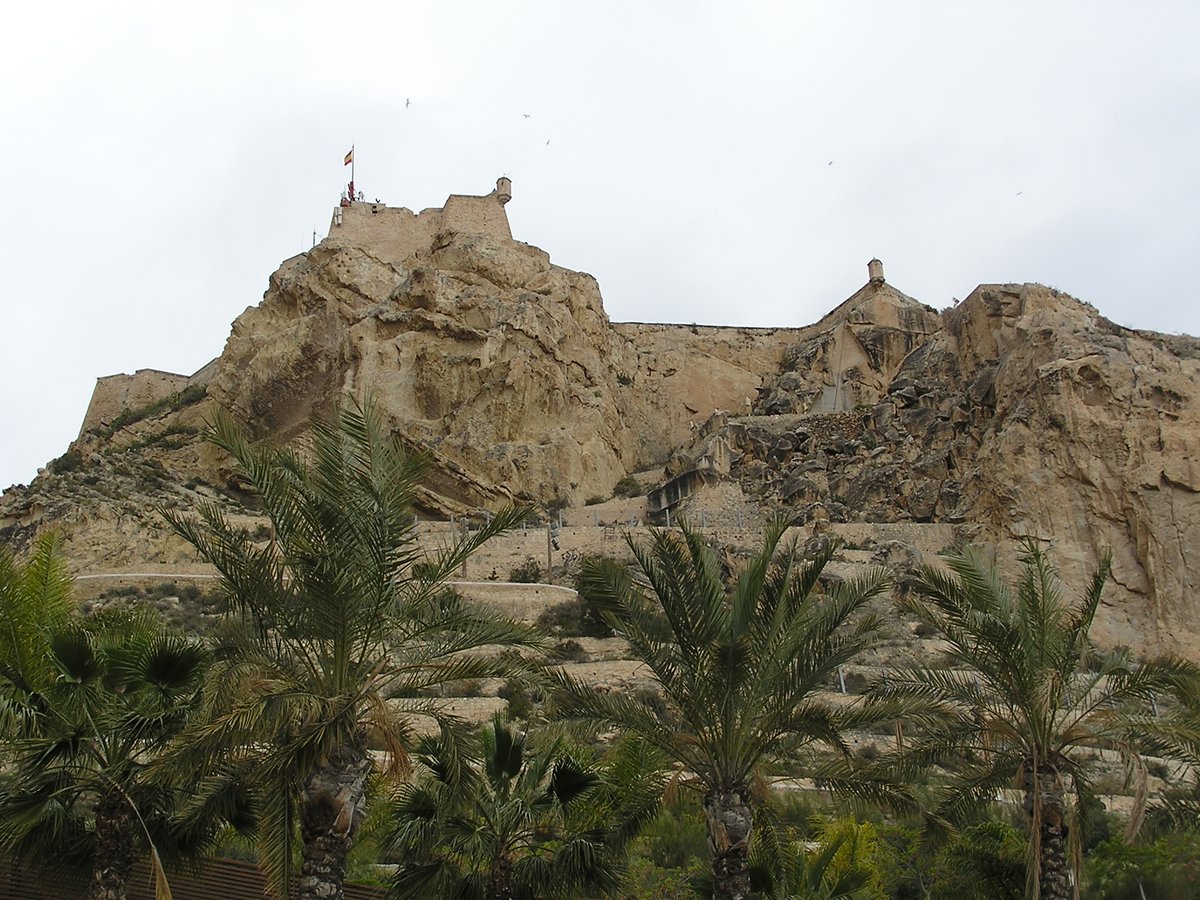
- Castillo de Santa Bárbara: Panoramic castle with city views.
- Archaeological Museum of Alicante (MARQ): Award-winning museum with exhibits on local history.
- Explanada de España Promenade: Picturesque waterfront walkway.
- Other Spanish Civil War Memorials: Explore additional sites relevant to the period (Alicante Tourism Official Website).
Travel Tips
- Footwear: Wear comfortable shoes as some paths may be uneven.
- Weather: Bring water and sun protection, especially from late spring to early autumn.
- Photography: Permitted throughout the site—key photo spots include the memorial plaque and panoramic views of the surrounding landscape.
- Respect: Maintain a quiet and respectful demeanor in acknowledgment of the site’s history.
Frequently Asked Questions (FAQ)
Q: Is there an entrance fee?
A: No, general admission is free. Some guided tours or events may require a ticket.
Q: What are the opening hours?
A: The site is open daily from 9:00 AM to 6:00 PM, but hours may vary seasonally. Check the official website for updates.
Q: Is the site accessible to people with disabilities?
A: Yes, paved and ramped paths ensure accessibility to main areas.
Q: Are guided tours always available?
A: Guided tours are offered on select days and during commemorative events. Contact local organizations for schedules.
Q: Can I visit with my pet?
A: Yes, pets on leashes are allowed in outdoor areas.
Listen to the full story in the app
The whole Los Almendros Concentration Camp,
told well.
Audio guides for 1,100+ cities across 96 countries. History, stories, and local insight — offline ready.

Verified, and shown.
Researched and written by the Audiala editorial team from historical records, architectural archives, and local expertise.
Researched from Wikidata, Wikipedia & official sources · fact-checked · How we make our guides →