Plan and listen to Co-Cathedral Of St. Nicholas Of Bari with Audiala.
Audio guide in your pocket, itinerary in your browser. Built for the way you actually visit.
Introduction
The Cocatedral de Sant Nicolau de Bari is a prominent historical and architectural landmark located in the heart of Alicante, Spain. This co-cathedral is not only a religious site but also a testament to the city's rich cultural and historical tapestry. Originally built on the site of a former mosque following the Christian Reconquista in the 13th century, the current structure was constructed in the early 17th century. The cathedral exemplifies a blend of architectural styles, primarily the Herrera style, known for its geometric rigor and minimal ornamentation, and Baroque elements that were added later. This unique combination makes it a fascinating destination for visitors interested in historical architecture and religious sites. Furthermore, the cathedral has withstood various tumultuous periods, including the Spanish Civil War, and continues to be a significant cultural and historical symbol for the city. (source)
Historical Background and Cultural Significance
From Conquest to Construction - The Early Years
The very ground on which the Cocatedral stands speaks of Alicante's layered past. Archaeological evidence points to the site being occupied during Roman times, followed by the Moors who left their indelible mark on the region. After the Christian Reconquista of Alicante in the 13th century, the city's main mosque, located where the cathedral now stands, was consecrated as a church dedicated to Saint Nicholas of Bari. This act symbolized the shift in power and the imposition of Christian dominance.
The construction of the present-day Cocatedral de Sant Nicolau de Bari began in the early 17th century, replacing the earlier mosque-turned-church. This period, following the Spanish Reconquista, was marked by a surge in church building, often on the sites of former Islamic structures. This practice served not only religious purposes but also as a powerful symbol of the triumph of Christianity.
Architectural Evolution - A Blend of Styles
The cathedral's architecture is a fascinating study in stylistic evolution. While predominantly designed in the Herrera style, a sober and restrained form of Renaissance architecture popular in Spain during the 16th and 17th centuries, it incorporates elements of other periods.
The Herrera Style
This style, exemplified in the Escorial Palace near Madrid, is characterized by its geometric rigor, lack of excessive ornamentation, and an imposing, fortress-like appearance. The Cocatedral's facade, with its simple lines, Doric columns, and symmetrical design, clearly reflects this influence.
Baroque Flourishes
Despite the overall Herrera dominance, the cathedral is not devoid of ornamentation. The dome, a later addition completed in 1691, showcases a more elaborate Baroque style, hinting at the evolving architectural tastes of the time. The interior, too, features Baroque elements, particularly in the altarpiece and various chapels, adding a touch of grandeur and opulence to the otherwise austere design.
A Symbol of Faith and Resilience
The Cocatedral de Sant Nicolau de Bari has been more than just a place of worship. It has been a steadfast presence through Alicante's tumultuous history, enduring periods of conflict and natural disasters.
The Spanish Civil War
During this turbulent period in the 20th century, the cathedral, like many religious buildings in Spain, suffered damage. However, it survived the conflict, and its subsequent restoration stands as a testament to the resilience of the city and its people.
Cultural Significance
Today, the Cocatedral de Sant Nicolau de Bari is an integral part of Alicante's cultural fabric. It is not merely a religious site but also a historical landmark, an architectural marvel, and a venue for cultural events. The cathedral's annual celebration of Saint Nicholas, the city's patron saint, is a major event, drawing locals and tourists alike to partake in the festivities.
Visitor Information
Visiting Hours and Tickets
The Cocatedral de Sant Nicolau de Bari is open to visitors throughout the year.
- Visiting Hours: Typically, the cathedral is open from 10:00 AM to 7:00 PM on weekdays and 10:00 AM to 2:00 PM on weekends. However, it is advisable to check the official website for any changes or special closures.
- Tickets: Entry to the cathedral is usually free, but donations are welcome to help maintain the site. Guided tours may have separate charges.
Travel Tips and Accessibility
- Location: The cathedral is centrally located in Alicante, making it easily accessible by public transport, including buses and trams.
- Accessibility: The cathedral is accessible to visitors with disabilities, with ramps and designated areas for ease of movement.
Nearby Attractions and Photographic Spots
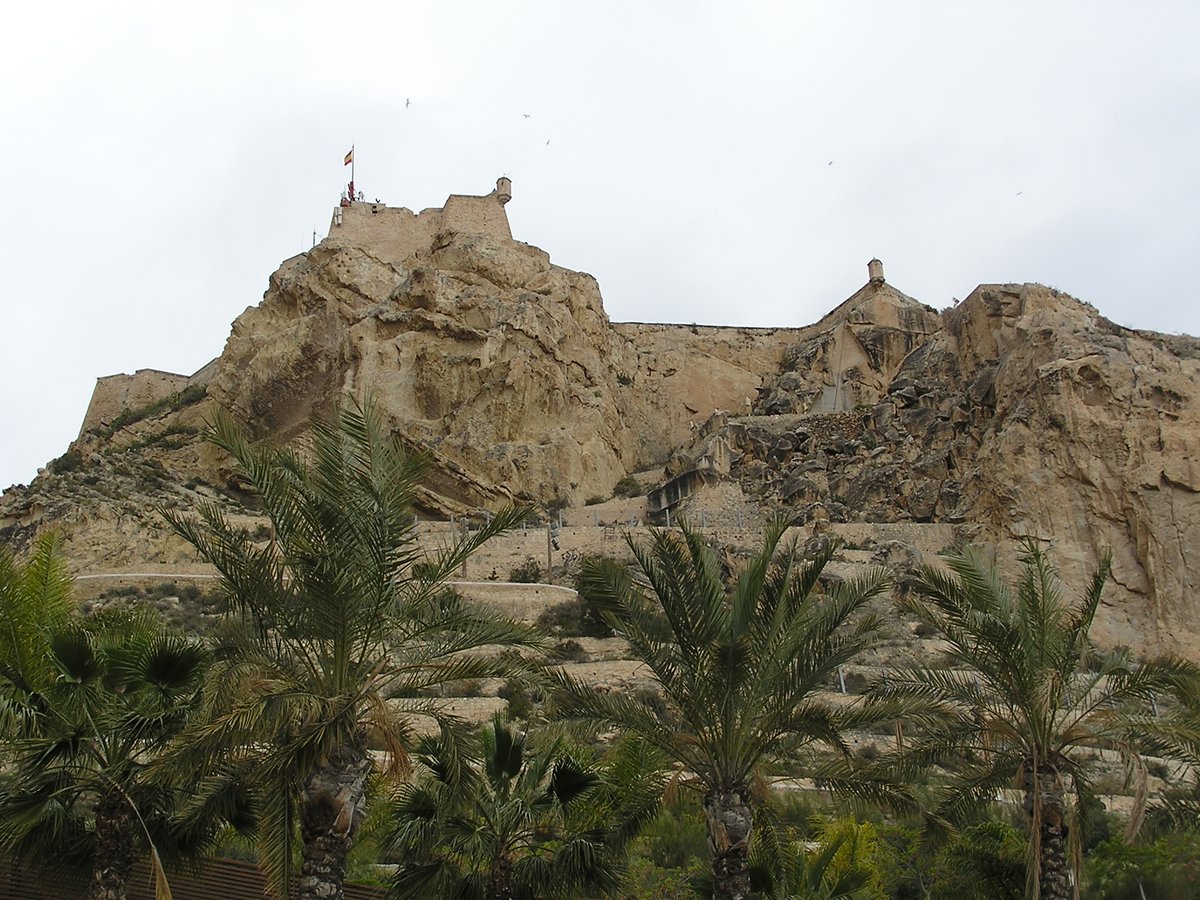
- Nearby Attractions: The cathedral is situated near other historical sites, including the Castle of Santa Barbara and the Archaeological Museum of Alicante (MARQ).
- Photographic Spots: The facade, dome, and interior of the cathedral offer stunning photographic opportunities, especially at sunset when the light enhances its architectural beauty.
Special Events and Guided Tours
The Cocatedral de Sant Nicolau de Bari hosts various special events throughout the year, including religious ceremonies, concerts, and cultural festivals. Guided tours are available and provide a deeper insight into the cathedral's history and architecture. Check the official website or local tourist information centers for schedules and booking details.
FAQ
Q: What are the Cocatedral de Sant Nicolau de Bari visiting hours? A: The cathedral is generally open from 10:00 AM to 7:00 PM on weekdays and 10:00 AM to 2:00 PM on weekends.
Q: Is there an entry fee? A: Entry is usually free, but donations are welcome. Guided tours may have separate charges.
Q: Is the cathedral accessible to visitors with disabilities? A: Yes, the cathedral is accessible with ramps and designated areas for ease of movement.
Q: Are there any special events or tours available? A: Yes, the cathedral hosts various events and guided tours. Check the official website for details.
Tickets & tours.
These are guided options from our partners — same price as booking direct.
Prices are indicative — final pricing and availability are confirmed at checkout. Audiala may earn a commission from bookings made through these links.
Listen to the full story in the app
The whole Co-Cathedral Of St. Nicholas Of Bari,
told well.
Audio guides for 1,100+ cities across 96 countries. History, stories, and local insight — offline ready.

Verified, and shown.
Researched and written by the Audiala editorial team from historical records, architectural archives, and local expertise.
Researched from Wikidata, Wikipedia & official sources · fact-checked · How we make our guides →