Plan and listen to Cemetery Of Alicante with Audiala.
Audio guide in your pocket, itinerary in your browser. Built for the way you actually visit.
Introduction: Discover Alicante Cemetery—A Living Museum of Heritage
Nestled on the outskirts of Alicante, Spain, the Cementerio Municipal Nuestra Señora del Remedio is more than a tranquil resting place—it stands as a profound testament to Alicante’s social history, artistic legacy, and evolving cultural identity. Established in the 19th century during a period of urban growth and public health reform, the cemetery is a living museum that reflects the city's journey from its Mediterranean port origins to its current multicultural fabric. It features neoclassical pantheons, eclectic mausoleums, evocative memorials, and sculptures that collectively narrate Alicante’s evolution under Iberian, Roman, Moorish, and Christian influences. The cemetery is also a poignant site of remembrance, especially for victims of the Spanish Civil War, and serves as a unique destination for cultural tourism, genealogy, and reflection (Wikipedia: History of Alicante; Alicante.es; mycostablanca.net; Minube).
Origins and Historical Development
Founded in the 19th century, the Cemetery of Alicante responded to the need for improved urban planning and public health. The decision to locate the cemetery outside the city followed King Carlos III’s Royal Decree of 1787, which promoted the relocation of burial grounds to preserve city hygiene. The cemetery’s creation coincided with Alicante’s rise as a Mediterranean port and encapsulates the city’s modernization while honoring tradition (Wikipedia: History of Alicante; mycostablanca.net).
Architectural and Artistic Features
Layout and Urban Design
The cemetery is a classic example of 19th-century cemetery planning. Its broad, tree-lined avenues, intersecting paths, and grid structure foster a serene, park-like atmosphere, making it both navigable and reflective (Alicante.es).
Funerary Architecture
- Pantheons and Family Mausoleums:
Grand mausoleums commissioned by prominent local families dominate certain areas, adorned with neoclassical, eclectic, and modernist elements like columns, pediments, and intricate ironwork. - Crypt-Pantheon:
Post-Spanish Civil War, a communal crypt-pantheon was built, featuring minimalist design and subdued lighting—a stark contrast to ornate mausoleums above ground. - Chapel and Sala de Vela:
The neoclassical chapel is used for religious ceremonies, while the adjacent sala de vela provides a quiet space for families to gather.
Sculpture and Symbolism
The cemetery is an open-air museum of funerary art, with sculptures depicting angels, mourning figures, and allegories of virtues such as hope and charity. Cypress trees, broken columns, laurel wreaths, and clasped hands appear throughout, reflecting Mediterranean and Catholic symbolism (Minube).
Social and Cultural Significance
Reflection of Alicante’s Social Fabric
Serving as a microcosm of Alicante’s diverse society, the cemetery is the final resting place for politicians, artists, merchants, and everyday citizens from varied backgrounds, highlighting the city’s open and multicultural nature (explorecity.life).
Historical Events and Memorials
The cemetery is closely linked to the Spanish Civil War, housing collective graves and memorials for victims of the conflict. Annual commemorations, particularly on All Saints’ Day (November 1), foster reflection and community (mycostablanca.net).
Heritage Recognition
The site is part of the European Route of Significant Cemeteries, recognized for its artistic, architectural, and cultural value (Significant Cemeteries).
Jardín del Silencio (Garden of Silence)
A modern landscaped addition, the Jardín del Silencio is a peaceful memorial garden that blends minimalist design with native plants and shaded benches. It is also the resting place of renowned poet Miguel Hernández and his family (Alicante.es).
Notable Burials and Memorials
- Miguel Hernández (poet):
His grave is a literary pilgrimage site. - José María Py (Hogueras founder):
Honored with Hogueras festival iconography. - Gastón Castelló (painter):
Artistic motifs adorn his grave. - Other dignitaries:
Mausoleums and graves of politicians, writers, and local leaders are marked by distinctive art and symbolism (Find a Grave: José María Escuer).
War memorials and collective graves commemorate victims of the Spanish Civil War, serving as communal spaces for remembrance (Ayuntamiento de Alicante).
Visiting Information
Visiting Hours
- Summer (April–September): 7:30 AM – 8:00 PM
- Winter (October–March): 7:30 AM – 6:00 PM
- General: Confirm up-to-date hours on the official website. Extended hours may apply during holidays.
Tickets and Admission
- Admission: Free for all visitors.
- Special Events & Tours: Some may require advance booking and a fee; check details online.
Guided Tours & Events
- Seasonal and event-based guided tours are offered, especially during All Saints’ Day and cultural heritage weeks. Book in advance via the official tourism portal.
Accessibility
- Main avenues are paved and wheelchair accessible; some older sections may be uneven.
- Parking: Accessible spaces near the main entrance.
- Restrooms: Accessible facilities available.
- Assistance: Staff can provide help; contact the cemetery office for special needs (Significant Cemeteries Accessibility).
Digital Tools and Virtual Experiences
- Digital Locator Tool: Find graves by name or family using the online locator.
- Virtual Tour: Explore the grounds remotely with a 360-degree virtual tour.
- Research Platforms: Find a Grave (Find a Grave: Cementerio de Alicante) and Geneanet (Geneanet: Cementerio Municipal Nuestra Señora de los Dolores).
Visitor Etiquette
- Visit only during official hours; avoid restricted areas.
- Dress modestly and maintain a respectful demeanor—speak quietly, silence mobile devices, and respect privacy.
- Photography is allowed for personal use; avoid photographing active services or mourners.
- Do not touch or disturb flowers, tributes, or grave markers.
- Pets are not allowed except for service animals.
Nearby Attractions
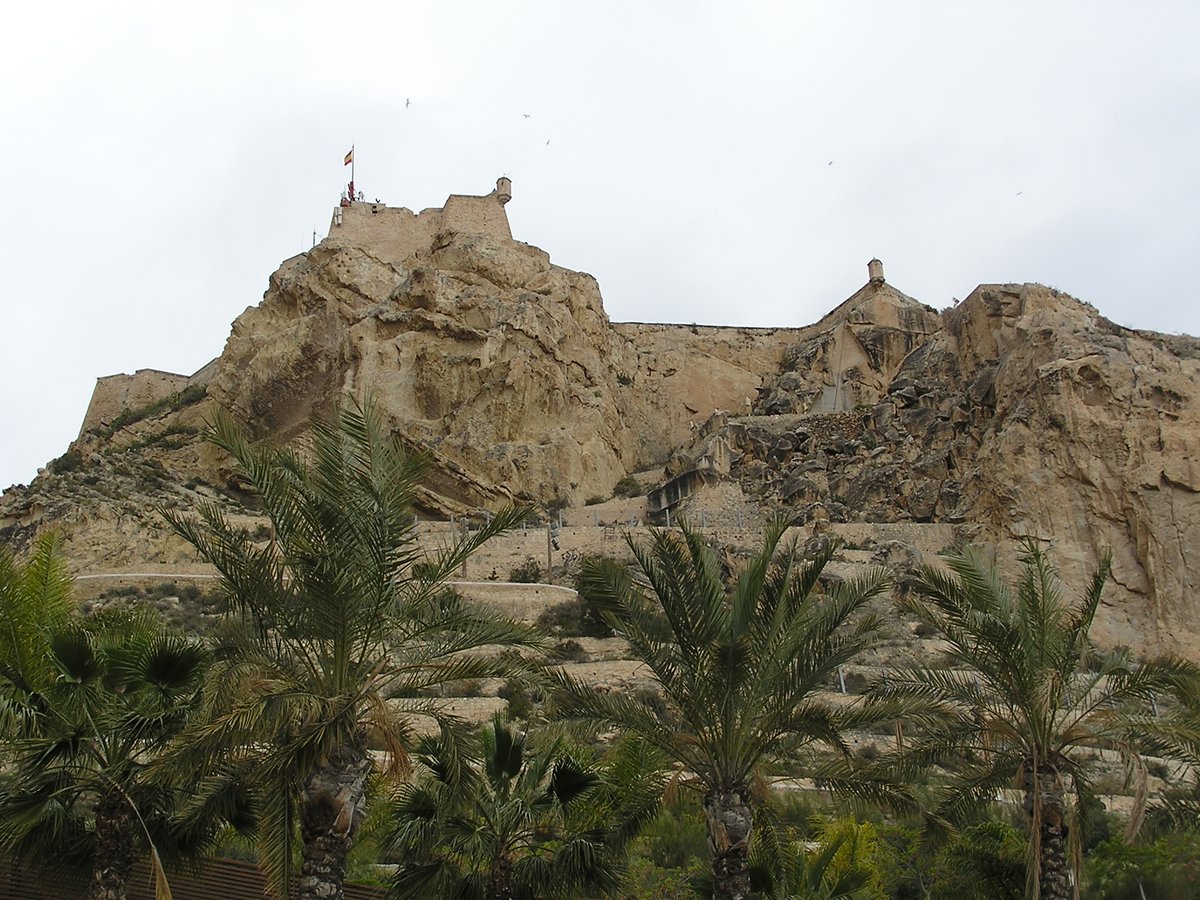
- Santa Bárbara Castle: Panoramic city views and medieval history.
- Explanada de España: Iconic mosaic promenade.
- Alicante Old Town: Historic streets, cafes, and nightlife.
- Other Cemeteries: Cementerio Municipal Nuestra Señora de los Dolores (Crevillente), Cementerio Nuestra Señora Asunción (Elche).
Research and Genealogy
Platforms like Find a Grave and Geneanet provide searchable grave records, photos, and genealogical data for Alicante and surrounding regions.
Frequently Asked Questions (FAQ)
Q: What are the visiting hours?
A: Summer: 7:30 AM–8:00 PM; Winter: 7:30 AM–6:00 PM. Confirm current hours online.
Q: Is there an entrance fee?
A: No, general admission is free.
Q: Are guided tours available?
A: Yes, especially during heritage events. Book in advance.
Q: Is the cemetery accessible to people with reduced mobility?
A: Main paths are accessible; some older areas may be difficult.
Q: Can I take photographs?
A: Yes, for personal use and with respect for privacy.
Q: Where can I find more information?
A: Alicante.es and local tourist offices.
Listen to the full story in the app
The whole Cemetery Of Alicante,
told well.
Audio guides for 1,100+ cities across 96 countries. History, stories, and local insight — offline ready.

Verified, and shown.
Researched and written by the Audiala editorial team from historical records, architectural archives, and local expertise.
Researched from Wikidata, Wikipedia & official sources · fact-checked · How we make our guides →