Plan and listen to Wall Of Corunna with Audiala.
Audio guide in your pocket, itinerary in your browser. Built for the way you actually visit.
Introduction
Nestled along Galicia’s Atlantic coast, the Wall of Corunna (Murallas de A Coruña) stands as a powerful monument to the city’s layered history. These ancient fortifications, dating from the era of Celtic settlements through Roman occupation, medieval expansion, and early modern conflicts, offer a tangible link to over two millennia of maritime defense and urban development. The walls not only protected A Coruña from pirates, foreign invasions, and the tides of empire, but today, grace the old town, gardens, and nearby landmarks such as the Tower of Hercules, blending past and present in the heart of the city. This guide explores the historical significance, architectural features, practical visiting information, and visitor tips to help you make the most of your journey to this iconic site (Wikipedia, Spain.info, Galicia Guide).
Pre-Roman and Roman Origins
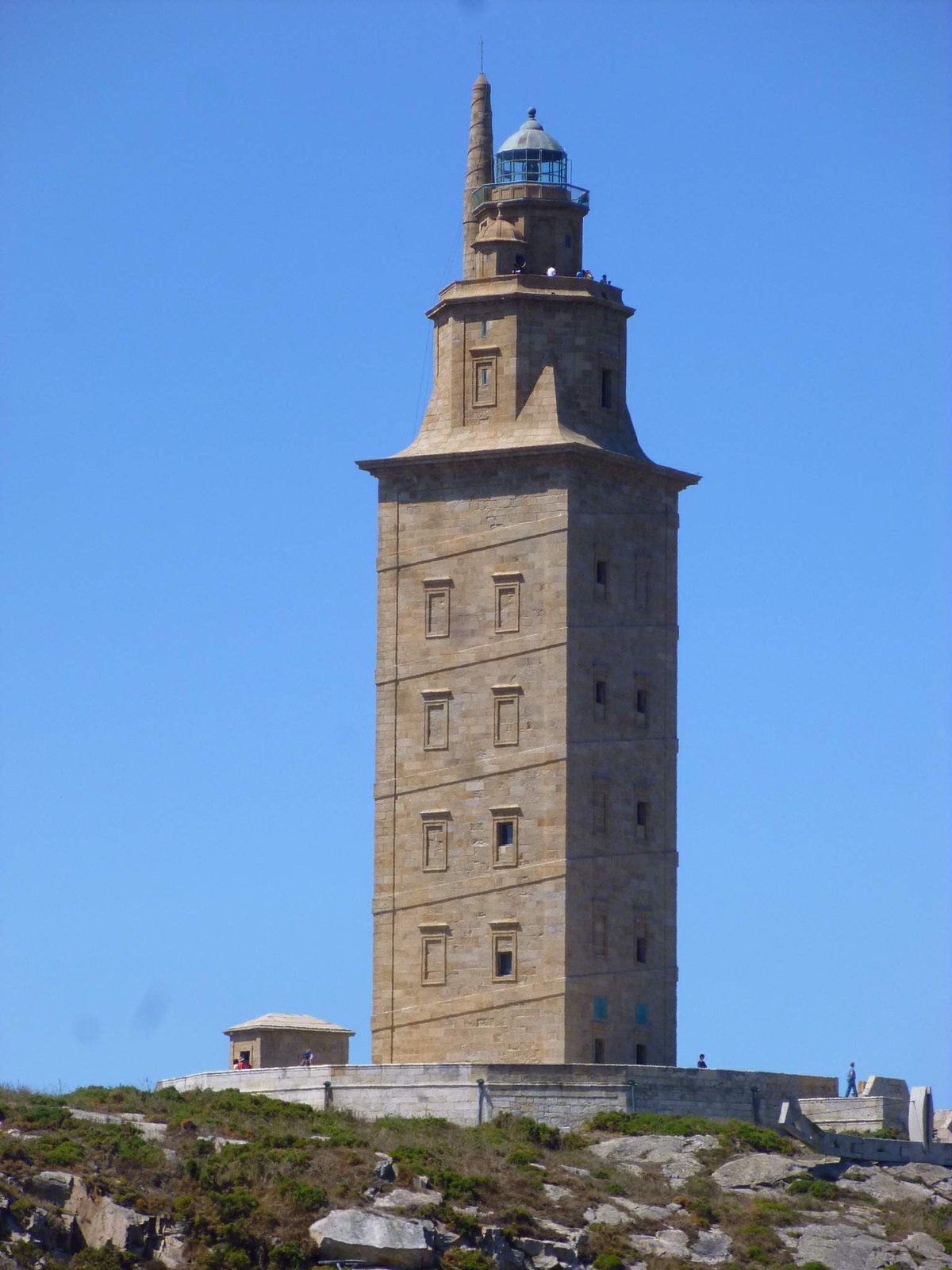
A Coruña’s earliest fortifications arose with the Celtic Artabri tribe between the 3rd century BCE and the 2nd century CE. The promontory that is now the Old City (Cidade Vella) was a strategic trading and defensive point at the entrance to the Portus Magnus Artabrorum (Wikipedia). With Roman arrival in the 2nd century BCE, the settlement—then known as Brigantium—became a vital Atlantic port. The Romans fortified the city, complementing constructions such as the Tower of Hercules, the world’s oldest working lighthouse (Spain.info).
Medieval Expansion and Fortification
Following the Roman Empire’s decline, A Coruña faced invasions and raids, prompting further fortification under the Kingdom of Asturias and later Galicia. From the 11th to the 15th centuries, granite walls enclosed the Cidade Vella, complete with gates, towers, and bastions to repel land and sea threats (Galicia Guide). Surviving sections can be found near the Church of Santiago and Santa María del Campo.
Early Modern Period: Strategic Importance and Upgrades
The 16th century marked A Coruña as Galicia’s political capital and a key Spanish maritime hub. The city’s walls were reinforced to withstand artillery, and the Castillo de San Antón was constructed to strengthen harbor defenses (Spain This Way). The walls played a crucial role during the 1589 English attack led by Sir Francis Drake, famously repelled thanks to the city’s fortifications and the courage of María Pita (Brogan Abroad).
18th–19th Century: Decline and Modernization
By the 18th century, advances in warfare and urban growth reduced the walls’ military relevance. During the Peninsular War, the walls gave shelter during the pivotal 1809 Battle of Corunna (Nomads Travel Guide). The 19th century saw parts of the walls demolished for city expansion, though key remnants remain.
Surviving Remnants and Present Significance
Today, sections of the granite wall are visible near Castillo de San Antón and the medieval quarter. These remnants are interwoven with plazas such as Praza de María Pita and the city’s gardens, illustrating A Coruña’s layered history (Holly Hits the Road).
Architectural Features and Legacy
The walls, built primarily from local granite, featured defensive towers and gates such as the Porta de Aires and Porta de San Miguel (Explorial). Their medieval double-shell construction and substantial thickness provided formidable resistance. The wall’s influence is still visible in the city’s street layout and is complemented by 19th-century glass balconies that gave A Coruña its “City of Glass” nickname (Galicia Guide).
Practical Visitor Information
Visiting Hours
- Outdoor Wall Sections: Accessible year-round, 24/7 as part of public spaces.
- Castillo de San Antón (Museum): Generally open daily from 10:00 AM to 6:00 PM, closed on major holidays. Seasonal changes may apply (A Coruña Tourist Information).
Tickets and Accessibility
- Outdoor Walls: Free entry.
- Castillo de San Antón: Ticketed entry, typically around €3 for adults, with discounts for children, students, and seniors.
- Guided Tours: Available through local tourism offices, usually €10–€20 per person.
- Accessibility: Most key sections, especially around the Garden of San Carlos and Baluarte de San Carlos, are accessible via ramps and paved paths. The old town’s cobbled streets can be uneven in places.
Travel Tips
- Footwear: Wear comfortable shoes for cobbled and uneven paths.
- Best Time to Visit: Early morning and late afternoon for optimal lighting and fewer crowds.
- Transport: The Old Town is walkable from the city center. Public transit and limited parking are available nearby.
- Maps & Audio Guides: Obtain maps from tourist offices at Plaza de María Pita; the Audiala app offers self-guided audio tours and maps (Audiala).
Guided Tours
- Guided walking tours, available in Spanish, English, and Galician, provide detailed historical context and access to less-visited sections of the wall.
- Book tours online or at tourism offices; audio guides and multilingual printed materials are widely available.
Nearby Attractions
- Tower of Hercules: UNESCO-listed Roman lighthouse, 1.5 km from the old town (worldheritagesites.net).
- Praza de María Pita: Central square framed by historic buildings and cafes.
- Church of Santiago: The oldest church in A Coruña, near the wall’s medieval route.
- Museums: Military Museum and Archaeological Museum in Castillo de San Antón.
Frequently Asked Questions (FAQ)
Q: What are the Wall of Corunna’s visiting hours?
A: Outdoor sections are open 24/7. Specific sites like Castillo de San Antón and Baluarte de San Carlos have set hours (typically 10:00–20:00 in summer, shorter in winter).
Q: Is there an entry fee?
A: Access to outdoor wall sections is free. Museums and guided tours may charge admission.
Q: Are guided tours available?
A: Yes, through local tourism offices and private companies. Tours are offered in multiple languages.
Q: Is the Wall of Corunna wheelchair accessible?
A: Major sections and gardens are accessible via ramps and paved paths, though some areas may be uneven.
Q: When is the best time to visit?
A: Spring and summer (April–September) for pleasant weather and cultural events; early mornings and late afternoons for photography.
Listen to the full story in the app
The whole Wall Of Corunna,
told well.
Audio guides for 1,100+ cities across 96 countries. History, stories, and local insight — offline ready.

Verified, and shown.
Researched and written by the Audiala editorial team from historical records, architectural archives, and local expertise.
Researched from Wikidata, Wikipedia & official sources · fact-checked · How we make our guides →