Introduction
The Teatro Rosalía de Castro, located in the heart of A Coruña, is a beacon of Galician cultural heritage and a prime destination for lovers of the performing arts, history, and architecture. This guide offers a detailed overview of the theater's history, significance, architecture, visiting hours, ticketing options, accessibility, and nearby attractions—providing everything you need to plan an enriching visit to this iconic venue.
Historical Background
Origins and Legacy
Founded in 1841 on the grounds of the former Church of San Jorge, the theater emerged from a civic initiative, funded by public subscription, to create a cultural hub for the growing city (Redescena). Originally named Teatro Nuevo (or Teatro Principal), its central location on Rúa Riego de Agua positioned it at the center of A Coruña’s artistic and social life (Concello da Coruña).
From Tragedy to Renaissance
A fire in 1867 destroyed the original building, but swift reconstruction saw the theater reopen in 1868, a testament to the community's commitment to the arts (Redescena). In 1909, it was renamed in honor of Rosalía de Castro, a major figure in Galician literature and a symbol of regional identity. This change reflected a period of cultural renaissance in Galicia and cemented the theater’s role as a guardian of local heritage.
Architectural Significance
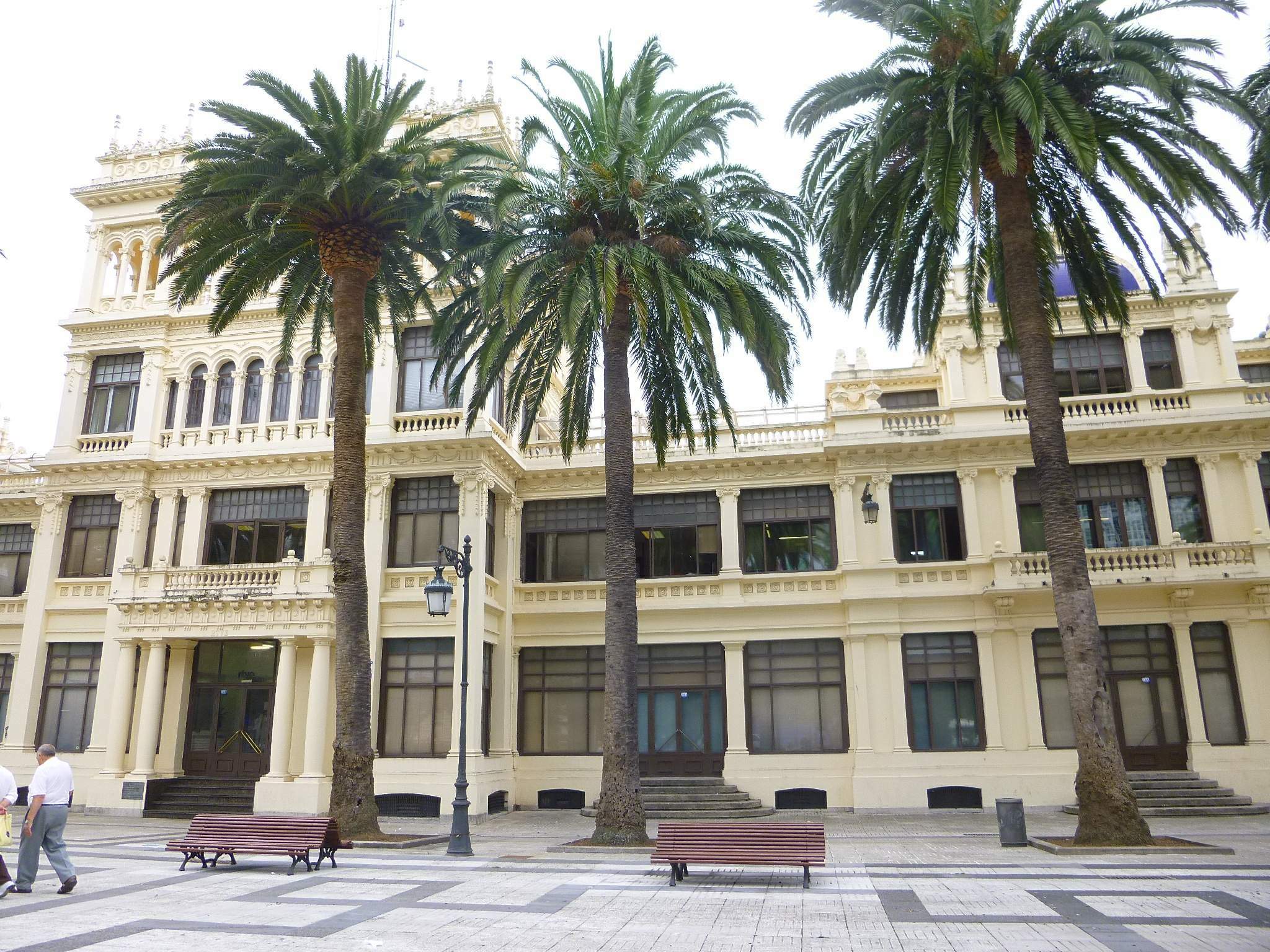
The Teatro Rosalía de Castro is an outstanding example of 19th-century eclecticism, blending neoclassical and Italianate styles. Its symmetrical stone façade, ornate balconies, and horseshoe-shaped auditorium pay homage to European theater traditions (Concello da Coruña). Recent renovations have preserved its original charm while introducing modern comforts, including improved acoustics and stage technology.
Inside, the theater boasts a spectacular auditorium with excellent sightlines and acoustics, a proscenium arch, and restored decorative frescoes. With a current capacity of just over 600 seats, the venue offers an intimate yet grand setting for a variety of performances (Guía Repsol).
Restoration and Modernization
The theater has undergone significant upgrades to enhance both its technical capabilities and accessibility. Recent improvements include the installation of ramps, elevators, and accessible restrooms, ensuring a welcoming environment for all visitors (Redescena). These efforts allow the venue to host a diverse range of performances, from traditional theater to multimedia productions.
Cultural Impact & Programming
A Center for Artistic Excellence
Teatro Rosalía de Castro is central to A Coruña’s vibrant cultural scene, hosting a variety of events—classical and contemporary theater, opera, music festivals, dance, and international galas (La Voz de Galicia). The venue is also a platform for showcasing Galician creativity, regularly featuring local companies and supporting emerging talent.
Highlights and Notable Events
- The annual Ciclo Principal de Otoño brings leading national and international performers to the stage (Coruña365).
- Local companies such as Sarabela and Teatro del Noroeste present original Galician works.
- The theater’s connection to Pablo Picasso, who attended performances as a youth, underscores its historical significance (Guía Repsol).
Community and Educational Initiatives
Beyond performances, the theater promotes cultural literacy through workshops, educational events, and collaborations with schools and community groups, engaging audiences of all ages.
Visiting Hours and Ticket Information
- Box Office Hours: Open on performance days from 16:00 to 20:00, and only if seats remain available (Official Tourist Board).
- Performance Hours: Vary by event—check the official website or ticketing platforms for current schedules.
- General Visiting: Monday to Saturday, 10:00 AM–2:00 PM and 5:00 PM–8:00 PM; closed Sundays and public holidays.
- Tickets: Purchase in person at the box office, or online via Tomaticket and other authorized outlets. Discounts are often available for students, seniors, and groups.
Accessibility and Visitor Amenities
- Physical Accessibility: Wheelchair-accessible entrances, elevators, and designated seating are available. Notify the theater in advance for assistance and to secure accessible seats.
- Amenities: A bar area is open during events for refreshments; cloakroom services are typically available.
- Language: Most events are in Spanish or Galician; check listings for language or non-verbal performances. Staff may offer assistance in English.
- Dress Code: Smart-casual attire is typical; formal wear is common for gala events.
Nearby Attractions
Teatro Rosalía de Castro is ideally located for exploring A Coruña’s historic and cultural sites:
- Plaza de María Pita: The city’s main square, steeped in local history.
- Torre de Hércules: The oldest functioning Roman lighthouse and a UNESCO World Heritage Site.
- Old Town (Casco Viejo): Cobblestone streets, museums, and traditional Galician cuisine.
- Teatro Colón and Palacio de la Ópera: Additional venues for music and theater (VisitCoruna Theatres).
Frequently Asked Questions
Q: What are the theater’s visiting hours?
A: Monday–Saturday, 10:00–14:00 and 17:00–20:00; closed Sundays and public holidays. Box office is open on performance days from 16:00 to 20:00.
Q: How can I buy tickets?
A: Tickets are available at the box office (performance days only) and online via Tomaticket.
Q: Is the theater accessible for wheelchair users?
A: Yes, but advance notice is recommended to ensure assistance and seating.
Q: Are guided tours available?
A: Occasionally, during festivals or special open days. Contact the theater for current offerings.
Q: What else can I visit nearby?
A: Plaza de María Pita, Torre de Hércules, the Old Town, and other cultural sites are within walking distance.
How to Visit & Contact Information
- Address: Rúa Riego de Agua, 37, A Coruña
- Box Office: +(34) 981 184 349 / +(34) 981 184 200 Ext. 75138
- Email: [email protected]
- Official Website: Teatro Rosalía de Castro
Travelers are encouraged to arrive early, secure tickets in advance (especially during festivals), and consult the official website for the latest event listings.
Final Thoughts
The Teatro Rosalía de Castro is a vital symbol of A Coruña’s cultural spirit, uniting history, architecture, and the performing arts in a single, unforgettable venue. Whether attending a world-class performance, exploring its architectural beauty, or discovering nearby historic sites, every visit is an invitation to experience Galicia’s rich artistic heritage.
For event updates, ticketing, and cultural news, download the Audiala app and follow the theater and local tourism boards on social media. Immerse yourself in the dynamic cultural landscape of A Coruña—starting at the Teatro Rosalía de Castro.
Listen to the full story in the app
Your Personal Curator, in Your Pocket.
Audio guides for 1,100+ cities across 96 countries. History, stories, and local insight — offline ready.
Audiala App
Available on iOS & Android
Join 50k+ Curators
Sources
- verified
- verified
- verified
- verified
- verified
- verified
Last reviewed: