Plan and listen to Punta Herminia with Audiala.
Audio guide in your pocket, itinerary in your browser. Built for the way you actually visit.
Introduction
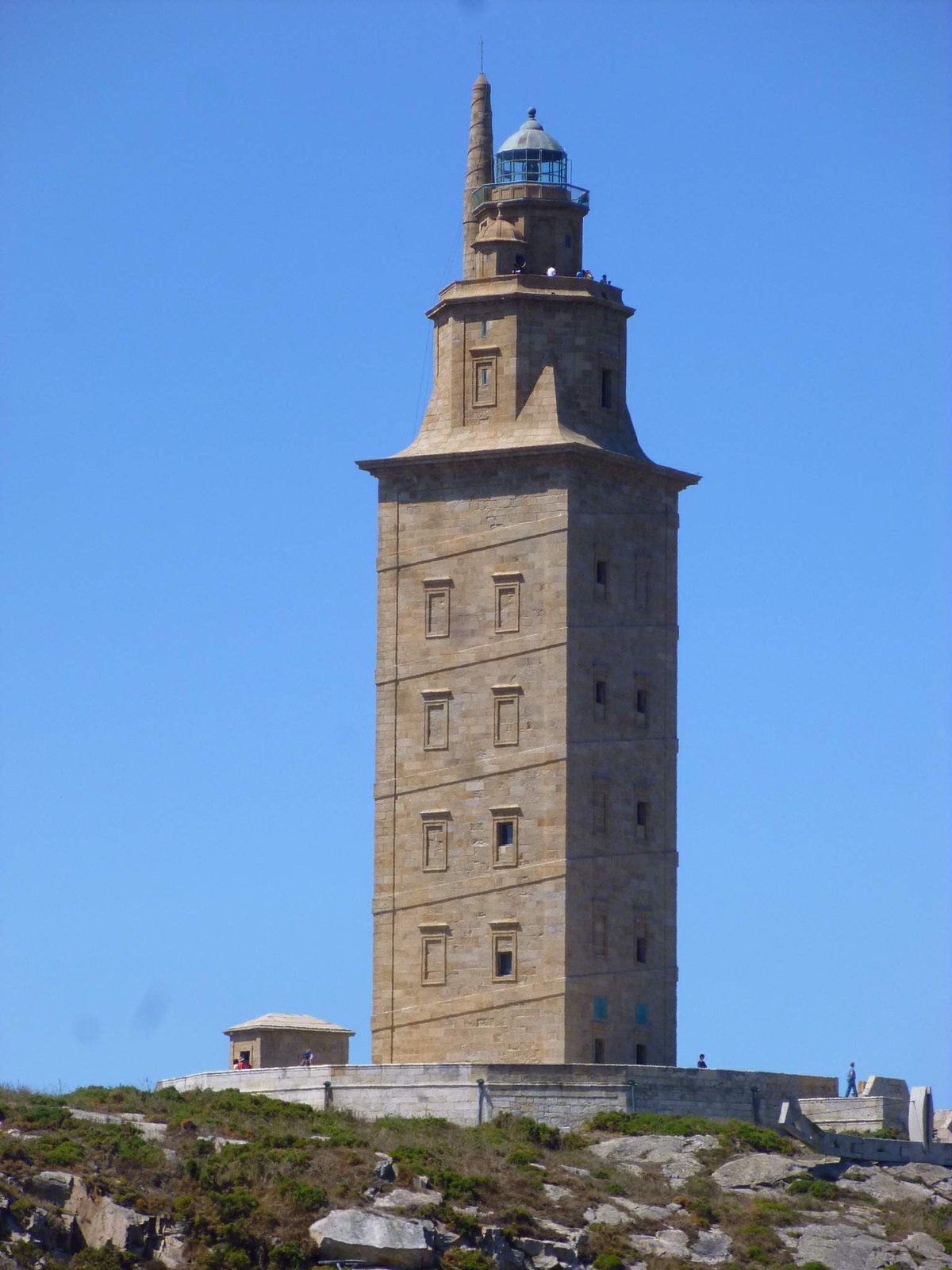
Punta Herminia, perched on the northern edge of the A Coruña peninsula in Galicia, Spain, is a remarkable destination where breathtaking Atlantic landscapes meet millennia of cultural heritage. This guide provides a detailed overview of Punta Herminia and the nearby Tower of Hercules, the world’s oldest working Roman lighthouse and a UNESCO World Heritage Site. From ancient rock engravings and open-air sculpture parks to panoramic coastal walks, this area promises a rich experience for history buffs, nature lovers, and cultural travelers alike.
Whether you’re planning a day trip or a longer stay, use this comprehensive resource to discover everything you need to know: visiting hours, ticketing, main attractions, outdoor activities, local customs, travel tips, and sustainable tourism practices. For further details, consult the official tourism websites and interactive virtual tours (coruna.gal, queverengalicia.ovh, spain.info).
Historical Background & Cultural Significance
Prehistoric Heritage: Petroglyphs
Punta Herminia is home to ancient petroglyphs—rock engravings that date back to the late Neolithic or Bronze Age. These carvings, including concentric circles and anthropomorphic figures, offer insights into the rituals and beliefs of Galicia’s earliest inhabitants. The most notable example, Pena da Brúxula, features a series of cross-shaped motifs, possibly linked to spiritual or territorial practices. Preservation is paramount; visitors are asked not to touch or use flash photography near these fragile relics (Que Ver en Galicia).
Roman Legacy: The Tower of Hercules
Standing near Punta Herminia, the Tower of Hercules is the world’s oldest functioning Roman lighthouse, built in the 1st or 2nd century AD. Designed by Gaius Sevius Lupus, the tower played a crucial role in the maritime navigation of Roman and subsequent eras. After centuries of use and restoration, it remains a powerful symbol of A Coruña’s seafaring heritage (Turismo de Galicia, Coruña City Council).
Medieval to Modern Transformations
Following the Roman Empire’s decline, the lighthouse and surrounding area experienced periods of neglect and revival, notably an 18th-century restoration that granted the tower its neoclassical appearance. Punta Herminia’s cliffs and military remnants reflect its enduring defensive significance (Puerto Coruña).
Mythology, Legends & Cultural Identity
Local legends—such as Hercules’s defeat of the giant Geryon or the Celtic King Breogán’s connections to Ireland—infuse Punta Herminia with mythic resonance. These stories are celebrated in local festivals, sculptures, and citywide art installations (Galiwonders).
The Sculpture Park: Contemporary Culture
The Parque Escultórico da Torre de Hércules is an expansive open-air sculpture park surrounding the lighthouse, featuring monumental works inspired by Galician mythology and history. The park’s design encourages exploration by foot or bike, blending art with panoramic ocean vistas (coruna.gal).
Natural Features & Landscape
Coastal Geography
Punta Herminia juts dramatically into the Atlantic, offering unobstructed views of the Golfo Ártabro, Sisargas Islands, and the city’s historic coastline. The headland’s rugged cliffs, windswept grasslands, and wildflowers create a striking natural setting (coruna.gal).
Flora & Fauna
Native flora such as sea thrift, gorse, and heather thrive in this saline environment. The cliffs are a haven for seabirds—cormorants, gulls, and guillemots—making Punta Herminia a top spot for birdwatching, especially during migratory seasons.
Walking Paths & Accessibility
A network of well-marked trails—like the Punta Herminia and Menhires routes—lets visitors experience the landscape at their own pace. Most paths are accessible for all fitness levels, and the seaside promenade links Punta Herminia to A Coruña’s city center in about 30 minutes (thisremotecorner.com).
Main Attractions
Tower of Hercules
The main attraction, this UNESCO World Heritage Site rises 55 meters above the headland. Visitors can tour its interpretation center and ascend the tower for sweeping views of the Atlantic and city (makespain.com).
Hours: April–October: 10:00–20:00; November–March: 10:00–18:00
Tickets: ~€3 adults; discounts for students, seniors, and children under 8. Purchase online or at the entrance.
Sculpture Park
Covering 47 hectares, the park features numerous sculptures, including:
- The Stone Ship
- Breogan
- Doors of Hercules
- Menhirs
- Rosa dos Ventos (Compass Rose)—a mosaic symbolizing the eight Celtic nations (coruna.gal).
Archaeological Heritage
Explore the petroglyphs at Pena da Brúxula and other sites, designated Assets of Cultural Interest (BIC). The carvings are fragile—please observe from a respectful distance (laopinioncoruna.es).
Historical Military Structures
Remnants of fortifications, such as the Pradarías battery, are visible across the headland, reflecting its strategic importance from the 16th–18th centuries. A monument to Moroccan auxiliaries who died during the Spanish Civil War stands here (laopinioncoruna.es).
Muslim Cemetery (Cementerio Moro)
This contemplative memorial within the Sculpture Park honors Moroccan soldiers from the Spanish Civil War, marked by evocative sculptures (coruna.gal).
Panoramic Viewpoints & Birdwatching
Enjoy unrivaled ocean vistas from the Rosa dos Ventos and other lookout points. The area is also a hotspot for observing seabirds and the interplay of land and sea.
Beaches
- Playa de Punta Herminia: Secluded, sandy, ideal for sunbathing and relaxation.
- Bolera de Punta Herminia: A pebble beach with moderate waves; access is challenging and best for adventurous visitors (spain.info).
Outdoor Activities & Experiences
Coastal Walks & Cycling
The Punta Herminia Route (2 km) and Menhires Route (4 km) guide visitors past sculptures and scenic viewpoints. The extensive seaside promenade and bike paths are suitable for all levels (coruna.gal).
Water Sports & Scenic Diving
Surfing, paddleboarding, and windsurfing are popular thanks to consistent Atlantic swells. Certified divers can explore underwater cliffs and marine life beneath the Herminia Cliffs (wildsea.eu).
Art & Culture
The Sculpture Park’s monumental works, inspired by Galician myths, can be explored by walking or cycling. Installations such as La Caracola and the Pentacephalic Menhir are highlights (letsteacheurope-erasmus.site).
Other Attractions
- Castillo de La Torre: Medieval fortress with guided tours and panoramic views (queverengalicia.ovh).
- Gardens of the Tower: Manicured lawns and flowerbeds for relaxation and picnics.
Visiting Information
Getting There
- By Air: A Coruña Airport has regular flights from major cities.
- By Train: The city’s station connects with other Spanish destinations.
- By Car: Accessible via AP-9 and AG-55 highways, with parking near main attractions.
- On Foot/Bike: The promenade offers easy access from the city center.
Accessibility
Most main paths and attractions are accessible to those with limited mobility. However, some beaches and natural areas may be challenging (spain.info).
Facilities & Services
- Public restrooms are available near the Tower and promenade.
- Visitor centers provide maps and information (coruna.gal).
- Parking is available near major sites (letsteacheurope-erasmus.site).
Dining & Accommodation
Local restaurants offer Galician specialties like pulpo a la gallega, fresh seafood, and regional wines. Accommodation options range from boutique hotels to guesthouses and vacation rentals (roughguides.com).
Safety & Visitor Tips
- Dress in layers; the Atlantic weather is changeable.
- Wear sturdy shoes for cliffside walks.
- Use sunscreen and insect repellent in summer.
- Respect conservation rules: stay on marked paths and avoid disturbing wildlife or heritage sites.
Local Customs, Events & Sustainable Tourism
Maritime Heritage & Traditions
Punta Herminia embodies Galicia’s maritime culture, reflected in local festivals, cuisine, and communal rituals. Respect for the sea and natural environment is a cornerstone of local life (jardineroscoruna.com, galiciatravels.com).
Language
Spanish and Galician are widely spoken; basic Galician greetings are appreciated. Tourist signage and interpretation panels are often bilingual, with English resources at major sites (audiala.com).
Events
- San Xoán (June 23–24): Bonfires and rituals mark the summer solstice (coruna.gal).
- María Pita Festival (August): Concerts and parades celebrate the city’s heroine.
- Carnival (Entroido): Music, costumes, and festive traditions each February/March.
- Open-air Concerts: Punta Herminia hosts major music and cultural events in summer (galiciaenconcierto.com).
Sustainable Tourism
As part of a UNESCO World Heritage area, Punta Herminia employs conservation measures, including wooden walkways and wildlife observation platforms (gl.wikipedia.org, quehacerencoruna.blogspot.com). Support local businesses, use public transport or bicycles, and follow “leave no trace” principles. Events like the BioCultura A Coruña fair promote ecological awareness (clusterturismogalicia.com).
Nearby Attractions
- A Coruña Old Town (Casco Viejo): Historic streets, shops, and restaurants.
- Museo Domus: Interactive science exhibits on humanity.
- Orzán & Riazor Beaches: Popular city beaches for swimming and relaxation.
- Castle of San Antón: Maritime museum in a historic fortress.
Frequently Asked Questions (FAQs)
Q: What are the visiting hours for Punta Herminia and Tower of Hercules?
A: Punta Herminia is open year-round, accessible at all hours; the Tower of Hercules is usually open 10:00–20:00 in summer, 10:00–18:00 in winter (check official website for updates).
Q: How can I buy tickets for the Tower of Hercules?
A: Purchase online at the official tourism site or onsite at the entrance.
Q: Are the walking paths accessible?
A: Most are, but some cliffside or beach areas may be uneven.
Q: Are guided tours available?
A: Yes, for the Tower and Sculpture Park, in multiple languages.
Q: Is there an entrance fee for the Sculpture Park or walking routes?
A: No, both are free.
Q: Is Punta Herminia suitable for those with limited mobility?
A: Main routes are accessible, but access to some natural beaches may be difficult.
Q: Can I take photos?
A: Yes, but avoid flash at petroglyphs and respect signage.
Listen to the full story in the app
The whole Punta Herminia,
told well.
Audio guides for 1,100+ cities across 96 countries. History, stories, and local insight — offline ready.

Verified, and shown.
Researched and written by the Audiala editorial team from historical records, architectural archives, and local expertise.
Researched from Wikidata, Wikipedia & official sources · fact-checked · How we make our guides →