Plan and listen to Palacio De Capitanía with Audiala.
Audio guide in your pocket, itinerary in your browser. Built for the way you actually visit.
Introduction
Nestled in the heart of A Coruña’s historic quarter, the Palacio de Capitanía stands as a remarkable symbol of Galicia’s military, judicial, and civic heritage. With its striking neoclassical and baroque architecture, this 18th-century palace has played a pivotal role in regional and national history—from its origins as the headquarters of the Captaincy General and the Royal Court of Galicia to its continued function as an active military site and cultural venue today. Visitors to the Palacio de Capitanía are treated to stories of battles, uprisings, and civic milestones, as well as an immersive experience of architectural splendor, art collections, and ceremonial traditions.
This comprehensive guide provides essential information on the palace’s history and cultural significance, architectural highlights, visiting hours, ticketing, accessibility, nearby attractions, special events, and practical travel tips. For official details and the most current updates, consult the Ejército de Tierra – Fuerza Logística Operativa and the A Coruña tourism portal.


Early Foundations and Evolution
The Palacio de Capitanía’s roots trace to the 16th century, when A Coruña emerged as a strategic Atlantic port and capital of the Kingdom of Galicia. The palace was established to house the Captain General and the Real Audiencia, reflecting both the military and judicial authority concentrated in the city (coruna.gal; Spain.info).
In 1748, King Fernando VI commissioned the palace’s reconstruction, with military engineers Juan de Vergel and Francisco Llovet designing a three-storey rectangular edifice centered on a porticoed courtyard. The building has witnessed critical episodes—from the Battle of Corunna during the Peninsular War to local uprisings in 1808 and 1820 (Britannica). During the Spanish Civil War, it played a central command role, and today it remains the headquarters of the Army’s regional command (La Voz de Galicia).
Architectural and Artistic Highlights
Exterior Features
- Façade: The granite façade, with five symmetrical bays and French-inspired neoclassical styling, bears the coats of arms of Galicia and the Real Audiencia. It once featured a prominent mechanical clock, now preserved in the Military Museum (ahcmn.es).
- Site Layout: The palace’s rectangular design is organized around a porticoed courtyard, maximizing light and ventilation, and features dual entrances for its civic and military functions (gl.wikipedia.org).
Interior Spaces
- Grand Staircases: Two monumental staircases connect the main floors, leading to ceremonial rooms and private quarters (galiciapuebloapueblo.blogspot.com).
- Salón del Trono (Throne Room): Rich in 1930s woodwork, tapestries, and paintings (some on loan from the Museo del Prado and Fundación Pardo Bazán).
- Pasillo de los Espejos (Hall of Mirrors): Adorned with mirrors, period furnishings, and paintings.
- Art and Artifacts: Stained glass windows (notably one depicting Columbus’s caravels beneath the Spanish crown), military memorabilia, regimental flags, and a recreated Captain General’s office with period documents (Escapalandia).
- Basement: Houses a historic vaulted cistern and, historically, military dormitories and archives (ahcmn.es).
Symbolism
The bell tower and cloister-like courtyard symbolize secular authority and the palace’s integration with the city’s defensive walls, emphasizing its dual civic-military role (galiciapuebloapueblo.blogspot.com).
Visiting the Palacio de Capitanía: Hours, Tickets, and Accessibility
Visiting Hours and Ticket Info
- Guided Tours: Held exclusively on the last Friday of each month at 11:00 AM. Tours last 60–90 minutes and are free of charge. No prior registration is required; attendance is first-come, first-served. Visitors should arrive 15–30 minutes early at Plaza de la Constitución (museumspedia.net).
- Special Events: Additional open days may occur on dates such as May 30 and October 12, featuring concerts and ceremonial activities (corunavirtual.com).
- Admission: Free for general tours. Special exhibitions or events may require tickets (typically €5–€10).
Security and Access
- ID Required: Valid identification is necessary due to security protocols as the palace functions as an active military headquarters.
- Accessibility: Main areas are wheelchair accessible, but some historic spaces (e.g., staircases, the cistern) may pose challenges. Contact in advance for assistance.
- Languages: Tours are primarily in Spanish; inquire in advance for English-language options.
How to Get There
- Address: Plaza de la Constitución, 5, 15001 A Coruña, Spain
- Transport: Centrally located in A Coruña’s Old Town, accessible by foot, bus, or taxi. Parking is limited; public parking at Plaza de María Pita is recommended.
Special Events and Cultural Activities
- Solemn Guard Change Ceremony: Held on the last Friday of each month at 11:00 AM, featuring military parades, inspections, and the palace band—a vivid display of tradition (corunavirtual.com).
- Military Band Concerts: Free concerts in the courtyard, often on the last Thursday or Friday monthly (museumspedia.net).
- Temporary Exhibitions: Art exhibitions, historical displays, and lectures, including notable exhibitions such as “Felipe VI 2014–2024” (La Opinión A Coruña).
Practical Travel Tips
- Arrive Early: Guided tours fill quickly.
- Attire: Dress respectfully due to the military environment.
- Photography: Allowed in public spaces unless otherwise specified by your guide.
- Language: Tours are in Spanish; check for English options or bring a translator if needed.
- Travel Light: Due to security, minimize bags and follow instructions at the entrance.
Nearby Attractions
Enhance your visit by exploring other landmarks nearby:
- Plaza de María Pita: A Coruña’s main square with lively cafés and historic buildings.
- Castillo de San Antón: Fortified castle with panoramic harbor views and a city museum.
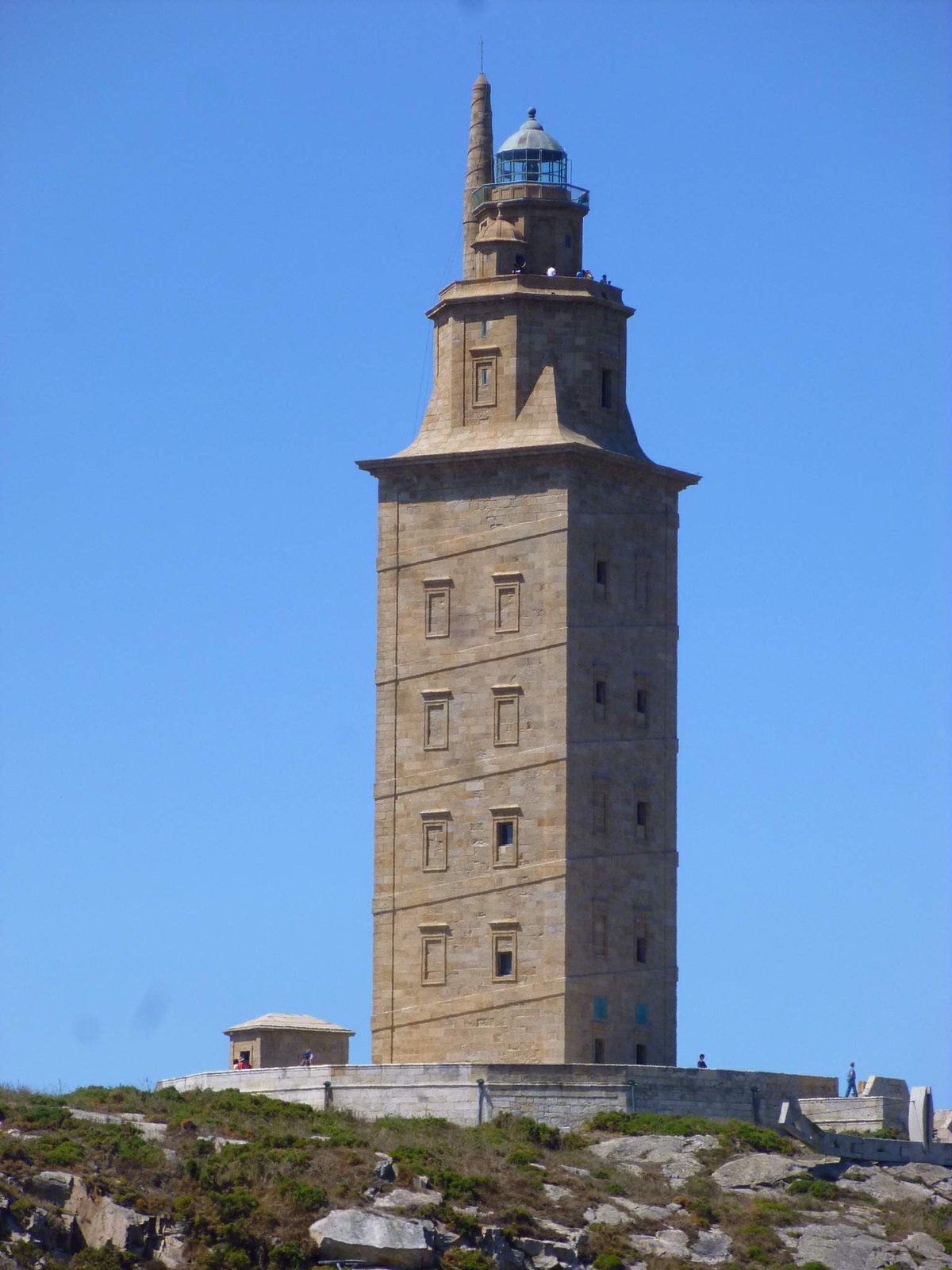
- Torre de Hércules: Ancient Roman lighthouse and UNESCO World Heritage site.
- Casa Museo Emilia Pardo Bazán: Museum dedicated to Galicia’s famed writer.
- Old Town (Ciudad Vieja): Winding streets, the Church of Santiago, and local boutiques.
Frequently Asked Questions (FAQ)
Do I need to book tickets in advance?
No, tours are free, first-come, first-served. Arrive early, especially during popular periods.
Are the visiting hours limited?
Yes, tours are offered only on the last Friday of each month at 11:00 AM, with occasional special events.
Is the palace wheelchair accessible?
Main public areas are accessible. Some historic features may be challenging; contact ahead for details.
Can I take photographs?
Photography is generally allowed in public areas. Ask your guide for specific restrictions.
Are tours available in English?
Typically in Spanish; inquire in advance for English-language tours.
Is parking available?
Limited. Use nearby public parking or public transport.
Listen to the full story in the app
The whole Palacio De Capitanía,
told well.
Audio guides for 1,100+ cities across 96 countries. History, stories, and local insight — offline ready.
Verified, and shown.
Researched and written by the Audiala editorial team from historical records, architectural archives, and local expertise.
Researched from Wikidata, Wikipedia & official sources · fact-checked · How we make our guides →