Introduction: History and Cultural Significance
The Coruña Fine Arts Museum (Museo de Belas Artes da Coruña) is one of Galicia’s most important cultural institutions, situated in the heart of A Coruña, Spain. Officially established in 1947, its roots trace back to the late 19th century, when local collectors and intellectuals began preserving Galician and European art. Today, the museum is housed in a beautifully restored 17th-century Capuchin Convent, expanded in the 1990s with a modern annex designed by Manuel Gallego Jorreto, which harmoniously blends historical architecture with contemporary design (Brogan Abroad, Wikipedia).
The museum’s collection spans from medieval religious art to contemporary creations, including works by European masters like Francisco Goya, Peter Paul Rubens, and Tintoretto, as well as Galician luminaries such as Luis Seoane and Urbano Lugrís. Highlights include Goya’s engravings and the Sargadelos ceramics collection, emblematic of Galician craftsmanship (Spain.info, Lonely Planet).
Strategically located at Rúa Zalaeta 2, the museum is easily accessible by foot or public transport and is close to other key city landmarks, including Praza de María Pita and the Old Town. It offers full accessibility, multilingual guided tours, educational workshops, and a shop featuring local crafts. Admission to the permanent collection is free, with ticketed entry for special exhibitions (Museo de Belas Artes official site, Love2Fly Iberia).
- Historical Overview
- Architecture and Renovations
- Collections and Highlights
- Visiting Information
- Accessibility and Visitor Services
- Guided Tours and Events
- Nearby Attractions
- Practical Tips
- FAQs
- References
The museum’s origins are rooted in the cultural awakening of late 19th-century A Coruña, where local efforts focused on protecting and exhibiting Galician heritage. After the Spanish Civil War, the need to safeguard cultural assets became urgent, leading to the museum’s official inauguration in 1947. Early collections included works transferred from Madrid’s Prado Museum and donations from regional collectors. Over time, the museum expanded its holdings to include a broad spectrum of Galician, Spanish, and European art.
Architecture and Renovations
Original and Modern Structure
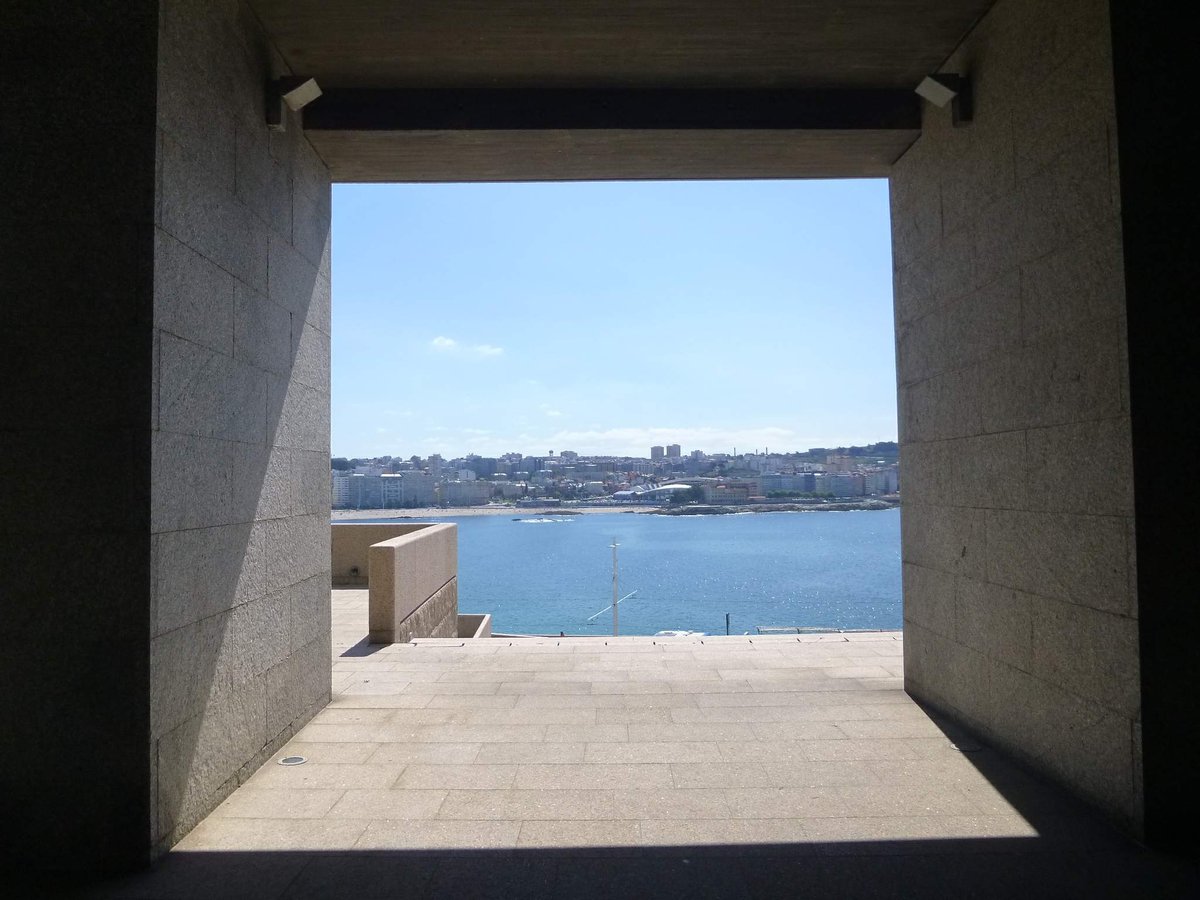
The museum’s base is the former Capuchin Convent, a 17th-century building with a preserved cloister. In the 1990s, architect Manuel Gallego Jorreto designed a modern annex that won Spain’s National Architecture Prize in 1997. The design integrates local granite and glass, maximizing natural light and seamlessly connecting historic and contemporary spaces (Wikipedia).
Key Features
- Restored Cloister: Central courtyard for exhibitions and events.
- Flexible Galleries: Adaptable, light-filled spaces for a variety of artworks.
- Sustainable Materials: Local granite for durability and regional identity.
- Public Spaces: Outdoor gardens and plazas foster community engagement (Brogan Abroad).
Collections and Highlights
European Masters
The museum’s European collection includes works by Juan de Juanes, Bartolomé Esteban Murillo, Tintoretto, and Peter Paul Rubens, providing a broad panorama of Renaissance and Baroque painting (Spain.info, Lonely Planet).
Francisco Goya Engravings
A dedicated engraving room features Goya’s acclaimed aquatint series: Los Caprichos, Los Desastres de la Guerra, La Tauromaquia, and Los Disparates, noted for their technical brilliance and social critique (This Remote Corner).
Galician Art
Celebrated Galician artists include Luis Seoane, Urbano Lugrís, Manuel Colmeiro, and Julia Minguillón, whose works reflect regional landscapes and customs. The museum is also home to Sargadelos ceramics, a hallmark of Galician decorative art (Love2Fly Iberia).
Visiting Information
Location
- Address: Rúa Zalaeta, 2, 15002 A Coruña, Spain
- Access: Close to Old Town, María Pita Square, and public transport links (Just One For The Road, Galicia Tips)
Opening Hours (as of June 2025)
- Tuesday to Saturday: 10:00–20:00
- Sunday and Public Holidays: 10:00–14:00/15:00
- Closed Mondays
- Check the official website for updates and holiday hours.
Tickets
- Permanent Collection: Free admission
- Temporary Exhibitions: Ticketed, typically €2.40 general and €1.40 reduced. Discounts for students, seniors, and free entry on designated days (WhichMuseum)
- Purchase: On-site or via the official website.
Accessibility and Visitor Services
- Full Accessibility: Ramps, elevators, accessible restrooms, and tactile resources for visually impaired visitors.
- Cloakroom and Lockers: Available for personal belongings.
- Museum Shop: Art books, exhibition catalogues, and local crafts.
- No On-Site Café: Many cafés and restaurants are nearby (Just One For The Road).
Guided Tours and Events
- Guided Tours: Offered in Spanish and Galician; English tours and audio guides available upon request.
- Special Events: Temporary exhibitions, workshops, lectures, and family activities throughout the year (Love2Fly Iberia).
- Educational Programs: Initiatives like “Una historia para un cuadro” and “Identidades” foster cultural transmission and social inclusion (Amigos Museo BB AA Coruña, Amigonianos Galicia).
Nearby Attractions
- Tower of Hercules: The world’s oldest working lighthouse.
- María Pita Square: Central civic space with restaurants and shops.
- A Coruña Old Town: Historical streets, churches, and museums.
- Domus and San Antón Castle: Science and history museums along the seafront (DavidsBeenHere).
Practical Tips
- Best Times to Visit: Weekday mornings for fewer crowds; spring and autumn for mild weather (Adventure Backpack).
- Photography: Non-flash permitted in permanent exhibitions; restrictions for temporary ones.
- Plan Ahead: Combine your visit with nearby sites and dining in the city center.
- Safety: Enhanced security measures following notable art thefts (DavidsBeenHere).
FAQs
Q: What are the museum’s opening hours?
A: Tuesday–Saturday, 10:00–20:00; Sunday/public holidays, 10:00–14:00/15:00; closed Mondays.
Q: How much do tickets cost?
A: Free for the permanent collection; temporary exhibitions around €2.40, with discounts and free days.
Q: Is the museum accessible?
A: Yes, fully accessible with adapted facilities.
Q: Are guided tours available?
A: Yes, in Spanish, Galician, and occasionally English; audio guides available.
Q: Can I take photos?
A: Non-flash photography allowed in permanent collections; check for restrictions in temporary exhibitions.
Discover More
Check the official museum website for the latest updates on hours, ticketing, events, and accessibility. Download the Audiala app for audio guides and interactive maps. Follow the museum and Audiala on social media for news about exhibitions and cultural activities in A Coruña.
Listen to the full story in the app
Your Personal Curator, in Your Pocket.
Audio guides for 1,100+ cities across 96 countries. History, stories, and local insight — offline ready.
Audiala App
Available on iOS & Android
Join 50k+ Curators
Sources
- verified
- verified
- verified
- verified
- verified
- verified
- verified
- verified
- verified
Last reviewed: