Plan and listen to Convent Of Santa Bárbara with Audiala.
Audio guide in your pocket, itinerary in your browser. Built for the way you actually visit.
Introduction
The Convent of Santa Bárbara, located in the historic core of A Coruña, Galicia, Spain, is a remarkable testament to the region’s religious, architectural, and cultural legacy. Founded in the 15th century, this living convent preserves a unique blend of Gothic, Baroque, and Neoclassical elements, and remains an active site for the Discalced Poor Clares. Its history is intertwined with centuries of devotion, community engagement, and resilience, making it a significant landmark both for locals and visitors.
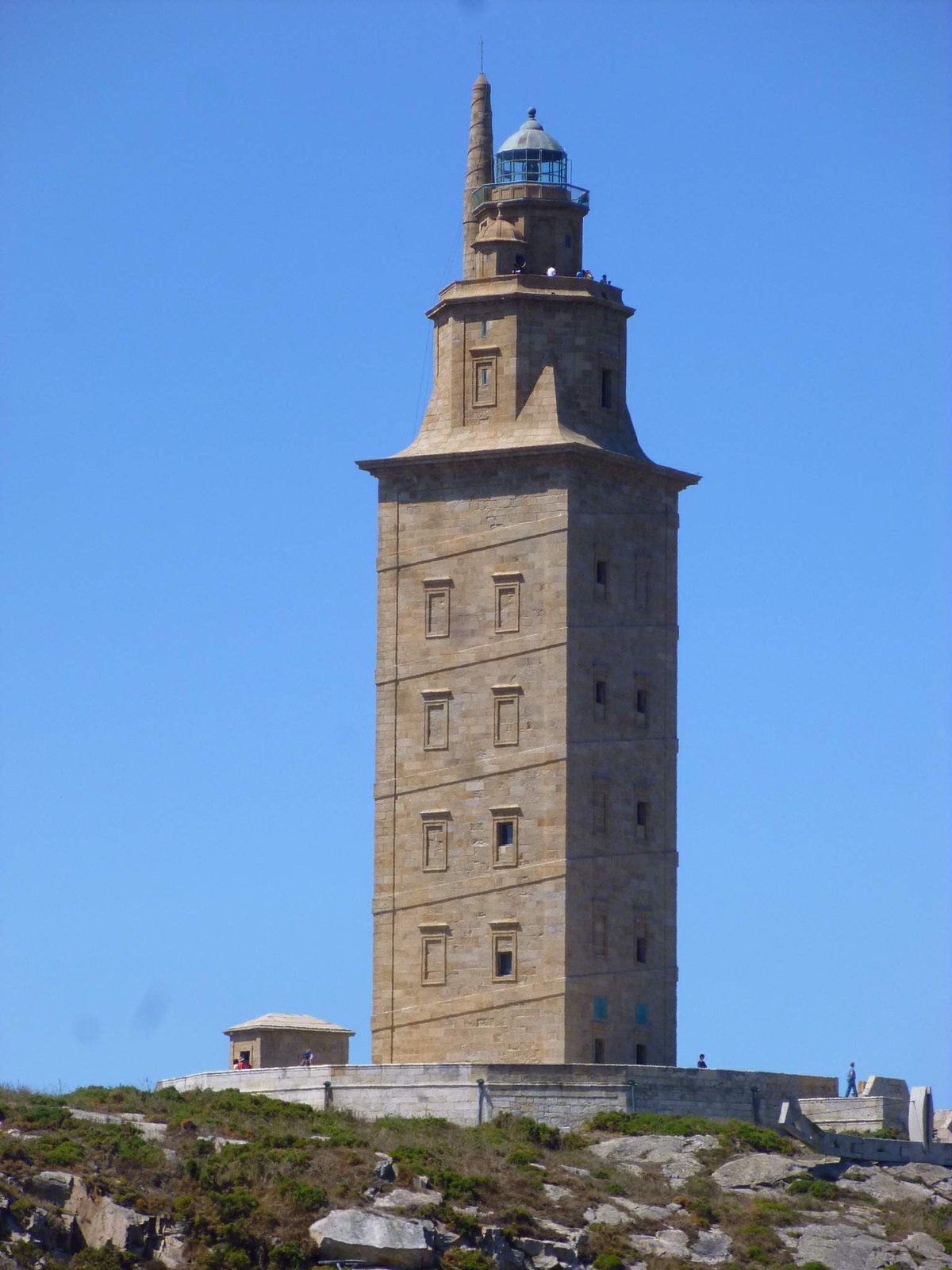
Nestled in the picturesque Plaza de Santa Bárbara within A Coruña’s Old Town (Ciudad Vieja), the convent is easily reachable and is surrounded by other notable attractions, including the Tower of Hercules and María Pita Square. Noteworthy features include the 14th-century Gothic Last Judgement relief above the entrance, the Baroque “pavillón inglés” designed by Fernando de Casas Novoa, and enduring local traditions such as the custom of donating eggs for prayers for favorable weather on wedding days.
This guide provides detailed and up-to-date information on visiting hours, ticketing policies, accessibility, directions, nearby attractions, and special events, ensuring you have all you need for an enriching visit. It also explores the convent’s architecture, history, cultural impact, and visitor tips.
For the most recent updates, including special events and guided tour arrangements, consult the A Coruña tourism website or the convent’s administrative offices. (Convento de Santa Bárbara da Coruña), (Turismo de Galicia)


Visitor Information
Opening Hours
- Tuesday to Sunday: 10:00 AM – 6:00 PM
- Closed: Mondays and certain religious holidays
Always check the official tourism website for the latest updates, as hours may change due to religious observances or special events.
Tickets and Entry
- General Admission: Free
- Guided Tours: May require a small fee; advance booking recommended via the tourism office or convent administration
- Special Exhibitions: Additional fees may apply
Accessibility
- Main areas are partially accessible. Some medieval sections with stone floors and narrow passages may be challenging for those with mobility impairments.
- Assistance is available upon request; contact ahead to arrange support.
Directions
- Location: Plaza de Santa Bárbara, Ciudad Vieja, A Coruña
- On Foot: Easily reached from the city center
- Bus: Several local lines stop near the Old Town
- Parking: Limited in the area; use public parking facilities nearby
Nearby Sights
- Tower of Hercules
- Church of Santa María del Campo
- María Pita Square
- Old City Walls
- Local cafés, museums, and artisan shops
Special Events and Guided Tours
- Religious ceremonies and cultural events occur throughout the year
- Guided tours in Spanish and English are available (advance booking recommended)
- The convent sometimes hosts concerts and exhibitions, particularly during city festivals
Visuals and Media
- High-resolution image galleries and virtual tours are available on official tourism portals
- Suggested visuals include:
- Gothic Last Judgement relief at the entrance
- Plaza de Santa Bárbara with its cruceiro
- Vaulted cloister and arcaded walkways
- Panoramic views from the convent’s tower (if accessible)
Early Foundations and Medieval Origins
The convent’s origins trace back to a 15th-century chapel near the medieval city walls. The earliest written reference is from 1444, while papal approval for the convent’s foundation was granted in 1491 by Pope Alexander VI. The site quickly became a focal point for monastic life in Galicia, with the Discalced Poor Clares maintaining a presence ever since. (Convento de Santa Bárbara da Coruña)
Expansion and Baroque Transformations
The 16th–18th centuries were marked by growth, aided by generous donations and close ties with the Real Audiencia de Galicia. In the 18th century, architect Fernando de Casas Novoa designed the “pavillón inglés” (English Pavilion), distinguished by its harmonious proportions and Baroque style. The convent’s architectural evolution is evident in the blend of Gothic and Baroque features, notably the Last Judgement relief above the entrance and the intricate stonework throughout. (Turismo de Galicia)
19th–21st Century: Turbulence and Renewal
The convent endured significant challenges: occupation during the Peninsular War, secularization under the Mendizábal disentailment, and closure during liberal reforms. However, it was revived in the 20th century and continues its contemplative tradition. In 1971, it was granted heritage protection status, ensuring its preservation as a cultural landmark.
Traditions and Cultural Role
The convent maintains a cherished tradition: locals often donate eggs in exchange for prayers for good weather on wedding days—a custom reflecting its enduring bond with the A Coruña community.
Religious festivals, especially the feast of Saint Barbara on December 4th, attract pilgrims and reflect the convent’s ongoing spiritual significance. The site also hosts events, concerts, and art exhibitions, offering a vibrant connection between the city’s past and present. (Paxinas Galegas)
Architectural Features
- Façade: Combines Gothic, Baroque, and Neoclassical elements; features a 14th-century Last Judgement relief above the main portal
- Cloister: Central, arcaded, with vaulted ceilings—an oasis of calm
- Tower/Mirador: Once served as a lookout, though not always open to the public
- Pavillón Inglés: 18th-century Baroque addition by Casas Novoa
- Interior: Houses religious artworks, including sculptures and Baroque altarpieces
The convent’s artistic heritage is further exemplified by the detailed capitals, stonework, and devotional reliefs within the chapel.
Frequently Asked Questions (FAQ)
Q: What are the visiting hours?
A: Tuesday to Sunday, 10:00 AM–6:00 PM; closed Mondays and certain holidays. Confirm in advance.
Q: Is there an entry fee?
A: General admission is free; guided tours may require a fee.
Q: Are guided tours available?
A: Yes, in Spanish and English; advance booking is advised.
Q: Is the convent accessible for people with disabilities?
A: Partially. Some historic areas may be difficult to access; contact ahead for assistance.
Q: Can I take photographs?
A: Usually allowed in public areas; restrictions may apply in chapels or during services.
Q: How do I get there?
A: Located in the Old Town, easily accessible by foot, bus, or taxi. Parking is limited.
Q: Are there special events?
A: Yes, including religious festivals, concerts, and exhibitions; check the official website for schedules.
Plan Your Visit
To maximize your experience:
- Check opening hours and event schedules in advance
- Dress modestly and maintain respectful behavior inside the chapel
- Explore nearby sites in A Coruña’s Old Town for a full cultural journey
- Download the Audiala app for guided audio tours and insider tips
Listen to the full story in the app
The whole Convent Of Santa Bárbara,
told well.
Audio guides for 1,100+ cities across 96 countries. History, stories, and local insight — offline ready.
Verified, and shown.
Researched and written by the Audiala editorial team from historical records, architectural archives, and local expertise.
Researched from Wikidata, Wikipedia & official sources · fact-checked · How we make our guides →