Plan and listen to Casa Do Consulado with Audiala.
Audio guide in your pocket, itinerary in your browser. Built for the way you actually visit.
Introduction
Casa do Consulado stands as one of A Coruña’s most treasured landmarks, blending neoclassical architectural elegance with a rich legacy as a center of maritime commerce, Enlightenment thought, and cultural innovation. Originally established as the headquarters of the Real Consulado Marítimo y Terrestre de la Coruña in the late 18th century, the building has evolved into a vibrant cultural and academic institution. This guide offers a comprehensive overview of Casa do Consulado’s historical significance, architectural features, visiting hours, ticketing, accessibility, travel tips, and nearby attractions, ensuring an enriching visit to this emblematic Galician monument.
For further reading, see La Opinión A Coruña, Biblioteca Casa Consulado, and Turismo de Galicia.
Origins and Early History
Casa do Consulado was built in the late 18th century for Cádiz merchant José Ramos and soon became the headquarters of the Real Consulado Marítimo y Terrestre de la Coruña in 1785. This institution played a pivotal role in regulating maritime trade and promoting economic growth in Galicia, establishing A Coruña as a key Atlantic port (La Opinión A Coruña).
Enlightenment and Civic Progress
During the late 18th and early 19th centuries, the Consulate fostered A Coruña’s transformation into an Enlightenment hub. It founded pioneering schools in navigation, drawing, commerce, and spinning, and took part in addressing local economic and agricultural challenges. The building also housed Spain’s oldest private cultural foundation, the Biblioteca del Consulado, established in 1806 (Biblioteca Casa Consulado).
Architectural Features
Facade and Urban Context
Strategically located in the heart of A Coruña’s historic center, Casa do Consulado is a prime example of Galician neoclassical architecture. The granite facade features rusticated masonry, symmetrical window arrangements, and distinctive wrought-iron balconies. The main entrance is crowned with a clock, and the building’s green doors and windows offer a nod to local tradition (La Opinión A Coruña).
Interior and Notable Elements
The interior is organized around a square Andalusian-style patio with a monumental staircase, reflecting influences from Cádiz and adapting them to Galician climate. High ceilings, wooden paneling, and original stonework are preserved throughout. The building also features a historic chapel and meeting spaces once used for charitable societies.
The Biblioteca del Consulado
A major milestone in the building’s history was the opening of the Biblioteca del Consulado in 1806, the oldest private cultural foundation in Spain. The library holds invaluable manuscripts, rare books, and records related to the Tower of Hercules and the city’s Enlightenment-era reforms (Biblioteca Casa Consulado).
Religious and Social Functions
Casa do Consulado also served as a religious and civic center, housing a chapel and charitable organizations like the Hospital de Caridad, blending social, educational, and cultural roles (La Opinión A Coruña).
19th and 20th Century Transformations
Through the 19th and 20th centuries, the building adapted to changing urban needs, hosting cultural academies and museums, including the Real Academia Galega de Belas Artes and the Museo de Bellas Artes. Its careful restoration preserved original features while enhancing public access (Wikipedia: History of A Coruña).
Present-Day Role and Visitor Experience
Today, Casa do Consulado is a dynamic cultural and academic venue, hosting exhibitions, archives, and public events. It remains a symbol of A Coruña’s identity as a center of commerce, culture, and community engagement (Turismo de Galicia).
Visiting Information
Opening Hours
- Tuesday to Sunday: 10:00 AM – 6:00 PM
- Closed: Mondays and public holidays
- Check the official website for updates during special events or holidays.
Tickets and Admission
- General admission: Free
- Guided tours and special exhibitions: May require advance booking and a nominal fee
Accessibility
- The ground floor and courtyard are wheelchair accessible; upper floors may have limited access due to historic staircases. Ramps and accessible restrooms are available. Assistance is provided upon request.
Guided Tours
- Available in Spanish, Galician, and English
- Advance booking recommended, especially for group visits or during peak seasons
Getting There
- Address: Calle Panaderas, 58, A Coruña
- Public transport: Accessible via bus lines to Plaza de María Pita, followed by a short walk
- Parking: Limited, with nearby underground garages available
Travel Tips
- Visit early on weekdays for a quieter experience
- Combine with nearby attractions such as the Tower of Hercules and Plaza de María Pita
- Bring a camera for exterior photography; interior photography may be restricted during exhibitions
Nearby Attractions
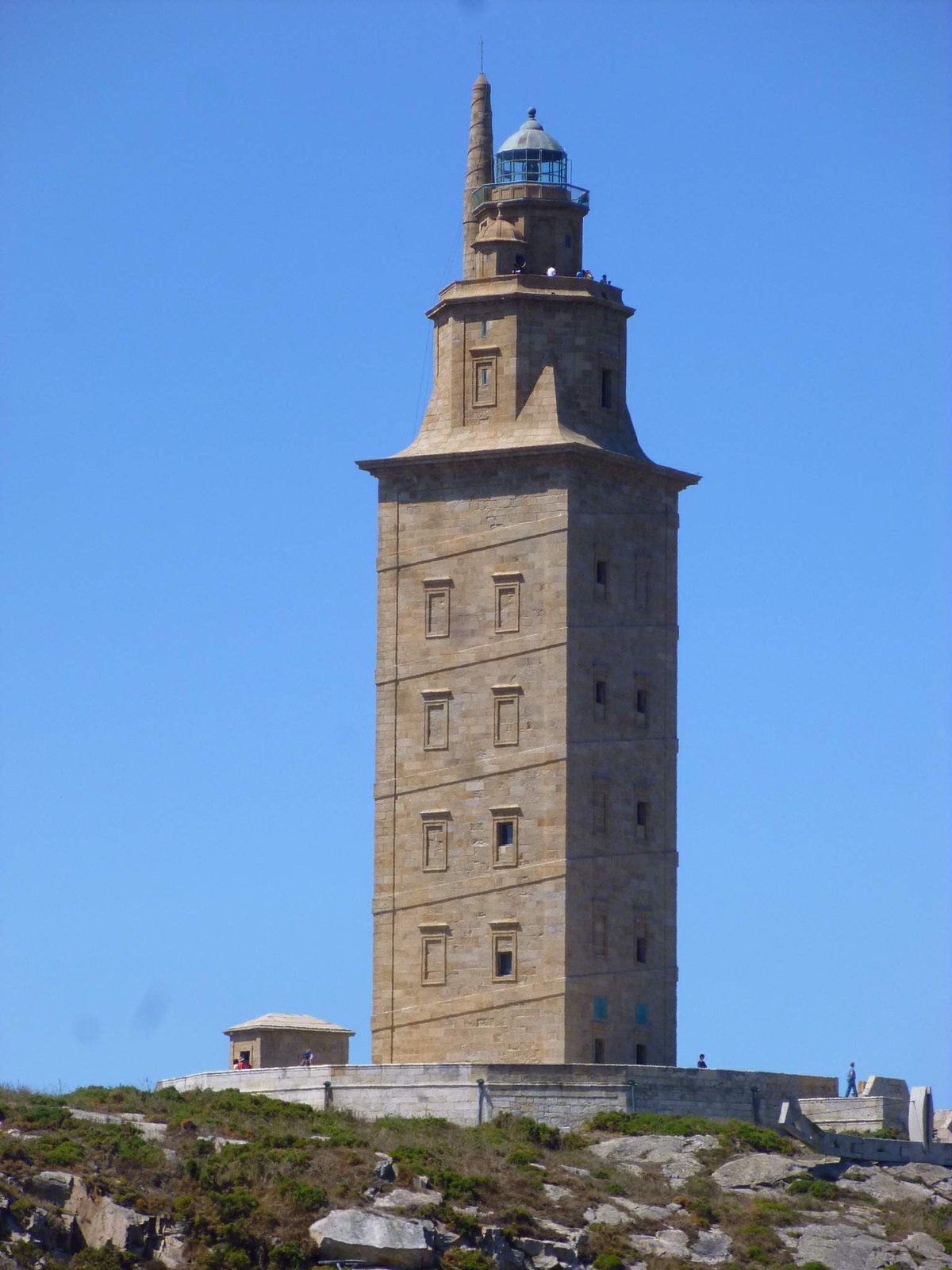
- Tower of Hercules: UNESCO World Heritage lighthouse, a short walk away
- Plaza de María Pita: Historic city square with cafés and the City Hall
- Ciudad Vieja (Old Town): Explore cobbled streets and traditional Galician architecture
- Museo de Bellas Artes: Fine arts museum with rotating exhibitions
Conservation and Adaptive Reuse
Casa do Consulado has been meticulously restored to maintain its structural integrity and neoclassical character. It now accommodates the Real Academia Galega de Belas Artes, blending administrative offices with public exhibition spaces (La Opinión A Coruña).
Frequently Asked Questions (FAQ)
Q: What are Casa do Consulado opening hours?
A: Tuesday to Sunday, 10:00 AM – 6:00 PM; closed Mondays and public holidays.
Q: Is there an admission fee?
A: General admission is free; some guided tours and exhibitions may require a ticket.
Q: Are guided tours available?
A: Yes, in Spanish, Galician, and English. Advance booking is recommended.
Q: Is the building accessible for people with reduced mobility?
A: The ground floor and courtyard are accessible; some upper floors may have limitations but ramps and restrooms are provided.
Q: Can I take photographs inside?
A: Exterior photography is encouraged; interior photography may be restricted during exhibitions.
Listen to the full story in the app
The whole Casa Do Consulado,
told well.
Audio guides for 1,100+ cities across 96 countries. History, stories, and local insight — offline ready.

Verified, and shown.
Researched and written by the Audiala editorial team from historical records, architectural archives, and local expertise.
Researched from Wikidata, Wikipedia & official sources · fact-checked · How we make our guides →