Origins and Early Development (1885–1957)
Yonsei’s roots date to 1885 with the founding of Gwanghyewon (House of Extended Grace), Korea’s first modern hospital practicing Western medicine, established by American missionary Dr. Horace N. Allen. The hospital soon became Chejungwon and, along with Chosun Christian College (founded in 1915 by Horace Grant Underwood), played a pivotal role in introducing modern science, liberal arts, and Christian values to Korea (Wikipedia; Timepath; AllUniversity.info). During the Japanese colonial era, these institutions were centers of Korean intellectual resistance and nationalist sentiment.
The Yonhi-Severance Merger and the Birth of Yonsei
In 1957, Yonhi College and Severance Union Medical College merged to form Yonsei University. The name “Yonsei” combines the first syllables of “Yonhi” (연; 延) and “Severance” (세; 世), symbolizing the union of liberal arts and medical education (Wikipedia; Timepath). In the post-Korean War period, Yonsei became a driving force in Korea’s educational and social reconstruction (AllUniversity.info).
Growth, Modernization, and Global Status
Yonsei University has grown into a multi-campus institution, including the main Sinchon campus, the International Campus in Songdo, and the Wonju campus. It stands as a member of Korea’s “SKY” universities—alongside Seoul National University and Korea University—representing the pinnacle of academic excellence and social prestige (New World Encyclopedia). As of 2025, Yonsei ranks #2 in South Korea, #25 in Asia, and #293 worldwide (EduRank). Its faculty and alumni include Nobel laureates, cultural icons, and public leaders, reflecting Yonsei’s ongoing influence on Korean society and beyond (Wikipedia; StudyAtUniversity.com).
Key Landmarks and Attractions
Historic and Architectural Highlights
- Underwood Hall This ivy-clad building, named after Yonhi founder Horace Grant Underwood, is a prime example of early Western-style architecture in Korea and houses the Yonsei University Museum (Visit Seoul).
- Severance Hospital and Medical College The origin of modern medical education in Korea, these buildings represent Yonsei’s medical and humanitarian legacy (Wikipedia).
- Stimson Hall and Appenzeller Hall Both designated historic sites, these halls illustrate Yonsei’s architectural and educational history (Visit Seoul).
- Baekyang-ro The main avenue, famous for its ginkgo trees and stunning seasonal colors, is a favorite for campus strolls and photography (Creatrip).
- Yun Dong-ju Monument Dedicated to the beloved poet and Yonsei alumnus, this site is a place of reflection and literary appreciation (Visit Seoul).
- Han Yeol Hill Commemorates student activist Lee Han-yeol and Yonsei’s tradition of social engagement (Visit Seoul).
- Yonhi Palace Site A former royal residence constructed by King Sejong, this area adds a touch of royal heritage to the campus (Yonsei Official).
Campus Atmosphere and Pop Culture
Yonsei’s blend of historic buildings and modern facilities has made it a popular backdrop for Korean dramas and films. Its lawns, art installations, and serene gardens offer a tranquil escape within bustling Seoul (Visit Seoul).
Visiting Hours, Tickets, and Accessibility
Hours
- Campus Grounds Open daily, typically from 7:00 AM to 10:00 PM.
- Yonsei University Museum Usually open 10:00 AM–5:00 PM, closed on Mondays. Confirm hours on the official website or Visit Seoul.
Tickets and Admission
- General Campus Access Free.
- Museum and Special Exhibitions Usually free, but some special exhibitions may require a ticket. Always check the official Yonsei University website for current details.
Guided Tours
- Availability Guided tours are occasionally offered through the visitor center or via the university’s website. Advance booking is recommended, especially during peak seasons.
- Self-Guided Tours Downloadable maps and virtual tours are available online.
Accessibility
- The campus features ramps, elevators, accessible restrooms, and designated parking.
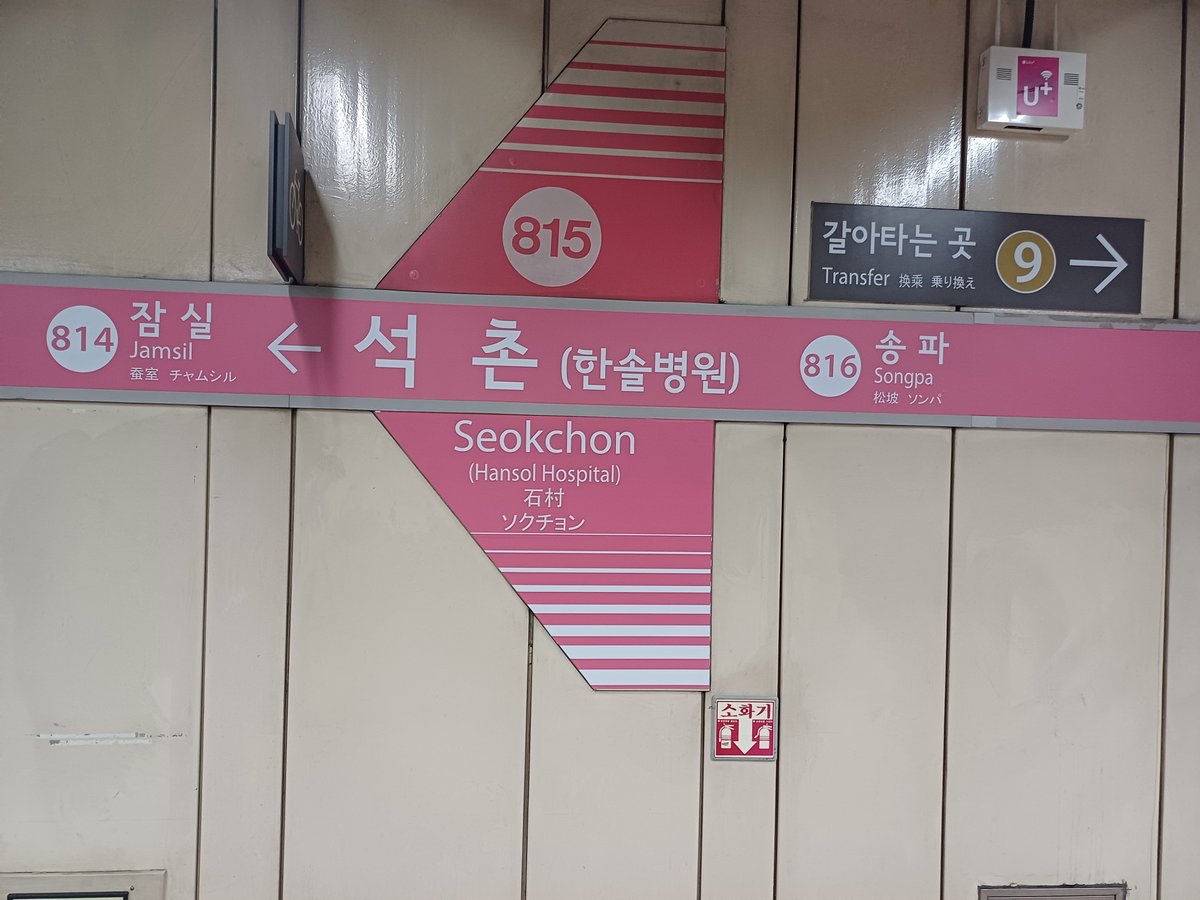
- Sinchon Station, the nearest subway stop, is equipped for wheelchair access with clear English signage.
- Visitors needing special assistance should contact the visitor center in advance.
Campus Navigation and Travel Tips
Getting There
- Subway Take Seoul Metro Line 2 to Sinchon Station; the main gate is a short walk away.
- Bus/Taxi Multiple bus routes and taxis serve the Sinchon area.
Travel Tips
- Wear comfortable shoes—exploring the campus involves 2+ kilometers of walking and some slopes.
- Visit in spring (cherry blossoms) or autumn (fall foliage) for the best scenery.
- Pick up an English campus map at the main gate or download one before your visit.
- Respect academic activities by maintaining quiet, especially during exam periods.
Nearby Attractions
- Sinchon Shopping Street Bustling with shops, cafes, and entertainment.
- Hongdae Famous for youth culture, nightlife, and street art—just a short subway ride away.
- Seoul Landmarks Gyeongbokgung Palace and Bukchon Hanok Village are accessible from Yonsei via public transit.
Frequently Asked Questions (FAQ)
Q: What are Yonsei University’s visiting hours?
A: The campus is open daily from 7:00 AM to 10:00 PM. Museum and special facility hours may differ.
Q: Do I need a ticket to visit Yonsei?
A: No, general campus access is free. Some exhibitions or tours may require a reservation.
Q: Are guided tours available?
A: Yes, but advance booking is recommended. Check the visitor center or university website for schedules.
Q: Is the campus accessible for people with disabilities?
A: Most outdoor areas and modern buildings are accessible. Some historic buildings may have limited access.
Q: Can I take photos on campus?
A: Yes, photography is allowed outdoors. Ask for permission before photographing individuals or inside buildings.
Summary and Visitor Tips
Yonsei University embodies the fusion of Korea’s educational, cultural, and social evolution. Its iconic campus—home to historic halls, scenic boulevards, and memorials—offers a living museum experience in the heart of Seoul. Whether you’re drawn by the architectural beauty, the stories of social activism, or the vibrant student life, Yonsei has something for every traveler. To make the most of your visit:
- Allocate 2–3 hours for exploration.
- Visit in spring or autumn for the best scenery.
- Consider joining a guided tour or using virtual resources for deeper insights.
- Respect campus rules and ongoing academic activities.
- Check the Yonsei University website and Visit Seoul for current information.
For virtual tours, event calendars, and multimedia resources, explore the university’s official platforms. Enhance your visit by downloading the Audiala app for audio guides and following Yonsei’s social media for the latest updates.