Plan and listen to Yanghwa Bridge with Audiala.
Audio guide in your pocket, itinerary in your browser. Built for the way you actually visit.
Introduction
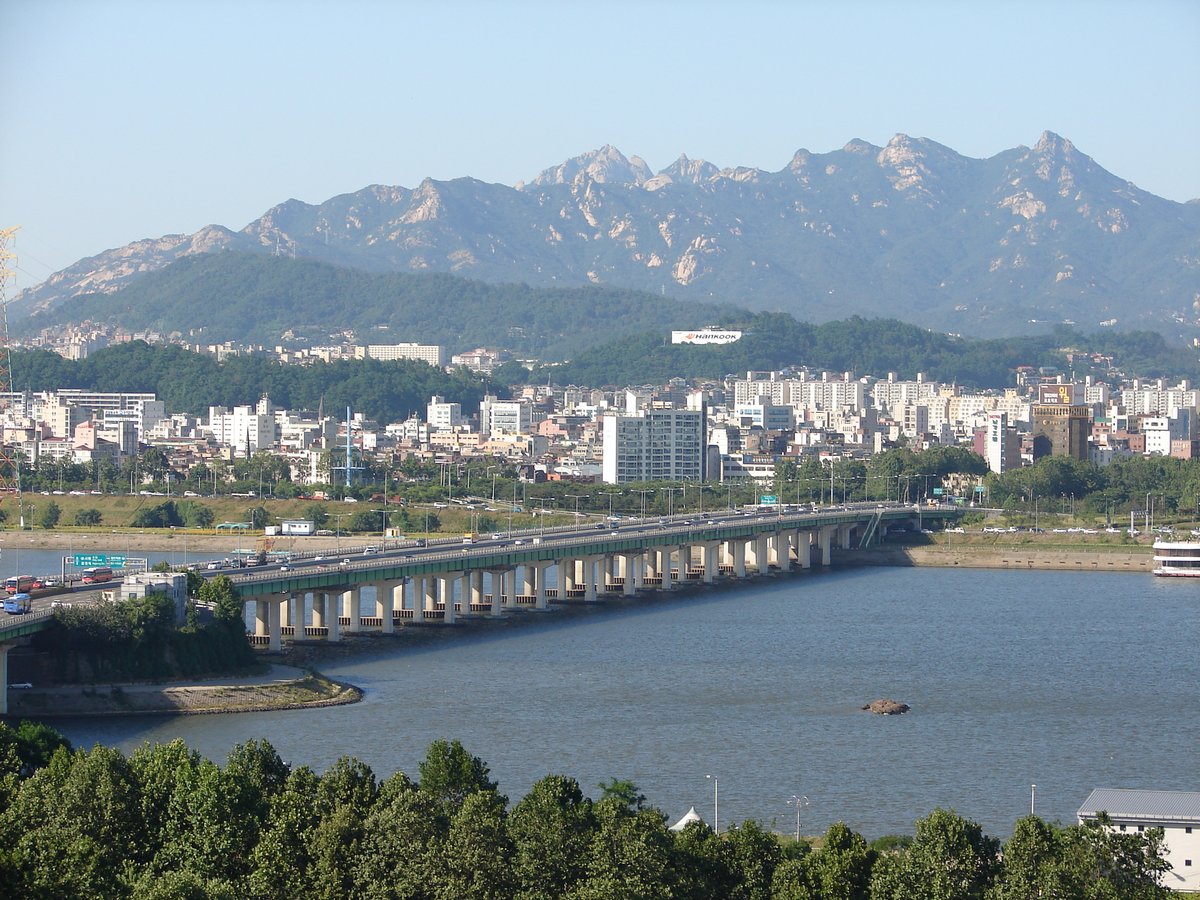
Yanghwa Bridge stands among Seoul’s most iconic crossings over the Han River, offering a unique intersection of historical depth, engineering achievement, and contemporary urban culture. Since its completion in the mid-1960s, the bridge has played a pivotal role in connecting the Mapo and Yeongdeungpo districts. It symbolizes Seoul’s resilience, modernization, and commitment to inclusive urban development, while also serving as a public space for recreation, art, and community gatherings. Visitors enjoy free 24-hour access to pedestrian walkways and cycling paths, as well as proximity to vibrant parks, neighborhoods, and cultural events. This guide consolidates authoritative sources to help you plan the perfect visit to Yanghwa Bridge and its surroundings. (Seoul Metropolitan Government, Bridges & Tunnels, Hey Roseanne, Klook)

Historical Background
Origins and Strategic Importance
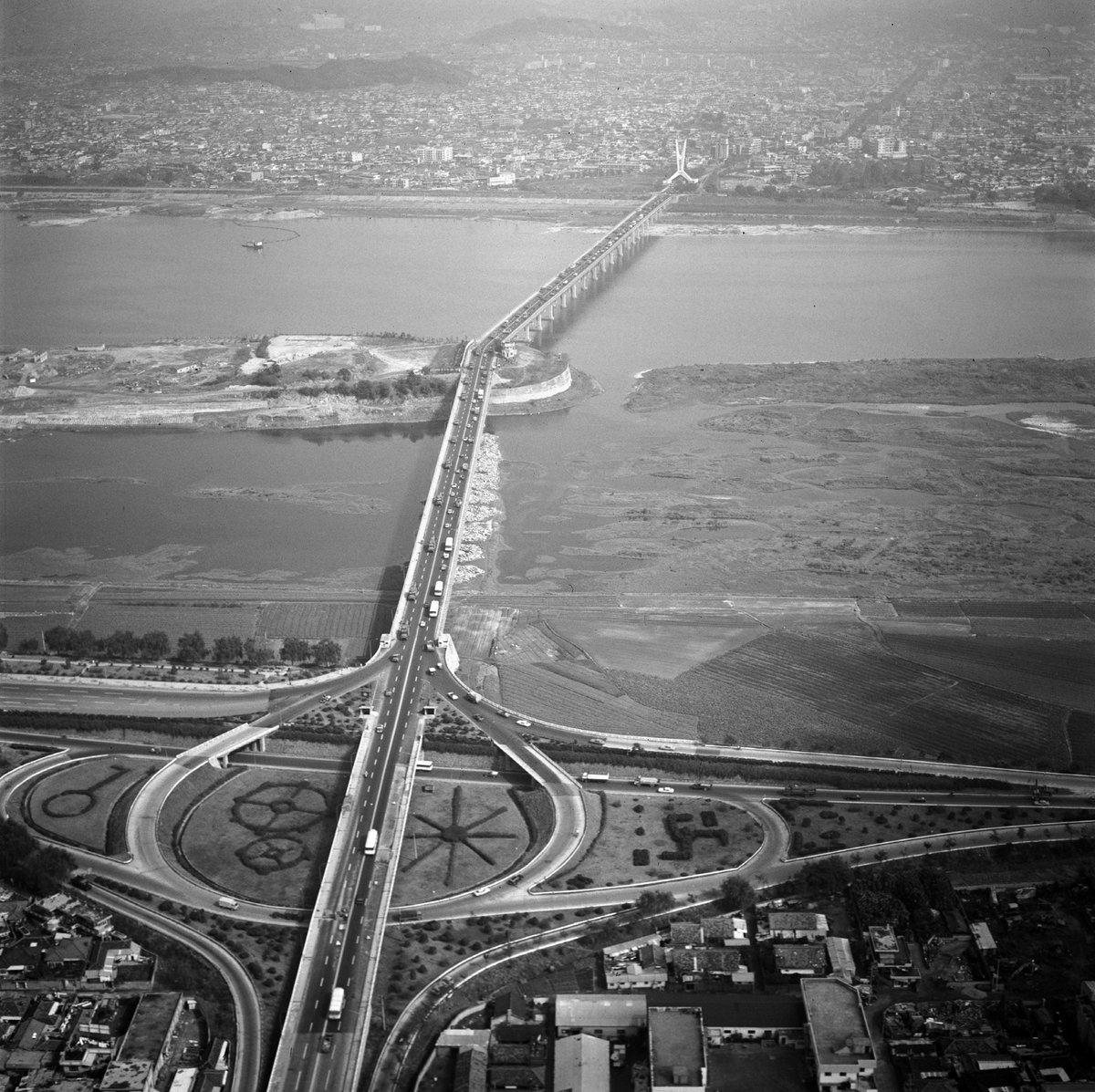
Completed in 1965, Yanghwa Bridge was one of the first modern bridges to span the Han River following the Korean War. Its construction was pivotal for connecting Mapo-gu (north) and Yeongdeungpo-gu (south), driving the city’s urban expansion and supporting major development projects like Yeouido and Gangnam. The bridge’s location enabled easier transit for residents and businesses, furthering Seoul’s decentralized growth strategy and integrating new public transportation networks. (Seoul Urban Solutions Agency)
Architectural Evolution and Expansion
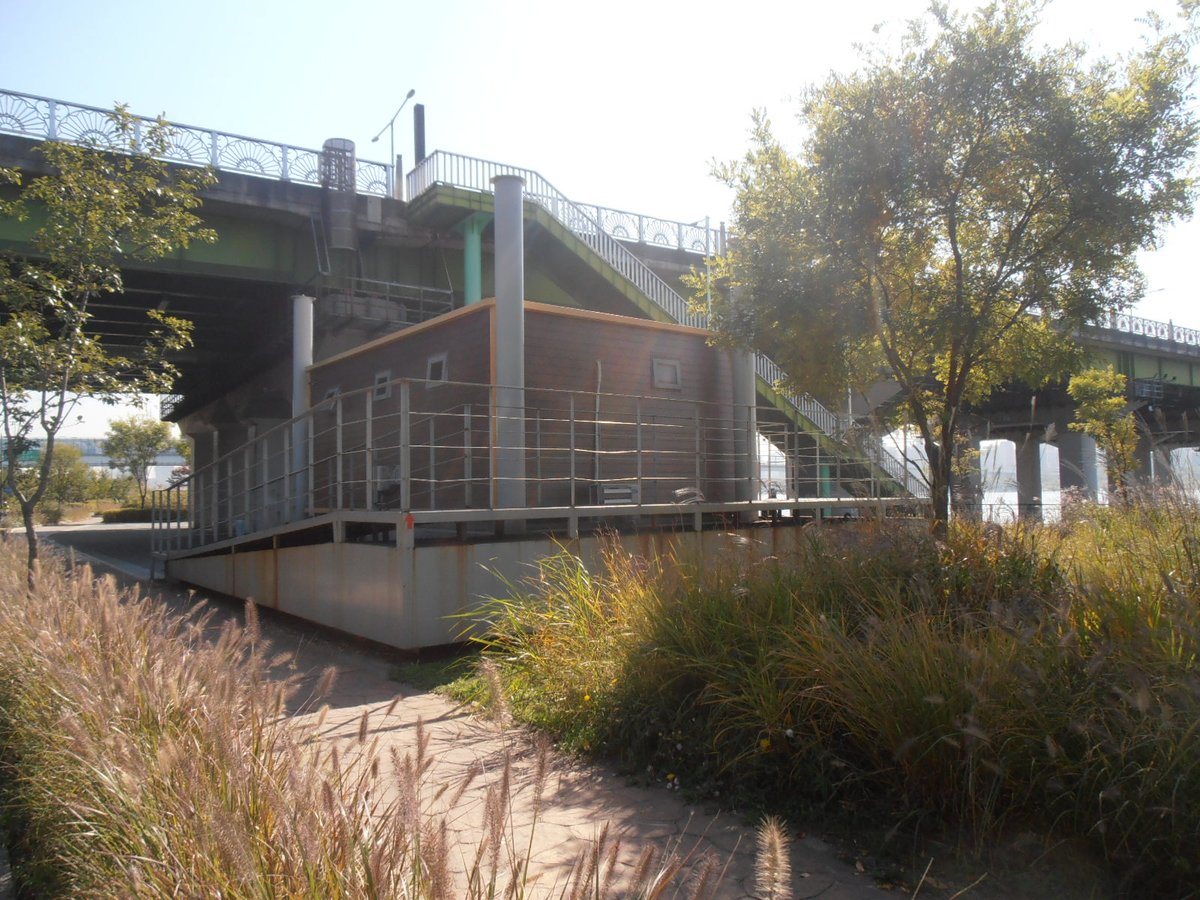
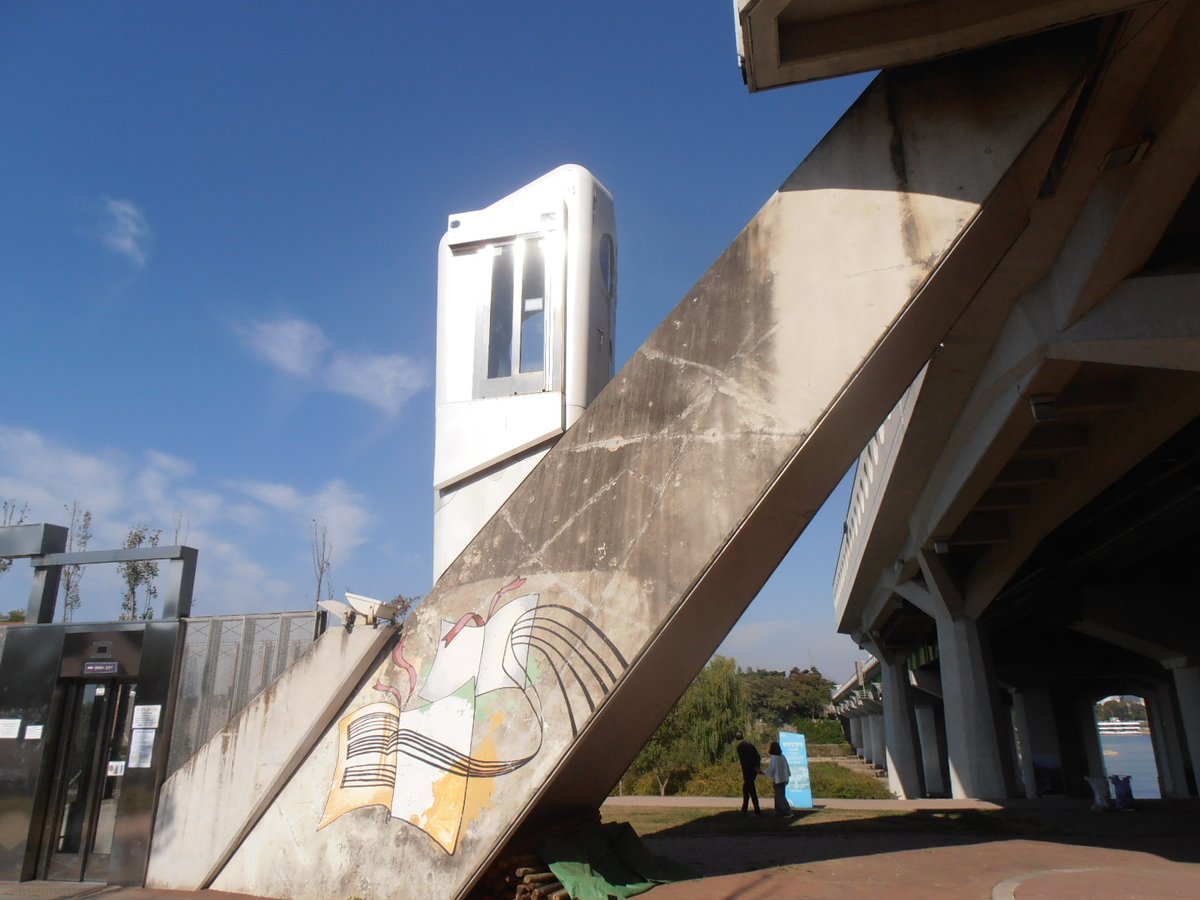
Initially a two-lane structure, Yanghwa Bridge underwent an expansion in 1982 with a parallel span to accommodate rising traffic. The dual-bridge design—original and extension—now features multiple vehicle lanes, pedestrian walkways, and cycling paths. Artistic murals and public art installations on pillars and underpasses reflect Seoul’s embrace of sustainable mobility and cultural enrichment. (Seoul Metropolitan Government)
Recent Developments
Renovations in the 2000s introduced accessibility improvements, such as ramps and elevators, along with aesthetic enhancements like artistic lighting and public artworks. These features have transformed Yanghwa Bridge into both a transportation landmark and a vibrant public gathering place.
Structural Composition & Engineering Features
Dual-Bridge Structure
Yanghwa Bridge uniquely consists of two adjacent spans: the original (completed in 1965, often called the “Second Han River Bridge”) and a parallel addition from 1982. The bridge showcases Korea’s post-independence engineering capabilities and addresses increasing urban mobility needs. (Wikipedia; Bridges & Tunnels)
- Length: Approx. 1,053 meters (3,455 feet)
- Width: Original span 18 meters; new span 16.2 meters
- Lanes: Eight in total, supporting National Route 6
Materials & Foundation
The superstructure combines steel and concrete girders for durability and flexibility. The substructure is anchored by open caisson well foundations, ensuring stability in the challenging riverbed conditions of the Han River. (Wikipedia)
Engineering Upgrades
- 1996–2002: Major reinforcement, resurfacing, and improved ramps (costing approx. 101.8 billion won).
- 2010–Present: The main tied arch span was reconstructed to provide greater navigational clearance for river vessels, a project valued at 582 billion won. (Bridges & Tunnels)
Accessibility
Yanghwa Bridge is fully accessible, with elevators, ramps, and barrier-free design for wheelchairs, strollers, and bicycles. Bus stops on the bridge and its proximity to major subway lines support multimodal integration. (Seoul Metropolitan Government)
Visiting Yanghwa Bridge: Essential Information
Visiting Hours
- Pedestrian & Cycling Paths: Open 24 hours daily, year-round.
- Observation Cafés: Typically operate 10:00 AM–12:00 AM.
Tickets & Entry
- Entrance Fee: None. Access to the bridge, walkways, and cycling paths is free.
How to Get There
- Subway: Hapjeong Station (Lines 2 & 6), Dangsan Station (Lines 2 & 9), or Yanghwa Station (Line 2) are all within walking distance.
- Bus: Multiple routes stop on or near the bridge.
- Bicycle: Yanghwa Bridge connects directly to the Han River cycling trail network. Public bike rentals (“Ddareungi”) are available nearby. (Klook)
Guided Tours
There are no official tours for Yanghwa Bridge, but many Han River cruises and city walking tours include it as a highlight. Check with local tour companies for up-to-date offerings.
Accessibility
The bridge is wheelchair-accessible, with elevators, ramps, and smooth walkways. Bicycle and stroller access is seamless, and clear signage is available throughout. (Seoul Metropolitan Government)
Cultural & Social Significance
Music, Media, and Public Art
Yanghwa Bridge is a frequent reference in Korean music—most notably in Zion.T’s song “Yanghwa Bridge”—as well as in films and TV dramas. The bridge’s art installations, murals, and illuminated features create a lively, community-friendly environment and offer a scenic backdrop for public events and photo shoots. (Seoul Metropolitan Government, Klook)
Urban Renewal & Inclusivity
Yanghwa Bridge exemplifies Seoul’s focus on urban regeneration and inclusiveness. Once part of a polluted riverfront, the area has been revitalized with greener parks, pedestrian zones, and accessible facilities, supporting community well-being and unity. (Seoul Metropolitan Government)
Parks, Bridges & Architectural Highlights
Yanghwa Hangang Park
Directly adjacent to the bridge, this riverside park features spacious lawns, cycling and jogging trails, picnic areas, and playgrounds. It’s a favorite spot for relaxation, exercise, and riverside dining. (Hey Roseanne)
Seonyudo Park
Accessible via the Seonyugyo pedestrian bridge, Seonyudo Park is an ecological oasis transformed from a former water treatment facility. It features botanical gardens, water features, and panoramic observation decks—ideal for tranquil strolls and photography. (Hey Roseanne)
Yeouido Hangang Park
A short ride east, this iconic park offers extensive recreational facilities, seasonal festivals, and river cruises. The area is especially lively during cherry blossom season and summer night markets. (Hey Roseanne)
Seonyugyo Bridge
A pedestrian-only bridge linking Yanghwa and Seonyudo Park, Seonyugyo is illuminated at night and offers excellent photo opportunities over the Han River. (Hey Roseanne)
Banpo Bridge & Some Sevit
Banpo Bridge, with its Moonlight Rainbow Fountain, is a renowned evening attraction, while the Some Sevit floating islands nearby host restaurants, cafés, and cultural events. Both are easily accessible via the riverside trail network. (Hey Roseanne)
Activities & Seasonal Events
Cycling & Walking
Yanghwa Bridge serves as a hub for the Han River cycling and walking trails, with rentals available at adjacent parks. The scenic flat paths are ideal for all ages and abilities. Sunset walks are particularly recommended for beautiful city views. (Hey Roseanne)
Han River Cruises
Various operators offer day and evening cruises departing from Yeouido and near Yanghwa Bridge. Options range from sightseeing tours to dinner cruises, with special themes during festivals and holidays. (Klook)
Picnicking & Outdoor Dining
Grassy lawns and shaded spots in Yanghwa Hangang Park are perfect for picnics. Locals often enjoy fried chicken, beer, and other snacks from nearby convenience stores or food trucks. (Hey Roseanne)
Festivals & Events
- Han River Drone Show: Held at Ttukseom but visible from Yanghwa Bridge, featuring spectacular nighttime drone displays (next event: June 15, 2025).
- Hangang Summer Festivals: Outdoor concerts, movie nights, and food fairs take place throughout the summer, with events at Yanghwa Hangang Park and nearby parks. (Next Stop Korea)
Local Neighborhoods & Experiences
Hongdae (Hongik University Area)
A hub for art, music, and nightlife, Hongdae is known for its vibrant street culture, indie music scene, and eclectic cafés. It’s easily reached from Yanghwa Bridge and offers a lively contrast to the riverside tranquility. (Hey Roseanne)
Mangwon-dong
This trendy area north of the bridge is famous for Mangwon Market, hip cafés, bakeries, and vintage shops—a favorite among foodies and young locals. (Hey Roseanne)
Hapjeong & Café Street
Adjacent to Hongdae, Hapjeong is known for stylish cafés, craft beer pubs, and live music venues. Its relaxed atmosphere makes it ideal for brunch or an evening drink. (Hey Roseanne)
Practical Visitor Tips
- Transportation: Yanghwa Bridge is accessible via Yanghwa Station (Line 2), Hapjeong Station (Lines 2 & 6), and several bus routes.
- Bike Rentals: Public “Ddareungi” bike stations are located at Yanghwa Hangang Park and nearby subway stations.
- Best Time to Visit: Early mornings and late afternoons for pleasant weather; evenings for illuminated views and events.
- Facilities: Public bathrooms, convenience stores, and water fountains are available in the parks. Some areas offer free Wi-Fi.
- Accessibility: Ramps, elevators, and smooth walkways ensure easy access for all visitors.
Notable Photo Spots
- Yanghwa Bridge Walkways: Panoramic river and city views, especially at sunset and night.
- Seonyudo Park Decks: Elevated vantage points for seasonal photography.
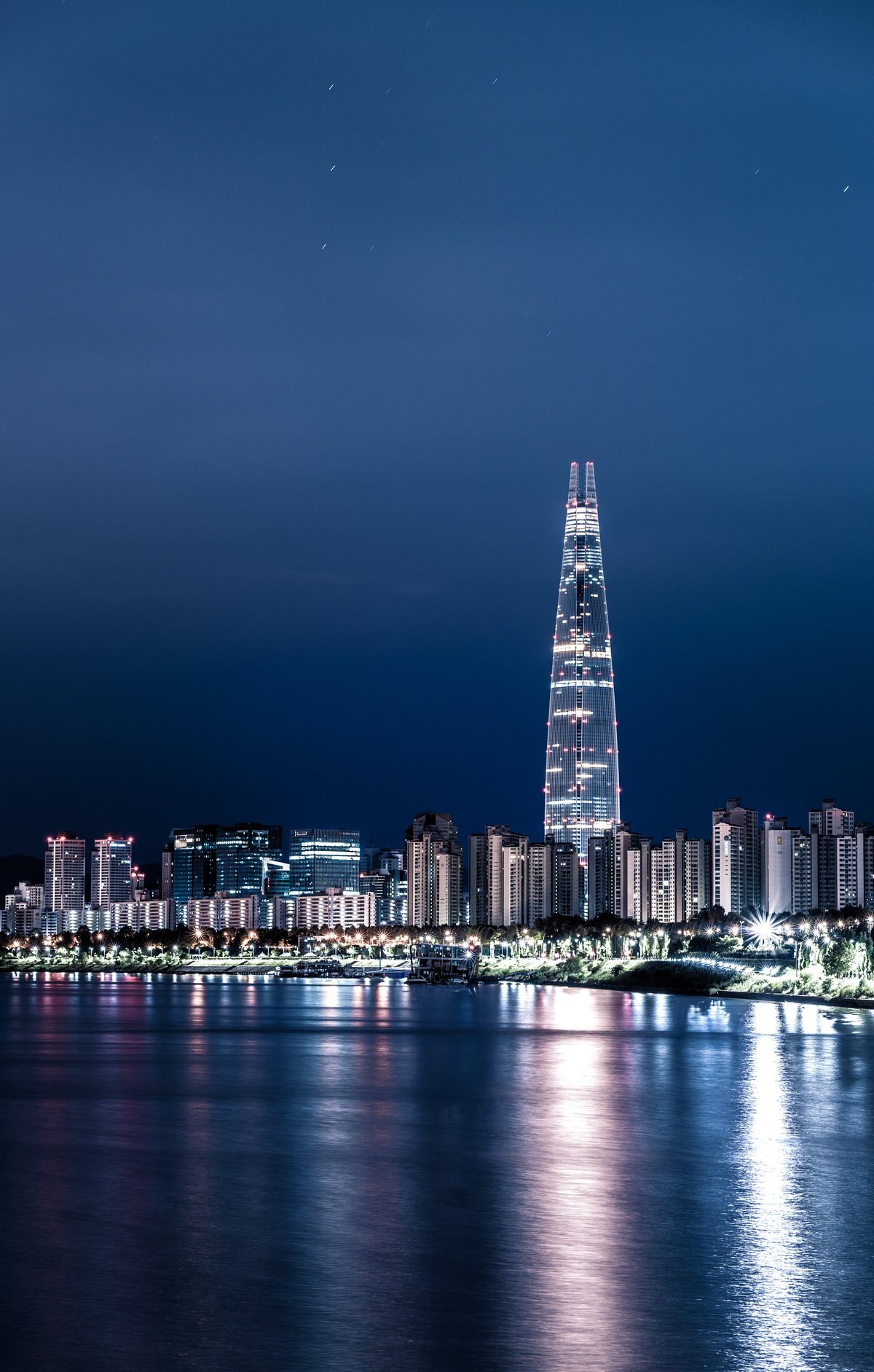
- Han River at Night: Bridges and city lights reflected on the water create stunning images.
Frequently Asked Questions (FAQ)
Q: Are there any entrance fees or tickets required to visit Yanghwa Bridge?
A: No, Yanghwa Bridge is open to the public 24/7 and is free to access.
Q: What are the best times to visit for sightseeing?
A: Early morning, late afternoon, and evenings (for night views and events).
Q: Is Yanghwa Bridge accessible for people with disabilities?
A: Yes, with elevators, ramps, and barrier-free paths.
Q: Can I rent bikes nearby?
A: Yes, public bike rental stations are available at the adjacent parks.
Q: Are guided tours available?
A: While there are no regular guided tours of the bridge itself, Han River cruises and walking tours often include it in their routes.
Discover More
Ready to explore Yanghwa Bridge and its vibrant surroundings? Download the Audiala app for event calendars, guided tours, and tailored itineraries. Stay connected with us on social media for the latest Seoul travel news and tips.
Listen to the full story in the app
The whole Yanghwa Bridge,
told well.
Audio guides for 1,100+ cities across 96 countries. History, stories, and local insight — offline ready.
Verified, and shown.
Researched and written by the Audiala editorial team from historical records, architectural archives, and local expertise.
Researched from Wikidata, Wikipedia & official sources · fact-checked · How we make our guides →