Yangcheonhyanggyo Station and Yangcheon Hyanggyo: Visiting Guide
Yangcheonhyanggyo Station is on Seoul Subway Line 9 in the city’s southwestern Yangcheon district. The station is a gateway to the adjacent Yangcheon Hyanggyo Confucian School, where preserved architecture, cultural programs, and seasonal events offer a view of Korea’s Confucian heritage. Station decorations and information displays also reflect the area’s history.
For background and visitor information, see Audiala, Namu Wiki, and the official Seoul tourism portal (english.visitseoul.net).
History
Yangcheon and the Hyanggyo tradition
The fertile Han River basin around Yangcheon has been inhabited since the Baekje Kingdom (18 BCE–660 CE). The region grew in prominence during the Unified Silla (668–935 CE) and Goryeo (918–1392) dynasties, benefiting from Han River trade routes. During the Joseon era (1392–1897), Yangcheon became an important district of Hanyang, now Seoul, and was home to Confucian scholars and civil servants (audiala.com).
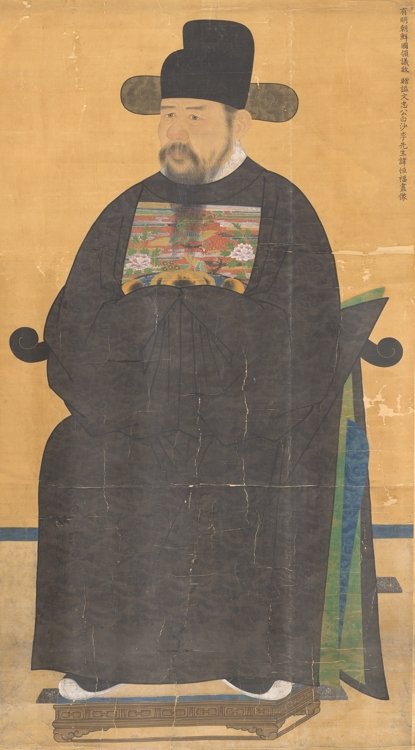
Hyanggyo were state-sponsored Confucian academies established across Korea to teach classical texts and prepare scholars for civil service. Yangcheon Hyanggyo served as both a school and a venue for Confucian rituals (Wikipedia). It remains a rare, well-preserved example of this tradition.
Modernization
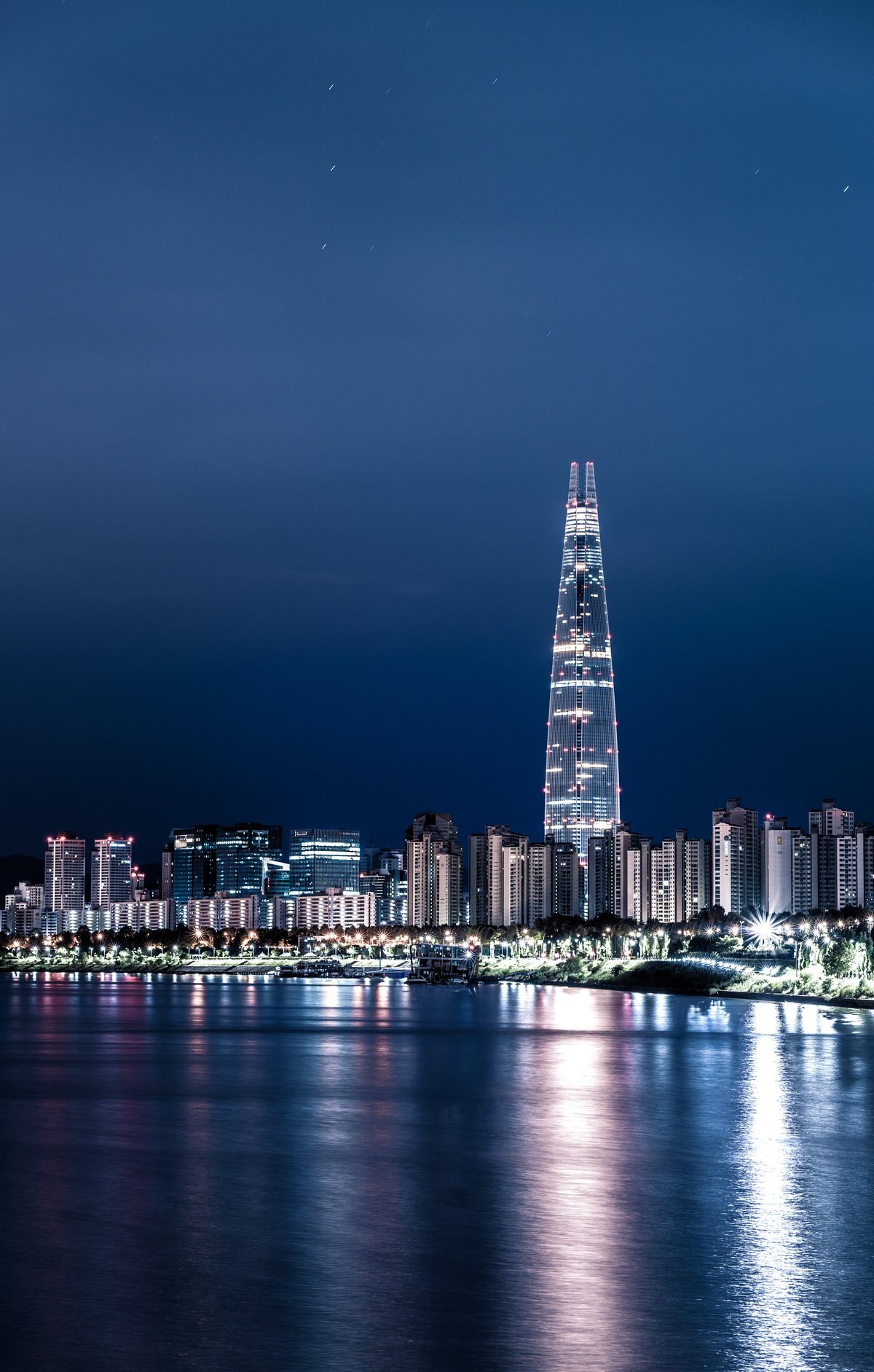
During the 20th century, Yangcheon changed from rural farmland into a bustling urban district. The opening of Line 9 and Yangcheonhyanggyo Station improved connectivity while bringing easier access to historical sites (english.seoul.go.kr).
What to see and do
Yangcheon Hyanggyo Confucian School
The school’s preserved structures, gardens, and historical displays offer an introduction to Korea’s scholarly and moral traditions. Its cultural programs include Confucian rituals and seasonal workshops.
- Confucian rituals Bongshim ceremonies take place twice monthly. Seokjeon Daeje ceremonies are held in February and August, with traditional music and dance; they are recognized as Intangible Cultural Heritage.
- Workshops Seasonal programs include Confucian etiquette, courtesy classes, calligraphy, traditional arts, and tea ceremonies. They are primarily for local students, though some are open to visitors (Hyanggyo.net).
Parks, museums, and local events
Gungsan Park offers walks and local history exploration. Museums and cultural centers in the area have exhibitions on educational traditions and Seoul’s transformation (openkorea.org). Seasonal festivals may feature traditional music, dance, and workshops (english.seoul.go.kr).
Practical visiting information
Hours, admission, and accessibility
- Yangcheonhyanggyo Station Open daily from approximately 5:30 AM to midnight, following Line 9 schedules.
- Yangcheon Hyanggyo Open daily from 9:00 AM to 6:00 PM; last entry is at 5:30 PM. Closed on major Korean holidays.
- Admission Free. Some guided tours require advance booking.
- Station accessibility Elevators, tactile paving, barrier-free restrooms, and bilingual signage are available.
- School accessibility Restrooms, shaded rest areas, accessible paths, and tactile paving are provided. Wheelchair access is available to the main areas, though some traditional structures may have limited accessibility.
Fares and getting there
Standard Seoul Metropolitan Subway fares apply. Tickets can be purchased at kiosks, or visitors can use transportation cards such as T-money for convenience and discounts.
Take Line 9 to Yangcheonhyanggyo Station; Exit 1 is for the school. Multiple city bus routes serve the station area. For real-time guidance, use KakaoMap or Naver Map. Bicycle racks are available.
Tips and etiquette
- Plan to explore the nearby park and monuments during daylight.
- Check event calendars for festivals, lectures, and traditional performances.
- Dress modestly, especially during ceremonies, and keep quiet in shrines and during rituals.
- Photography is permitted outdoors and in most areas, but avoid photographing ceremonies unless allowed. Flash and tripods are prohibited inside heritage buildings.
- Personal photography is allowed at the school; restrictions apply in certain areas and during rituals. Visitors are encouraged to share their visit using #YangcheonHyanggyo.
Nearby places
- Gungsan Park A short walk from the school.
- Gangseo Marsh Ecological Park A 10-minute bus ride away.
- Museums and cultural centers Exhibitions cover educational traditions and Seoul’s transformation.
- Markets and food Local markets, eateries, and independent cafés are near the station. Seoul’s summer night markets, food festivals, and Han River events are also accessible by subway (alovelettertoasia.com).
- Further excursions Seonyudo Park, Mokdong Stadium, Gayang Hangang Park, Yeouido, Hongdae, and central Seoul are accessible by subway (Miss Tourist).
Frequently Asked Questions
What are the visiting hours for Yangcheon Hyanggyo?
It is open daily from 9:00 AM to 6:00 PM, with last entry 30 minutes before closing. It is closed on major Korean holidays.
Is there an admission fee?
No. Admission is free.
Are English-language guided tours available?
Occasionally, by advance arrangement; most tours are in Korean.
Is the site wheelchair accessible?
The main areas are accessible, though some traditional buildings may have limitations.
Can I take photos?
Yes, except in certain areas and during rituals. Flash and tripods are prohibited inside heritage buildings.