Plan and listen to Tapgol Park with Audiala.
Audio guide in your pocket, itinerary in your browser. Built for the way you actually visit.
Introduction
Tapgol Park, nestled in the bustling Jongno district of central Seoul, is a living testament to Korea's enduring spirit, cultural richness, and the nation's fight for independence. As the birthplace of the March 1st Independence Movement, the park seamlessly blends historical monuments, tranquil green spaces, and significant artifacts, making it a must-visit for anyone interested in Seoul's history and heritage.
This guide provides a comprehensive overview of Tapgol Park, including its historical background, visiting hours, ticketing details, accessibility, notable landmarks, nearby attractions, and practical tips for enhancing your visit. Whether you are a history buff, a cultural traveler, or seeking a peaceful retreat in the city, Tapgol Park promises an enlightening and memorable experience (The Seoul Guide; Visit Seoul).

From Buddhist Temple to Urban Landmark
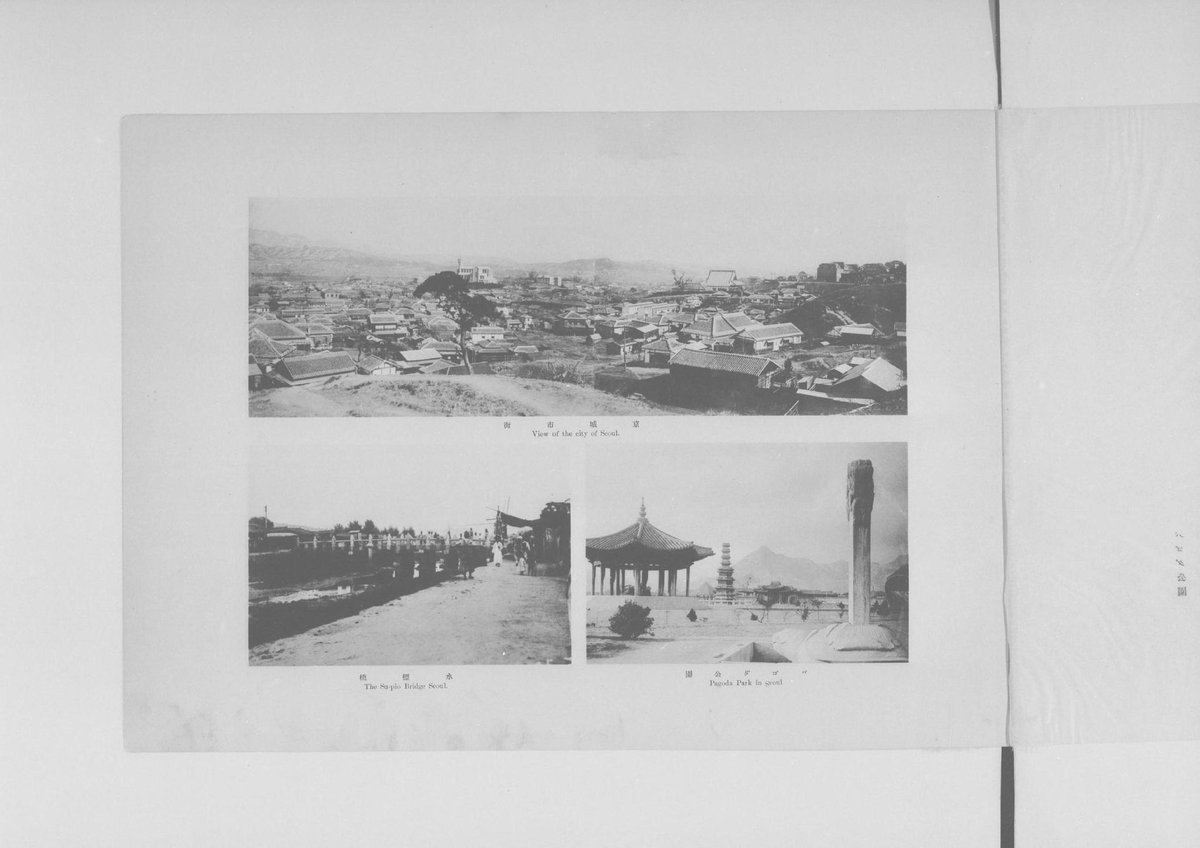
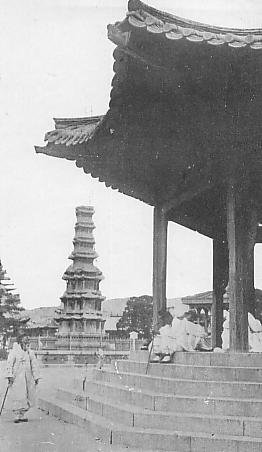
The site of Tapgol Park traces its origins to the Goryeo Dynasty, when it was home to Heungboksa, a prominent Buddhist temple. In 1465, under King Sejo of the Joseon Dynasty, the temple was expanded and renamed Wongaksa, becoming a center for the Jogye Order of Korean Buddhism. The park's most iconic structure, the Wongaksa Pagoda (Ten-story Stone Pagoda), was constructed in 1467 and remains a rare and exquisite example of Joseon-era Buddhist art (The Seoul Guide). Today, the pagoda is protected as National Treasure No. 2 of South Korea, with its ten marble tiers adorned with intricate carvings depicting Buddhist motifs and stories.
The original temple complex was largely destroyed during periods of Buddhist suppression in the 16th century. However, the pagoda endured, becoming the focal point of the park and a symbol of Korea’s cultural continuity (The Seoul Guide).
Transformation into Seoul’s First Modern Park
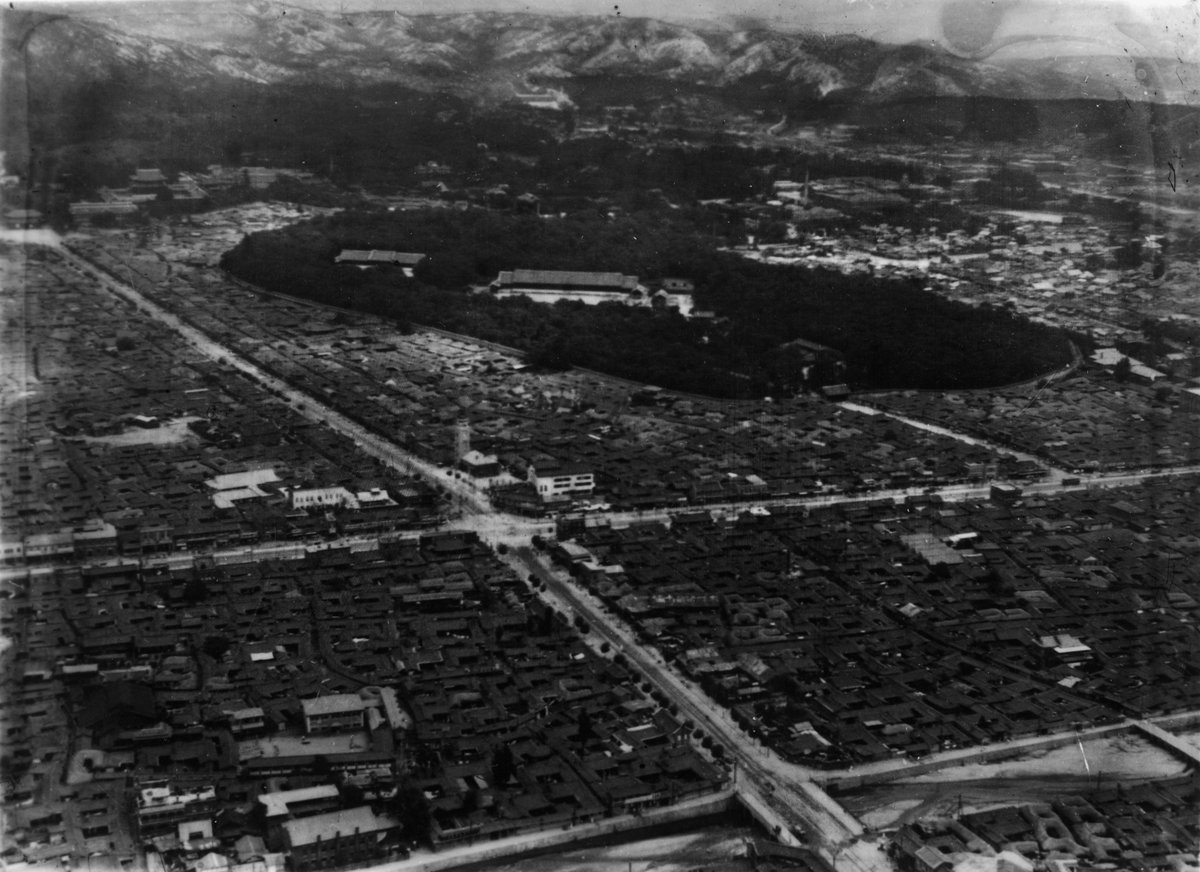
By the late 19th century, the site had become neglected. In 1897, at the suggestion of King Gojong’s advisor, John McLeavy Brown, the grounds were converted into a public park as part of Korea's modernization efforts. Officially opened to the public in 1920, Tapgol Park became Seoul’s first modern park, incorporating a blend of traditional landscaping and Western urban park concepts (Visit Seoul; VisitKorea; KoreaTripTips).
The Palgakjeong Pavilion, constructed in 1902, became the park's architectural centerpiece, reflecting the fusion of Korean aesthetics and contemporary design.
Tapgol Park and the Independence Movement
The March 1st Movement
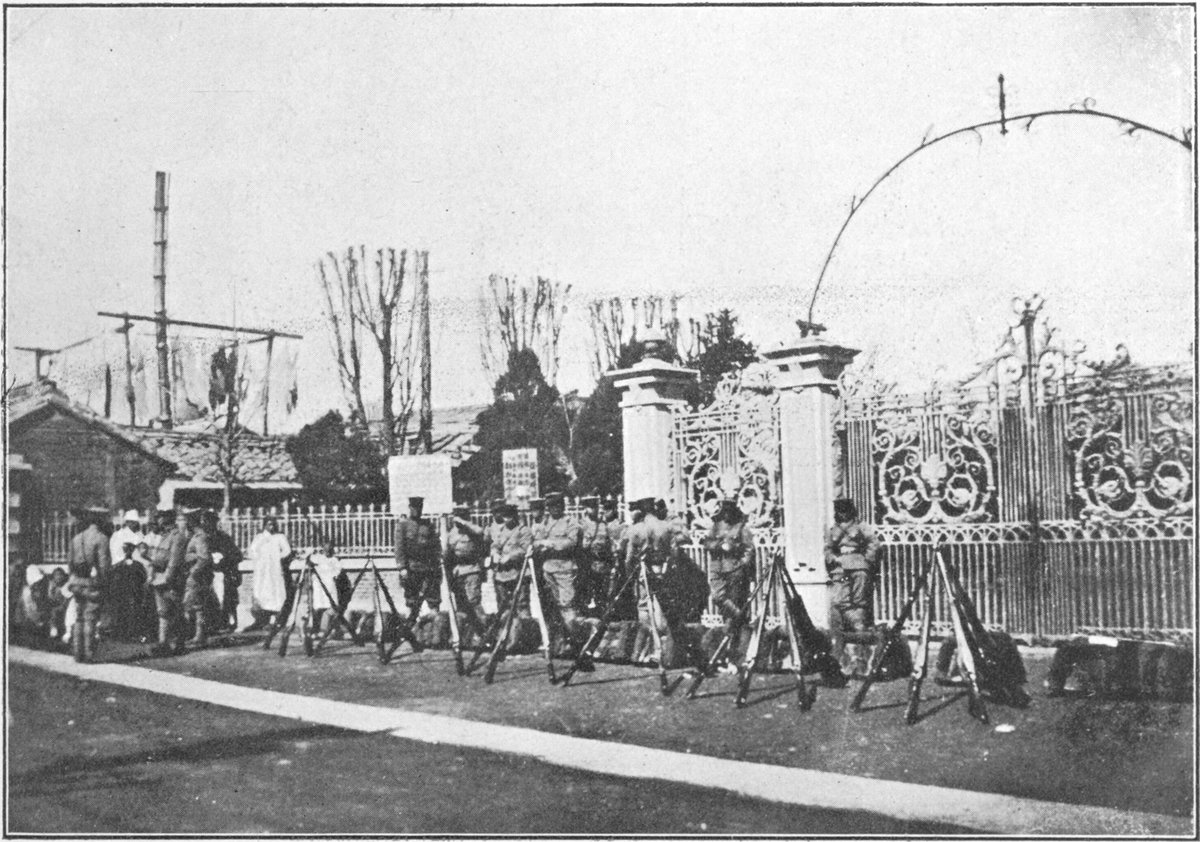
On March 1, 1919, Tapgol Park entered the annals of history when activists gathered at the Palgakjeong Pavilion to publicly read the Korean Declaration of Independence. This bold act ignited the March 1st Movement (Samil Undong), a nationwide, nonviolent protest against Japanese colonial rule. The movement galvanized millions, resulted in tragic reprisals, but laid the foundation for future independence efforts (The Seoul Guide; Travelers Universe; VisitKorea).
Today, the park features monuments and reliefs commemorating these events, including:
- Independence Movement Relief Plates and murals depicting the protests
- Statues of leading activists such as Son Byeong-hee and Han Yong-un
- The Praise Monument of the 3.1 Movement, honoring the courage of all participants (KoreaTripTips; wikipedia.org)
Annual commemorative ceremonies are held every March 1st, keeping the spirit of the movement alive (thekhepadigest.com).
Key Historical Structures and Artifacts
- Wongaksa Pagoda: A ten-story marble pagoda, National Treasure No. 2, showcasing Joseon Dynasty artistry.
- Palgakjeong Pavilion: Octagonal structure where the 1919 Declaration of Independence was read.
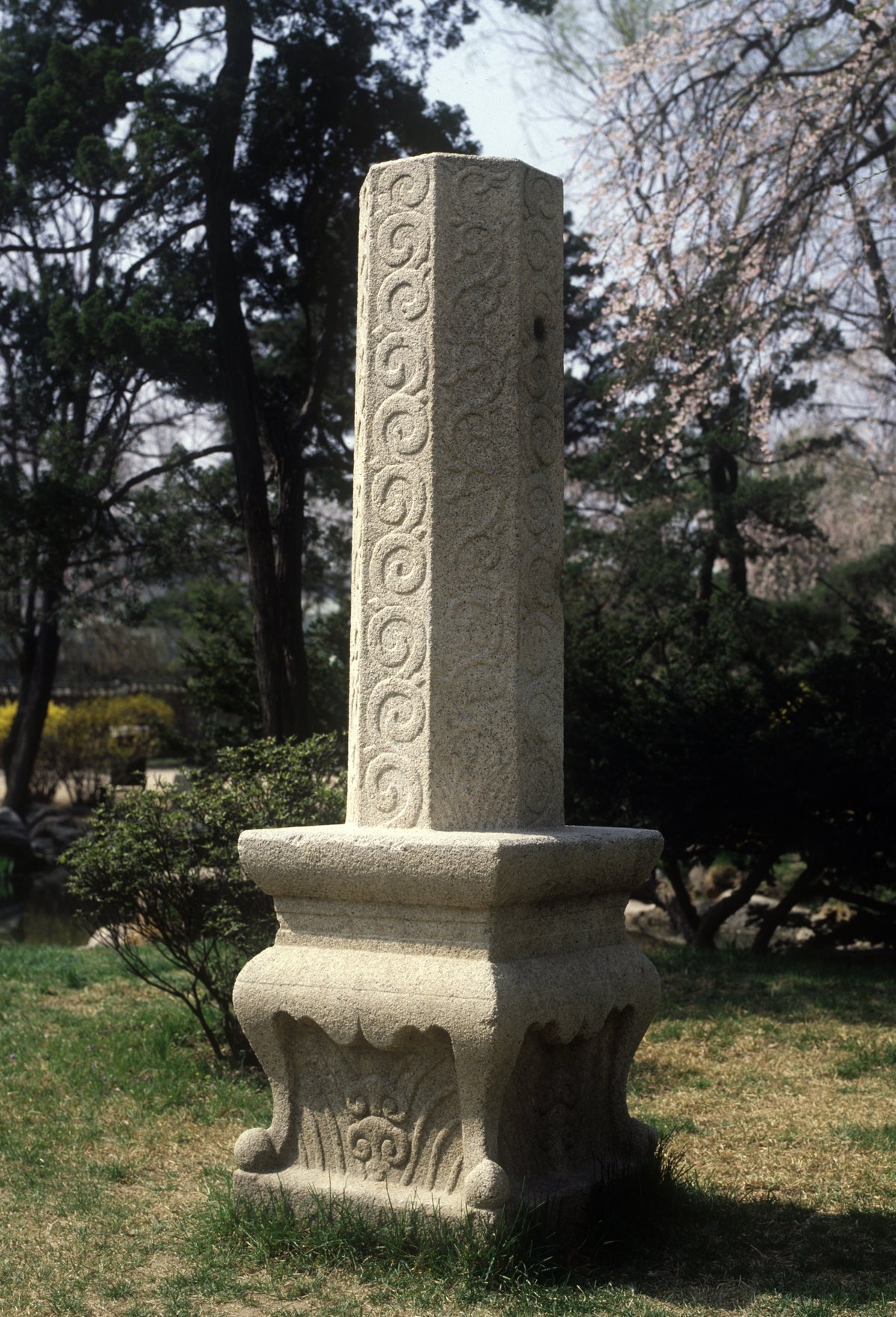
- Stele for Daewongaksa Temple: Stone monument detailing the temple’s origins.
- Independence Movement Reliefs and Murals: Artistic depictions of the events of 1919.
- Statues of Independence Leaders: Notably Son Byeong-hee and Han Yong-un.
Visiting Tapgol Park: Essential Information
Hours and Admission
- Opening Hours: Daily, 5:00 AM – 10:00 PM (occasionally varies by season, with some sources noting 6:00 AM – 9:00 PM)
- Admission: Free; no tickets required (Visit Seoul)
Accessibility
- Wheelchair and stroller accessible
- Paved paths, ramps, and benches throughout
- Public restrooms available, though basic
- Multilingual signage (Korean/English)
Getting There
- Address: 99 Jong-ro, Jongno-gu, Seoul, South Korea
- Subway: Jonggak Station (Line 1, Exit 3) or Jongno 3(sam)-ga Station (Lines 1, 3, 5, Exits 1 or 4); each within a 3–5 minute walk
- Bus: Multiple city bus routes serve the area
- Parking: Limited; public transport recommended
Map and Virtual Tour
Visitor Experience and Tips
Best Times to Visit
- Season: Spring (April–June) for cherry blossoms and autumn (September–November) for colorful foliage.
- Time of Day: Early morning for serenity and soft light; late afternoon for pleasant strolls.
What to Bring
- Comfortable shoes (paths can be slippery)
- Water bottle (no vendors inside)
- Sun protection or umbrella depending on weather
- Camera or smartphone for photos (Hey Roseanne)
Etiquette
- Do not climb on monuments or the pagoda enclosure
- Maintain a respectful silence, especially near commemorative sites
- Photography is welcome, but be mindful of other visitors
- Tipping is not customary (Seoul Itinerary Guide)
Safety
- Park is well-monitored with security and CCTV
- Keep valuables secure during busy periods
Language
- Most signage is in Korean and English; staff may have limited English
Main Attractions and Monuments
Wongaksa Pagoda
The marble, ten-tiered Wongaksa Pagoda, built in 1467, is the park’s crown jewel and a masterpiece of Joseon Dynasty Buddhist architecture. Protected by a glass enclosure, its intricate carvings of guardian deities, lotus flowers, and Buddhist symbols are a highlight for both casual and scholarly visitors (Visit Korea).
The March 1st Independence Movement Monument
A central granite monument inscribed with the Declaration of Independence and flanked by bronze reliefs, this site is central to annual commemorations and a visual record of the independence struggle (Korea Tourism Organization).
Statues and Reliefs
Statues of Son Byeong-hee, Han Yong-un, and other independence leaders, as well as a series of reliefs and plaques, guide visitors through the events of 1919 and the story of Korea’s fight for freedom.
Bell Pavilion (Beomjonggak)
A traditional wooden pavilion near the entrance, often serving as a gathering spot for visitors and a site for cultural performances.
Traditional Landscaping
Old pine and zelkova trees provide shade and beauty, complemented by stone lanterns and smaller pagodas for a serene atmosphere.
Special Events and Cultural Activities
- March 1st (Samiljeol): The park hosts national ceremonies with reenactments, flag-waving, and performances commemorating the independence movement (wikipedia.org).
- Other Events: Occasional art exhibitions, music performances, and educational programs.
Nearby Attractions
- Insadong: Famous for traditional crafts, galleries, and tea houses; just a 5-minute walk away.
- Cheonggyecheon Stream: A scenic urban stream for strolls.
- Jongmyo Shrine and Gyeongbokgung Palace: Short subway or taxi rides away.
- Bukchon Hanok Village: For a glimpse of traditional Korean architecture.
Accessibility for Travelers with Disabilities
- Step-free entrances and flat, paved paths
- Some older monuments may have uneven surfaces
- Most nearby subway stations have elevators; some require advance planning (Accessibility Info)
- Wheelchair-accessible taxis available by reservation
Frequently Asked Questions (FAQ)
Q: What are Tapgol Park’s visiting hours?
A: The park is open daily from 5:00 AM to 10:00 PM (occasionally 6:00 AM to 9:00 PM depending on season).
Q: Is there an entrance fee or ticket required?
A: No, admission is free and tickets are not required.
Q: Are guided tours available?
A: Occasionally, especially during national holidays and commemorative events. City tours often include Tapgol Park as a stop.
Q: Is Tapgol Park wheelchair accessible?
A: Yes, paths and entrances are suitable for wheelchairs and strollers.
Q: What are the must-see attractions?
A: The Wongaksa Pagoda, March 1st Independence Movement Monument, Palgakjeong Pavilion, and statues of independence leaders.
Q: What is the best time to visit?
A: Early mornings and late afternoons in spring or autumn.
Listen to the full story in the app
The whole Tapgol Park,
told well.
Audio guides for 1,100+ cities across 96 countries. History, stories, and local insight — offline ready.
Verified, and shown.
Researched and written by the Audiala editorial team from historical records, architectural archives, and local expertise.
Researched from Wikidata, Wikipedia & official sources · fact-checked · How we make our guides →