
Historical Background and Significance
Urban Planning and Early Development
Suseo was once a peripheral area but transformed rapidly as Seoul expanded southward. The station was developed as part of Seoul’s plan to decentralize the city center, stimulate Gangnam’s growth, and integrate suburban rail and subway lines. Its growth aligned with broader efforts to connect emerging residential and commercial districts to the city’s heart (Suseo Station Detailed Information).
Integration into the Seoul Metropolitan Network
Suseo is a vital interchange for Seoul Subway Line 3 and the Bundang Line, directly linking to major business and cultural districts. Its proximity to other lines, including Lines 2, 5, 8, and the Sinbundang Line, enhances connectivity across the city and facilitates easy transfers (Suseo Station Accessibility).
The Advent of SRT and National Connectivity
With the SRT’s inauguration in 2016, Suseo Station became a launch point for direct, high-speed travel to cities such as Busan and Mokpo, significantly reducing cross-country travel times and alleviating congestion at Seoul and Yongsan stations. The SRT’s integration has strengthened Gangnam’s role as a business and cultural hub (Visit Korea Suseo SRT; Korea Trains SRT).
Modern Complex and Urban Hub
Today, Suseo Station anchors a multifaceted urban center that includes business, research, and residential complexes. Ongoing development projects continue to enhance its role as a sustainable and innovative urban hub (Hanwha E&C Suseo Development).
Visiting Hours and Ticketing Information
Operating Hours
- Station Opening 5:30 AM – Midnight (varies slightly by facility)
- SRT Ticket Office Opens from 5:00 AM to accommodate early departures
- Subway Services Operate from 5:30 AM – 1:00 AM (check exact times for holidays)
Ticketing
- Subway Purchase single-journey tickets at machines/counters; T-Money cards are recommended for seamless travel.
- SRT Tickets available via the SRT official website, mobile apps, station kiosks, or ticket counters. Early booking is advised for peak periods.
- Bundang Line and GTX-A Use T-Money cards or purchase tickets at machines.
Station Layout, Facilities, and Accessibility
Layout and Transfers
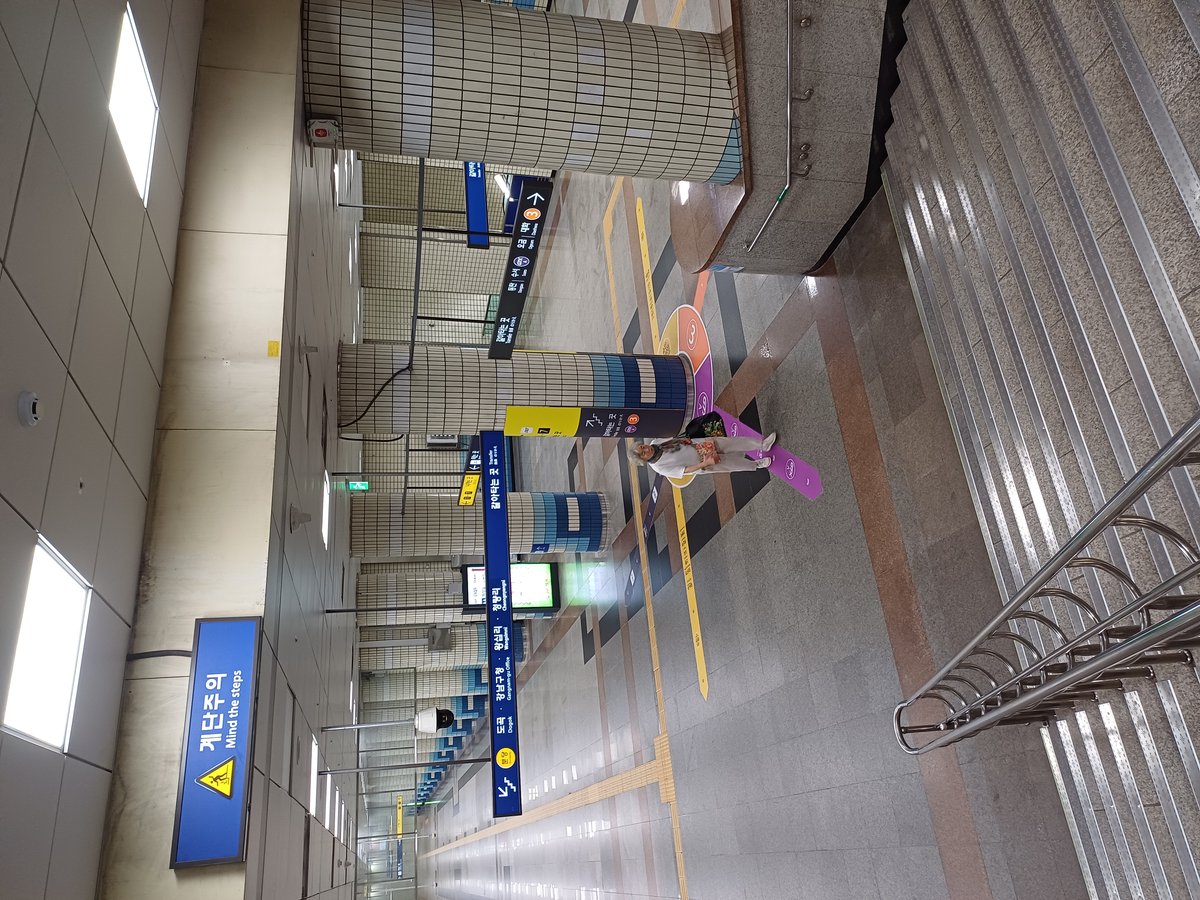
- Levels Multi-level structure with clear signage and wide, accessible corridors.
- Transfers Efficient connections between SRT, Line 3, Bundang Line, and bus terminals via escalators, elevators, and moving walkways.
Facilities
- Ticketing Automated machines and staffed counters (English-speaking assistance during peak hours).
- Waiting Areas Spacious general seating, premium lounges for SRT first-class travelers.
- Retail and Dining Convenience stores, cafes, bakeries, and diverse restaurants.
- Luggage Storage Coin lockers and luggage delivery services to hotels/airports.
- Additional Amenities Free Wi-Fi, ATMs, currency exchange, medical clinic, pharmacy, lost and found, and family-friendly facilities (nursing rooms, baby-changing stations).
Accessibility
- Fully accessible with elevators, ramps, tactile paving for the visually impaired, accessible restrooms, and priority seating. Staff are available to assist travelers with disabilities.
Transportation Connections
Subway and Rail
- Line 3 Direct access to central Seoul, Jongno, and business districts.
- Bundang Line Connects to Seongnam, Suwon, and southeastern suburbs.
- SRT High-speed service to Daejeon, Daegu, Busan, Mokpo, and more.
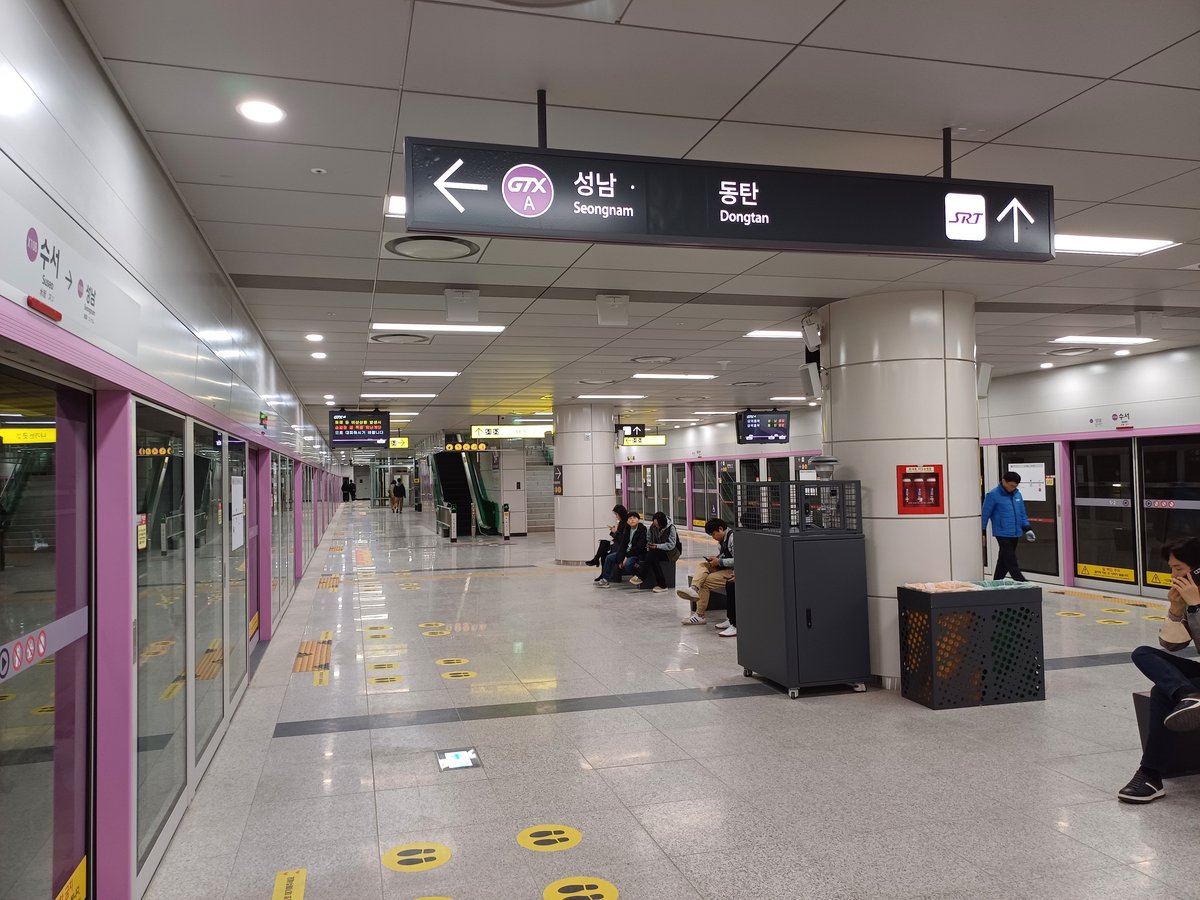
- GTX-A Rapid transit linking Suseo to Dongtan and northern Seoul since March 2024 (Suseo Station Visitor Guide).
Bus and Road
- Extensive city and express bus services, including lines to Gangnam, Songpa, Seongnam, and Suwon.
- Taxi stands and rideshare options (Kakao Taxi) at main exits.
- Direct access to major expressways for road travel.
Nearby Attractions and Points of Interest
- Gangnam District Famous for shopping, nightlife, and K-pop culture.
- COEX Mall Asia’s largest underground shopping mall, easily accessible via subway.
- Seolleung and Jeongneung Royal Tombs UNESCO World Heritage sites a short subway ride away.
- Bongeunsa Temple Historic Buddhist temple with cultural programs.
- Lotte World Tower & Seokchon Lake Park Iconic skyscraper and scenic park within reach.
- Tancheon Stream & Yangjae Citizens’ Forest Outdoor recreation areas.
Practical Visitor Tips
- T-Money Card Purchase at convenience stores for use on all public transit and taxis.
- Mobile Apps Use Naver Maps or KakaoMap for navigation and real-time transit updates.
- Language English signage is common, but basic Korean or a translation app can be helpful.
- Peak Hours Morning (7–9 AM) and evening (6–8 PM) are busiest; plan transfers accordingly.
- Luggage Use coin lockers or delivery services for convenience.
- Safety CCTV, first aid stations, and regular security patrols ensure a safe environment.
FAQ
Q: What are Suseo Station’s operating hours?
A: The station is typically open from 5:30 AM to midnight; SRT ticketing opens at 5:00 AM.
Q: How do I buy SRT tickets?
A: Tickets can be purchased online, at station kiosks, or at ticket counters. Early booking is recommended during busy periods.
Q: Is Suseo Station accessible for travelers with disabilities?
A: Yes, the station includes elevators, ramps, tactile paving, and accessible restrooms.
Q: Are there luggage storage options?
A: Yes, lockers and luggage delivery services are available.
Q: How do I travel from Suseo Station to Incheon Airport?
A: Take Line 3 or Bundang Line to Seoul Station, then transfer to AREX, or use airport limousine buses/taxis.
Key Facts and Figures
- SRT Opening December 9, 2016 (Visit Korea Suseo SRT)
- Major Lines Line 3, Bundang Line, SRT, GTX-A
- Daily Volume Hundreds of thousands of passengers (seasonal variations)
- Facilities Transfer centers, parking, commercial complexes, accessible infrastructure (Suseo Station Facilities)
- Estimated SRT Travel Time Suseo to Busan ~2 hours 15 minutes
- Nearby Landmarks COEX Mall, Gangnam, Seolleung and Jeongneung Royal Tombs, Bongeunsa Temple