Introduction: Seoul World Cup Stadium at a Glance
Seoul World Cup Stadium, also known as Sangam Stadium, is a striking symbol of South Korea's blend of tradition and innovation. Built for the 2002 FIFA World Cup—the first held in Asia—it stands as a testament to modern engineering and national pride. Its iconic kite-shaped roof, inspired by the traditional “bangpae yeon,” not only provides shelter but also reflects the nation’s aspirations. The stadium is the home of FC Seoul, a vibrant hub for sporting and cultural events, and a centerpiece of the Mapo-gu district’s urban renewal (Wikipedia; The AFC; Stadium Guide).
This guide delivers comprehensive information on visiting hours, ticketing, accessibility, and travel tips, as well as exploring the stadium’s architectural and cultural significance. Whether you’re a football fan, architecture enthusiast, or a cultural explorer, this guide will help you plan an enriching visit.
Photo Gallery
Explore Seoul World Cup Stadium in Pictures
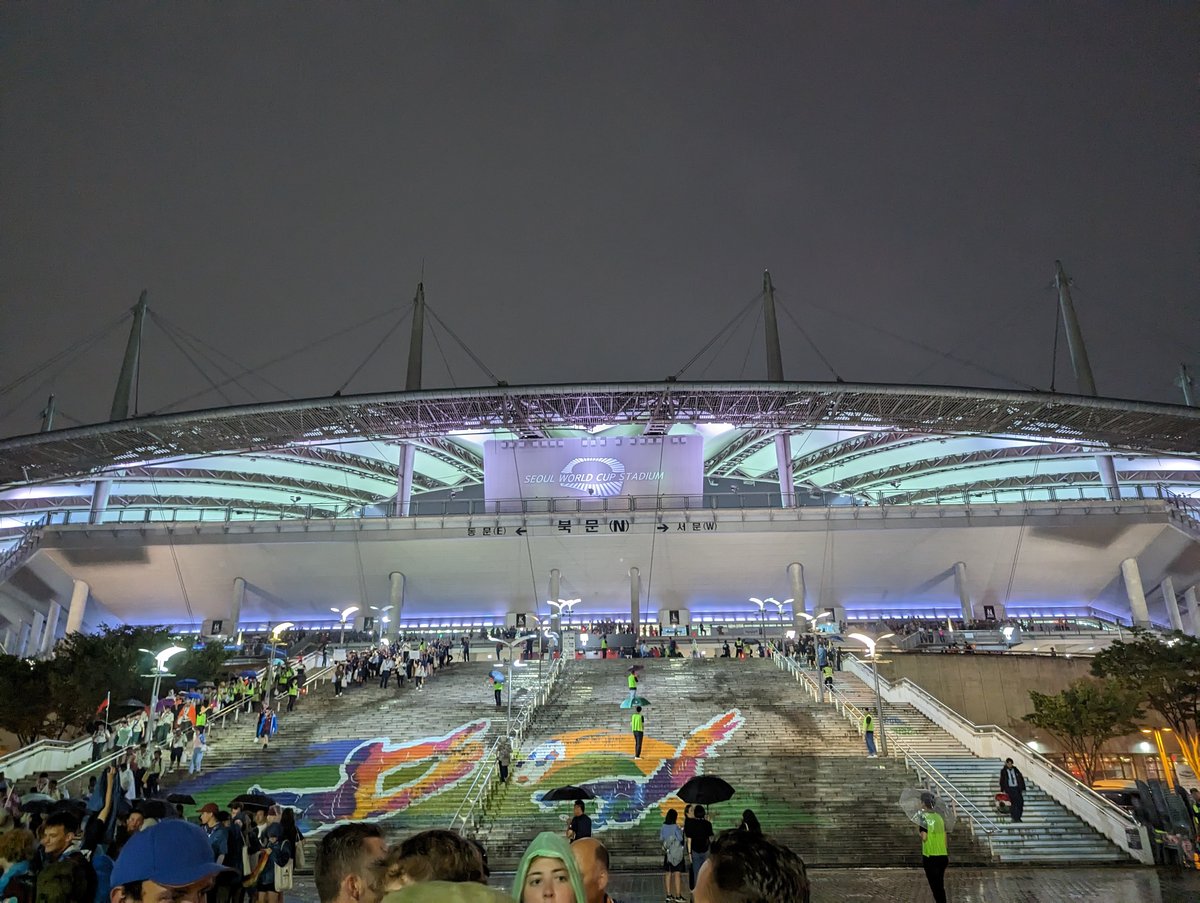
Brightly lit Seoul World Cup Stadium in Sangam-dong, Seoul, photographed at night just after the K-pop Super Live closing show of the 25th World Scout Jamboree 2023, featuring participants descending a colorfully painted staircase.
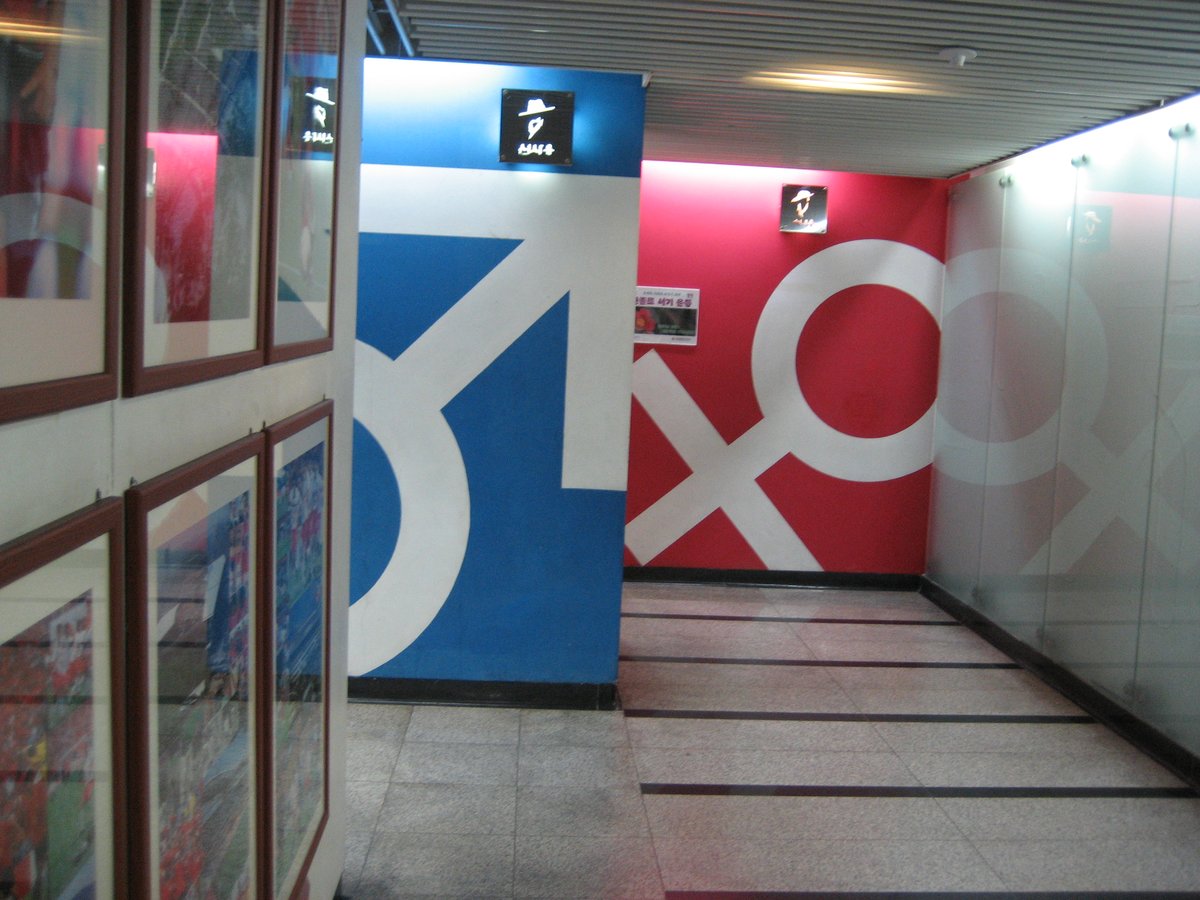
Public toilets located outside Seoul World Cup Stadium, Seoul, South Korea, showcasing modern stadium facilities
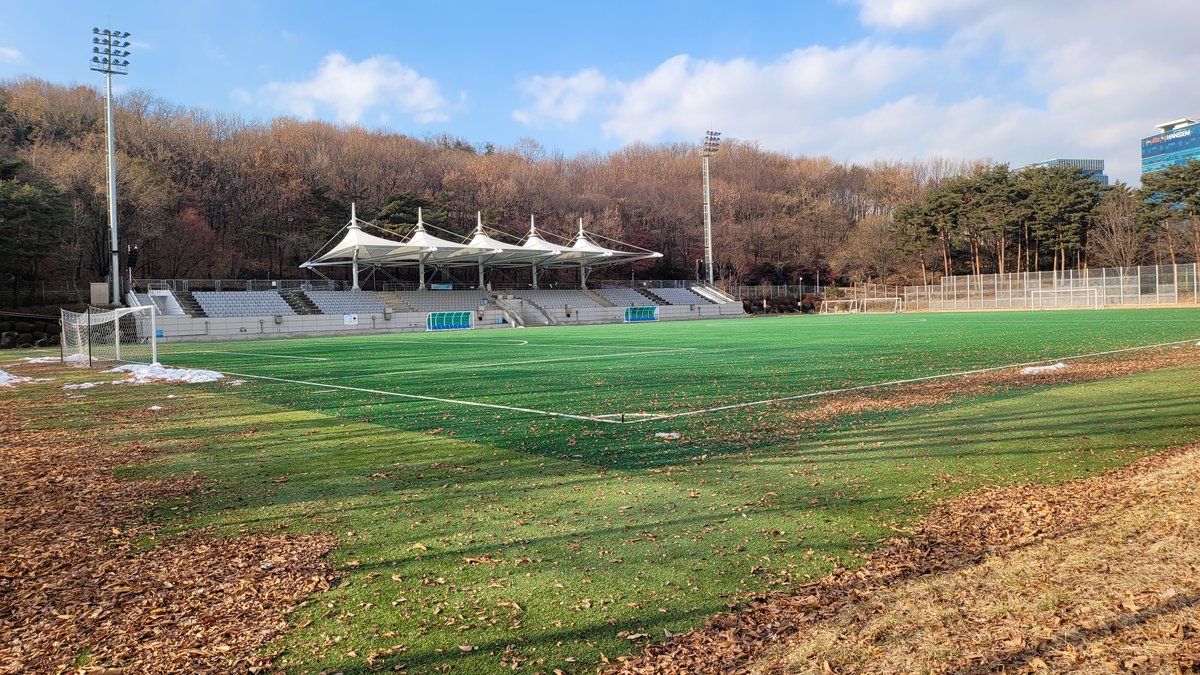
View of the auxiliary field at Seoul World Cup Stadium, South Korea, showing the sports ground and surrounding facilities
Origins and Construction
Conceived as the flagship venue for the 2002 FIFA World Cup, the stadium was constructed between 1998 and 2001, transforming a former landfill in Seongsan-dong, Mapo-gu, into a thriving sports and cultural complex. Officially opening its doors on November 10, 2001, the stadium set a new benchmark for sports infrastructure in Korea, meeting FIFA’s rigorous specifications and serving as a catalyst for the area’s urban development (AFC; Stadium Guide).
Architectural Significance
Designed by the renowned architect Kim Swoo Geun, Seoul World Cup Stadium harmoniously fuses modern engineering with Korean cultural symbolism. The distinctive roof, supported by 16 masts and shaped like a traditional kite, provides 90% seat coverage and creates a lantern-like glow at night, thanks to translucent materials reminiscent of hanji paper (Man City; Stadium Guide).
With a capacity of 66,704 seats, it is South Korea’s largest soccer-specific stadium and the second largest rectangular stadium in Asia (Facts.net; Seoul Facilities Corporation). The bowl-shaped configuration ensures excellent sightlines, while advanced structural engineering eliminates obstructive columns, enhancing the spectator experience (soccity.net).
Role in the 2002 FIFA World Cup
The stadium played a central role in the 2002 FIFA World Cup, hosting the opening match where Senegal famously upset France, as well as group stage and semi-final matches. The electrifying atmosphere and efficient organization placed South Korea in the global spotlight, with the stadium serving as the epicenter of the nation's football fever (Sportskeeda; Visit Seoul).
Visiting Seoul World Cup Stadium: Hours, Tickets, and Accessibility
Visiting Hours
- General Hours: 9:00 AM – 6:00 PM daily.
- Tours: Typically available Tuesday–Sunday (non-event days), 9:00 AM – 5:00 PM.
- Note: Hours may vary on event or match days. Always check the official website for the latest updates.
Tickets
- Stadium Tours: Admission is generally 5,000–15,000 KRW for adults, with discounts for children, seniors, and groups.
- FC Seoul Matches: Tickets start at 19,000 KRW for general admission. Purchase at the box office (West Gate) or online via fcseoul.com, ticketlink.co.kr, or interpark.com. Online sales may require a Korean account or phone number.
- Concerts and Special Events: Prices vary by event; book early for popular K-pop shows.
Accessibility
- Facilities: Wheelchair ramps, elevators, accessible seating, and restrooms throughout the stadium.
- Transport: Served by Seoul Subway Line 6 (World Cup Stadium Station, Exit 2) and multiple bus routes (CK Travels).
- Parking: Limited, especially on event days. Public transport is strongly recommended.
Travel Tips
- Arrive 1–2 hours early for events to secure tickets and explore the grounds.
- Wear comfortable shoes for walking the expansive complex and nearby parks.
- Bring a camera for photo opportunities.
- Most signage is bilingual; staff can assist, and translation apps are helpful.
Post-World Cup Legacy and Events
Since 2004, the stadium has been home to FC Seoul, hosting K League and national team matches, major cultural events, and K-pop concerts featuring artists like IU, Seventeen, and Psy (Concert Archives; Korea JoongAng Daily). It also supports social initiatives and community engagement through partnerships like the FIFA Foundation Community Programme (FIFA Foundation).
Urban Development and Cultural Impact
The stadium’s construction was pivotal in transforming the Sangam area, catalyzing the development of Digital Media City, residential complexes, and the World Cup Park—a network of five eco-parks including Haneul (Sky) Park (Visit Korea; trek.zone). The area is now a vibrant district for culture, recreation, and tourism.
Preservation and Modernization
Managed by the Seoul Facilities Corporation, the stadium is continually upgraded for safety, comfort, and sustainability. Initiatives include improved turf management and environmental practices, aligning with international trends for green stadiums (Wikipedia; Facts.net).
Historical Milestones
- Opening Date: November 10, 2001
- 2002 FIFA World Cup: Hosted opening, group, and semi-final matches
- 2007 FIFA U-17 World Cup: Main venue, including the final
- 2013 AFC Champions League Final: Hosted first leg
- Capacity: 66,704 seats
- Home to FC Seoul since 2004
- Architectural Highlights: Kite-shaped roof, hanji-inspired materials, 16 masts, 90% seat coverage (Stadium Guide)
Facilities, Amenities, and Surroundings
- Food & Drink: Korean street food, snacks, and beverages available. Sky Pub packages offer unlimited beer and popcorn.
- Restrooms: Ample and accessible throughout the stadium and park complex.
- Merchandise: FC Seoul and K League items on sale inside/outside the stadium.
- Nearby Attractions: Haneul Park (panoramic city views), Pyeonghwa Park, Digital Media City, Oil Tank Culture Park (KoreaToDo).
Visitor FAQs
Q: What are the Seoul World Cup Stadium visiting hours?
A: Generally 9:00 AM–6:00 PM; check the official website for event-day variations.
Q: How can I buy tickets for matches or concerts?
A: At the stadium box office (West Gate) or online via official channels. On-site purchase is convenient for international visitors.
Q: Is the stadium accessible for visitors with disabilities?
A: Yes, with ramps, elevators, accessible restrooms, and seating.
Q: Are tours available in English?
A: Most tours are in Korean, but self-guided visits are easy; check ahead for English-language options.
Q: What is the best way to get there?
A: Subway Line 6 to World Cup Stadium Station (Exit 2) is recommended; several bus routes also serve the stadium.
Q: What are some nearby attractions?
A: Haneul Park, Pyeonghwa Park, Digital Media City, and Oil Tank Culture Park.
Listen to the full story in the app
Your Personal Curator, in Your Pocket.
Audio guides for 1,100+ cities across 96 countries. History, stories, and local insight — offline ready.
Audiala App
Available on iOS & Android
Join 50k+ Curators
Sources
- verified
- verified
- verified
- verified
- verified
- verified
- verified
- verified
- verified
- verified
- verified
- verified
Last reviewed: