History and Development of Seongbuk Fire Station
Origins and Modernization
Seongbuk Fire Station was founded to meet the safety needs of a rapidly urbanizing northern Seoul. Prompted by the 1977 Fire Services Act, which mandated enhanced fire services in all major districts, the station has kept pace with Seoul’s modernization. Upgrades in equipment, training, and technology, especially during the 1990s and 2000s, have ensured that Seongbuk Fire Station aligns with international safety standards and integrates seamlessly with Seoul’s smart city infrastructure (Seoul Smart City).
Why Visit Seongbuk Fire Station?
Community Safety and Education
Beyond firefighting and emergency response, Seongbuk Fire Station is a center for public education. Visitors can engage in fire safety demonstrations, hands-on first aid training, and disaster preparedness workshops. The station regularly hosts open houses and participates in citywide safety events, reinforcing its role as a pillar of community resilience (Seoul Seollal Holiday Information).
Architectural and Operational Insights
The station’s design features administrative offices, crew quarters, equipment bays, and public education spaces. It houses a fleet of advanced fire engines, ambulances, and rescue vehicles. Observing daily firefighter routines and learning about Seoul’s emergency services offers visitors a deeper understanding of urban safety.
Visitor Information: Hours, Tours, and Tickets
- General Hours Monday–Friday, 9:00 AM–5:00 PM (closed weekends and public holidays except for special events)
- Admission Free for all tours and programs; special events may require advance booking
- Guided Tours Available by appointment, including facility tours, safety demonstrations, and Q&A with firefighters
- Languages Most programs in Korean; English support and materials available upon request (Seoul Tourist Information)
Getting There and Accessibility
- Address Seongbuk District, Seoul, South Korea (Wikipedia: Seongbuk District)
- Nearest Subway Hansung University Station (Line 4, Exit 5 or 6)
- Public Transit Accessible by subway and bus; Tmoney card recommended for seamless travel (Where Goes Rose: South Korea Travel Tips)
- Accessibility Wheelchair ramps, accessible restrooms, and staff assistance available
Nearby Attractions and Historical Sites
Enhance your visit with these local highlights:
- Seongbuk-dong Hanok Village Traditional Korean houses and cultural experiences (Seongbuk-dong Hanok Village)
- Korea University Prestigious campus with museums and events (Korea University)
- Gilsangsa Temple Modern Buddhist temple with meditation programs (Gilsangsa Temple)
- Seongbuk Museum of Art Contemporary and traditional exhibitions (Seongbuk Museum of Art)
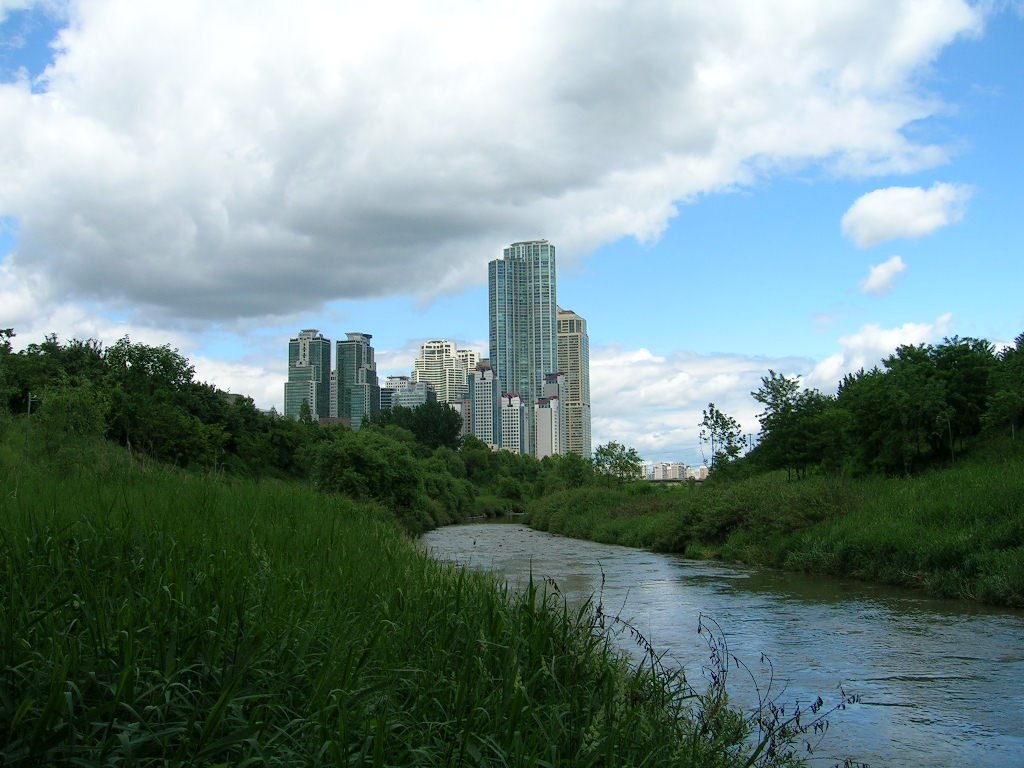
- Seongbukcheon Stream Parks and walking paths
- Traditional Markets Local food and shopping experiences (Seongbuk-gu Markets)
Frequently Asked Questions (FAQ)
Q: What are the visiting hours?
A: Monday–Friday, 9:00 AM–5:00 PM. Closed on weekends and public holidays unless otherwise announced.
Q: Is there an admission fee?
A: No, visits and educational programs are free. Some events may require pre-registration.
Q: How do I book a tour?
A: Contact the station directly or through the Seoul Tourist Information Center; advance booking is recommended.
Q: Are tours available in English?
A: English-language support and materials are available upon request. Most staff speak Korean.
Q: Is the station accessible for visitors with disabilities?
A: Yes, wheelchair access and assistance are provided.
Q: Can I take photographs?
A: Photography is permitted in public areas with staff permission.
Q: Is it suitable for children and families?
A: Yes, many programs are family-friendly.
Visual and Interactive Experiences
- Educational Displays Firefighting equipment, historic photos, and digital kiosks on fire safety
- Interactive Kiosks Learn about Seoul’s fire service milestones
- Live Demonstrations Fire extinguisher training, first aid, and rescue drills
- Virtual Tours Available on the city’s official website for remote learning
Practical Visitor Tips
- Security The station is operational—respect restricted areas and follow staff instructions.
- Dress Code Comfortable, modest attire is recommended.
- Facilities Public restrooms available; limited seating and water fountains.
- Language Translation apps or a Korean-speaking companion will enhance your experience.
- Weather Considerations Check air quality before outdoor activities (Seoul City Guide).
Summary Table: Key Visitor Information
| Aspect | Details |
|---|---|
| Location | Seongbuk District, Seoul, South Korea |
| Nearest Subway | Hansung University Station (Line 4, Exit 5 or 6) |
| Visiting Hours | 9:00 AM – 5:00 PM (Mon–Fri; confirm before visiting) |
| Entry Fee | Free; tours may require advance booking |
| Contact | Korea Travel Hotline: +82-1330 (24/7) |
| Accessibility | Wheelchair accessible, public restrooms available |
| Language | Korean (English support on request; translation apps recommended) |
| Nearby Attractions | Hanok Village, Korea University, Gilsangsa Temple, Local markets |
| Safety | Follow staff instructions, avoid restricted areas, check air quality |
| Booking | Advance contact recommended for tours or educational visits |
Emergency Contacts
- Fire/Emergency Dial 119
- Tourist Information 1330 (Korea Travel Hotline) (Korea Travel Hotline)