Historical Development and Significance
Seoul Metropolitan Eunpyeong Hospital was established as part of Seoul’s broader initiative to modernize public health infrastructure. Over time, it has evolved to become a model for equitable healthcare delivery in the city, particularly serving local residents and vulnerable populations. Its growth mirrors Seoul’s rapid urban development and commitment to social welfare.
Visiting Information
Visiting Hours
- General Visiting 10:00 AM – 8:00 PM daily (subject to change by ward or public health directives).
- Special Departments Some units may have restricted hours; always check in advance.
Entry Policy
- Admission Free for visitors accompanying patients or attending appointments.
- Identification Bring valid photo ID; health screenings and temperature checks may be required, especially during public health emergencies.
- COVID-19 Guidance Entry procedures may be updated; consult the hospital’s website before your visit (NCBI).
Special Tours
- Guided Tours Regular tours are not available, but educational visits for academic or medical groups can be arranged by prior request.
Accessibility
- Physical Access Barrier-free entrances, elevators, and accessible restrooms are provided on each floor.
- Transport Access Subway stations and bus stops nearby are equipped with elevators and accessible gates (Visit Seoul Accessibility Guide).
- Support Services Staff can assist visitors with mobility challenges.
Getting There
By Subway
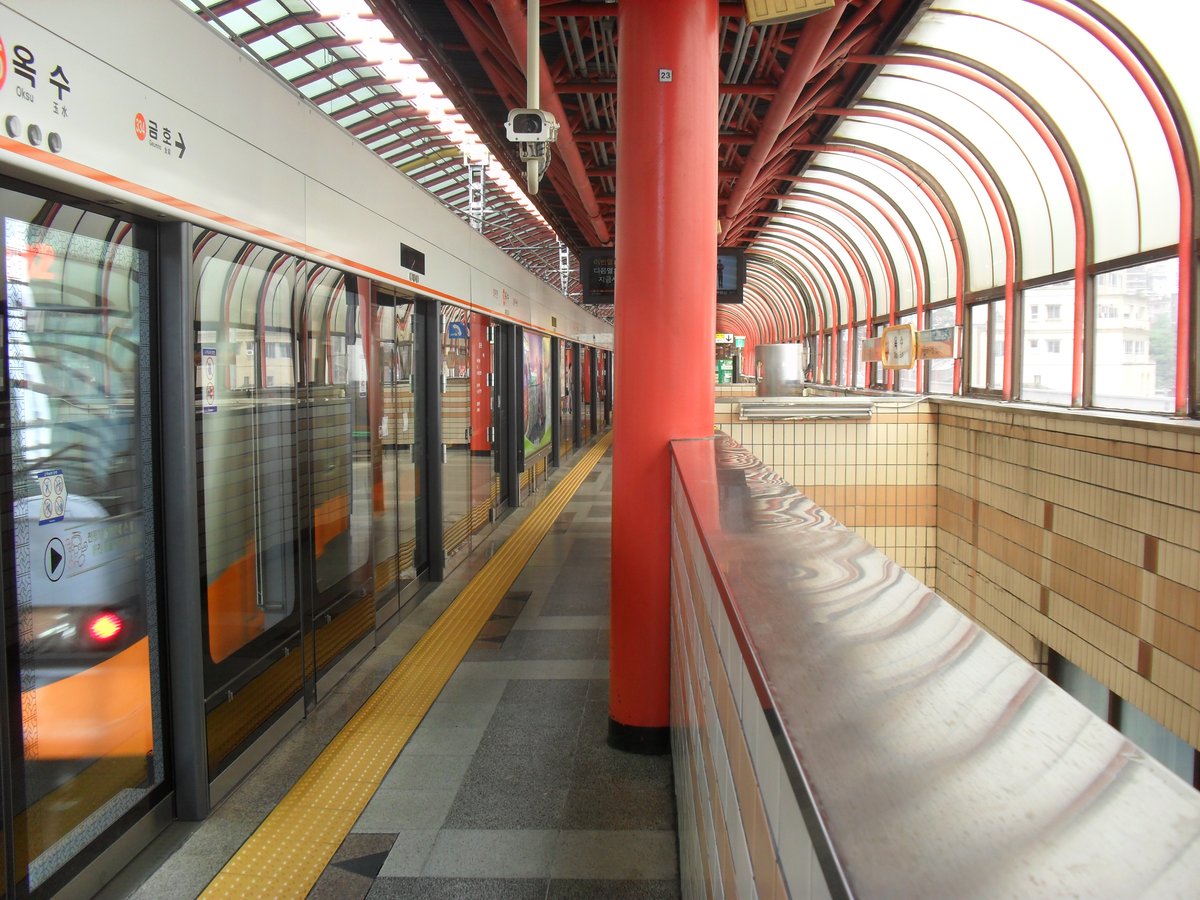
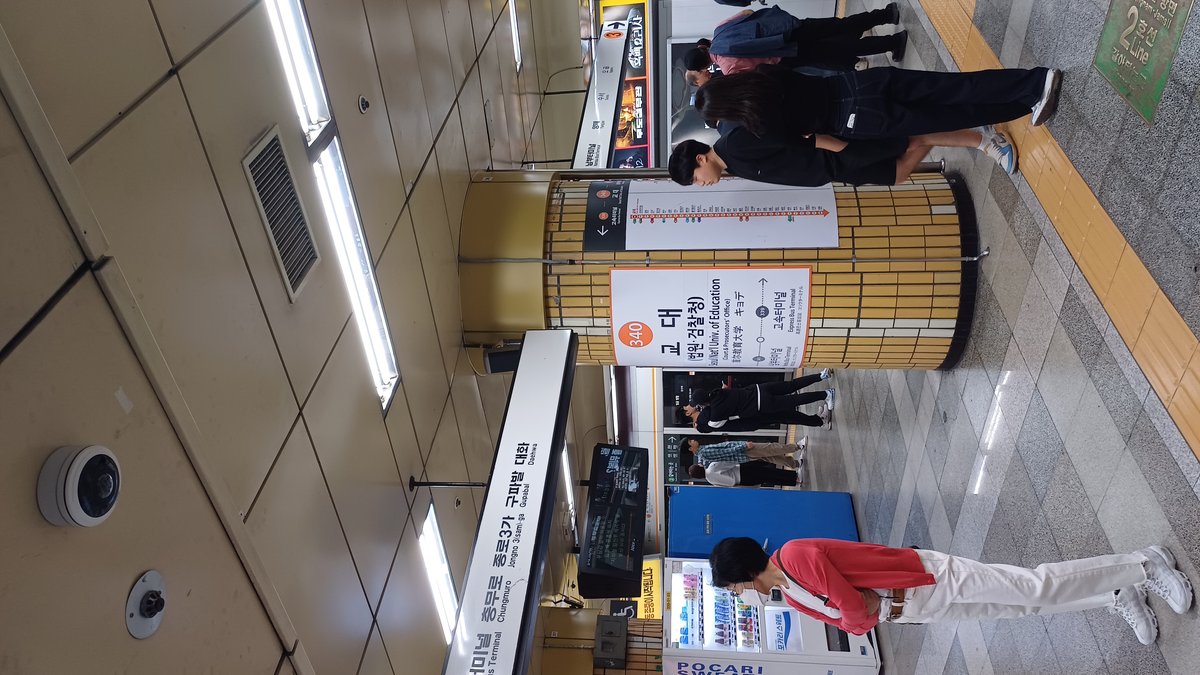
- Nearest Stations Eunpyeong-gu Office Station (Line 6) and other nearby stops on Lines 3 and 6.
- Features Elevators and accessible gates available; use a T-money transit card for convenience.
By Bus
- Local Buses Several low-floor buses serve the hospital; route information is available in English (Seoul Public Transportation).
By Taxi
- Instructions Present the hospital’s name in Korean (서울특별시 은평병원) to drivers. Confirm the destination address in advance.
Language and Communication Support
- Medical Referral Service 24-hour English assistance is available via the Seoul Global Center (Seoul Global Center).
- Emergency Interpretation Dial 119 for ambulances with interpreter support.
- Medical Consultation For non-emergencies, dial 1339 for English-language medical advice.
Emergency and Medical Contacts
- Emergency Services 119 (ambulance, fire, rescue)
- Medical Hotline 1339 (English support)
- General Help Seoul Call Center 120 or +82-2-731-2120 (Seoul City Hall)
Facilities and Amenities
- Pharmacy On-site and nearby options
- Dining Cafeteria and convenience stores within or near the hospital
- Waiting Areas Designated spaces for visitors
- Restrooms Accessible facilities on every floor
Visitor Tips
- Always carry photo ID or a passport.
- Most payments can be made by credit card, but keep some Korean won for small purchases.
- Use translation apps like Papago or Google Translate for smoother communication (Hey Roseanne).
- Respect hospital rules regarding noise and mask-wearing.
- Check for the latest COVID-19 policies before visiting.
Nearby Attractions
- Eunpyeong Hanok Village Explore traditional Korean architecture and culture (Eunpyeong Hanok Village Information).
- Bukhansan National Park Hiking, nature walks, and scenic views (Bukhansan National Park).
- Eunpyeong History & Hanok Museum Learn about local history and architecture (Seoul Hanok Museum).
- Local Markets Enjoy Korean food and shopping experiences close to the hospital.
Community Engagement and Events
Seoul Metropolitan Eunpyeong Hospital regularly organizes health education programs, seminars, and community wellness events. These are generally open to local residents and visitors interested in learning more about public health.
Frequently Asked Questions (FAQ)
Q1: What are the visiting hours for Seoul Metropolitan Eunpyeong Hospital?
A1: Typically 10:00 AM to 8:00 PM. Check the official website for updates as policies may change.
Q2: Is the hospital accessible for wheelchair users?
A2: Yes, the hospital and nearby transit options offer full accessibility features.
Q3: Are English-speaking staff available?
A3: Most staff speak Korean, but English interpretation is available via the Seoul Global Center and emergency hotlines.
Q4: How can I contact emergency services?
A4: Dial 119 for emergencies (ambulance, fire, rescue) with interpreter support.
Q5: Do I need to pre-register for a visit?
A5: During certain public health situations, pre-registration may be required. Always verify with the hospital in advance.
Useful Links
- Seoul Metropolitan Government Official Site
- Eunpyeong Hanok Village Information
- Bukhansan National Park
- Seoul Global Center Medical Referral Service
- Seoul Public Transportation Guide
Discover More
Seoul Metropolitan Eunpyeong Hospital stands as a testament to Seoul’s progressive approach to public health and urban well-being. Its modern facilities, accessible environment, and strategic location make it a valuable resource for both residents and international visitors. By combining healthcare with the opportunity to explore nearby cultural and natural attractions, a visit to this hospital can be both practical and enriching.
For the latest updates on visiting policies, events, and travel tips, consult the links above or contact the Seoul Call Center. For a complete and personalized travel experience, download the Audiala app and follow us on social media.