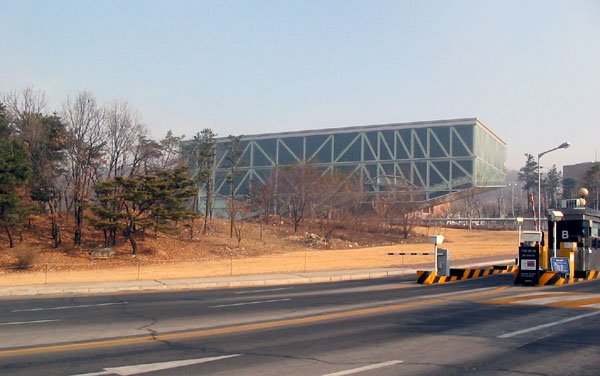
Introduction: Seoul Jongno Fire Station—A Guardian of Heritage
Nestled in the heart of Jongno, Seoul’s most historic district, the Seoul Jongno Fire Station is not just an emergency service hub—it is a unique institution safeguarding some of Korea’s most cherished historical and cultural treasures. While its main function is fire prevention and rapid emergency response, the station’s roots stretch back centuries, intertwining with the city’s evolution from the Joseon Dynasty to the thriving metropolis it is today (National Fire Agency History).
With its proximity to landmarks like Gyeongbokgung Palace, Bukchon Hanok Village, and Insadong, the fire station is strategically positioned to protect the legacy of Seoul. This guide provides a detailed overview of the station’s history, visiting guidelines, community role, and practical travel tips for those eager to explore both public safety and cultural heritage in Jongno.
Seoul Jongno Fire Station: Historical Evolution
From Joseon Dynasty Origins to Modern Emergency Services
Fire management in Seoul dates back to the Joseon Dynasty, with official bodies like the Geumhwadogam established as early as 1426, reflecting the city’s longstanding concern with fire prevention, especially given the prevalence of wooden structures (National Fire Agency History). The Japanese colonial period saw the founding of the Gyeongseong Fire Station in Jongno in 1925, introducing modern firefighting systems.
Following Korea’s liberation, the implementation of the Fire Services Act in 1958 and the creation of the National Fire Service Academy in the 1970s marked significant modernization. The 1990s brought about local autonomy, allowing the Jongno Fire Station to better serve the unique needs of its district. The 2017 establishment of the National Fire Agency unified national standards and introduced advanced technologies such as drones and smart sensors (National Fire Agency History).
Visiting Seoul Jongno Fire Station: Hours, Tours, and Access
Public Access and Visiting Information
Seoul Jongno Fire Station operates primarily as an active emergency facility, and is not open for walk-in visits or regular public tours. However, educational programs and guided tours may be available by prior arrangement—especially for schools, community groups, or during special safety events (Discover Seoul Fire Stations). Contact the station or local tourist information centers to request or book a tour.
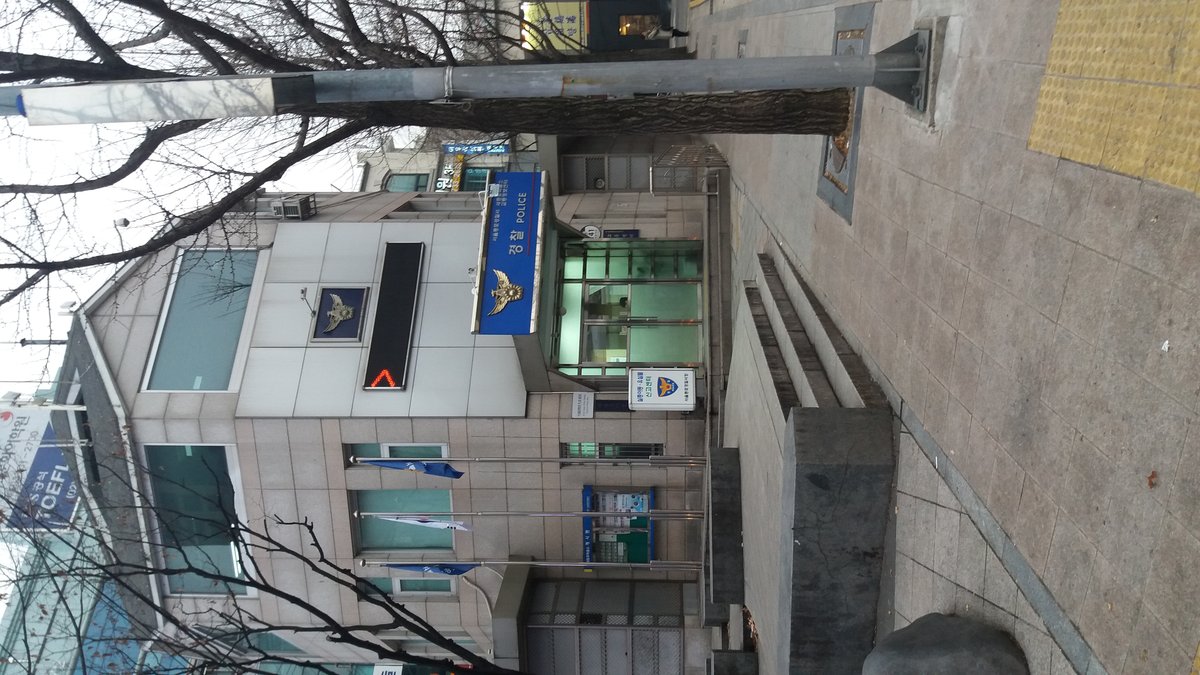
- Exterior Viewing: The station’s exterior can be admired and photographed at any time.
- Guided Tours/Educational Programs: Available by advance booking; typically held on weekdays between 9:00 AM and 5:00 PM.
- Special Events: Open house days and live demonstrations are occasionally hosted during national safety weeks or local festivals.
Note: There are no admission fees or tickets for visits. All programs are free but require scheduling in advance.
Accessibility and Travel Tips
How to Get There
- Address: 1 Jongno 1(il)-ga, Jongno-gu, Seoul, South Korea (Mapcarta)
- Subway: Gwanghwamun Station (Line 5, Exit 2) and Jonggak Station (Line 1, Exit 1) are a short walk away.
- Bus: Numerous bus routes serve Jongno and Sejong-daero; use local transit apps for current information (Visit Seoul).
- On Foot: The area is pedestrian-friendly and close to major attractions.
Accessibility
- Wheelchair Access: The main entrance is step-free. Some operational areas may have limited accessibility—contact ahead for special requirements.
- Multilingual Support: Information and some programs are available in English, Chinese, and Japanese. Staff primarily speak Korean; translation apps are helpful (Lonely Planet).
Travel Tips
- Book in Advance: Educational tours must be scheduled ahead of time.
- Dress Comfortably: Suitable footwear is recommended for walking tours.
- Photography: Allowed outside and in designated tour areas only; always ask before photographing staff or interiors.
- Combine Visits: Pair your fire station visit with nearby sites like Gyeongbokgung Palace, Insadong, and Bukchon Hanok Village.
Community Role and Operational Significance
Strategic Protection of Seoul’s Heritage
The Seoul Jongno Fire Station is crucial in safeguarding Jongno’s densely packed mix of ancient wooden buildings and modern structures (Discover Seoul Fire Stations). Its teams are trained for fire suppression, technical rescues, and emergency medical care, operating 24/7 and collaborating with the Seoul Metropolitan Fire & Disaster Headquarters.
Fire Prevention and Public Education
- Inspections: Regular checks of palaces, markets, schools, and heritage sites ensure compliance with fire codes.
- Workshops: Fire safety, first aid, and disaster readiness workshops are conducted for residents, businesses, and tourists (Low Maintenance Traveler).
- Community Outreach: The station participates in festivals, conducts school visits, and engages in smoke detector installation programs for vulnerable populations.
Integration with Citywide Disaster Management
The station works closely with other emergency services to coordinate large-scale event coverage, disaster drills, and resource sharing (Seoul Metropolitan Fire & Disaster Headquarters).
Nearby Historical Sites and Attractions
Jongno is Seoul’s cultural epicenter, offering a wealth of must-visit destinations:
- Gyeongbokgung Palace: Open 9:00 AM–6:00 PM (Closed Tuesdays; KRW 3,000/adult) (seoulkoreaasia.com).
- Bukchon Hanok Village: Free, open daily; explore preserved hanok houses (myguideseoul.com).
- Jongmyo Shrine: 9:00 AM–6:00 PM (Closed Tuesdays; KRW 1,000/adult); UNESCO World Heritage Site.
- Insadong: Renowned for traditional crafts, tea houses, and galleries.
- Tongin Market and Gwangjang Market: Both celebrated for local food and cultural experiences.
All sites are easily accessible on foot or by public transit from the fire station. (allsouthkorea.com; onceinalifetimejourney.com; misstourist.com)
Frequently Asked Questions (FAQ)
Q: Can I visit Jongno Fire Station without booking?
A: No, public access is limited and interior visits require advance booking.
Q: Are there tickets or entry fees?
A: No fees or tickets are required; tours and programs are free but must be scheduled ahead.
Q: Is the station accessible for people with disabilities?
A: Yes, the main entrance is accessible; contact in advance for specific needs.
Q: Are tours available in English?
A: Some tours offer English-speaking guides. Confirm during booking.
Q: Can I photograph inside the fire station?
A: Photography is allowed in designated areas during tours. Always ask staff first.
Q: What should I do in case of emergency in Jongno?
A: Dial 119 for fire or medical emergencies; Jongno Fire Station ensures rapid response.
Visuals and Multimedia Suggestions
- Photos: Exterior shots of Jongno Fire Station (alt: “Seoul Jongno Fire Station exterior”), educational displays, and images of local landmarks.
- Infographics: Emergency response capabilities, fire safety tips, and visitor guidelines.
- Virtual Tours: Explore nearby historical sites online via official tourism platforms or Wikimedia Commons.
Discover More
Seoul Jongno Fire Station is an indispensable protector of the city’s historic core, blending centuries of tradition with modern emergency response. Though public access is limited, scheduled tours and community programs offer unique educational opportunities. Whether you’re a history buff, a student, or a curious traveler, learning about the fire station’s role deepens your appreciation for Jongno’s vibrant legacy.
Plan your visit by checking for upcoming events, booking educational programs, and exploring the wealth of historical attractions nearby. For the latest updates, download the Audiala app, follow Seoul fire services on social media, and consult our related guides to maximize your Seoul experience.
Listen to the full story in the app
Your Personal Curator, in Your Pocket.
Audio guides for 1,100+ cities across 96 countries. History, stories, and local insight — offline ready.
Audiala App
Available on iOS & Android
Join 50k+ Curators
Sources
- verified
- verified
- verified
- verified
- verified
- verified
- verified
Last reviewed: