Introduction
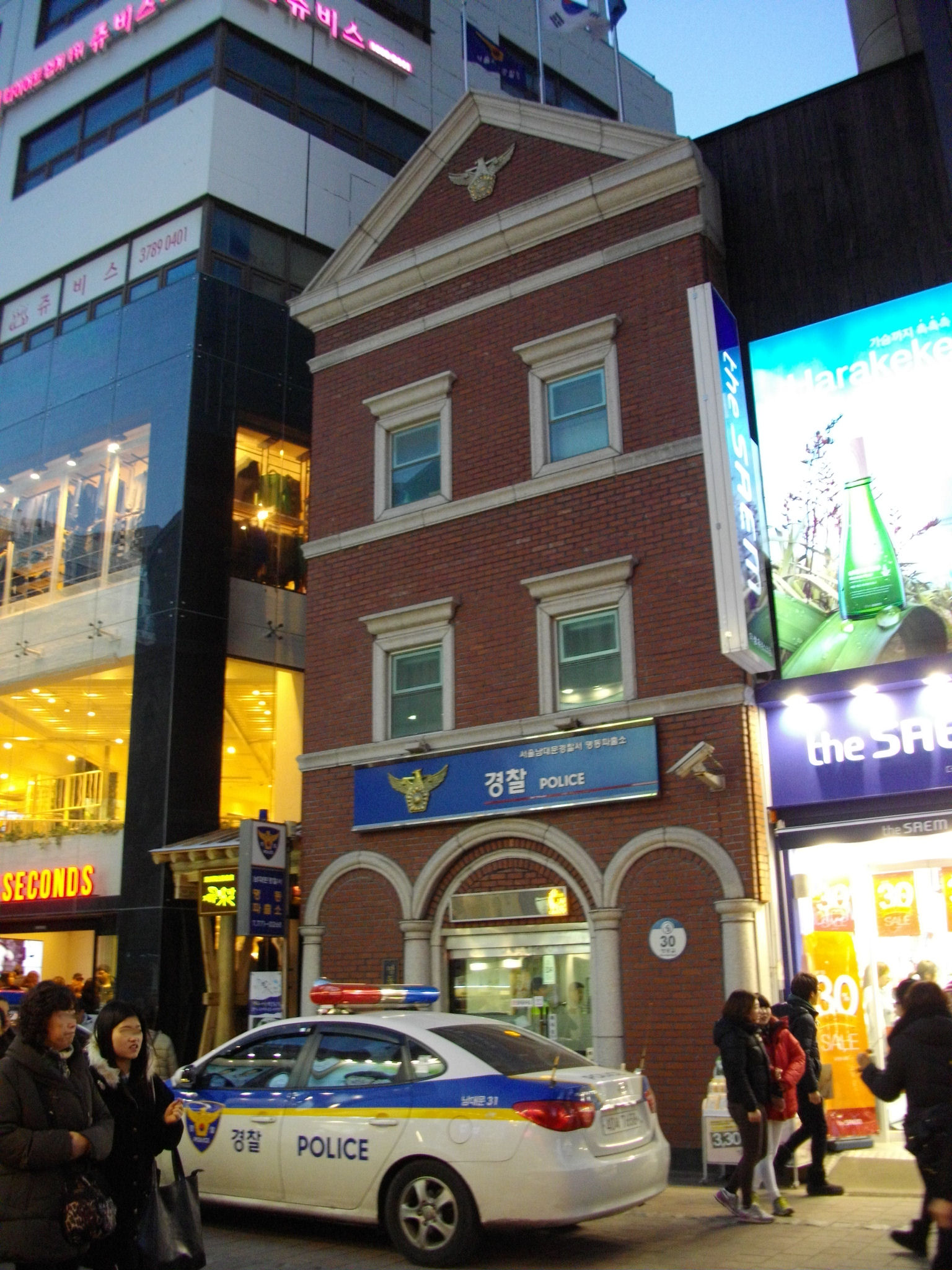
Seoul’s Hyehwa Police Station, located in the heart of the lively Hyehwa-dong neighborhood within Jongno-gu, is more than just a law enforcement facility. It stands as a symbol of community safety, civic engagement, and cultural vibrancy. Nestled near Hyehwa Station on Seoul Subway Line 4 and surrounded by artistic, educational, and historical landmarks such as Marronnier Park, Ihwa Mural Village, and the Daehangno theater district, the station serves a district celebrated for its dynamic blend of tradition and modernity (Wikipedia: Hyehwa Station; Traveloka).
This comprehensive guide explores the history, operational details, visitor information, and the cultural significance of Seoul Hyehwa Police Station, while offering practical advice for visitors to the broader Hyehwa district.
Historical Development and Location Context
Origins and Urban Setting
Situated in Hyehwa-dong, Jongno-gu—a district long regarded as Seoul’s civic, administrative, and cultural core—Hyehwa Police Station emerged amid the city’s rapid modernization in the late 20th century. Its founding coincided with the expansion of the city’s subway network and the transformation of Daehangno into a vibrant college and theater street (Wikipedia: Hyehwa Station). The station’s strategic placement, close to Hyehwa Station (Line 4), enables swift emergency responses and highlights its central function within a dense, active neighborhood.
Evolution of Policing in Hyehwa
The police station has evolved alongside its district, responding to the needs of a growing population and an ever-changing urban landscape. Its responsibilities extend beyond routine law enforcement, encompassing the management of public order during major events, collaboration with cultural institutions, and support for local businesses and residents.
Social Movements and Community Role
The Hyehwa Station Protests (2018–2019)
Hyehwa Police Station played a pivotal role during the 2018–2019 Hyehwa Station Protests, which saw tens of thousands gather to demand action against hidden camera crimes and greater gender equality. These feminist demonstrations marked a turning point in South Korean social movements (Wikipedia: Hyehwa Station Protests). The station’s management of these events—with a focus on balancing civil liberties and public safety—has been studied as a model for democratic policing.
Community Engagement
The station’s approach to policing is community-oriented, involving cooperation with universities, theaters, and local businesses to address issues such as noise, safety, and late-night activity. Officers are regularly present during public gatherings, festivals, and performances, ensuring both security and a welcoming atmosphere. This engagement is integral to the district’s status as a safe and inclusive space.
Station Facilities, Accessibility, and Modernization
Facilities and Accessibility
The original Hyehwa Police Station building, completed in 1977, reflects a functional design. It is accessible via Hyehwa Subway Station Exit 2, and features ramps and accessible restrooms for visitors with disabilities (Namu Wiki: Hyehwa Station). As of June 2025, the building is being reconstructed to address aging infrastructure and enhance safety. During this period, services are temporarily relocated to the Seungmun Building in Sungin-dong (MK News).
Modernization
The new facility will include advanced features such as modern security systems and improved amenities, reflecting Seoul’s commitment to accessible, innovative public service infrastructure.
Visitor Information
Location, Directions, and Hours
- Address: 132 Dongsung-gil, Jongno-gu, Seoul, South Korea
- Subway: Line 4 to Hyehwa Station, Exit 2, 5-minute walk north
- Bus: Multiple routes serve Hyehwa and Daehangno; check Naver Maps
- Taxi: Present address in Korean for best results
Operating Hours:
- The station operates 24/7 for emergencies.
- Non-emergency administrative services (e.g., lost and found, document requests): Weekdays, 09:00–18:00.
- The facility is not open for tours; entry is for official business only (Seoul Metropolitan Police Agency).
Contact:
- General Inquiries: +82-2-700-0112
- Emergency: 112
Accessibility and Services
- The station is accessible to visitors with disabilities (ramps, accessible restrooms).
- Lost and found services are available through the Lost112 portal.
- Some English language support is available, but using translation apps or written Korean is advisable for complex matters.
- Photography inside the station is prohibited.
Nearby Attractions
- Daehangno (College Street): Theaters, cafes, and vibrant youth culture
- Marronnier Park: Community hub and performance venue
- Ihwa Mural Village: Famous for street art (KoreaToDo: Ihwa Mural Village)
- Changgyeonggung Palace, Seoul City Wall Trail: Easy access for further historical exploration (Emixglobe)
- Dining: Numerous restaurants, food stalls, and international cafes nearby
Hyehwa District: Cultural, Historical, and Practical Guide
Historical and Cultural Context
Hyehwa’s identity is shaped by its historical roots—anchored by the reconstructed Hyehwamun Gate and the legacy of the Joseon Dynasty—and its ongoing reputation as a center for education, theater, and progressive social activism. The district’s diverse demographics, including students, artists, and long-term residents, contribute to an atmosphere of intellectual and creative vitality.
Key Attractions
Daehangno (College Street):
- Over 150 theaters and numerous galleries; performances run from 10:00 to 22:00
- Ticket prices: 10,000–40,000 KRW, available online or on-site
Marronnier Park:
- Open daily, 5:00–23:00, free entry
- Hosts festivals, art markets, and open-air events
Hyehwa Station Accessibility:
- Elevators, ramps, tactile paving, and information kiosks support visitors with disabilities
- Ongoing improvements following disability rights protests (Korea JoongAng Daily)
Culinary Scene:
- Affordable restaurants and street food (tteokbokki, sundae, bingsu)
- Many eateries open late; food tours and cooking classes available
Religious and Historical Sites:
- Hyehwamun Gate (free, daylight hours)
- Hyehwa-dong Catholic Church (early 20th-century)
- Hanok guesthouses and tea houses
Navigational and Safety Tips
- The district is pedestrian-friendly; best explored on foot
- Use public transport or taxis due to limited parking
- Free Wi-Fi is widely available; download local apps for navigation and translation
- Hyehwa is generally safe, with a strong police presence
- During protests or crowded events, follow police guidance and avoid congested areas
Seasonal Events
- Daehangno Theater Festival (May), art fairs, food markets
- Event schedules and updates: Smart Tourist Information System
Practical Amenities
- Public restrooms and ATMs are plentiful
- Currency exchange available at local banks and subway stations
- Nearby medical facilities include Seoul National University Hospital
Frequently Asked Questions (FAQs)
Q: Can tourists visit or tour the Hyehwa Police Station?
A: The station is not open for tours; entry is limited to those requiring police services.
Q: What are the operating hours for non-emergency services?
A: Weekdays, 09:00–18:00.
Q: Is the station accessible for people with disabilities?
A: Yes, accessibility features are provided.
Q: How do I report a lost item or crime?
A: Visit in person or use the Lost112 portal; for emergencies, call 112.
Q: What are nearby attractions?
A: Daehangno, Marronnier Park, Ihwa Mural Village, Changgyeonggung Palace, and more.
Q: How do I get to the station by subway?
A: Line 4, Hyehwa Station, Exit 2, then a 5-minute walk.
Summary and Final Tips
Seoul Hyehwa Police Station stands as a cornerstone of safety and civic life in one of Seoul’s most dynamic neighborhoods. Its historical evolution, involvement in landmark social movements, and connection to the artistic and educational heart of the city make it a vital part of Hyehwa’s identity (Wikipedia: Hyehwa Station Protests).
With ongoing modernization and relocation during reconstruction in 2025 (MK News), visitors should check updated service locations before arrival. Exploring Hyehwa offers a unique blend of history, culture, and contemporary urban life—with the police station providing reassurance and support for residents and travelers alike.
For further resources, real-time updates, and travel tips, consult the Seoul Metropolitan Police Agency or download the Audiala app.
Listen to the full story in the app
Your Personal Curator, in Your Pocket.
Audio guides for 1,100+ cities across 96 countries. History, stories, and local insight — offline ready.
Audiala App
Available on iOS & Android
Join 50k+ Curators
Sources
- verified
- verified
- verified
- verified
- verified
- verified
- verified
- verified
- verified
Last reviewed: