Visiting Hours and Location
Seoul Gangseo Police Station is open 24 hours a day, 7 days a week, providing uninterrupted support for emergencies and general public services.
- Address 308 Hwagok-ro, Gangseo-gu, Seoul
- Nearest Subway Hwagok Station (Line 5), about a 10-minute walk
- By Bus Numerous routes serve Hwagok-ro and surrounding areas
For precise directions, use local navigation apps or consult Seoul’s tourist information centers.
Services for Visitors and Residents
The station offers a comprehensive range of services, including:
- Crime Reporting File complaints or report safety concerns in person or by phone
- Police Clearance Certificates (PCC) Required for visas, employment, or background checks
- Welfare and Safety Checks Support for vulnerable individuals and emergencies
- Emergency Response Immediate assistance for accidents and public safety threats
Multilingual support is provided via the KNPA and local tourist centers for non-Korean speakers.
Established in 1977 alongside Gangseo-gu’s formation, Seoul Gangseo Police Station has grown with the district’s rapid urbanization. It operates as part of the Seoul Metropolitan Police Agency and the centralized Korean National Police Agency (KNPA), founded in 1991.
The station is led by Chief Won-tae Kim (since October 2023), who has championed innovation and community partnerships. Notably, a partnership with Gbike/GCOO in 2023 introduced electric bicycles and mobility devices to enhance patrols in congested areas.
The station’s internal divisions cover crime prevention, investigations, traffic management, intelligence, and external cooperation.
Accessibility and Community Engagement
Seoul Gangseo Police Station is committed to accessibility and active community involvement:
- Public-Private Partnerships Collaborating with mobility firms for modern patrols
- Local Presence Police boxes and security centers for rapid, localized response
- Community Programs Outreach on crime prevention, safety campaigns, and public education
Nearby Attractions and Travel Tips
Gangseo-gu offers a mix of culture and nature:
- Seoul Botanic Park A modern botanical garden and green space (Seoul Botanic Park)
- Gangseo Marsh Ecological Park Scenic nature reserve, great for birdwatching
- Heojun Museum Celebrates Korea’s traditional medicine heritage
- Hwagok Park Local green retreat
Travel Tips:
- Bring identification (passport or ARC)
- Prepare paperwork in advance for services like PCCs
- Use public transport for convenience
- Check official sites for event updates
Frequently Asked Questions (FAQ)
Q: What are the visiting hours?
A: The station is open 24/7.
Q: Can I get a Police Clearance Certificate here?
A: Yes. Check requirements and bring identification.
Q: Is there English support?
A: Limited, but available through the KNPA and tourist centers.
Q: How do I contact the station?
A: Refer to official websites or local directories.
Q: Are there tours or educational programs?
A: No official tours, but the station participates in community events.
Seoul Gangseo Police Station Monument: History, Visitor Information, and Cultural Significance
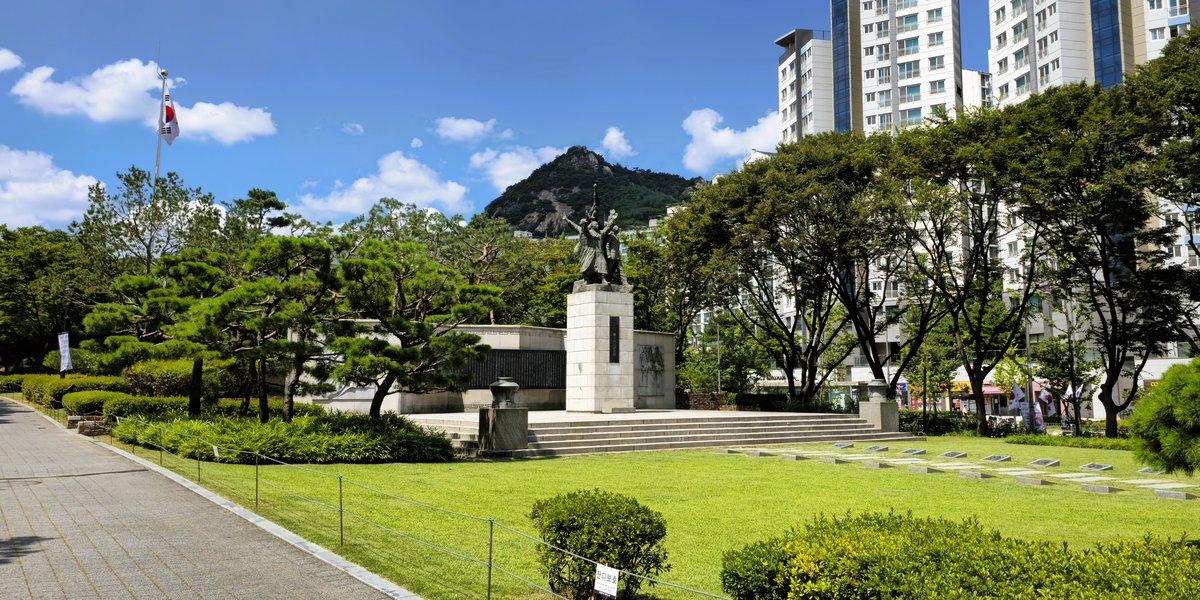
The Seoul Gangseo Police Station Monument commemorates law enforcement’s history in Gangseo. Established in the early 20th century, it honors the contribution of officers and reflects the evolution of Korean policing (Seoul Gangseo Police Station Monument: History, Visitor Information, and Cultural Significance).
Location and Accessibility
- Near Gangseo Station (Line 5)
- Pedestrian-friendly, with clear signage
Visiting Hours and Admission
- Open daily 9:00 AM – 6:00 PM
- Admission Free
- Guided Tours Weekends/holidays at 11:00 AM and 3:00 PM (book via official tourism website)
Cultural and Educational Experiences
- Exhibits: Vintage police uniforms, equipment, media on notable cases
- Workshops: Public safety education and community policing
Nearby Attractions and Amenities
- Han River Park (recreation and scenic views)
- Local cafes and cultural centers
Special Events
- Annual Public Safety Festival
- Youth Safety Workshops (school holidays)
Visual Media and Interactivity
- QR codes link to virtual tours and historical archives
- Mobile app for AR experiences
FAQs
- Wheelchair accessible Yes
- Photography Personal use allowed; professional shoots require approval
- Private tours Arrange via tourism office
- Parking Public lots nearby
Plan Your Visit
For current details, visit Gangseo District tourism.
Visiting the Heojun Museum: Hours, Tickets, Accessibility, and Nearby Attractions
Introduction
The Heojun Museum honors Dr. Heo Jun’s legacy in Korean traditional medicine. Located near Gimpo International Airport, it’s a hub for cultural and educational experiences (Heojun Museum in Seoul: Hours, Tickets, Accessibility, and Nearby Attractions).
Location and Contact
- Address 95, Heojun-ro, Gangseo-gu, Seoul
- Phone +82-2-2600-4600
Visiting Hours and Tickets
- Open Tuesday–Sunday, 9:00 AM – 6:00 PM (closed Mondays/public holidays)
- Last admission 5:30 PM
- Admission Adults 3,000 KRW; Youth 1,500 KRW; Children under 7 free
- Group discounts for 20+ (reserve in advance)
Exhibitions and Significance
- Life and works of Heo Jun, including “Dongui Bogam”
- Traditional medicine displays, herbal remedies, and medical instruments
- Interactive and educational programs
Accessibility
- Wheelchair access and accessible restrooms
- Elevators for all floors
- Staff trained for disability support
- Further services via Seoul Danurim Tourism Center
Getting There
- Subway Airport Market and Songjeong stations nearby
- Bus Low-floor buses with ramps/priority seating
- Taxi Regular and accessible options available
Nearby Attractions
- Gimpo International Airport
- Local markets (Airport Market, Songjeong Market)
- Gangseo Marsh Ecological Park
Visitor Tips
- Basic English spoken; translation through Korea Travel Hotline (1330)
- Photography allowed except flash/tripods
- Seoul is generally safe; use standard travel precautions
FAQ
- Guided tours Offered weekends/holidays (book in advance)
- Tickets On-site only (online sales may be introduced)
- For children Interactive exhibits available
- Café On-site refreshments
Cultural Context and Local Environment
Historical and Administrative Context
The Seoul Gangseo Police Station is part of South Korea’s centralized policing network, overseen by the Korean National Police Agency. The KNPA ensures consistent law enforcement standards nationwide.
Gangseo District
A rapidly urbanizing area in western Seoul, Gangseo-gu marries residential, business, and green spaces, reflecting modern Korean urban development.
Social Norms
Police stations in Korea are respected civic spaces. Visitors should behave politely, dress modestly, and approach officers calmly. English may be limited—use translation apps or basic Korean phrases for assistance (Owl Over The World).
Practical Visitor Information
- Open 24/7
- No entry fee or ticket
- Accessible by subway/bus
- Bring passport/ARC for services
- Photography inside the station is prohibited
Community Safety and Engagement
Gangseo Police Station is involved in outreach, education, and support programs, fostering community trust.
Environmental and Social Initiatives
The district’s green spaces, like Seoul Botanic Park, are supported by police-led community wellness initiatives (Seoul Botanic Park).
Summary of Key Information and Visitor Tips
Seoul Gangseo Police Station is a cornerstone of public safety and community engagement in Gangseo-gu. It provides 24/7 services, including crime reporting and clearance certificates, and leads in innovation and outreach (Seoul Gangseo Police Station: Visiting Hours, Location, Services, and History). The adjacent monument and nearby cultural sites such as the Heojun Museum and Gangseo Marsh Ecological Park enrich any visit (Seoul Gangseo Police Station Monument: History, Visitor Information, and Cultural Significance; Heojun Museum in Seoul: Hours, Tickets, Accessibility, and Nearby Attractions). Always bring identification, leverage public transportation, and use official resources and apps for updates. Respect local customs for a smooth, safe experience (Cultural Context and Local Environment).