
History of Korea’s Postal System
Korea’s postal service traces its origins to the late 19th century, beginning with the establishment of Ujeongchongguk in 1884. Early modernization was interrupted by events like the Gapsin Coup, but Korea soon joined the Universal Postal Union, linking it to the global mail network. The system expanded under Japanese colonial rule, primarily serving administrative needs. Following liberation in 1945, South Korea restructured its postal services to support rapid national and urban growth, with Seoul and Gangnam at the forefront of innovation. Today, the system is renowned for its reliability and integration of digital technology.
Visiting Seoul Gangnam Post Office
Hours & Access
- Operating Hours Monday to Friday, 9:00 AM–6:00 PM
- Saturday Service 9:00 AM–1:00 PM (check for updates; some services may vary)
- Closed Sundays and national holidays
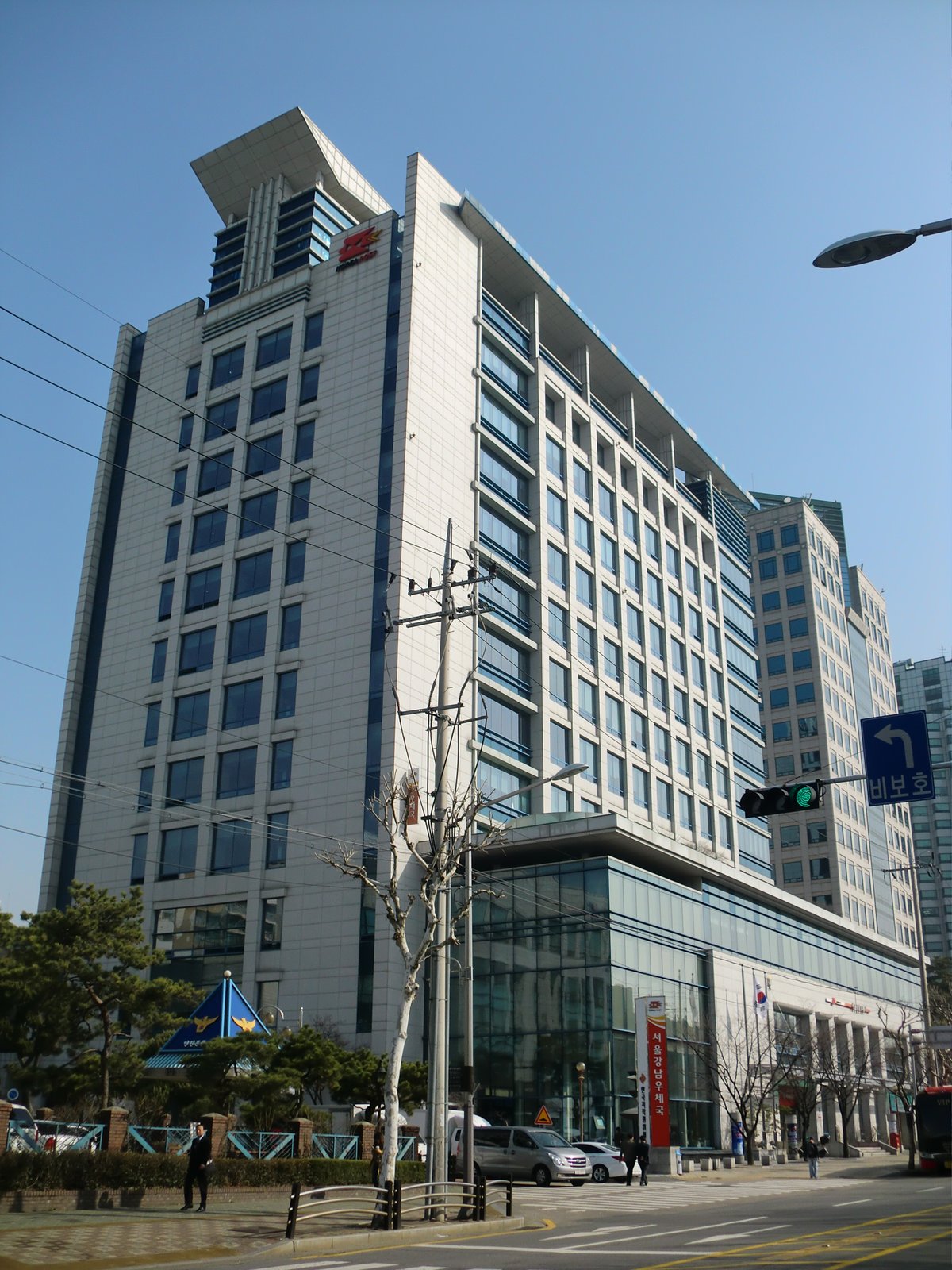
- Address 619 Gaepo-ro, Gangnam-gu, Seoul, South Korea (helpmecovid.com)
- Accessibility The building is wheelchair accessible, with ramps, elevators, and accessible restrooms.
- Admission Free for general services; special exhibitions may require tickets (check latest details on Korea Post Official Website).
Travel Tips
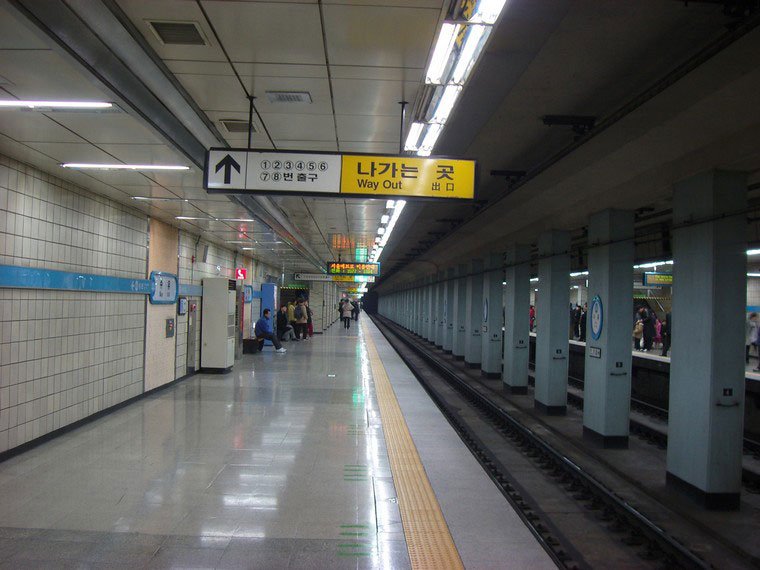
- Public Transport Gangnam Station (Line 2 and Shinbundang Line) is a short walk away; multiple bus routes serve the area.
- Parking Very limited; public transport is highly recommended.
- Best Times to Visit Mid-morning or early afternoon to avoid crowds.
- Language Basic English assistance is available; translation apps (Papago, Google Translate) are helpful.
Services for Visitors
Postal & Administrative
- Domestic and international mail, parcels, EMS (Express Mail Service)
- Registered and tracked mail
- PO Box rental
- Packing materials and customs declaration support
Financial
- Banking, savings accounts, remittances, and utility/tax payments
- Postal savings and insurance
Tourist-Friendly Features
- Commemorative stamps and philatelic products (great souvenirs)
- Tax refund processing for eligible tourists
- Multilingual signage and basic English support
Infrastructure
- Spacious main hall and self-service kiosks
- Waiting areas and clear signage
- Clean public facilities
What to Expect
- Efficient service, though peak times (lunch, late afternoon) may have longer waits
- Courteous staff; patience is useful if language barriers arise
- Modern, comfortable environment
The Role of Gangnam in Postal Code Evolution
South Korea adopted a five-digit postal code system in 2015, streamlining delivery efficiency. Gangnam’s codes typically start with “06,” denoting its prominence as a hub of business, culture, and commerce (Expert Beacon on Gangnam Postal Codes). The district’s rapid transformation from farmland to urban center is mirrored in its postal infrastructure and services.
Nearby Attractions
COEX Mall & Starfield Library
Asia’s largest underground shopping mall, COEX offers hundreds of shops, themed restaurants, an aquarium, and the iconic Starfield Library—a favorite for book lovers and photographers (Unravel Korea).
Bongeunsa Temple
Directly across from COEX, this tranquil Buddhist temple preserves centuries-old traditions and hosts meditation and temple stay programs (wheretarawent.com).
Hallyu K-Star Road
A must for K-pop fans, this street features sculptures honoring major groups and is close to entertainment agency headquarters (Unravel Korea).
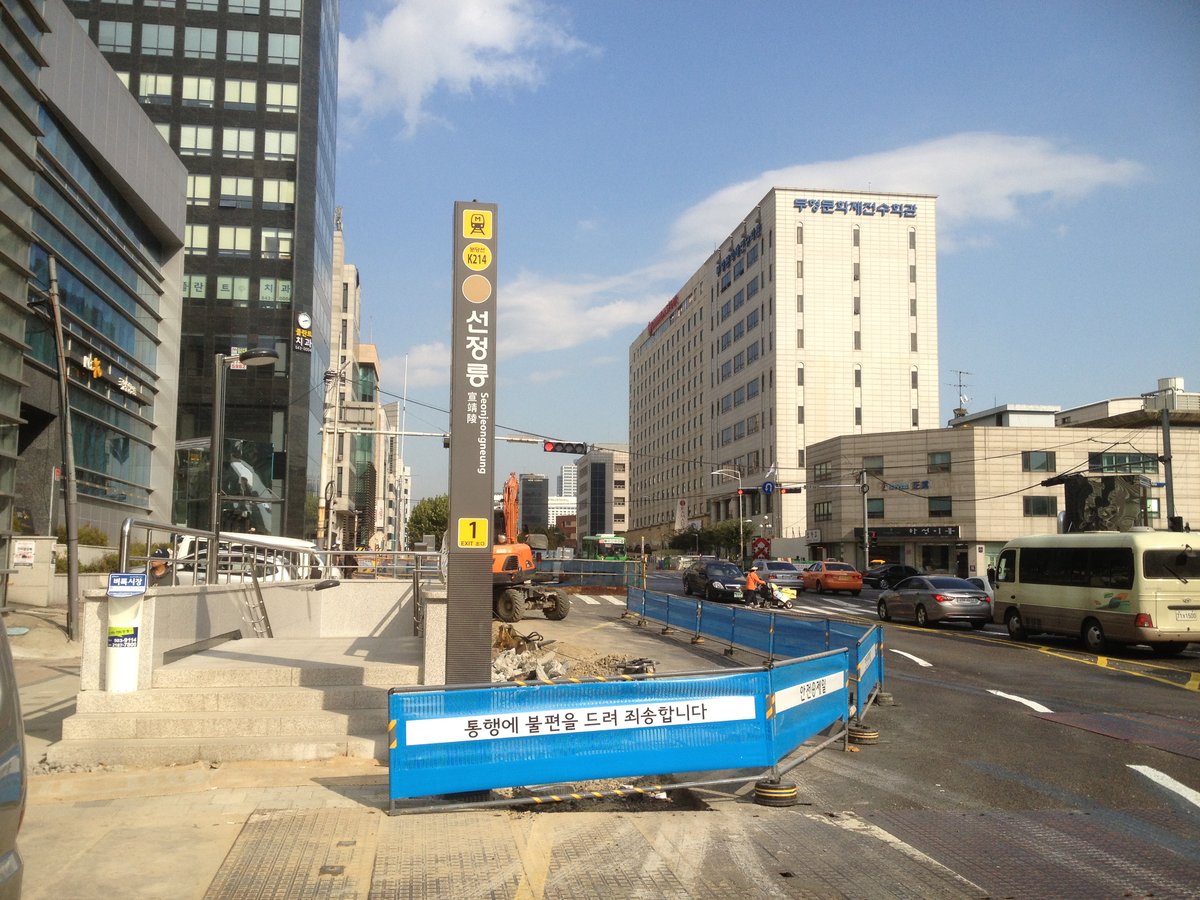
Seolleung & Jeongneung Royal Tombs
Beautifully landscaped UNESCO World Heritage sites, these tombs offer a glimpse into Joseon Dynasty history (Unravel Korea).
Apgujeong Rodeo Street & Garosu-gil
Explore luxury boutiques, galleries, and popular cafes in these trendy neighborhoods (Unravel Korea).
Samsung D’light
An interactive exhibition space showcasing Samsung’s latest innovations, reflecting Gangnam’s cutting-edge spirit (Unravel Korea).
Dining & Nightlife
Gangnam offers everything from traditional Korean eateries to international fine dining. The area near Gangnam Station is famous for nightlife, while Cheongdam-dong is popular for celebrity sightings and upscale restaurants (Unravel Korea).
Visitor Tips
- Language English is commonly used in tourist areas and the post office, but learning a few Korean phrases is helpful.
- Transport Use a T-money card for seamless subway and bus travel.
- Payment Credit cards are widely accepted; cash is useful for small purchases.
- Cultural Etiquette Queue politely, greet with a slight bow, and use both hands for transactions. Tipping is not practiced (iamaileen.com).
- Tax Refunds Available to tourists at designated counters, including some post offices.
- Event Info Occasionally, the post office hosts philatelic exhibitions and cultural events. Check their website for event schedules.
Frequently Asked Questions (FAQs)
Q: What are the Seoul Gangnam Post Office hours?
A: Monday to Friday, 9:00 AM–6:00 PM; some services on Saturday, 9:00 AM–1:00 PM; closed Sundays and national holidays.
Q: Is there an admission fee?
A: No, general services are free. Special exhibitions may require tickets—check the official website for updates.
Q: Can tourists send parcels internationally?
A: Yes, all standard and express international services (including EMS) are available.
Q: Is English spoken at the post office?
A: Basic English assistance is available; translation apps can help for more complex needs.
Q: Are there accessibility features?
A: Yes, including ramps, elevators, and accessible restrooms.
Q: What’s the best way to reach the post office?
A: By subway (Gangnam Station on Line 2 or Shinbundang Line) and via numerous bus routes.
Q: Can I buy souvenirs at the post office?
A: Yes, there are commemorative stamps and philatelic items.