Seoul, South Korea

Seoul Emergency Operations Center

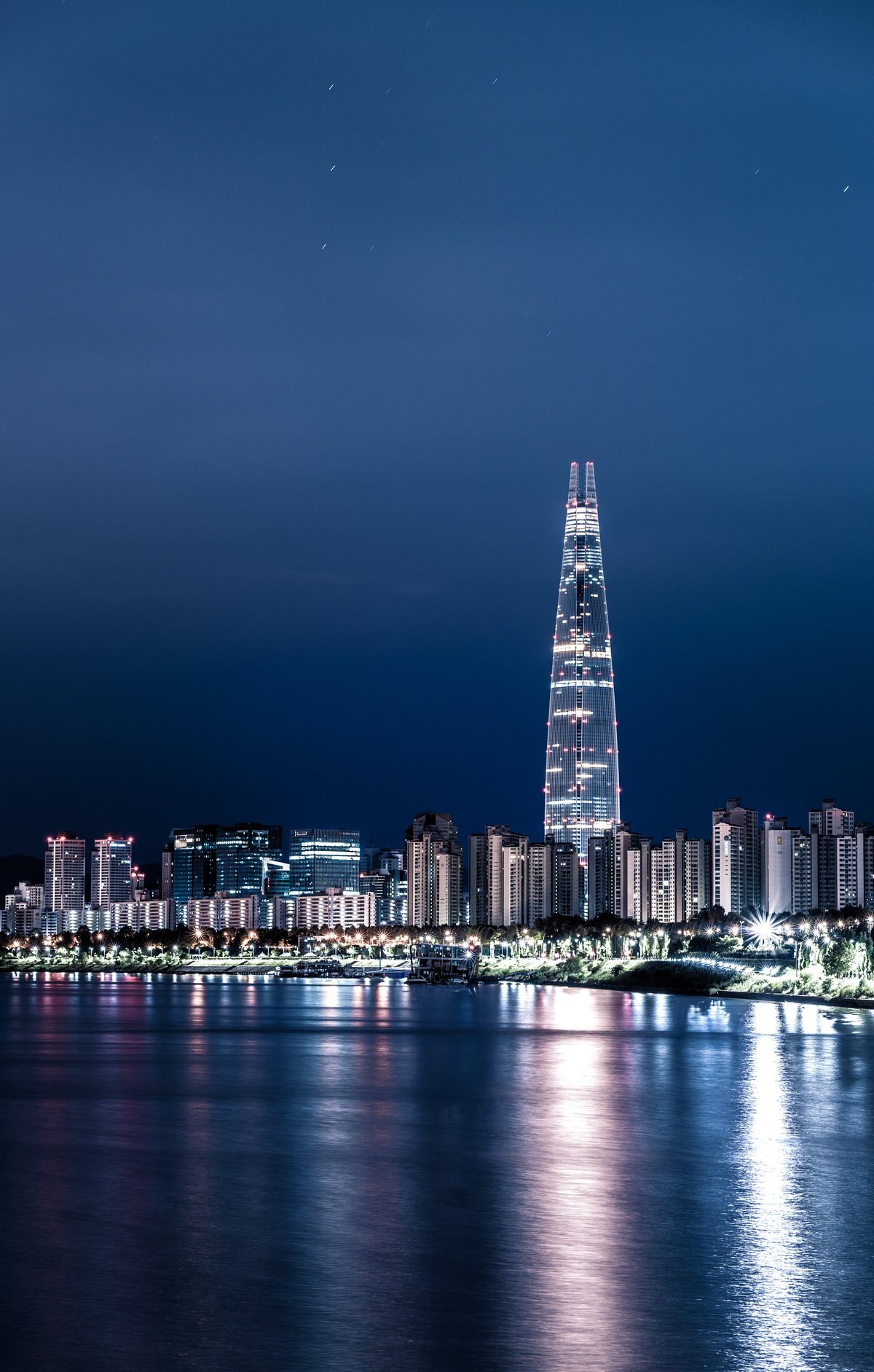
Seoul, South Korea’s bustling capital, is renowned for its blend of rich history and cutting-edge technology.

Introduction: Seoul’s Urban Safety and the SEOC

Seoul, South Korea’s dynamic capital, is celebrated for its seamless fusion of heritage and innovation. At the heart of the city’s safety infrastructure stands the Seoul Emergency Operations Center (SEOC), a state-of-the-art facility that coordinates disaster response and public safety for nearly 10 million residents and millions of annual visitors. Established under the Framework Act on Fire Services, the SEOC centralizes fire, rescue, civil defense, and health services, leveraging advanced technologies like CCTV networks and real-time data systems. While the SEOC is not a standard tourist destination, understanding its function and knowing how to access its services is vital for both visitors and locals. This comprehensive guide details the SEOC’s role, emergency contacts, visitor information, emergency preparedness tips, and highlights nearby historical sites to ensure your trip to Seoul is safe and enriching.

For more safety resources, visit Visit Seoul Safety and the Seoul Emergency Operations Center Official Site.


About the Seoul Emergency Operations Center (SEOC)

The SEOC was established in response to the growing complexity of urban risks in Seoul. It serves as the city’s centralized hub for emergency management, integrating real-time surveillance, crisis mapping, and multi-agency coordination among fire, police, medical, and municipal services. The SEOC operates 24/7, monitoring and responding to incidents ranging from natural disasters and fires to public health emergencies and large-scale events. Its role was highlighted during significant moments such as the 2002 World Cup, the 2014 Sewol Ferry disaster, and the COVID-19 pandemic, where coordinated rapid response was crucial (Visit Seoul Safety).


Visiting the SEOC: Access, Tours, and Tickets

Is the SEOC Open to Tourists?

The SEOC is a secure government facility and is not accessible to the general public for casual visits. However, limited guided tours or open house events may be organized for educational groups, international delegations, or professionals interested in urban safety and crisis management. These tours are not regularly scheduled and must be arranged in advance through official channels such as the Seoul Metropolitan Government’s international relations office or major tourist information centers (Visit Seoul Tourist Information).

Tour Information (When Available)

  • Visiting Hours: Weekdays, typically 10:00 AM – 4:00 PM (by appointment only)
  • Admission: Free, but requires prior registration and security clearance
  • What to Expect:
    • Overview of Seoul’s emergency management
    • Guided tour of the operations room
    • Demonstrations of crisis technology and communication systems
    • Q&A with staff (interpretation services may be available)
    • Photography is usually restricted

For updates on availability, contact the Seoul Emergency Operations Center Official Site or local tourist information centers.


How to Access Emergency Services in Seoul

Even if you cannot visit the SEOC, knowing how to access emergency support is critical:

  • Fire, Rescue, Medical Emergency: Dial 119
  • Police: Dial 112
  • Medical Information Center: Dial 1339 (medical help for non-Korean speakers)
  • Tourist Police: Dial 1330 (multilingual support)

These hotlines connect directly with SEOC-coordinated services and partner agencies for rapid response and interpretation (Visit Seoul Safety).


Essential Emergency Contacts and Multilingual Support

Seoul’s emergency network is equipped to assist international visitors:

  • Multilingual assistance is available in English, Chinese, Japanese, and more
  • Tourist Police patrols in popular districts like Myeong-dong, Itaewon, and Dongdaemun
  • Tourist Information Centers provide maps, guidebooks, and real-time safety updates:

Digital Safety Tools for Tourists

  • Seoul Tour Map: map.seoul.go.kr, available in 10 languages, provides real-time info on attractions, emergency facilities, and evacuation routes.
  • Official Emergency Apps: Download for alerts on weather, air quality, and public safety incidents (Korea.net).
  • Integration with Naver Map and Kakao Map for navigation and emergency notifications.

Safety Tips for Tourists

  • Save emergency contact numbers in your phone
  • Monitor local news and alerts for safety updates
  • Register with your embassy for emergency notifications (Active Asia Tours)
  • Learn key Korean phrases:
    • "Help" = 도와주세요 (dowajuseyo)
    • "Emergency" = 응급 (eung-geup)
  • Keep valuables secure and use anti-theft bags
  • Follow local guidance and evacuation instructions from authorities

Accessibility and Public Transportation

Seoul’s efficient public transportation system—subways and buses—makes it easy to reach emergency facilities, hospitals, and tourist sites. Many emergency services and historical sites are wheelchair accessible, and shuttle services are available at major attractions.


Nearby Historical and Cultural Attractions

While the SEOC is not a visitor attraction, it is situated in a city rich with cultural treasures. Recommended nearby sites include:

  • Gyeongbokgung Palace: Seoul’s largest and most iconic palace
  • Bukchon Hanok Village: Traditional Korean architecture in a scenic neighborhood
  • Cheonggyecheon Stream: Restored urban stream ideal for strolling
  • Namsan Seoul Tower: Panoramic city views and cultural exhibits (Official Namsan Seoul Tower Website)
  • Deoksugung Palace, Seoul City Hall, and Myeongdong Shopping District

For more, see Top Historical Sites in Seoul.


Cultural Significance and Responsible Tourism

Seoul’s emergency management system reflects the city’s values—community, preparedness, and technological innovation. The SEOC’s multilingual support and integrated response highlight Seoul’s commitment to hospitality and visitor safety. Tourists are encouraged to respect all safety protocols, participate in drills if invited, and act responsibly during emergencies.


Frequently Asked Questions (FAQ)

Q: Can tourists visit the SEOC?
A: The SEOC is not open for casual visits; tours are occasionally available by prior arrangement for educational groups.

Q: Are there tickets or fees for SEOC tours?
A: No, tours are free but require advance booking and security clearance.

Q: What are the emergency numbers in Seoul?
A: 119 (fire/medical), 112 (police), 1339 (medical info), 1330 (tourist police).

Q: Is multilingual support available during emergencies?
A: Yes, services are offered in multiple languages.

Q: What digital safety resources are recommended?
A: Seoul Tour Map, official emergency apps, and embassy registration.


Listen to the full story in the app

Your Personal Curator, in Your Pocket.

Audio guides for 1,100+ cities across 96 countries. History, stories, and local insight — offline ready.

smartphone

Audiala App

Available on iOS & Android

download Download Now

Join 50k+ Curators

Last reviewed:

More Places to Visit in Seoul

24 places to discover

Digital Media City Station star Top Rated

Digital Media City Station

Gongdeok Station star Top Rated

Gongdeok Station

N Seoul Tower star Top Rated

N Seoul Tower

Sehwa Girls' High School star Top Rated

Sehwa Girls' High School

Seoul Gangbuk Police Station star Top Rated

Seoul Gangbuk Police Station

Asem Tower

Asem Tower

Banpo Bridge

Banpo Bridge

Boramae Park

Boramae Park

Seoul Eunpyeong Fire Station

Seoul Eunpyeong Fire Station

photo_camera

Seoul Eunpyeong Police Station

photo_camera

Seoul First-Time Visitor Tips: Insider Hacks & Local Shortcuts

photo_camera

Seoul Forest the Sharp

photo_camera

Seoul Gangdong Fire Station

photo_camera

Seoul Gangdong Police Station‎

photo_camera

Seoul Gangnam Fire Station

Seoul Gangnam Post Office

Seoul Gangnam Post Office

photo_camera

Seoul Gangseo Fire Station

photo_camera

Seoul Gangseo Police Station‎

Seoul Gangseo Post Office

Seoul Gangseo Post Office

photo_camera

Seoul Geumcheon Fire Station

photo_camera

Seoul Girls' High School

Seoul Guro Post Office

Seoul Guro Post Office

Seoul Gwangjin Fire Station

Seoul Gwangjin Fire Station

photo_camera

Seoul Hyehwa Police Station